


Human papillomavirus (HPV) vaccine introduction in Sikkim state: Best practices from the first statewide multiple-age cohort HPV vaccine introduction in India-2018-2019
- PMID: 34429233
- PMCID: PMC10874777
- DOI: 10.1016/j.vaccine.2021.07.024
Human papillomavirus (HPV) vaccine introduction in Sikkim state: Best practices from the first statewide multiple-age cohort HPV vaccine introduction in India-2018-2019
Abstract
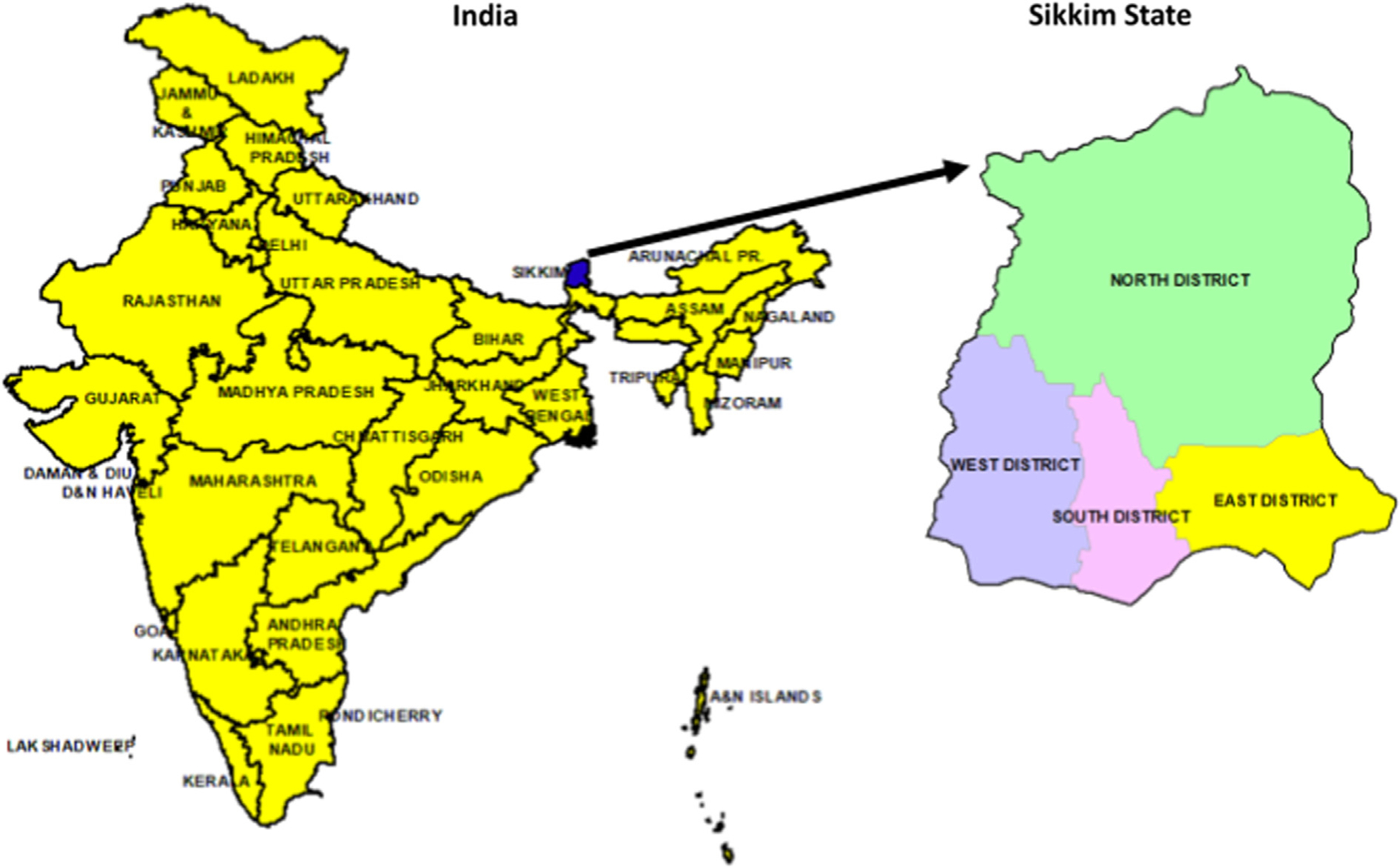
Background: Cervical cancer is a leading cause of cancer-associated mortality among women in India, with 96,922 new cases and 60,078 deaths each year, almost one-fifth of the global burden. In 2018, Sikkim state in India introduced human papillomavirus (HPV) vaccine for 9-13-year-old girls, primarily through school-based vaccination, targeting approximately 25,000 girls. We documented the program's decision-making and implementation processes.
Methods: We conducted a post-introduction evaluation in 2019, concurrent with the second dose campaign, by interviewing key stakeholders (state, district, and local level), reviewing planning documents, and observing cold chain sites in two purposefully-sampled community areas in each of the four districts of Sikkim. Using standard questionnaires, we interviewed health and education officials, school personnel, health workers, community leaders, and age-eligible girls on program decision-making, planning, training, vaccine delivery, logistics, and communication.
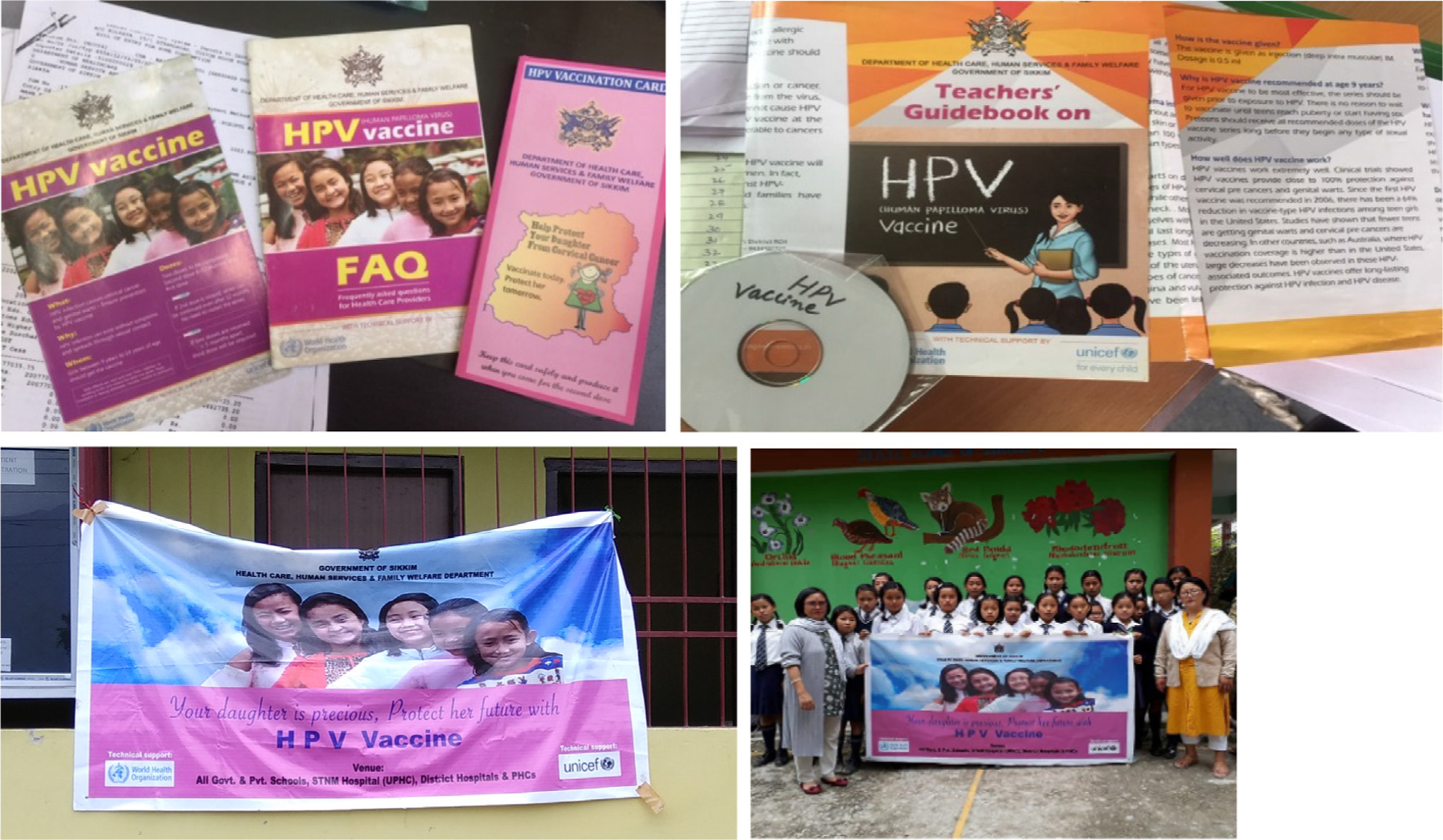
Results: We conducted 279 interviews and 29 observations in eight community areas across four districts of Sikkim. Based on reported administrative data, Sikkim achieved >95% HPV vaccination coverage among targeted girls for both doses via two campaigns; no severe adverse events were reported. HPV vaccination was well accepted by all stakeholders; minimal refusal was reported. Factors identified for successful vaccine introduction included strong political commitment, statewide mandatory school enrollment, collaboration between health and education departments at all levels, and robust social mobilization strategies.
Conclusions: Sikkim successfully introduced the HPV vaccine to multiple-age cohorts of girls via school-based vaccination, demonstrating a model that could be replicated in other regions in India or similar low- and middle-income country settings.
Keywords: Cervical cancer; HPV vaccine; School-based vaccination; Sikkim; Vaccine introduction.
Copyright © 2021. Published by Elsevier Ltd.
Conflict of interest statement
Declaration of Competing Interest The authors declare that they have no known competing financial interests or personal relationships that could have appeared to influence the work reported in this paper.
Figures


References
-
- Globocan: Global Cancer Observatory India Fact Sheet. In: International Agency for Research on Cancer WHO, editor. Geneva, Switzerland: WHO; 2018.
-
- Bray F, Ferlay J, Soerjomataram I, Siegel RL, Torre LA, Jemal A. Global cancer statistics 2018: GLOBOCAN estimates of incidence and mortality worldwide for 36 cancers in 185 countries. CA: a cancer journal for clinicians. 2018;68:394–424. - PubMed
-
- WHO position on HPV vaccines. Vaccine 2009;27:7236–7. - PubMed
-
- Human papillomavirus vaccines. WHO position paper, May 2017-Recommendations. Vaccine 2017;35:5753–5. - PubMed
