


The emerging possibility of the use of geniposide in the treatment of cerebral diseases: a review
- PMID: 34454545
- PMCID: PMC8400848
- DOI: 10.1186/s13020-021-00486-3
The emerging possibility of the use of geniposide in the treatment of cerebral diseases: a review
Abstract
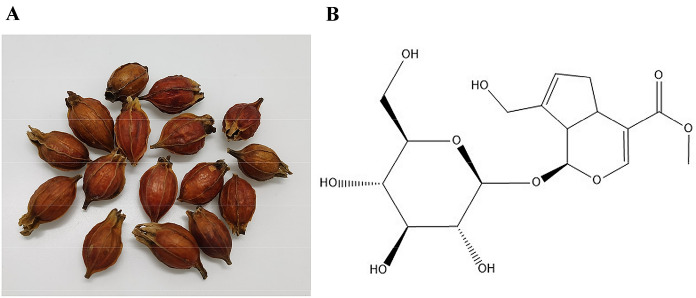
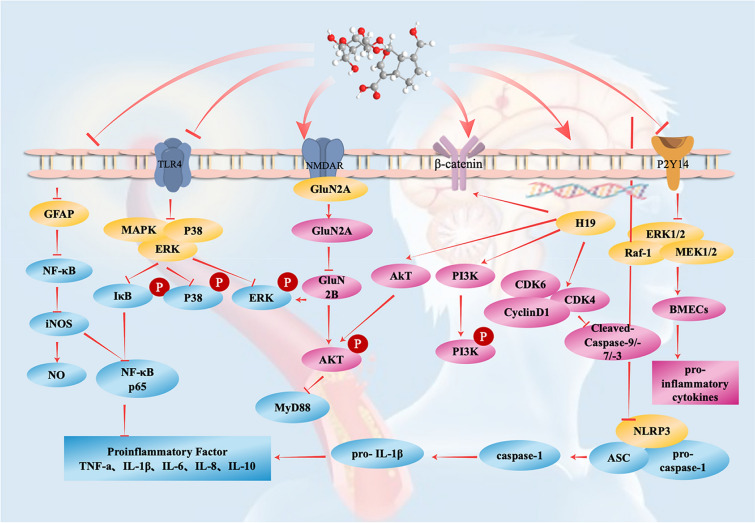
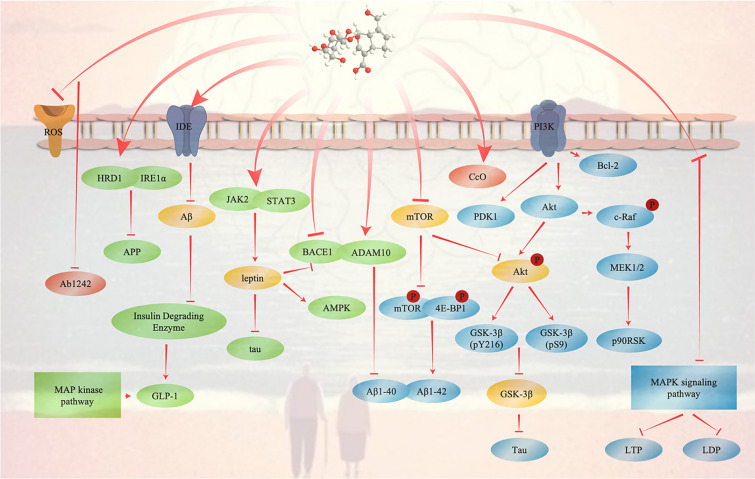
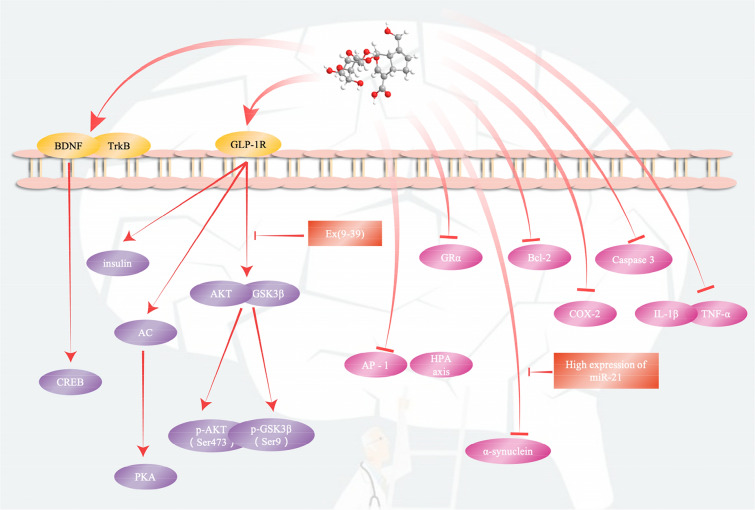
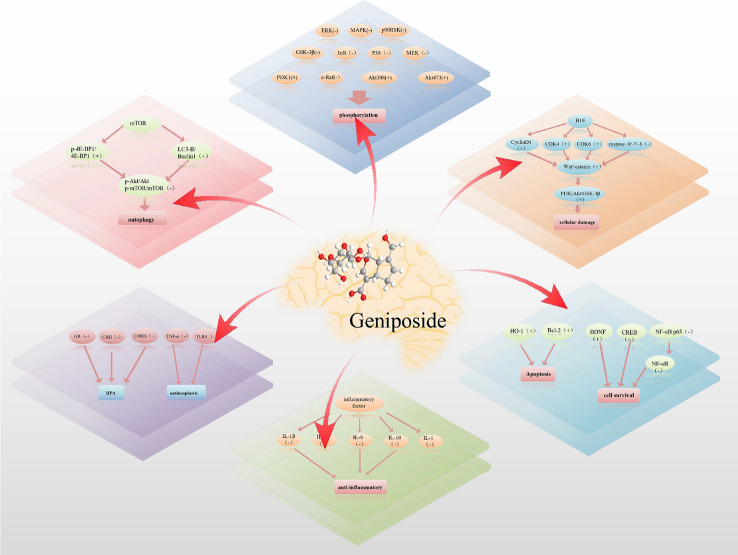
With the advanced discoveries in the field of pathogenesis, a series of cerebral diseases, such as cerebral ischaemia, Alzheimer's disease, and depression, have been found to have multiple signalling targets in the microenvironment. Only a few existing agents have been shown to have curative effects due to this specific circumstance. In recent decades, active ingredients isolated from natural plants have been shown to be crucial for original drug development. Geniposide, mainly extracted from Gardenia jasminoides Ellis, is representative of these natural products. Geniposide demonstrates various biological activities in the treatment of cerebral, cardiovascular, hepatic, tumorous, and other diseases. The multiple protective effects of geniposide on the brain have especially drawn increasing attention. Thus, this article specifically reviews the characteristics of current models of cerebral ischaemia and illustrates the possible effects of geniposide and its pathogenetic mechanisms on these models. Geniposide has been shown to significantly reduce the area of cerebral infarction and alleviate neuronal damage and necrosis mainly by inhibiting inflammatory signals, including NLRP3, TNF-α, IL-6, and IL-1β. Neuronal protection was also involved in activating the PI3K/Akt and Wnt/catenin pathways. Geniposide was able to increase autophagy and inhibit apoptosis by regulating the function of mTOR in treating Alzheimer's disease. Geniposide has also been shown to act as a glucagon-like peptide-1 receptor (GLP-1R) agonist to reduce amyloid plaques and inhibit oxidative stress to alleviate memory impairment as well as synaptic loss. Moreover, geniposide has been shown to exert antidepressant effects primarily by regulating the hypothalamic-pituitary-adrenal (HPA) axis. Detailed explorations have shown that the biological activities of inhibiting inflammatory cytokine secretion, alleviating oxidative stress, and suppressing mitochondrial damage are also involved in the mechanism of action of geniposide. Therefore, geniposide is a promising agent awaiting further exploration for the treatment of cerebral diseases via various phenotypes or signalling pathways.
Keywords: Alzheimer’s disease; Cerebral ischaemia; Depression; Geniposide; Mechanism.
© 2021. The Author(s).
Conflict of interest statement
The authors declare that the research was conducted in the absence of any commercial or financial relationships that could be construed as a potential conflict of interest.
Figures
References
Publication types
Grants and funding
LinkOut - more resources
Full Text Sources
Miscellaneous
