


Traceability of polyphenols in cocoa during the postharvest and industrialization processes and their biological antioxidant potential
- PMID: 34458602
- PMCID: PMC8377438
- DOI: 10.1016/j.heliyon.2021.e07738
Traceability of polyphenols in cocoa during the postharvest and industrialization processes and their biological antioxidant potential
Abstract
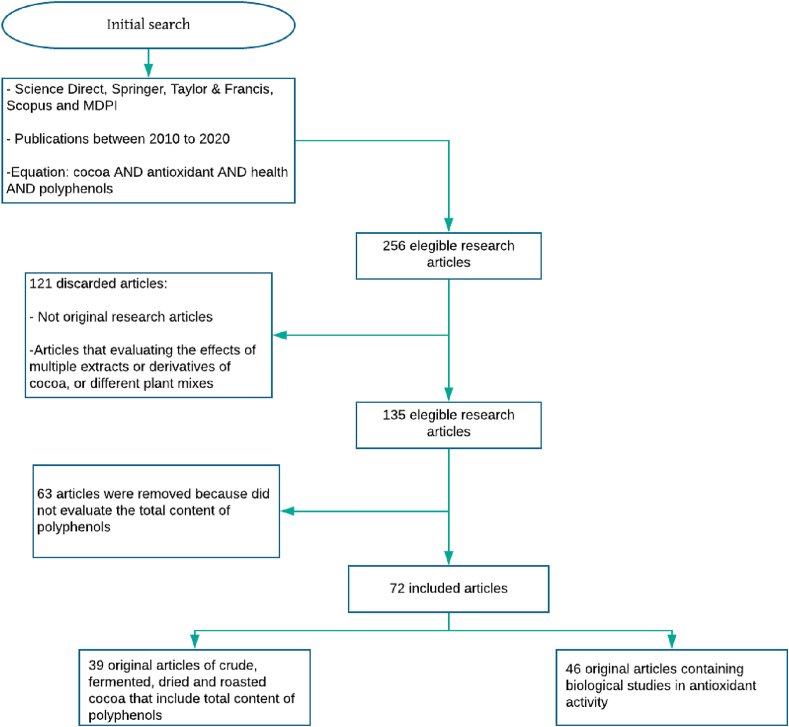
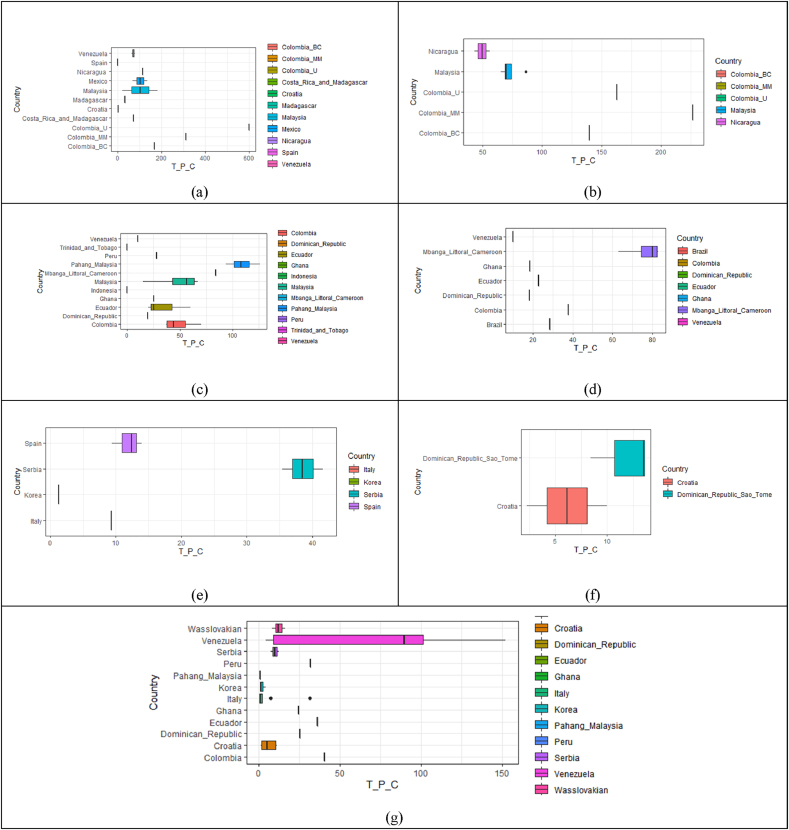
Noncommunicable diseases, the leading cause of mortality around the world, are responsible for approximately 75% of premature adult deaths (ages 30-69). To tackle this issue, a healthy diet based on functional foods, including cocoa and its derivatives, has been increasingly promoted. The polyphenols present in cocoa have been of interest due to their antioxidant potential and their possible protective role in the context of noncommunicable diseases, such as diabetes and cardiovascular conditions. However, during cocoa postharvest and industrialization, the concentration of these bioactive compounds is reduced, possibly affecting their health-promoting properties. Therefore, this paper reviews in the literature in this field to find the total polyphenol content in cocoa during the postharvest and industrialization processes in order to define concentration ranges as a reference point for future research. In addition, it discusses in vitro and in vivo studies into the biological antioxidant potential of cocoa and its derivatives. This review covers publications in indexed databases from 2010 to 2020, their data were processed and presented here using box plots. As a result, we identified the concentration ranges of polyphenols depending on the type of matrix, treatment and country, as well as their relationship with the main bioactive compounds present in cocoa that are associated with their possible antioxidant biological potential and health-related benefits.
Keywords: Biological antioxidant potential; Chocolate; Cocoa industrialization; Cocoa postharvest; Noncommunicable diseases; Polyphenols; Theobroma cacao L..
© 2021 The Authors.
Conflict of interest statement
The authors declare no conflict of interest.
Figures
References
-
- World Health Organization . 2018. Noncommunicable Diseases Country Profiles 2018, Geneva.
-
- Wootton-Beard P.C., Ryan L. Improving public health?: the role of antioxidant-rich fruit and vegetable beverages. Food Res. Int. 2011;44:3135–3148.
-
- Martín M.A., Ramos S. Cocoa polyphenols in oxidative stress : potential health implications. J. Funct. Foods. 2016;27:570–588.
Publication types
LinkOut - more resources
Full Text Sources
Research Materials
