


The combined effect of lifestyle intervention and antioxidant therapy on sperm DNA fragmentation and seminal oxidative stress in IVF patients: a pilot study
- PMID: 34472769
- PMCID: PMC8691235
- DOI: 10.1590/S1677-5538.IBJU.2021.0604
The combined effect of lifestyle intervention and antioxidant therapy on sperm DNA fragmentation and seminal oxidative stress in IVF patients: a pilot study
Abstract
Purpose: Sperm DNA fragmentation (SDF) and seminal oxidative stress are emerging measurable factors in male factor infertility, which interventions could potentially reduce. We evaluated (i) the impact of lifestyle changes combined with oral antioxidant intake on sperm DNA fragmentation index (DFI) and static oxidation-reduction potential (sORP), and (ii) the correlation between DFI and sORP.
Materials and methods: We conducted a prospective study involving 93 infertile males with a history of failed IVF/ICSI. Ten healthy male volunteers served as controls. Semen analysis was carried out according to 2010 WHO manual, whereas seminal sORP was measured using the MiOXSYS platform. SDF was assessed by sperm chromatin structure assay. Participants with DFI >15% underwent a three-month lifestyle intervention program, primarily based on diet and exercise, combined with oral antioxidant therapy using multivitamins, coenzyme Q10, omega-3, and oligo-elements. We assessed changes in semen parameters, DFI, and sORP, and compared DFI results to those of volunteers obtained two weeks apart. Spearman rank correlation tests were computed for sORP and DFI results.
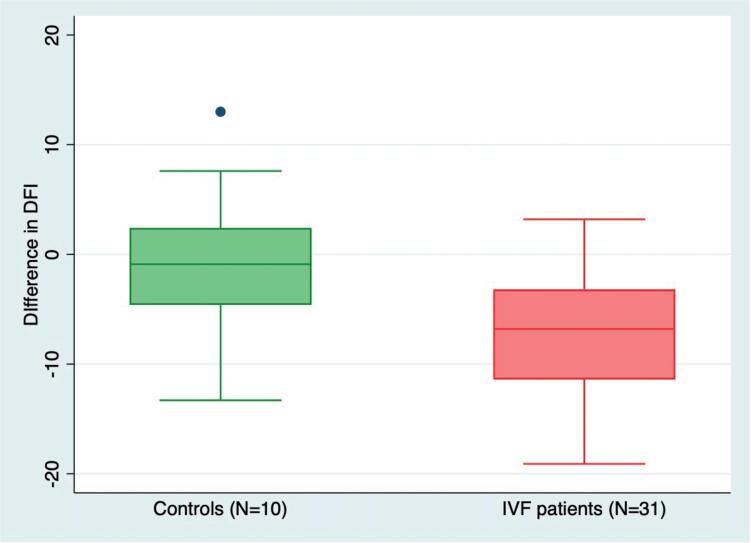
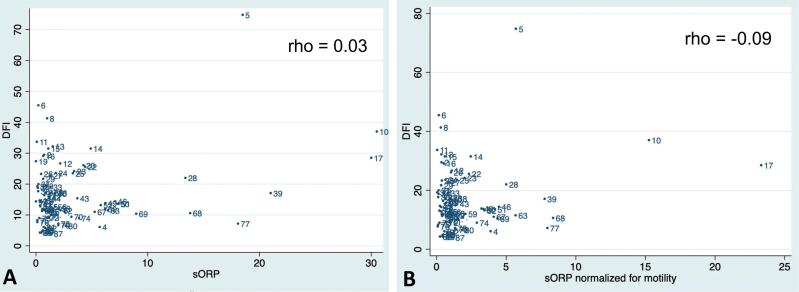
Results: Thirty-eight (40.8%) patients had DFI >15%, of whom 31 participated in the intervention program. A significant decrease in median DFI from 25.8% to 18.0% was seen after the intervention (P <0.0001). The mean DFI decrease was 7.2% (95% CI: 4.8-9.5%; P <0.0001), whereas it was 0.42% (95%CI; -4.8 to 5.6%) in volunteers (P <0.00001). No differences were observed in sperm parameters and sORP. Based on paired sORP and DFI data from 86 patients, no correlation was observed between sORP and DFI values (rho=0.03).
Conclusion: A 3-month lifestyle intervention program combined with antioxidant therapy reduced DFI in infertile men with elevated SDF and a history of failed IVF/ICSI. A personalized lifestyle and antioxidant intervention could improve fertility of subfertile couples through a reduction in DFI, albeit controlled trials evaluating reproductive outcomes are needed before firm conclusions can be made. Trial registration number and date: clinicaltrials.gov NCT03898752, April 2, 2019.
Keywords: DNA Fragmentation; Infertility; Reproductive Techniques, Assisted.
Copyright® by the International Brazilian Journal of Urology.
Conflict of interest statement
None declared.
Figures









References
-
- De Kretser DM, Baker HW. Infertility in men: recent advances and continuing controversies. J Clin Endocrinol Metab. 1999; 84:3443-50. - PubMed
-
- Bungum M, Humaidan P, Spano M, Jepson K, Bungum L, Giwercman A. The predictive value of sperm chromatin structure assay (SCSA) parameters for the outcome of intrauterine insemination, IVF and ICSI. Hum Reprod. 2004; 19:1401-8. - PubMed
Publication types
MeSH terms
Substances
Associated data
LinkOut - more resources
Full Text Sources
Medical
Miscellaneous
