


Investigating the Barrier Activity of Novel, Human Enhancer-Blocking Chromatin Insulators for Hematopoietic Stem Cell Gene Therapy
- PMID: 34477013
- PMCID: PMC9206477
- DOI: 10.1089/hum.2021.142
Investigating the Barrier Activity of Novel, Human Enhancer-Blocking Chromatin Insulators for Hematopoietic Stem Cell Gene Therapy
Abstract
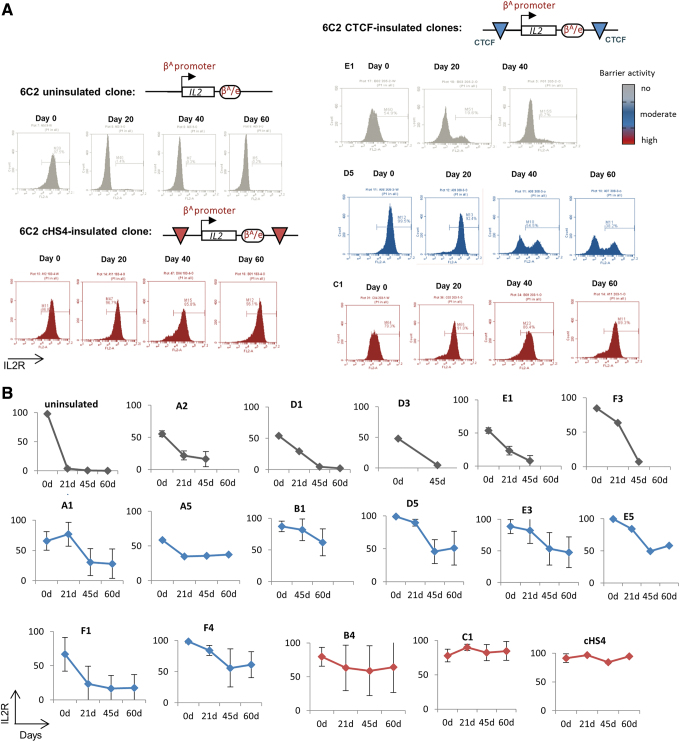
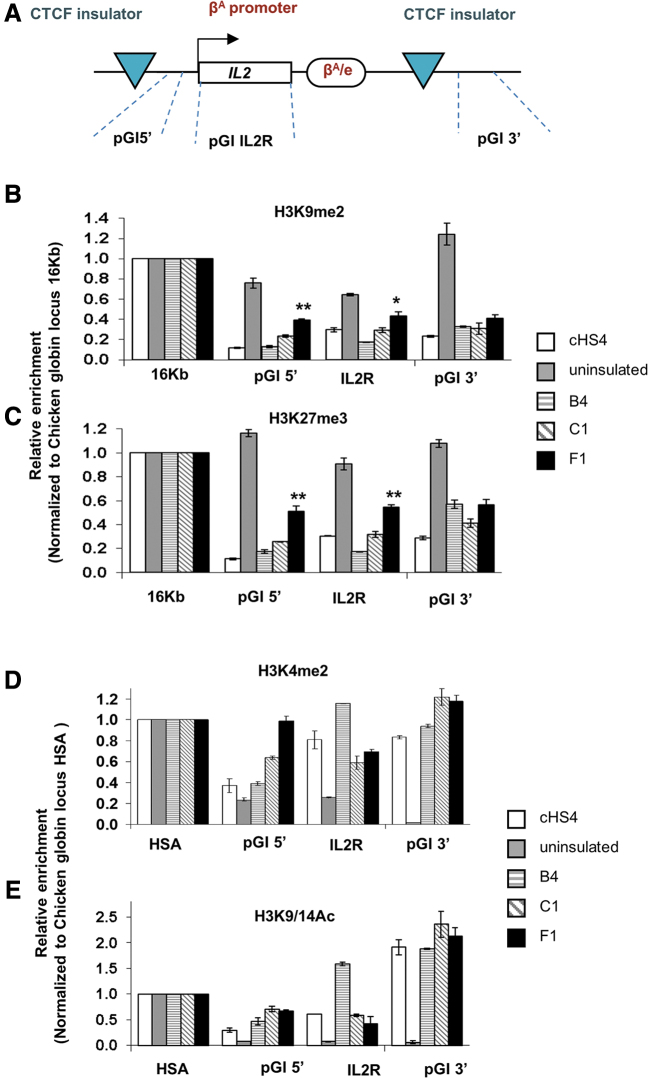
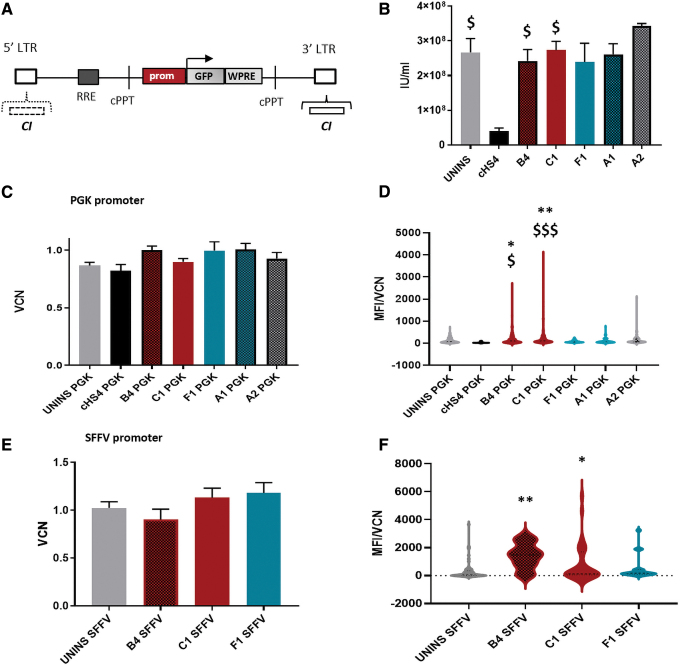
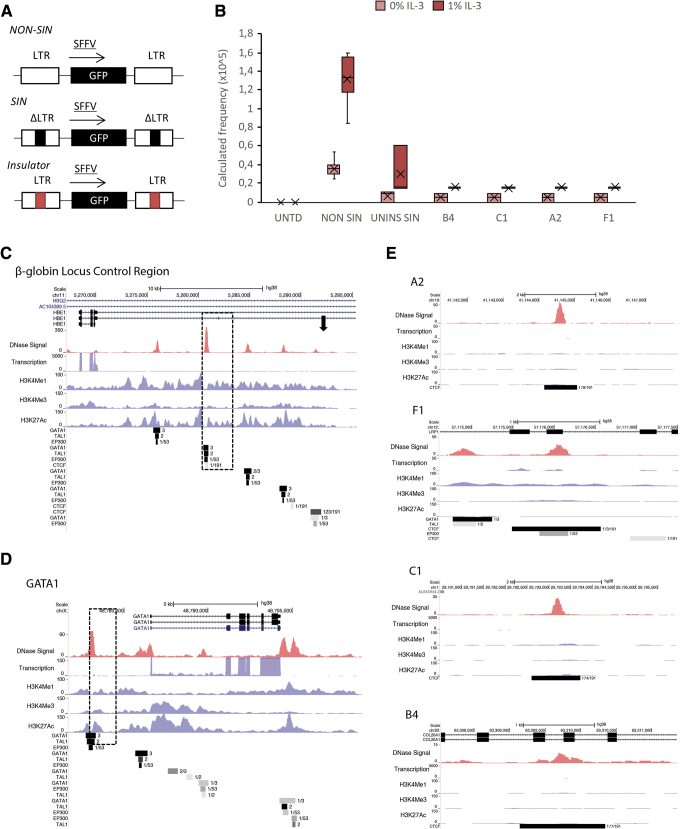
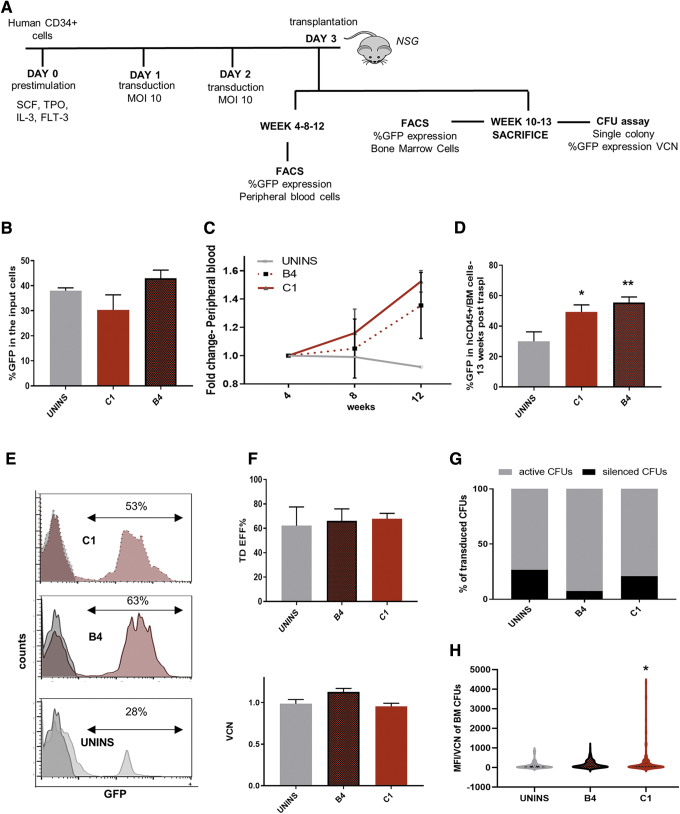
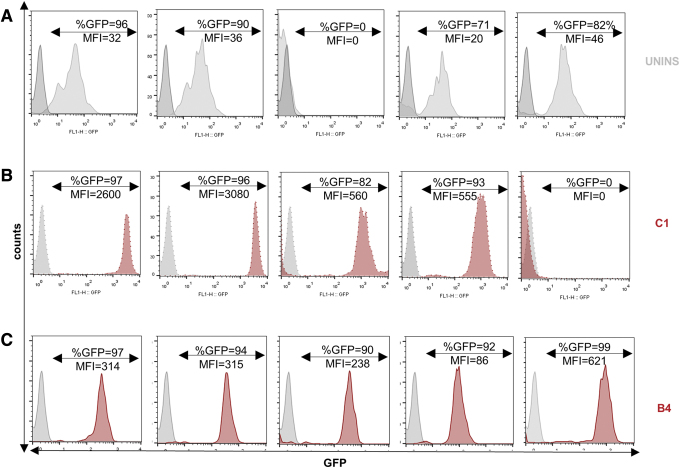
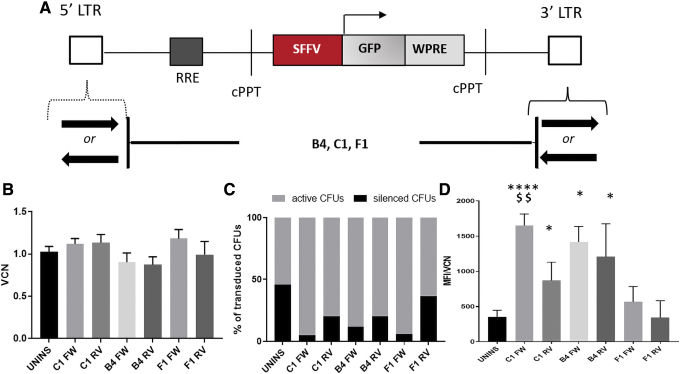
Despite the unequivocal success of hematopoietic stem and progenitor cell gene therapy, limitations still exist including genotoxicity and variegation/silencing of transgene expression. A class of DNA regulatory elements known as chromatin insulators (CIs) can mitigate both vector transcriptional silencing (barrier CIs) and vector-induced genotoxicity (enhancer-blocking CIs) and have been proposed as genetic modulators to minimize unwanted vector/genome interactions. Recently, a number of human, small-sized, and compact CIs bearing strong enhancer-blocking activity were identified. To ultimately uncover an ideal CI with a dual, enhancer-blocking and barrier activity, we interrogated these elements in vitro and in vivo. After initial screening of a series of these enhancer-blocking insulators for potential barrier activity, we identified three distinct categories with no, partial, or full protection against transgene silencing. Subsequently, the two CIs with full barrier activity (B4 and C1) were tested for their ability to protect against position effects in primary cells, after incorporation into lentiviral vectors (LVs) and transduction of human CD34+ cells. B4 and C1 did not adversely affect vector titers due to their small size, while they performed as strong barrier insulators in CD34+ cells, both in vitro and in vivo, shielding transgene's long-term expression, more robustly when placed in the forward orientation. Overall, the incorporation of these dual-functioning elements into therapeutic viral vectors will potentially provide a new generation of safer and more efficient LVs for all hematopoietic stem cell gene therapy applications.
Keywords: CTCF-binding site; barrier activity; chromatin insulator; gene therapy; hematopoietic stem cells.
Conflict of interest statement
The authors declare that they have no competing interests relevant to the subject matter of this article.
Figures
References
-
- Cavazzana-Calvo M, Hacein-Bey S, de Saint Basile G, et al. Gene therapy of human severe combined immunodeficiency (SCID)-X1 disease. Science 2000;288:669–672. - PubMed
-
- Wu X, Li Y, Crise B, et al. Transcription start regions in the human genome are favored targets for MLV integration. Science 2003;300:1749–1751. - PubMed
-
- Schröder ARW, Shinn P, Chen H, et al. HIV-1 integration in the human genome favors active genes and local hotspots. Cell 2002;110:521–529. - PubMed
Publication types
MeSH terms
Substances
Grants and funding
LinkOut - more resources
Full Text Sources
Research Materials
