Review
. 2021 Sep 2;184(18):4597-4611.
doi: 10.1016/j.cell.2021.08.005.

Organs-on-a-chip models for biological research

Affiliations
Review

Organs-on-a-chip models for biological research

Gordana Vunjak-Novakovic et al. Cell. .

Abstract

We explore the utility of bioengineered human tissues-individually or connected into physiological units-for biological research. While much smaller and simpler than their native counterparts, these tissues are complex enough to approximate distinct tissue phenotypes: molecular, structural, and functional. Unlike organoids, which form spontaneously and recapitulate development, "organs-on-a-chip" are engineered to display some specific functions of whole organs. Looking back, we discuss the key developments of this emerging technology. Thinking forward, we focus on the challenges faced to fully establish, validate, and utilize the fidelity of these models for biological research.


Conflict of interest statement

Declaration of interests G.V.-N., K.R.-B., and M.R. are co-founders and equity holders of TARA Biosystems that uses Biowire II platform for commercial drug testing. M.R. and G.V.-N. receive consulting fees and royalty from TARA Biosystems.

Figures
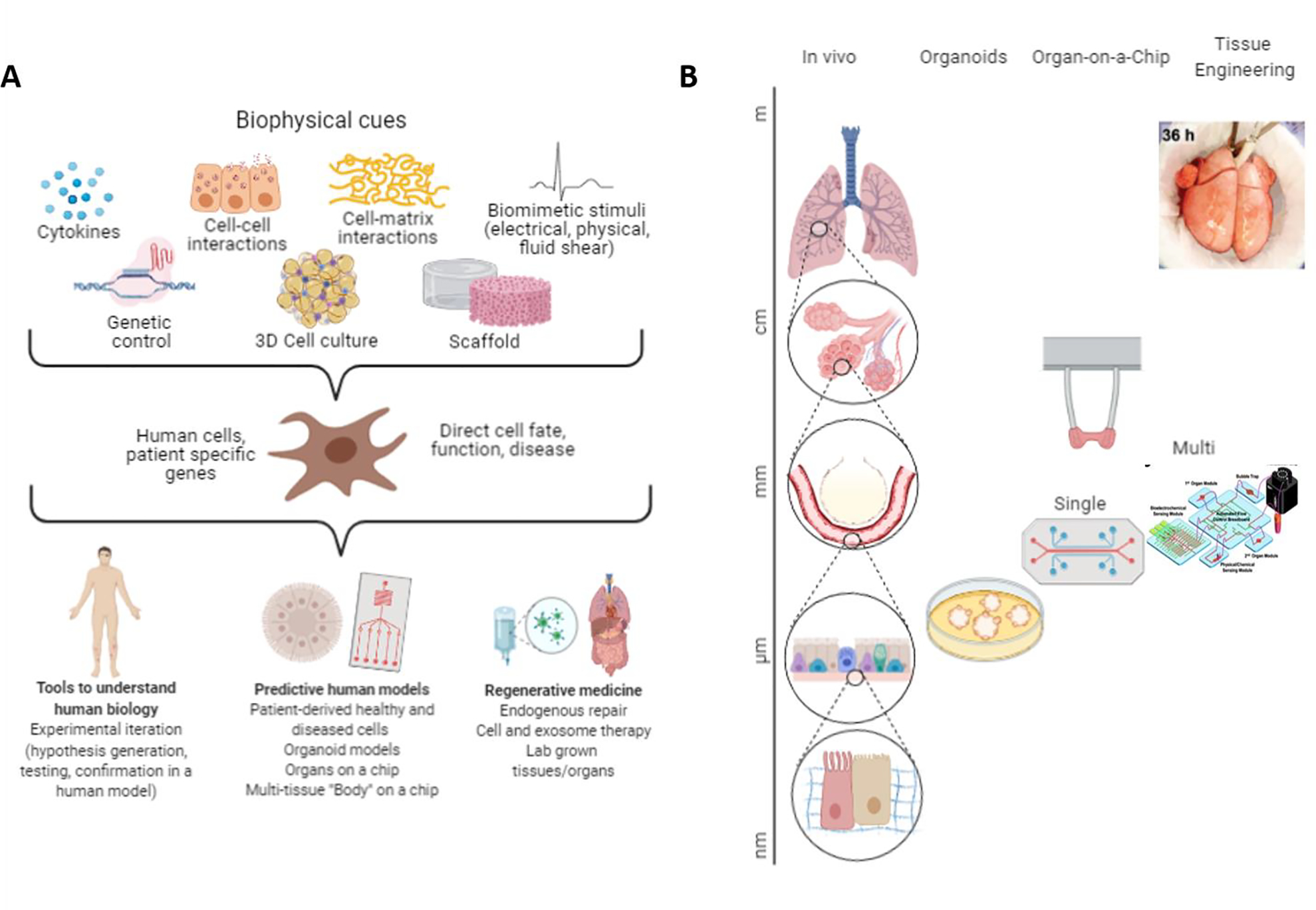
Figure 1.
Figure 1.. Cell microenvironment in organ-on-a-chip (OOC) engineering.
A OOCs rely on the use of cells, biomaterials and culture systems (bioreactors) to recreate environments to reproduce key functional properties of the tissue or organ of interest. B Living cell-made structures in OOC devices are on the order of μm-mm in size, similar to organoids, whereas regenerative engineering recreates structures on the order of mm-cm.
Figure 2.
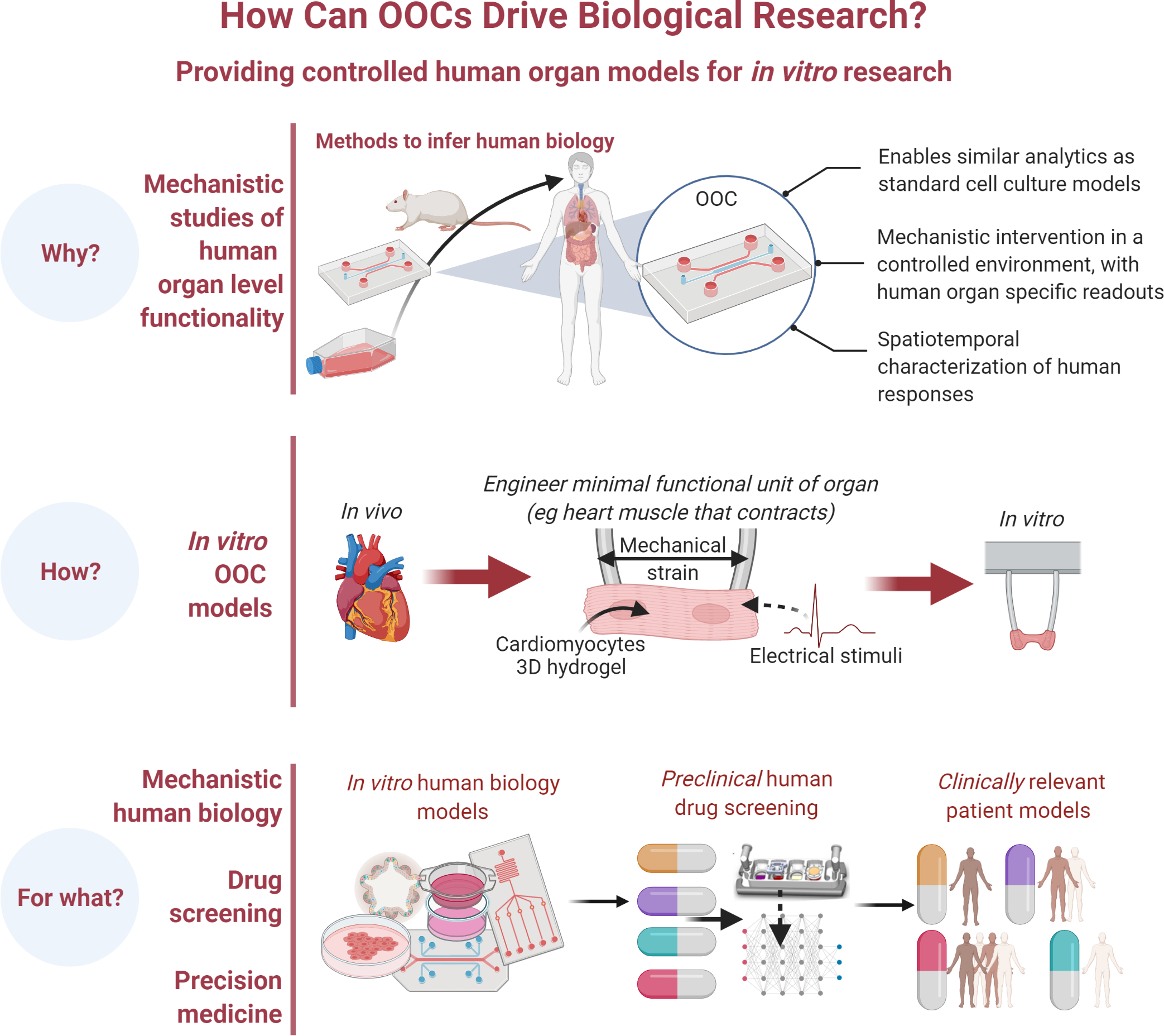
Figure 2.. Organ-on-a-chip (OOC) devices drive biological research.
OOC devices uniquely enable studies of human organ-level functionality using standard methods validated in 2D and animal studies through systems aimed at reproducing a single organ or multiple organs. They are already used in human disease modelling, drug screening and precision medicine.
Figure 3.
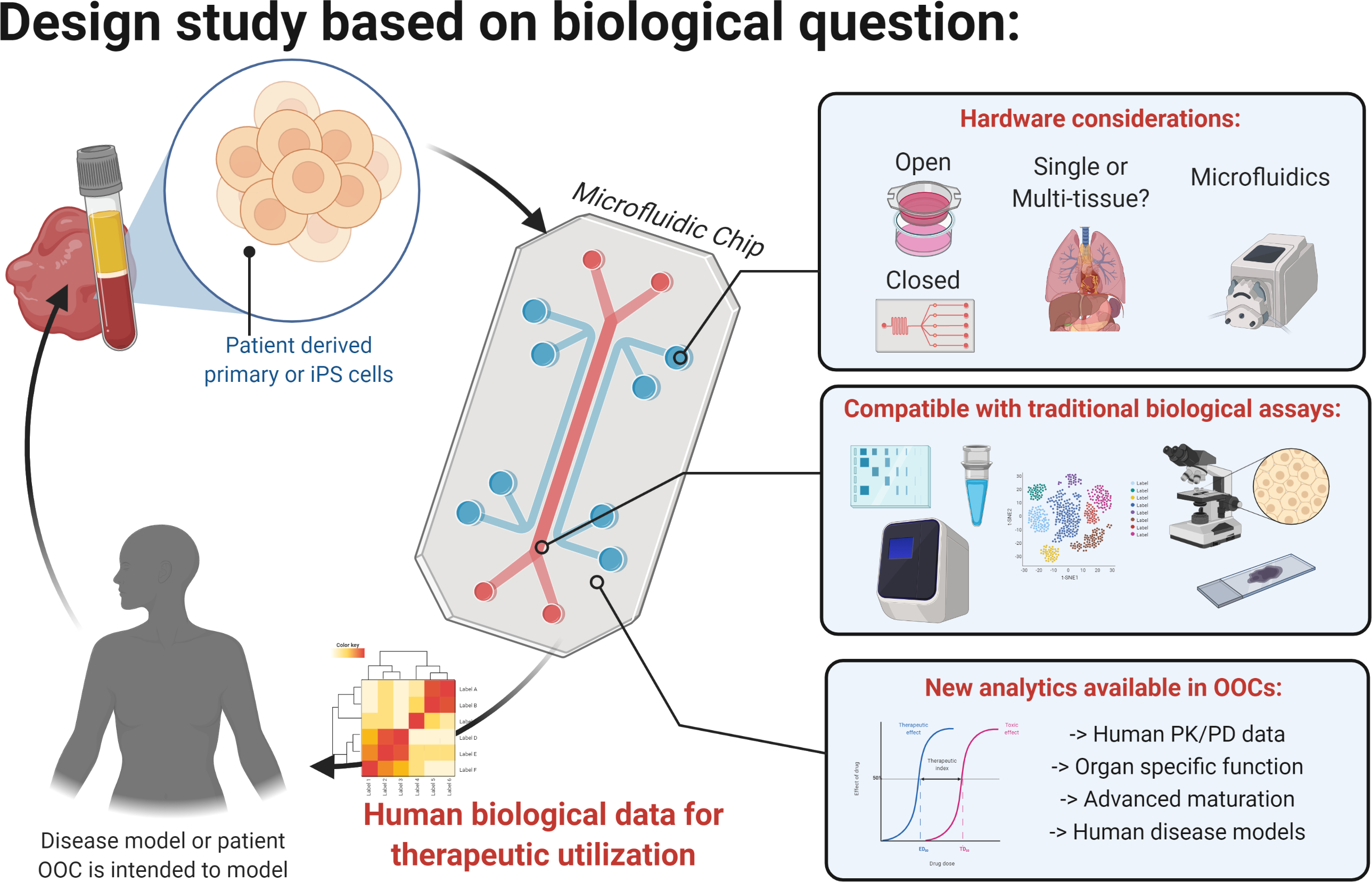
Figure 3.. Biological question drives design considerations.
The configuration of OOC can be selected depending on the biological question studied, among the open or closed, single or multi-organ OOCs, with gravity or pump driven flow. OOCs are compatible with traditional assays such as immunofluorescence, - omics, or the use of ion or membrane and calcium dyes. They enable cell maturation, not routinely possible in 2D culture, and the tissue specific readouts such as contraction force, barrier function, and impulse propagation.
Figure 4.
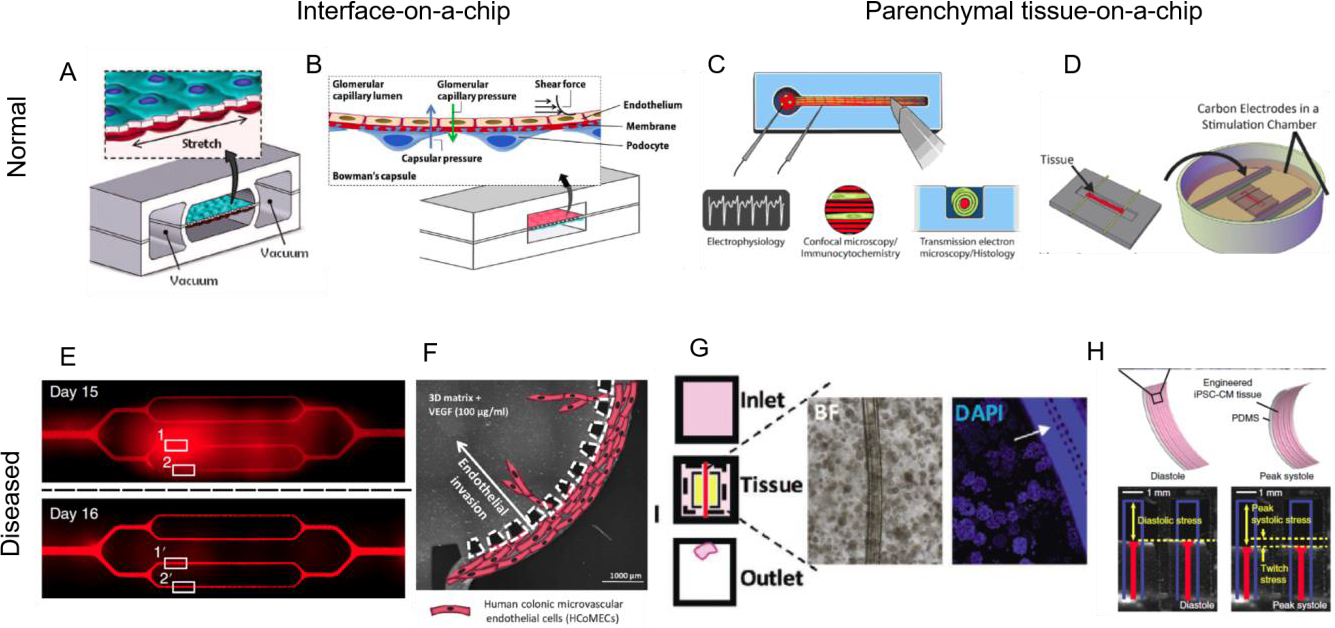
Figure 4.. Representative examples of single OOCs for studies of organ functions.
In the category of interface on-a-chip devices, A lung-on-a-chip device recreates epithelial/endothelial barrier function, reproduced with permission from (Huh et al., 2010). B Glomerulus-on-a-chip recreates podocyte/endothelial barrier function, reproduced with permission from (Zhou et al., 2016). C In the category of parenchymal tissue devices peripheral nerve-on-a-chip can be used to study electrophysiological properties due to drug toxicity, reproduced with permission from (Sharma et al., 2019a). D Biowire II platform established functional hallmarks of human ventricular and atrial myocardium, reproduced with permission from (Zhao et al., 2019). Interface on-a-chip devices can be used to study increases in permeability due to disease: E sickle cell occlusion of vasculature-on-a-chip, reproduced with permission from (Qiu et al., 2017) or F endothelial invasion in colorectal tumor, reproduced with permission from (Carvalho et al., 2019b). Parenchymal tissue-on-a-chip devices can be used to recreate G pancreatic cancer microenvironment, reproduced with permission from (Lai et al., 2020a). H cardiomyopathy of a genetic disease, Barth syndrome, reproduced with permission from (Wang et al., 2014).
Figure 5.
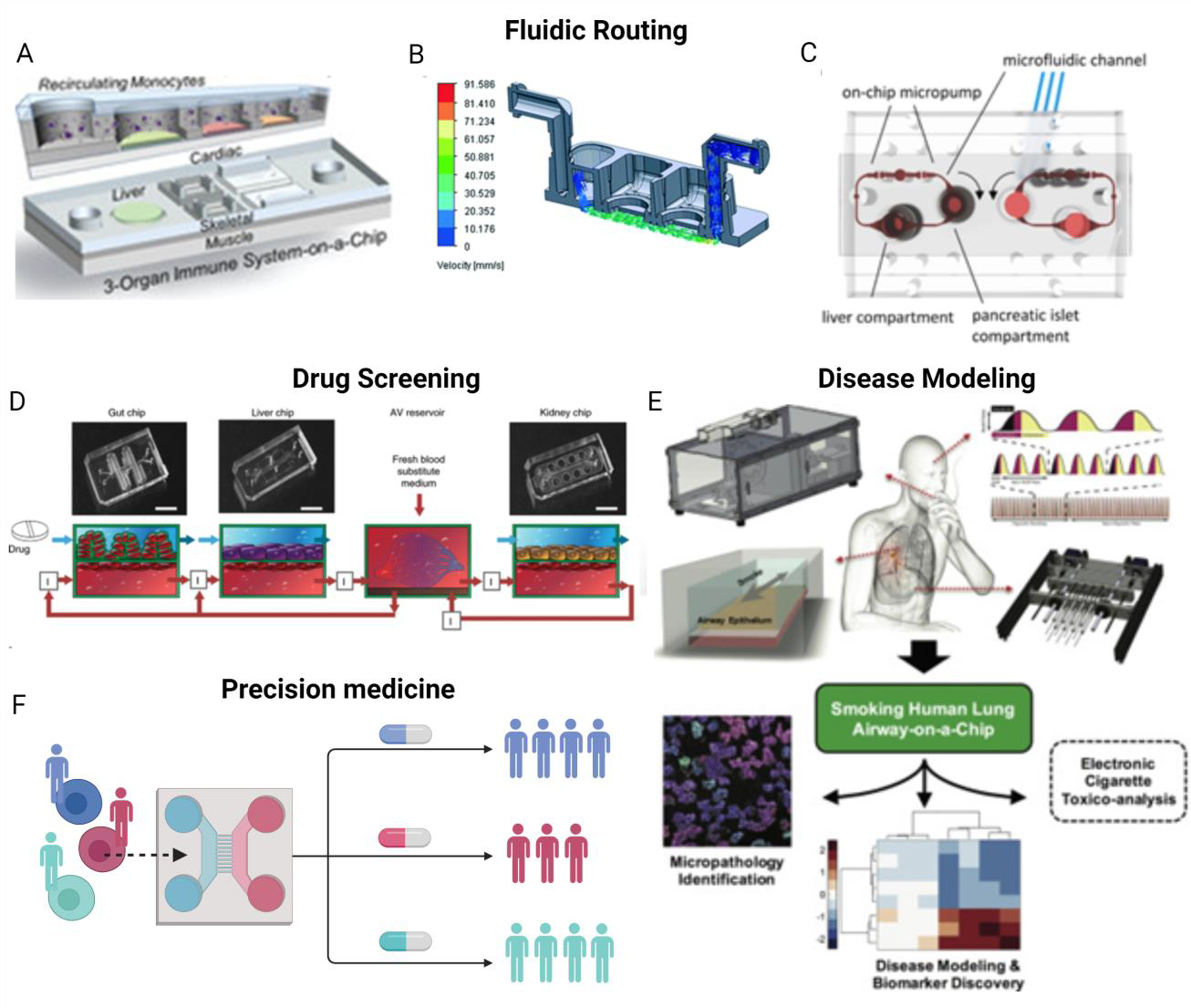
Figure 5.. Representative examples of multi organ-on-a-chip devices and their utility.
Single OOCs can be connected by fluidic routing to facilitate inter-organ communication via A recirculating shared media perfused above cells, reproduced with permission from (Sasserath et al., 2020), B pump-driven recirculation below engineered tissues, reproduced with permission from (Chramiec et al., 2020), and C on-chip micropumps, reproduced with permission from (Bauer et al., 2017). These multi OOC devices can be used for D human drug screening, reproduced with permission from (Herland et al., 2020), E disease modeling, reproduced with permission from (Benam et al., 2016), and F precision medicine approaches.

References

    1. Abaci HE, Coffman A, Doucet Y, Chen J, Jackow J, Wang E, Guo Z, Shin JU, Jahoda CA, and Christiano AM (2018). Tissue engineering of human hair follicles using a biomimetic developmental approach. Nature communications 9, 5301. - PMC - PubMed
    1. Achberger K, Probst C, Haderspeck J, Bolz S, Rogal J, Chuchuy J, Nikolova M, Cora V, Antkowiak L, Haq W, et al. (2019). Merging organoid and organ-on-a-chip technology to generate complex multi-layer tissue models in a human retina-on-a-chip platform. eLife 8. - PMC - PubMed
    1. Afshar Bakooshli M, Lippmann ES, Mulcahy B, Iyer N, Nguyen CT, Tung K, Stewart BA, van den Dorpel H, Fuehrmann T, Shoichet M, et al. (2019). A 3D culture model of innervated human skeletal muscle enables studies of the adult neuromuscular junction. eLife 8. - PMC - PubMed
    1. Afshar ME, Abraha HY, Bakooshli MA, Davoudi S, Thavandiran N, Tung K, Ahn H, Ginsberg HJ, Zandstra PW, and Gilbert PM (2020). A 96-well culture platform enables longitudinal analyses of engineered human skeletal muscle microtissue strength. Scientific reports 10, 6918. - PMC - PubMed
    1. Aleman J, George SK, Herberg S, Devarasetty M, Porada CD, Skardal A, and Almeida-Porada G (2019). Deconstructed Microfluidic Bone Marrow On-A-Chip to Study Normal and Malignant Hemopoietic Cell–Niche Interactions. 15, 1902971. - PMC - PubMed

Publication types

LinkOut - more resources