Review
. 2021 Nov;32(11):862-874.
doi: 10.1016/j.tem.2021.08.003. Epub 2021 Sep 1.

FKBP51 and the molecular chaperoning of metabolism

Affiliations
Review

FKBP51 and the molecular chaperoning of metabolism

Kathryn B Smedlund et al. Trends Endocrinol Metab. 2021 Nov.

Abstract

The molecular chaperone FK506-binding protein 51 (FKBP51) is gaining attention as a meaningful biomarker of metabolic dysfunction. This review examines the emerging contributions of FKBP51 in adipogenesis and lipid metabolism, myogenesis and protein catabolism, and glucocorticoid-induced skin hypoplasia and dermal adipocytes. The FKBP51 signaling mechanisms that may explain these metabolic consequences are discussed. These mechanisms are diverse, with FKBP51 independently and directly regulating phosphorylation cascades and nuclear receptors. We provide a discussion of the newly developed compounds that antagonize FKBP51, which may offer therapeutic advantages for adiposity. These observations suggest we are only beginning to uncover the complex nature of FKBP51 and its molecular chaperoning of metabolism.

Keywords: AKT; FKBP4; FKBP5; adipose; diabetes; obesity.


Conflict of interest statement

Declaration of interests No interests are declared.

Figures
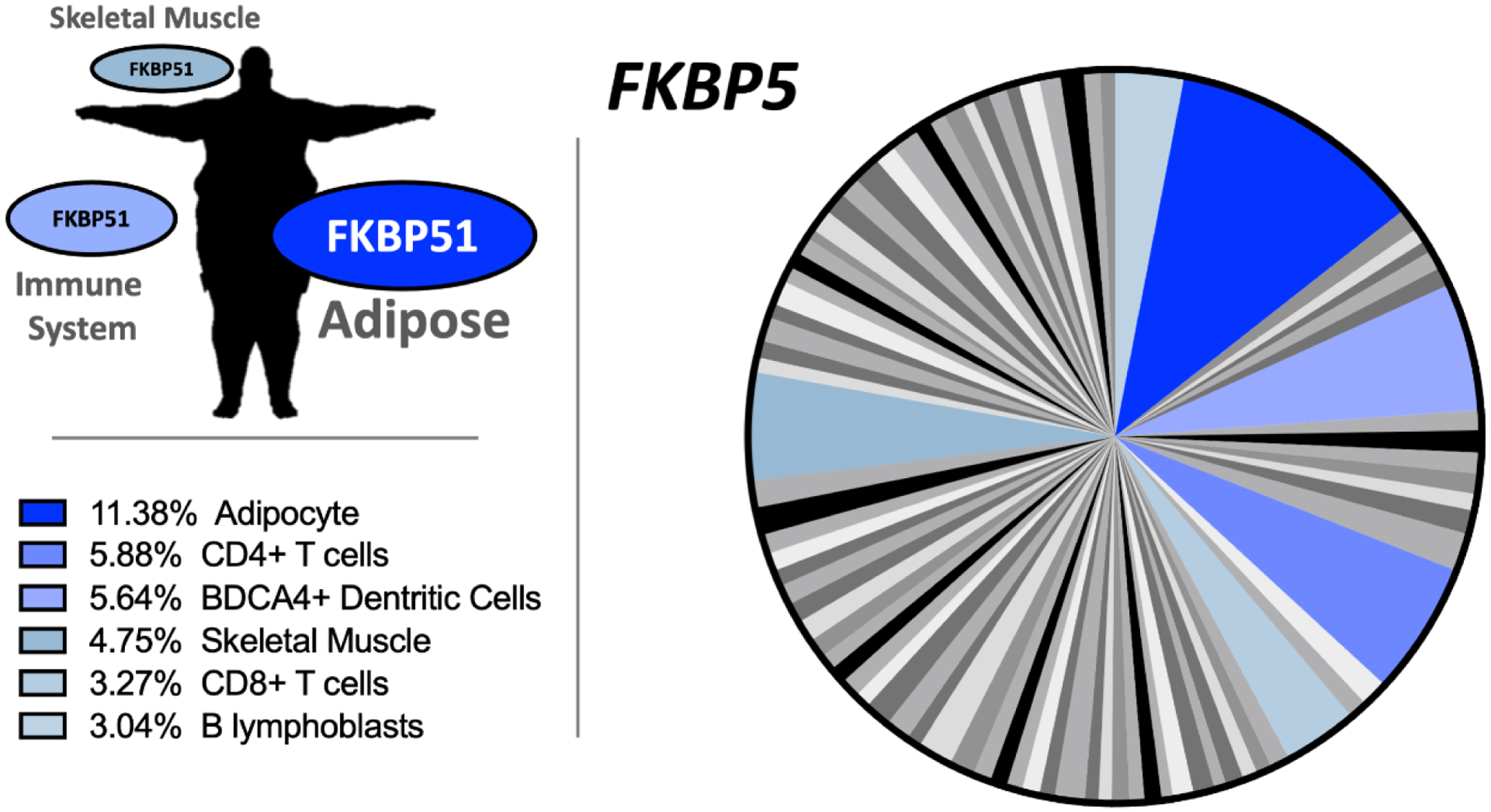
Figure 1.
Figure 1.. FKBP5 expression profile in humans.
The pie chart with white, gray, black, and blue labeling is a tissue array for FKPB5 expression in 84 human tissues, with blue indicating the highest levels. The color code for the pie chart and percentages are provided in the boxes to the bottom left. The expression of FKBP51 in human tissues is highest in adipose, immune cells, and skeletal muscle. High-throughput gene expression data was downloaded for FKBP5 in human tissues from http://biogps.org [84, 85].
Figure 2.
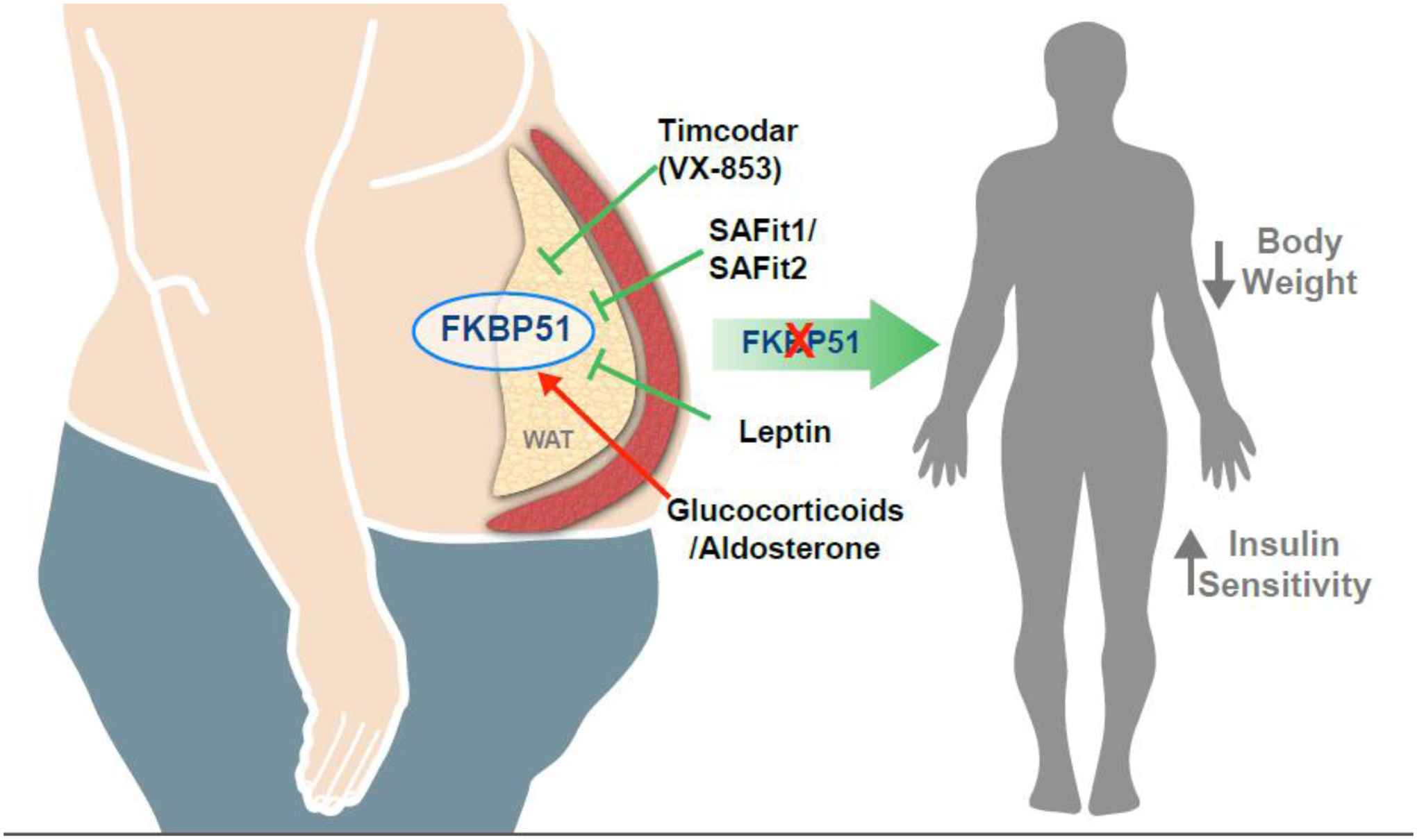
Figure 2.. Targeting of FKBP51 in humans to improve metabolic dysfunction.
White adipose tissue (WAT) has a high expression of FKBP51, which may occur from stress-related glucocorticoids, aldosterone, weight gain, or metabolic dysfunction. The FKBP51 protein can be inhibited by Timcodar (VX-853), SAFit1/SAFit2, and leptin, which might offer potential therapeutic avenues for metabolic dysfunction. Blockade of FKBP51 is known to reduce body weight and improve insulin sensitivity. The graphical illustration was developed by Matthew Hazzard at the University of Kentucky College of Medicine.
Figure 3.
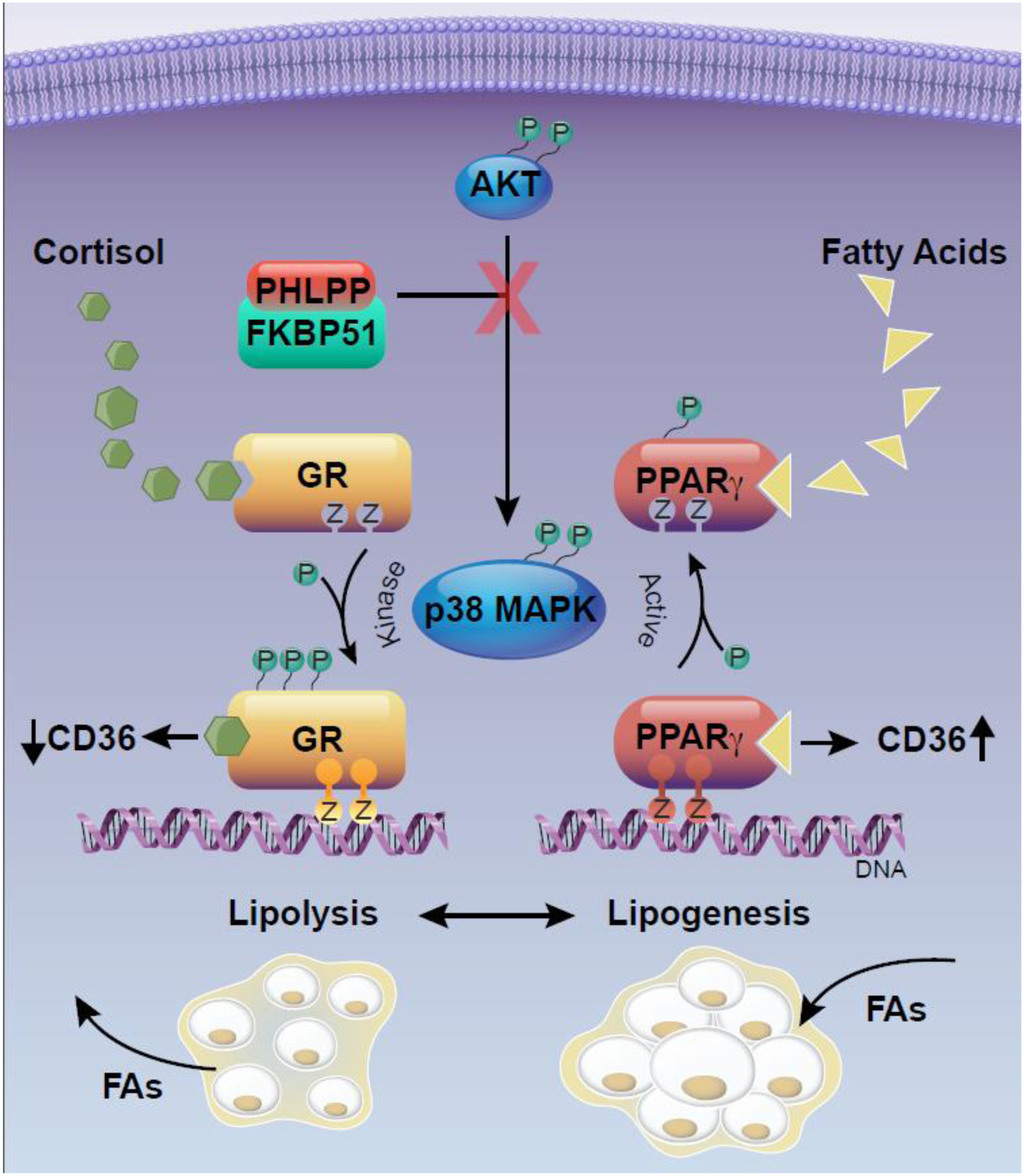
Figure 3.. FKBP51 signaling via nuclear receptors to control lipid metabolism in adipose.
FKBP51 interaction with PHLPP suppresses AKT phosphorylation preventing its kinase activity to phosphorylate p38. The FKBP51-PHLPP-AKT interaction indirectly reduces phosphorylation mediated by p38 on the glucocorticoid receptor (GR), inhibiting cortisol-induced gene activity. In turn, FKBP51-PHLPP-AKT reduces phosphorylation of PPARγ to stimulate fatty acid-induced transcriptional activity and induction of genes for adipogenesis and lipogenesis, such as the fatty acid importer, cluster of differentiation 36 (CD36). The graphical illustration was developed by Matthew Hazzard at the University of Kentucky College of Medicine.
None
None

References

    1. Sanchez ER, Chaperoning steroidal physiology: lessons from mouse genetic models of Hsp90 and its cochaperones. Biochim Biophys Acta, 2012. 1823(3): p. 722–9. - PMC - PubMed
    1. Zgajnar NR, et al., Biological Actions of the Hsp90-binding Immunophilins FKBP51 and FKBP52. Biomolecules, 2019. 9(2). - PMC - PubMed
    1. Hahle A, et al., The Many Faces of FKBP51. Biomolecules, 2019. 9(1). - PMC - PubMed
    1. Riggs DL, et al., Noncatalytic role of the FKBP52 peptidyl-prolyl isomerase domain in the regulation of steroid hormone signaling. Mol Cell Biol, 2007. 27(24): p. 8658–69. - PMC - PubMed
    1. Zannas AS, et al., Gene-Stress-Epigenetic Regulation of FKBP5: Clinical and Translational Implications. Neuropsychopharmacology, 2016. 41(1): p. 261–74. - PMC - PubMed

Publication types

MeSH terms