


Nonalcoholic steatohepatitis: global impact and clinical consequences
- PMID: 34486981
- PMCID: PMC8558888
- DOI: 10.1530/EC-21-0048
Nonalcoholic steatohepatitis: global impact and clinical consequences
Abstract
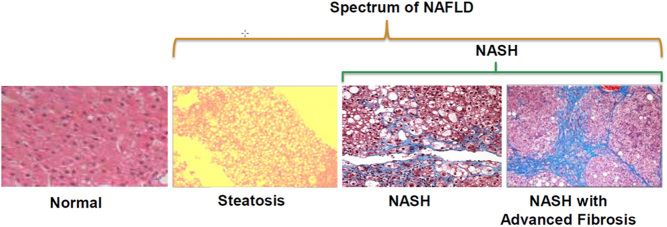
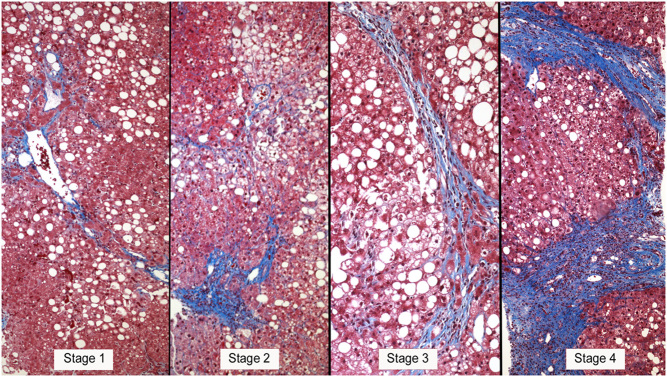
Nonalcoholic fatty liver disease (NAFLD) encompasses a spectrum of liver diseases ranging from simple fatty infiltration of liver parenchyma to the potentially progressive type of NAFLD called nonalcoholic steatohepatitis (NASH). Given the obesity epidemic, NAFLD and NASH have reached alarming levels globally. Recent data suggest that more than a quarter of the world population is affected by NAFLD; however, the disease prevalence is higher in certain patient population, that is, 55% prevalence rate among patients with type 2 diabetes (T2DM). Besides T2DM, NAFLD is also closely related to other metabolic abnormalities, such as visceral obesity, hypertension, and hyperlipidemia. It has been suggested that stage of liver fibrosis is the most important factor associated with mortality among patients with NAFLD. Additionally, patients with T2DM have increased risk of adverse outcomes. In addition to these metabolic abnormalities, older age and some genetic factors could pose additional risks. Patients with NAFLD and NASH have significantly impaired health-related quality of life than the general population. There is also a growing economical impact of NAFLD and NASH on healthcare systems around the globe. Despite a number of promising regimens as treatment options, healthy lifestyle modification with diet and exercise remains at the core of management of NAFLD and NASH.
Keywords: disease burden; epidemiology; nonalcoholic steatohepatitis; pathophysiology.
Figures
References
-
- Schaffner F, Thaler H. Nonalcoholic fatty liver disease. Progress in Liver Diseases 19868283–298. (available at: https://www.ncbi.nlm.nih.gov/pubmed/3086934) - PubMed
-
- Ludwig J, Viggiano TR, McGill DB, Oh BJ. Nonalcoholic steatohepatitis: Mayo Clinic experiences with a hitherto unnamed disease. Mayo Clinic Proceedings 198055434–438. (available at: https://www.ncbi.nlm.nih.gov/pubmed/7382552) - PubMed
Publication types
LinkOut - more resources
Full Text Sources
