. 2022 Jan:162:32-42.
doi: 10.1016/j.yjmcc.2021.08.013. Epub 2021 Sep 3.

In vivo deep network tracing reveals phosphofructokinase-mediated coordination of biosynthetic pathway activity in the myocardium

Affiliations

In vivo deep network tracing reveals phosphofructokinase-mediated coordination of biosynthetic pathway activity in the myocardium

Kyle L Fulghum et al. J Mol Cell Cardiol. 2022 Jan.

Abstract

Glucose metabolism comprises numerous amphibolic metabolites that provide precursors for not only the synthesis of cellular building blocks but also for ATP production. In this study, we tested how phosphofructokinase-1 (PFK1) activity controls the fate of glucose-derived carbon in murine hearts in vivo. PFK1 activity was regulated by cardiac-specific overexpression of kinase- or phosphatase-deficient 6-phosphofructo-2-kinase/fructose-2,6-bisphosphatase transgenes in mice (termed GlycoLo or GlycoHi mice, respectively). Dietary delivery of 13C6-glucose to these mice, followed by deep network metabolic tracing, revealed that low rates of PFK1 activity promote selective routing of glucose-derived carbon to the purine synthesis pathway to form 5-aminoimidazole-4-carboxamide ribonucleotide (AICAR). Consistent with a mechanism of physical channeling, we found multimeric protein complexes that contained phosphoribosylaminoimidazole carboxylase (PAICS)-an enzyme important for AICAR biosynthesis, as well as chaperone proteins such as Hsp90 and other metabolic enzymes. We also observed that PFK1 influenced glucose-derived carbon deposition in glycogen, but did not affect hexosamine biosynthetic pathway activity. These studies demonstrate the utility of deep network tracing to identify metabolic channeling and changes in biosynthetic pathway activity in the heart in vivo and present new potential mechanisms by which metabolic branchpoint reactions modulate biosynthetic pathways.

Keywords: Anabolism; Channeling; Glycolysis; Metabolomics; Metabolons; Stable isotope.


Conflict of interest statement

Declaration of Competing Interest

The authors declare no competing interests.

Figures
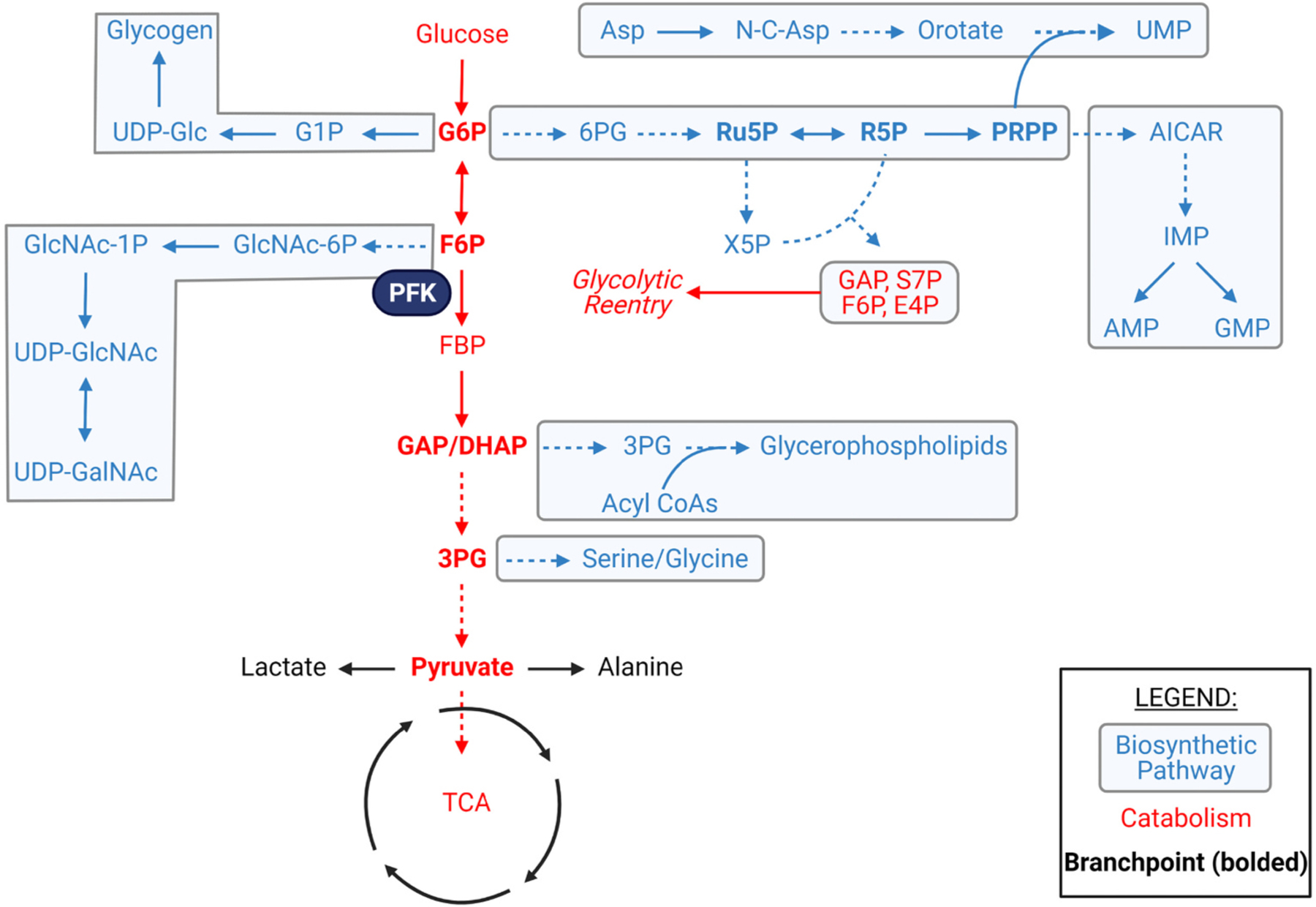
Fig. 1.
Fig. 1.
Glucose-derived amphibolic metabolites and biosynthetic pathway enrichment. Metabolic network map highlighting potential modes of glucose utilization and branchpoint intermediates (bolded) which could influence the balance between catabolism and anabolism within a cell. Asp = aspartate, UMP = uridine monophosphate, UDP = uridine diphosphate, Glc = glucose, G1P = glucose-1-phosphate, G6P = glucose-6-phosphate, 6PG = 6-phosphogluconate, Ru5P = ribulose-5-phosphate, R5P = ribose-5-phosphate, PRPP = phosphoribosyl pyrophosphate, AICAR = 5-aminoimidazole-4-carboxamide ribonucleotide, IMP = inosine monophosphate, GMP = guanosine monophosphate, AMP = adenosine monophosphate, F6P = fructose-6-phosphate, FBP = fructose-1,6-bisphosphate, PFK = phosphofructokinase, X5P = xylulose-5-phosphate, GAP = glyceraldehyde-3-phosphate, S7P = seduheptulose-7-phosphate, E4P = erythrose-4-phosphate, DHAP = dihydroxyacetone phosphate, 3PG = 3-phosphoglycerate, TCA = tricarboxylic acid cycle.
Fig. 2.
Fig. 2.
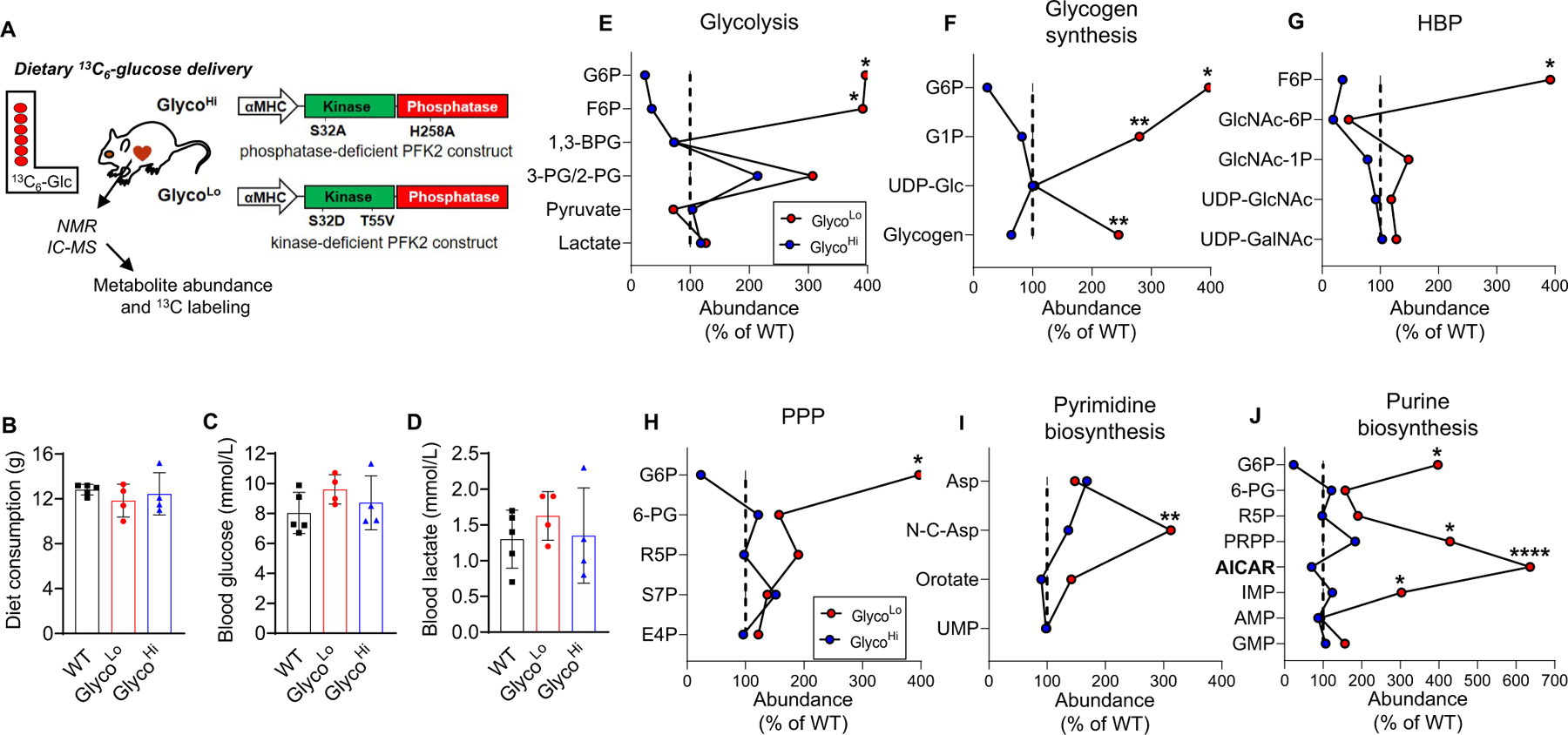
Effect of phosphofructokinase activity on the relative abundances of ancillary biosynthetic pathway metabolites. (A) Schematic of study design and transgenic mouse model. (B) Consumption of 13C6-glucose-containing liquid diet over the course of 18 h. (C) Circulating glucose levels after 18 h of liquid diet feeding. (D) Circulating lactate levels after 18 h of liquid diet feeding. (E–J) Crossover plots: Influence of cardiac phosphofructokinase activity on average relative abundances of metabolites in glycolysis, glycogen synthesis, the hexosamine biosynthetic pathway (HBP), the pentose phosphate pathway (PPP), and the pyrimidine and purine biosynthetic pathways. n = 4–5 hearts/group. *p < 0.05, **p < 0.01, ****p < 0.0001, one-way ANOVA with Tukey post-hoc test. Absolute abundances of each metabolite were used for statistical analysis.
Fig. 3.
Fig. 3.
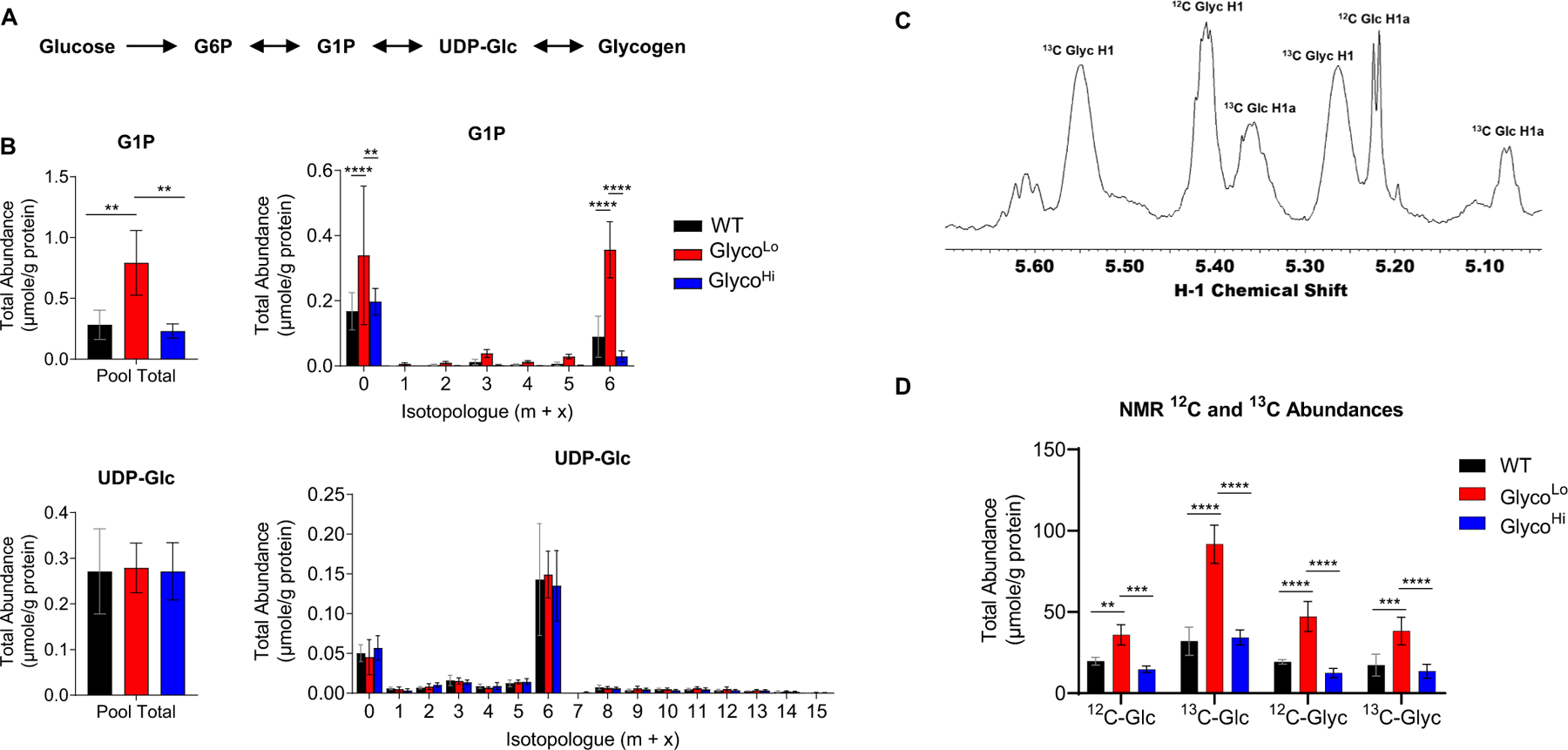
Low phosphofructokinase activity increases glycogen biosynthesis in the heart. (A) Schematic of glycogen biosynthesis pathway. (B) Pool totals and isotopologue abundances for glycogen intermediates. (C) Representative NMR trace for glucose (Glc) and glycogen (Glyc) in WT mouse heart. (D) Abundance of 12C- and 13C-labeled glucose (Glc) and glycogen (Glyc) in the heart. n = 4–5 hearts per group, **p < 0.01, ***p < 0.001, ****p < 0.0001, one-way (B) or two-way (D) ANOVA with Tukey’s multiple comparison test.
Fig. 4.
Fig. 4.
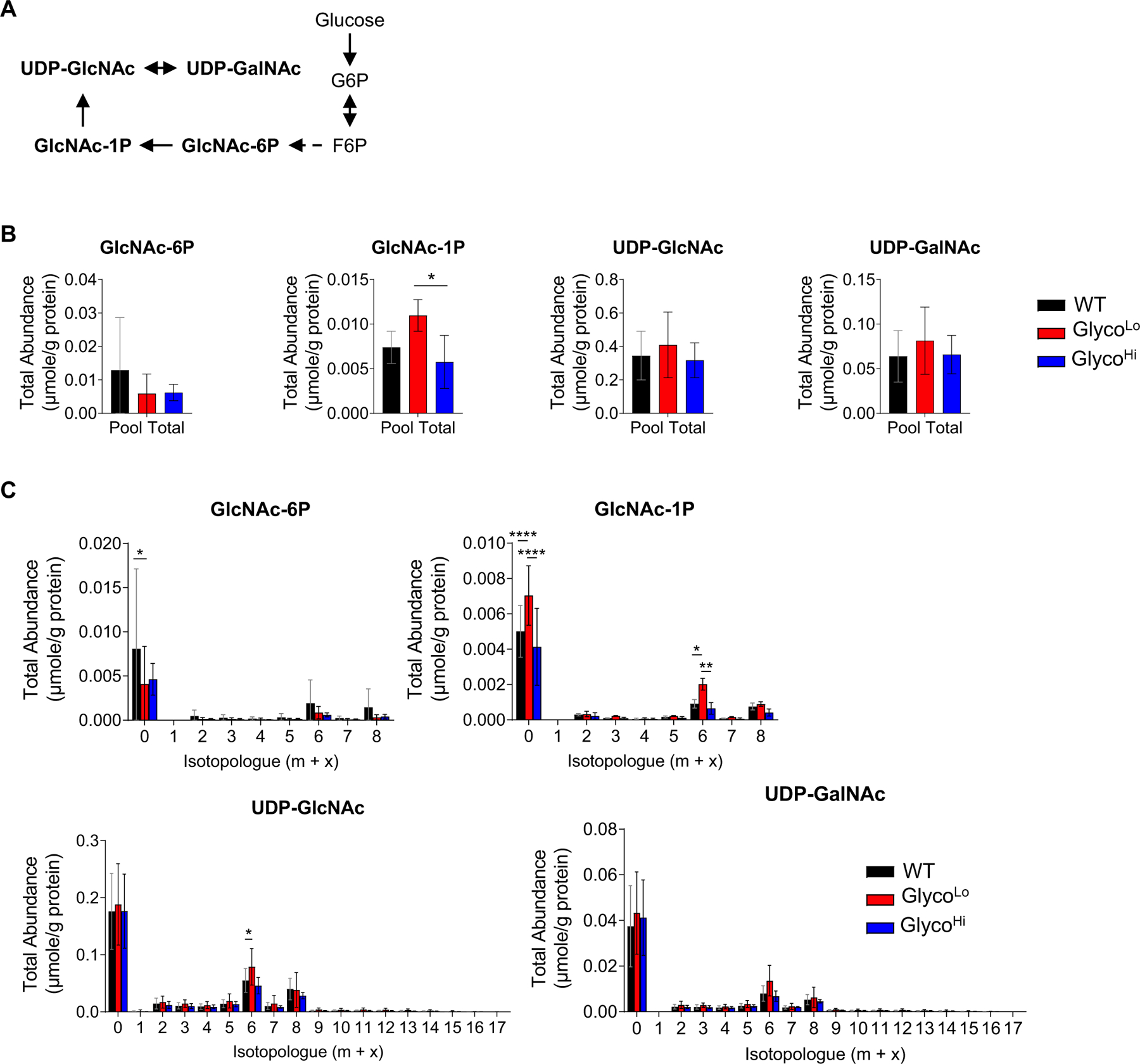
Phosphofructokinase has little effect on hexosamine biosynthetic pathway activity in the heart. (A) Schematic of hexosamine biosynthetic pathway. (B) Pool totals and (C) isotopologue abundances of hexosamine biosynthetic pathway intermediates in hearts of GlycoLo, GlycoHi, and WT hearts. *p < 0.05, **p < 0.01, ****p < 0.0001, (panel B) one-way ANOVA or (panel C) two-way ANOVA with Tukey’s multiple comparison test, n = 4–5 hearts per group.
Fig. 5.
Fig. 5.
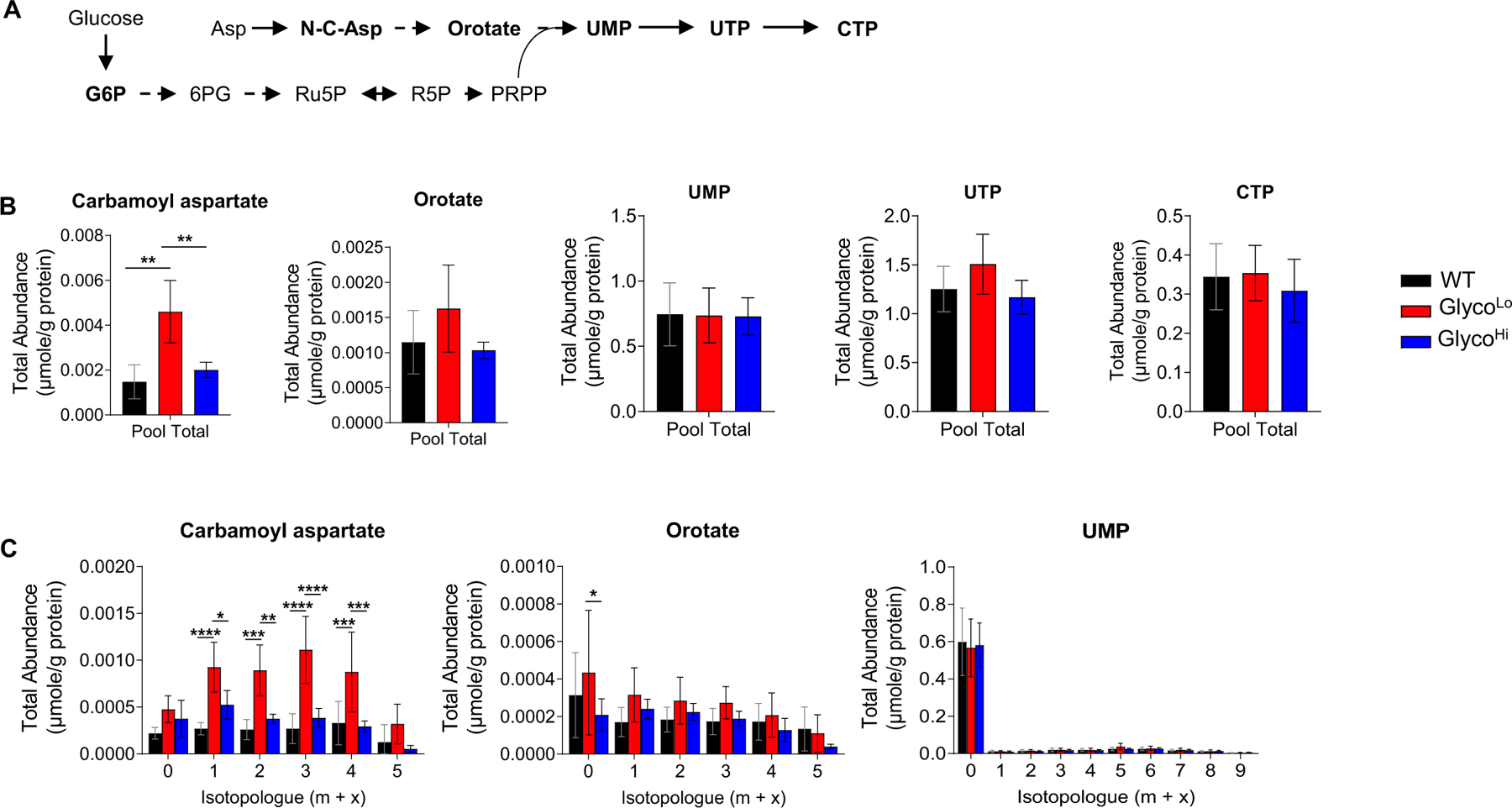
Influence of phosphofructokinase on pyrimidine biosynthesis in the heart. (A) Schematic of pyrimidine biosynthetic pathway. (B) Pool total and (C) isotopologue abundances of pyrimidine biosynthetic pathway metabolites in hearts of GlycoLo, WT, and GlycoHi mice. *p < 0.05, **p < 0.01, ***p < 0.001, ****p < 0.0001, (panel B) one-way ANOVA or (panel C) two-way ANOVA with Tukey’s multiple comparison test, n = 4–5 hearts per group.
Fig. 6.
Fig. 6.
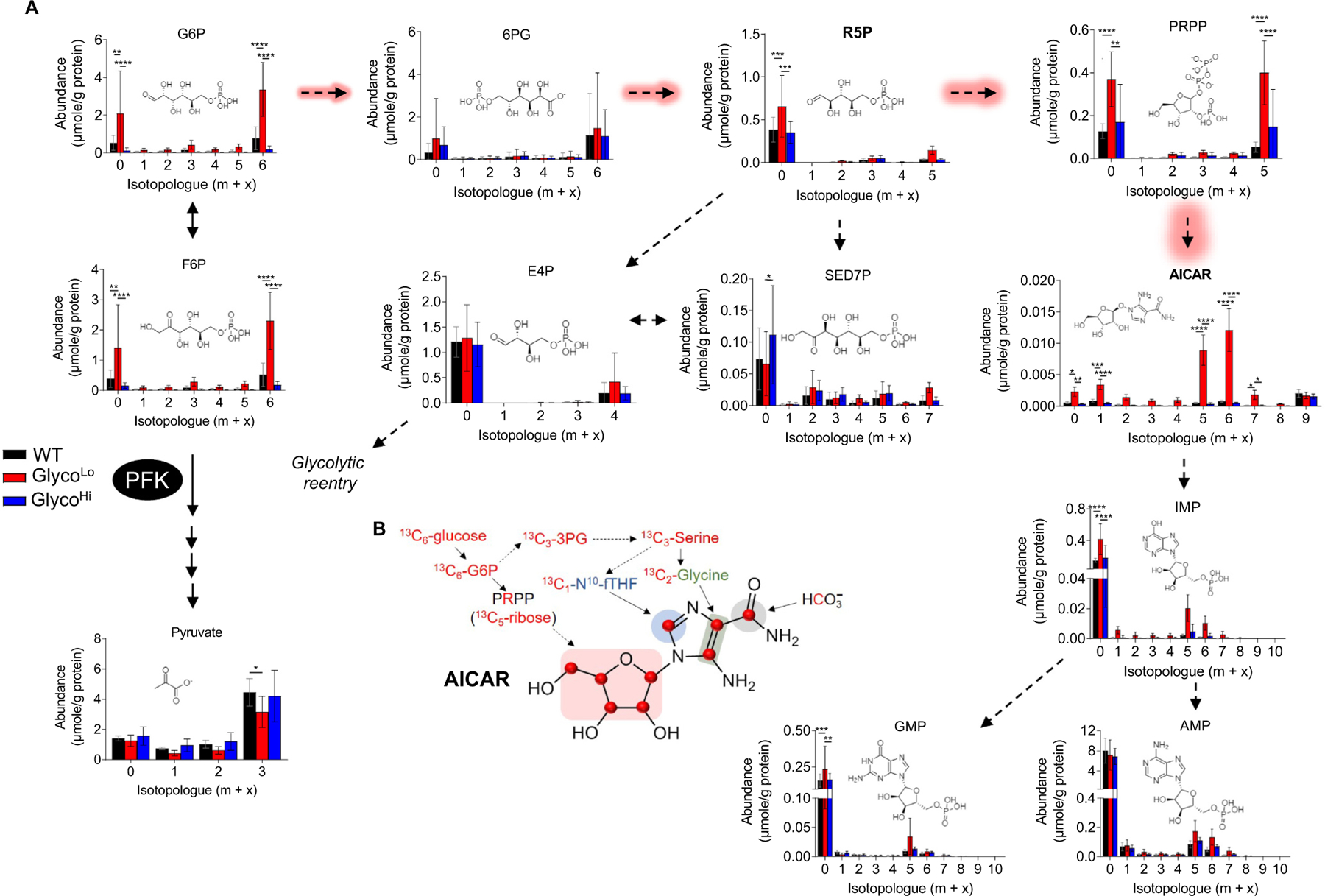
Low cardiac phosphofructokinase activity promotes channeling of glucose-derived carbon to form AICAR. (A) Metabolite isotopologue abundances for intermediates in the pentose phosphate and purine biosynthetic pathways in hearts of GlycoLo, WT, and GlycoHi mice. (B) Schematic of 13C6-glucose-derived carbon incorporation into AICAR biosynthesis. n = 4–5 hearts per group,*p < 0.05, **p < 0.01, ***p < 0.001, ****p < 0.0001, two-way ANOVA with Tukey’s multiple comparison test.
Fig. 7.
Fig. 7.
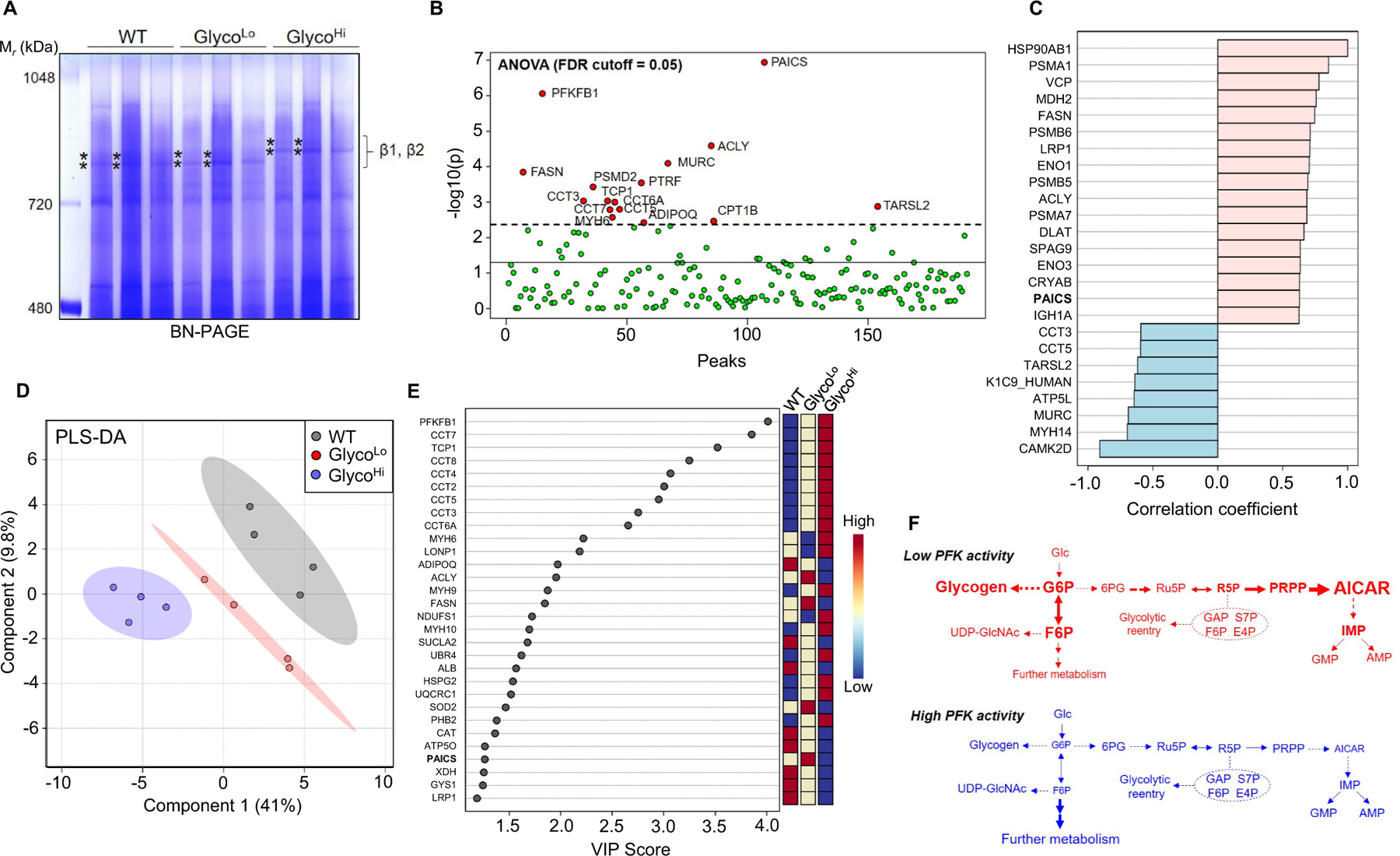
Phosphofructokinase coordinates metabolic complex assembly in the heart. (A) Blue Native (BN)-PAGE of cytosolic fractions from WT, GlycoLo, and GlycoHi hearts. Asterisks indicate bands of the β1 and β2 complexes that were excised for proteomic analyses. n = 3 hearts per group. (B) ANOVA analyses using iBAQ normalized protein abundances for β complex bands. n = 4 bands per genotype (2 hearts per group). (C) Correlation of protein abundances in the β complex with HSP90. (D) Partial least squares discriminant analysis (PLS-DA) of protein abundances in the β complex. (E) Variable importance in projection (VIP) scores showing the contribution of proteins in the β complexes to group separation in panel D. (F) Working model suggesting the role of phosphofructokinase in ancillary biosynthetic pathway activity in the heart.

References

    1. Cluntun AA, Badolia R, Lettlova S, Parnell KM, Shankar TS, Diakos NA, Olson KA, Taleb I, Tatum SM, Berg JA, Cunningham CN, Van Ry T, Bott AJ, Krokidi AT, Fogarty S, Skedros S, Swiatek WI, Yu X, Luo B, Merx S, Navankasattusas S, Cox JE, Ducker GS, Holland WL, McKellar SH, Rutter J, Drakos SG, The pyruvate-lactate axis modulates cardiac hypertrophy and heart failure, Cell Metab 33 (3) (2020) 629–648. - PMC - PubMed
    1. Dai C, Li Q, May HI, Li C, Zhang G, Sharma G, Sherry AD, Malloy CR, Khemtong C, Zhang Y, Deng Y, Gillette TG, Xu J, Scadden DT, Wang ZV, Lactate dehydrogenase a governs cardiac hypertrophic growth in response to hemodynamic stress, Cell Rep 32 (9) (2020) 108087. - PMC - PubMed
    1. Liu LX, Rowe GC, Yang S, Li J, Damilano F, Chan MC, Lu W, Jang C, Wada S, Morley M, Hesse M, Fleischmann BK, Rabinowitz JD, Das S, Rosenzweig A, Arany Z, PDK4 inhibits cardiac pyruvate oxidation in late pregnancy, Circ. Res 121 (12) (2017) 1370–1378. - PMC - PubMed
    1. Atherton HJ, Dodd MS, Heather LC, Schroeder MA, Griffin JL, Radda GK, Clarke K, Tyler DJ, Role of pyruvate dehydrogenase inhibition in the development of hypertrophy in the hyperthyroid rat heart: a combined magnetic resonance imaging and hyperpolarized magnetic resonance spectroscopy study, Circulation 123 (22) (2011) 2552–2561. - PMC - PubMed
    1. Bogh N, Hansen ESS, Omann C, Lindhardt J, Nielsen PM, Stephenson RS, Laustsen C, Hjortdal VE, Agger P, Increasing carbohydrate oxidation improves contractile reserves and prevents hypertrophy in porcine right heart failure, Sci. Rep 10 (1) (2020) 8158. - PMC - PubMed

Publication types