


Impact of Gut Microbiota and Microbiota-Related Metabolites on Hyperlipidemia
- PMID: 34490132
- PMCID: PMC8417472
- DOI: 10.3389/fcimb.2021.634780
Impact of Gut Microbiota and Microbiota-Related Metabolites on Hyperlipidemia
Abstract
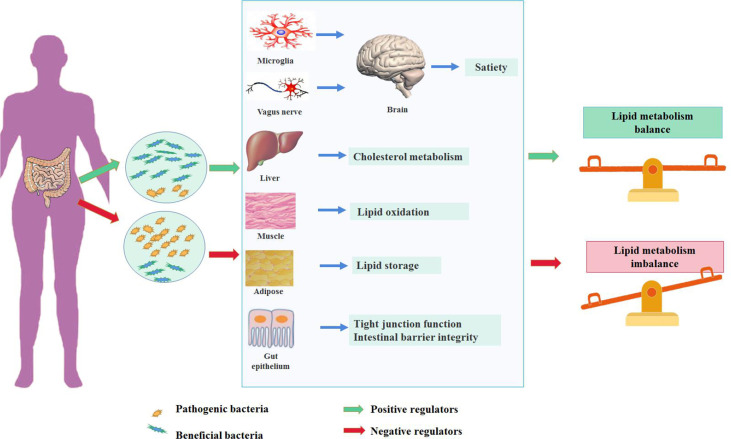
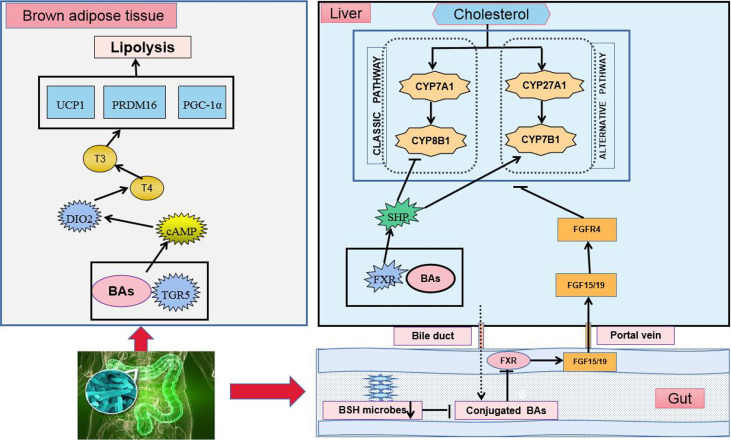
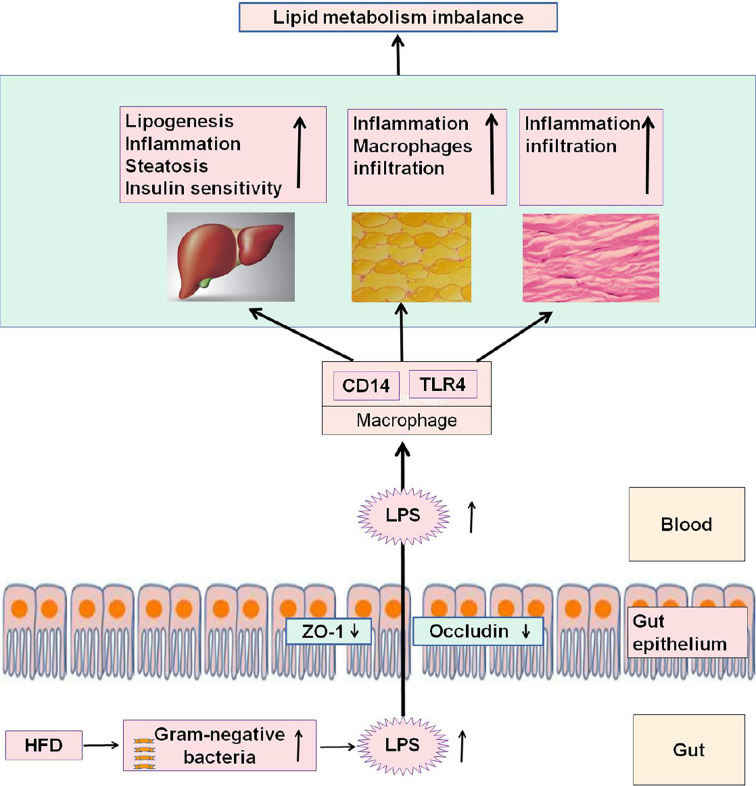
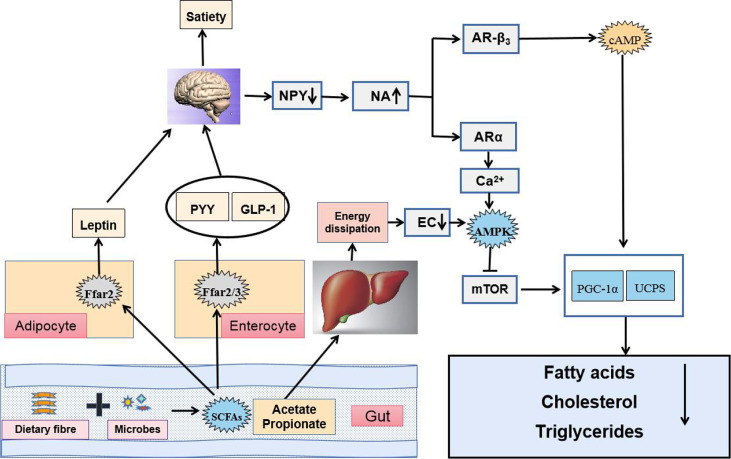
Hyperlipidemia, defined as the presence of excess fat or lipids in the blood, has been considered as a high-risk factor and key indicator of many metabolic diseases. The gut microbiota has been reported playing a vital role in regulating host lipid metabolism. The pathogenic role of gut microbiota in the development of hyperlipidemia has been revealed through fecal microbiota transplantation experiment to germ-free mice. The effector mechanism of microbiota-related metabolites such as bile acids, lipopolysaccharide, and short-chain fatty acids in the regulation of hyperlipidemia has been partially unveiled. Moreover, studies on gut-microbiota-targeted hyperlipidemia interventions, including the use of prebiotics, probiotics, fecal microbiota transplantation, and natural herbal medicines, also have shown their efficacy in the treatment of hyperlipidemia. In this review, we summarize the relationship between gut microbiota and hyperlipidemia, the impact of gut microbiota and microbiota-related metabolites on the development and progression of hyperlipidemia, and the potential therapeutic management of hyperlipidemia targeted at gut microbiota.
Keywords: BAs; LPS; SCFAs; gut microbiota; hyperlipidemia.
Copyright © 2021 Jia, Xu, Zhang, Li, Wang and Wu.
Conflict of interest statement
The authors declare that the research was conducted in the absence of any commercial or financial relationships that could be construed as a potential conflict of interest.
Figures
References
-
- Baigent C., Keech A., Kearney P. M., Blackwell L., Buck G., Pollicino C., et al. (2005). Efficacy and Safety of Cholesterol-Lowering Treatment: Prospective Meta-Analysis of Data From 90,056 Participants in 14 Randomised Trials of Statins. Lancet 366, 1267–1278. 10.1016/S0140-6736(05)67394-1 - DOI - PubMed
Publication types
MeSH terms
LinkOut - more resources
Full Text Sources
Medical
