


Activity-dependent regulation of mitochondrial motility in developing cortical dendrites
- PMID: 34491202
- PMCID: PMC8423438
- DOI: 10.7554/eLife.62091
Activity-dependent regulation of mitochondrial motility in developing cortical dendrites
Abstract
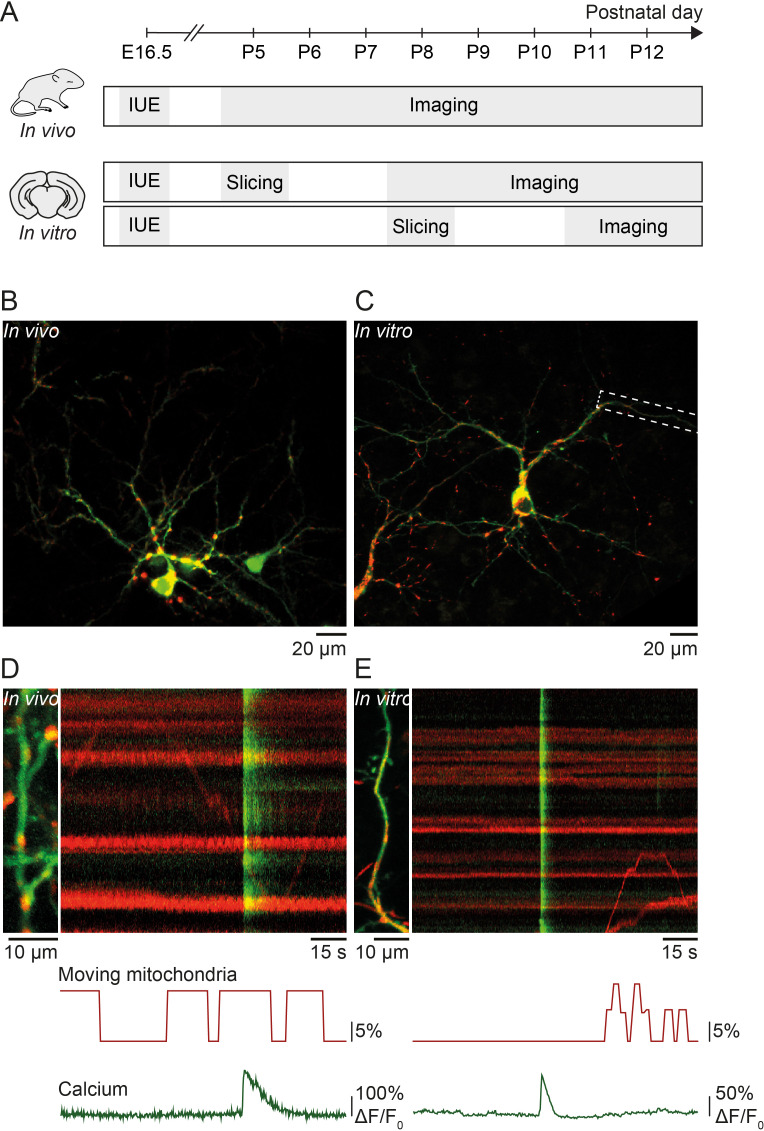
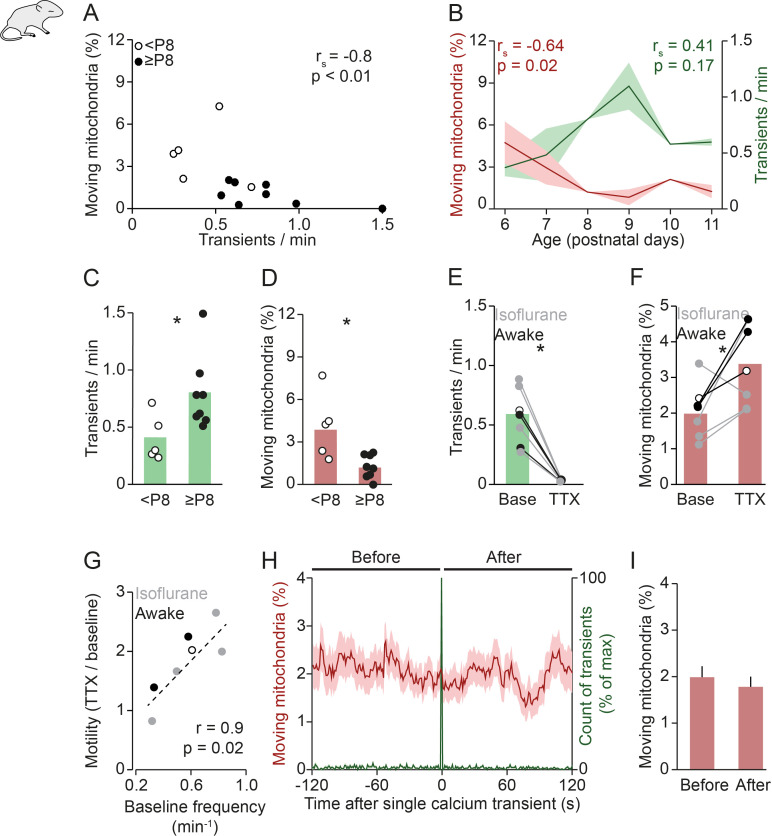
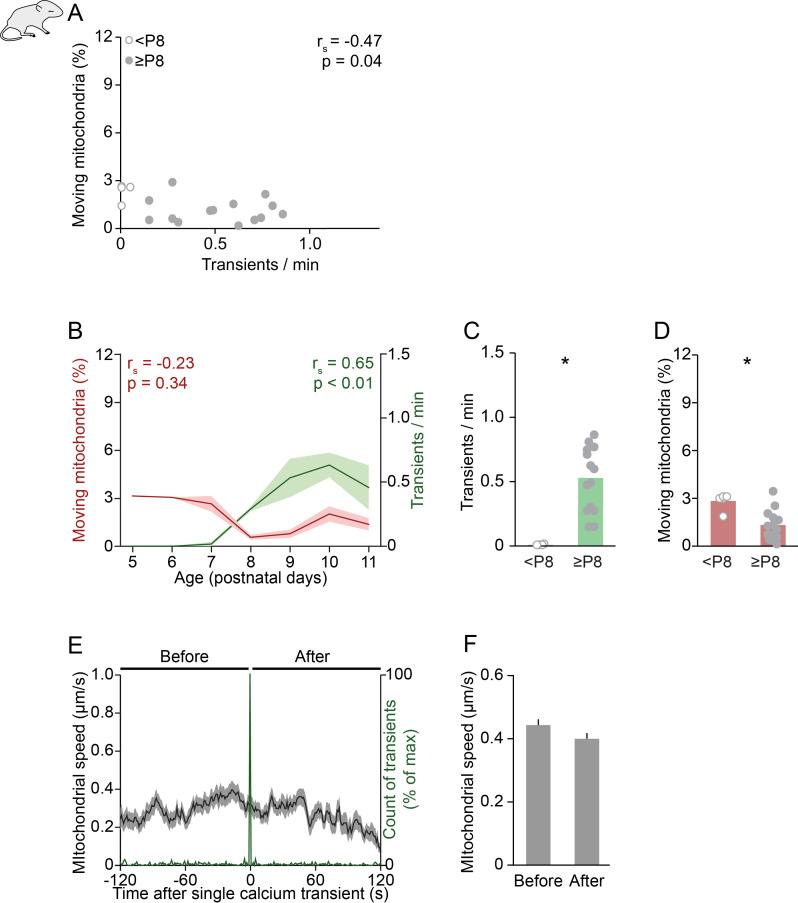
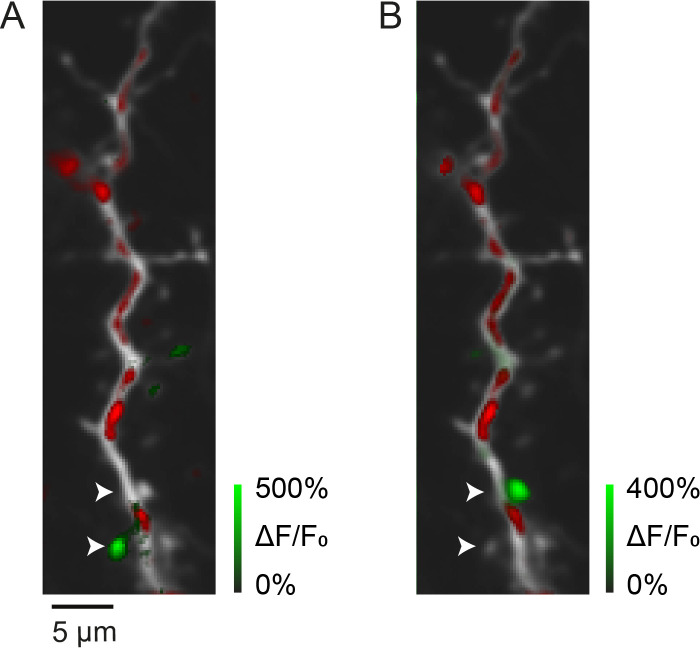
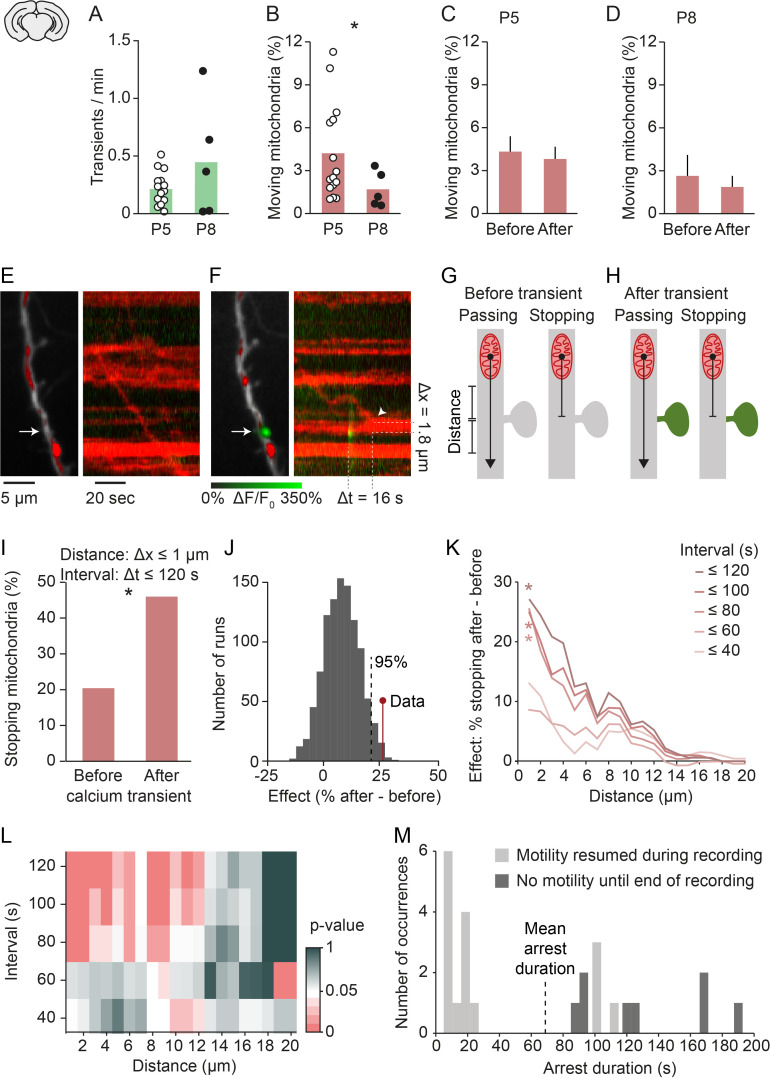
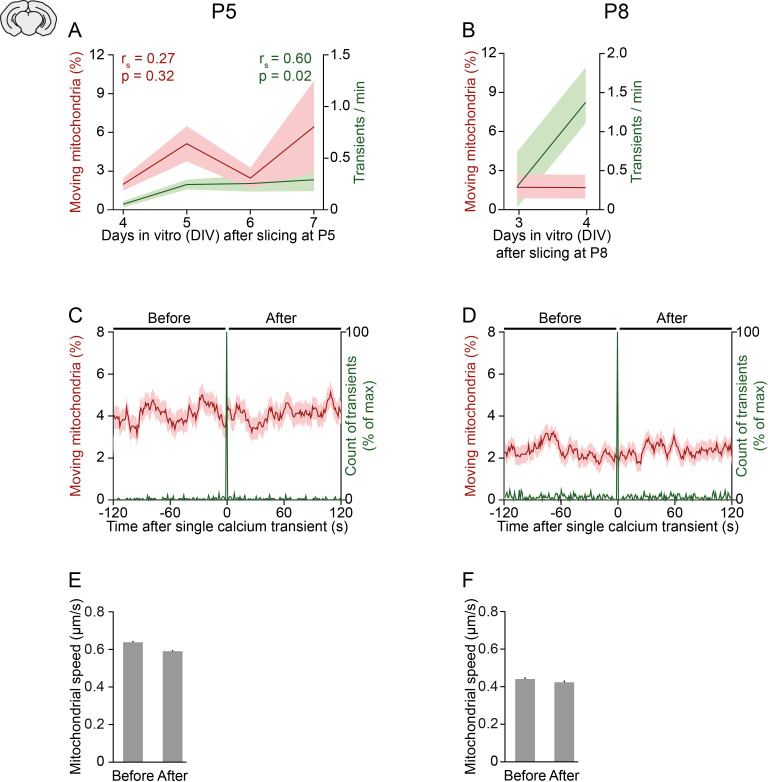
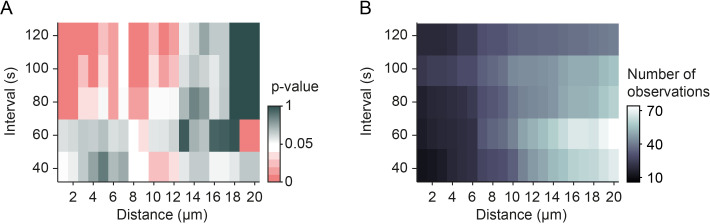
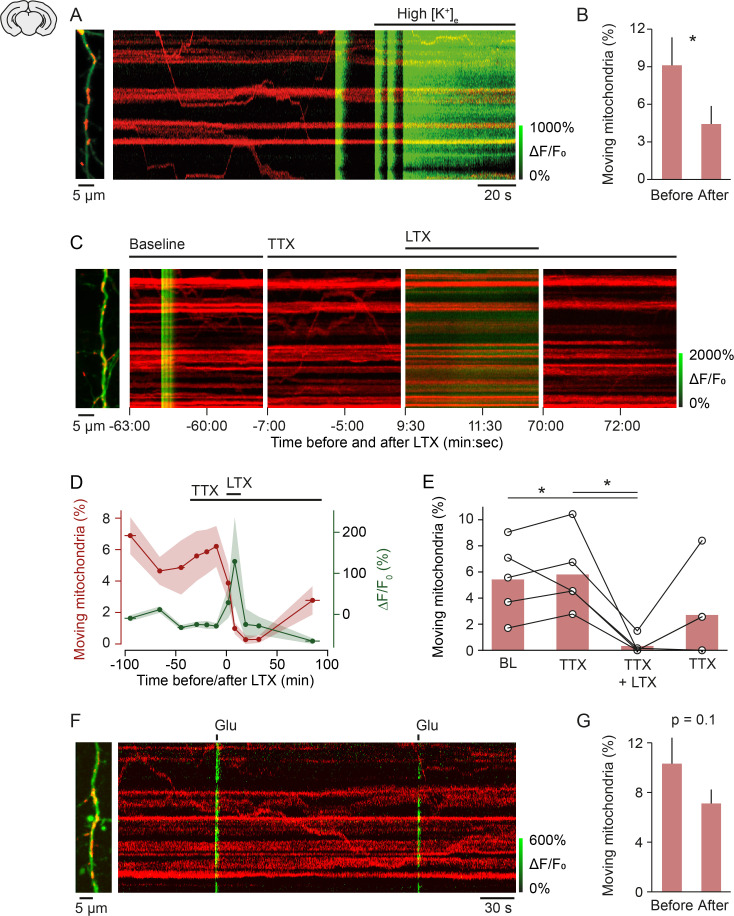
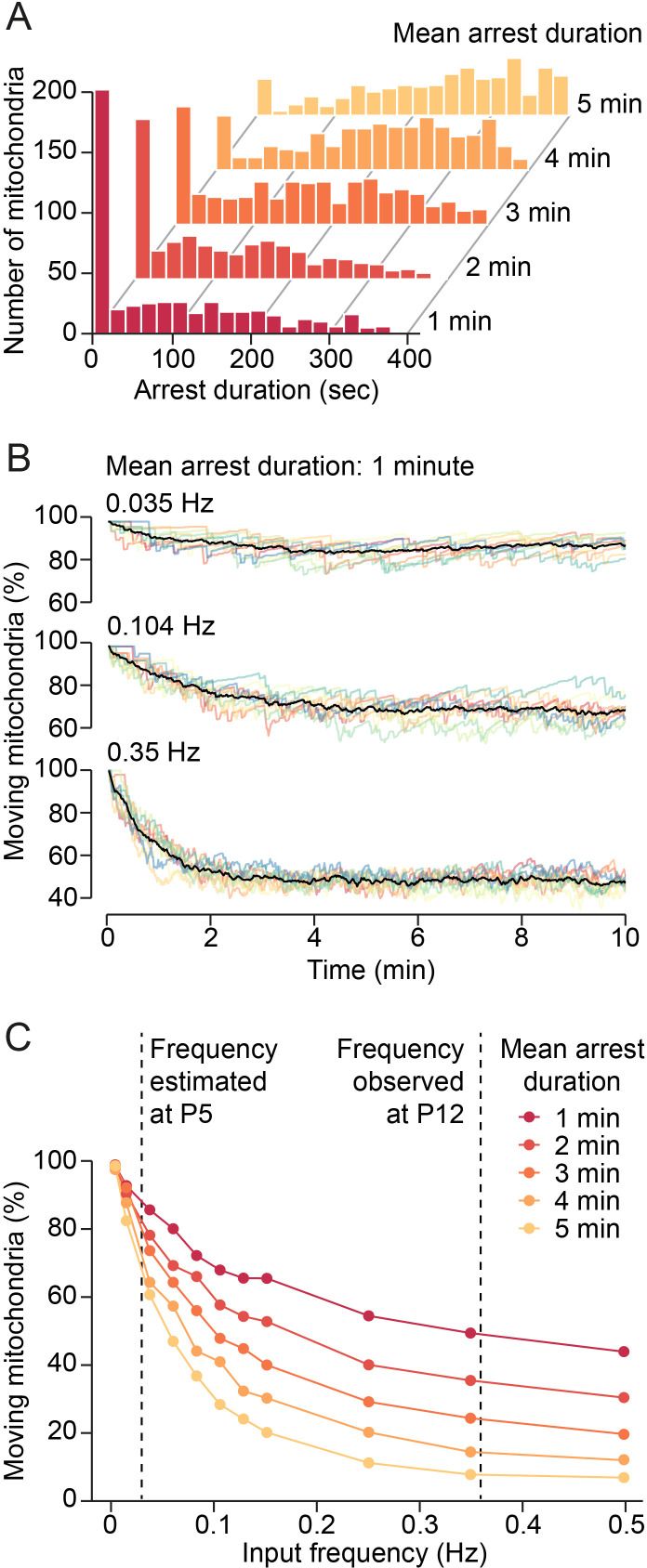
Developing neurons form synapses at a high rate. Synaptic transmission is very energy-demanding and likely requires ATP production by mitochondria nearby. Mitochondria might be targeted to active synapses in young dendrites, but whether such motility regulation mechanisms exist is unclear. We investigated the relationship between mitochondrial motility and neuronal activity in the primary visual cortex of young mice in vivo and in slice cultures. During the first 2 postnatal weeks, mitochondrial motility decreases while the frequency of neuronal activity increases. Global calcium transients do not affect mitochondrial motility. However, individual synaptic transmission events precede local mitochondrial arrest. Pharmacological stimulation of synaptic vesicle release, but not focal glutamate application alone, stops mitochondria, suggesting that an unidentified factor co-released with glutamate is required for mitochondrial arrest. A computational model of synaptic transmission-mediated mitochondrial arrest shows that the developmental increase in synapse number and transmission frequency can contribute substantially to the age-dependent decrease of mitochondrial motility.
Keywords: calcium signaling; in vivo imaging; intracellular transport; mouse; neuroscience; synaptic transmission.
© 2021, Silva et al.
Conflict of interest statement
CS, AY, MF, MV, CL None, Mv none
Figures
References
Publication types
MeSH terms
Substances
LinkOut - more resources
Full Text Sources
Research Materials
