


Measuring gender-based violence risk mitigation in humanitarian settings: results from a comprehensive desk review and systematic mapping
- PMID: 34497084
- PMCID: PMC8438854
- DOI: 10.1136/bmjopen-2021-050887
Measuring gender-based violence risk mitigation in humanitarian settings: results from a comprehensive desk review and systematic mapping
Abstract
Objectives: To systematically document measurement approaches used in the monitoring and evaluation of gender-based violence (GBV) risk mitigation activities, categorise the types of available literature produced by sector, identify existing tools and measures and identify knowledge gaps within the humanitarian sector.
Design: Systematic mapping and in-depth review.
Data sources: Pubmed, Global Health, PsychInfo, ReliefWeb, OpenGrey (grey literature), Google Scholar, Web of Science (Social Science Index)Eligibility criteria: a structured search strategy was systematically applied to 17 databases as well as registers, websites and other resources to identify materials published between 1 January 2005 and 15 May 2019.
Data extraction and synthesis: Those resources that met the inclusion criteria underwent a comprehensive full-text review. A detailed matrix was developed and key data from each resource were extracted to allow for the assessment of patterns in thematic areas.
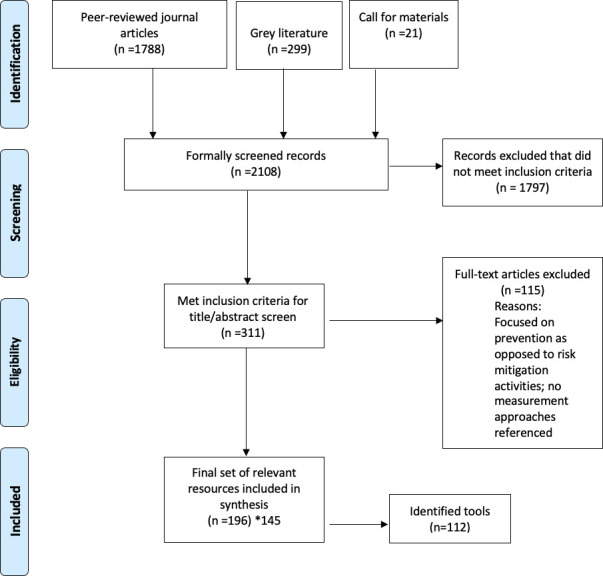
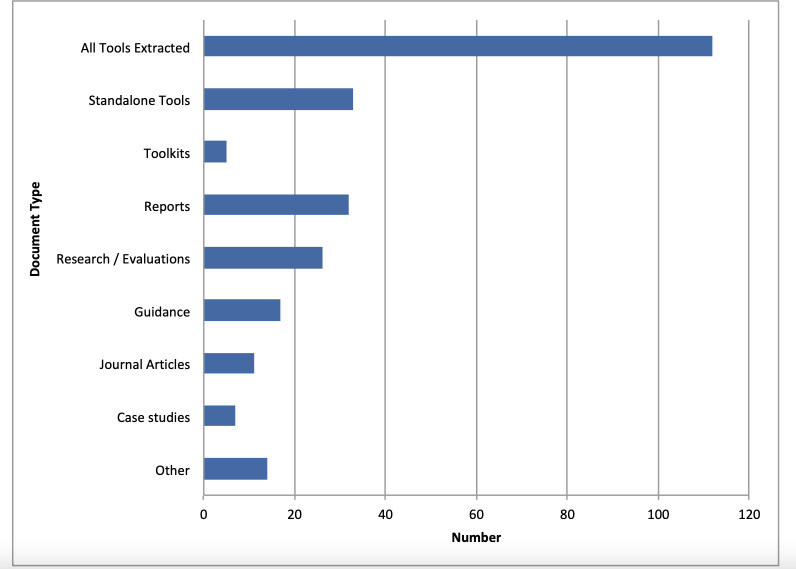
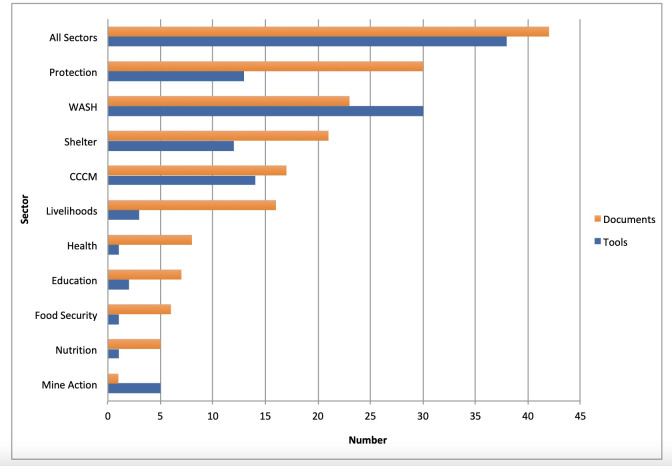
Results: A total of 2108 documents were screened. Overall, 145 documents and 112 tools were reviewed, representing 10 different humanitarian sectors. While numerous resources exist, many lack sufficient information on how to monitor outputs or outcomes of GBV risk mitigation activities. There is also limited guidance on how to integrate the measurement of GBV risk mitigation into existing monitoring and evaluation frameworks. Those reports that aimed to measure GBV risk mitigation activities mostly employed qualitative methods and few measured the impact of a GBV risk mitigation with robust research designs.
Conclusions: Recent efforts to adapt humanitarian response to COVID-19 have highlighted new and existing challenges for GBV risk mitigation. There is a significant gap in the evidence base around the effectiveness of GBV risk mitigation across all sectors. Understanding and strengthening measurement approaches in GBV risk mitigation remains a critical task for humanitarian response.
Keywords: COVID-19; epidemiology; health & safety; international health services; protocols & guidelines; public health.
© Author(s) (or their employer(s)) 2021. Re-use permitted under CC BY-NC. No commercial re-use. See rights and permissions. Published by BMJ.
Conflict of interest statement
Competing interests: None declared.
Figures
References
-
- Potts A, Zuco V. If GBV programming is essential in emergencies, how do we do it? developing a model to operationalise existing guidance. Humanitarian Practice Network 2014.
-
- Women’s Refugee Commission . Call to action on protection from gender-based violence in emergencies 2015.
-
- UNFPA . Minimum standards for prevention and response to gender-based violence in emergencies. New York, Division HaFCBP, 2015.
-
- International Organization for Migration . Institutional framework for addressing gender-based violence in crises. Geneva: Department of Operations and Emergencies (DOE), 2018.
-
- Committee I-AS. Integrating GBV risk mitigation capacity-building toolkit gbvguidelines.org: Inter-Agency standing Committee, 2018. Available: https://gbvguidelines.org/en/capacity-building/integrating-gbv-risk-miti... [Accessed July 10 2020].
Publication types
MeSH terms
LinkOut - more resources
Full Text Sources
Medical
Miscellaneous
