


IGF-1 and IGFBP-3 in Inflammatory Cachexia
- PMID: 34502376
- PMCID: PMC8430490
- DOI: 10.3390/ijms22179469
IGF-1 and IGFBP-3 in Inflammatory Cachexia
Abstract
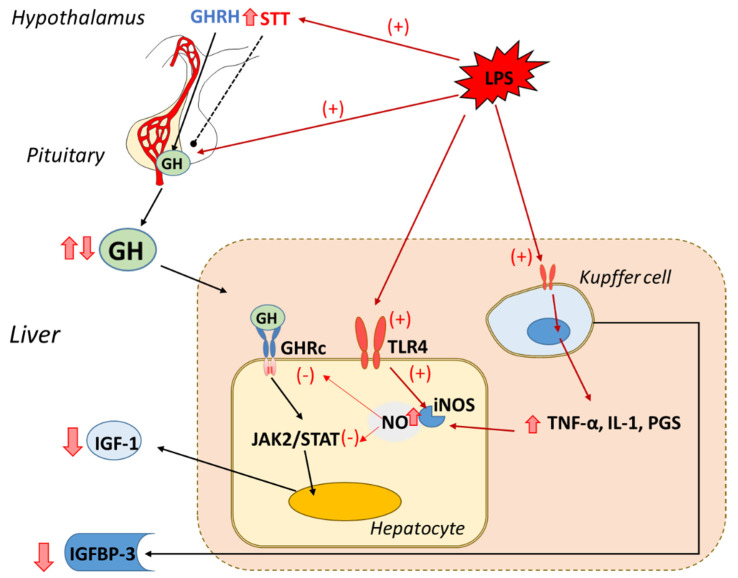
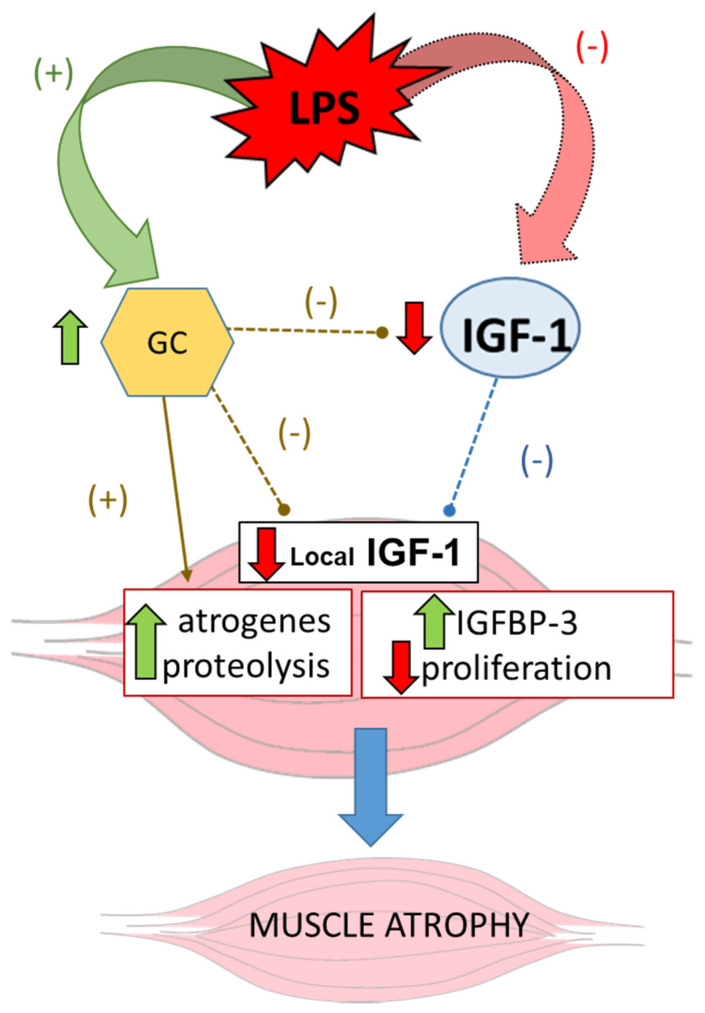
Inflammation induces a wide response of the neuroendocrine system, which leads to modifications in all the endocrine axes. The hypothalamic-growth hormone (GH)-insulin-like growth factor-1 (IGF-1) axis is deeply affected by inflammation, its response being characterized by GH resistance and a decrease in circulating levels of IGF-1. The endocrine and metabolic responses to inflammation allow the organism to survive. However, in chronic inflammatory conditions, the inhibition of the hypothalamic-GH-IGF-1 axis contributes to the catabolic process, with skeletal muscle atrophy and cachexia. Here, we review the changes in pituitary GH secretion, IGF-1, and IGF-1 binding protein-3 (IGFBP-3), as well as the mechanism that mediated those responses. The contribution of GH and IGF-1 to muscle wasting during inflammation has also been analyzed.
Keywords: GH; IGF-1; IGFBP-3; cachexia; cytokines; glucocorticoids; inflammation; muscle wasting; nitric oxide; sepsis.
Conflict of interest statement
The authors declare no conflict of interest. The funders had no role in the design of the study; in the collection, analyses, or interpretation of data; in the writing of the manuscript, or in the decision to publish the results.
Figures
References
Publication types
MeSH terms
Substances
Grants and funding
LinkOut - more resources
Full Text Sources
Miscellaneous
