


When disasters strike the emergency department: a case series and narrative review
- PMID: 34503447
- PMCID: PMC8427145
- DOI: 10.1186/s12245-021-00372-7
When disasters strike the emergency department: a case series and narrative review
Abstract
Introduction: Emergency departments (EDs) are reasonably well prepared for external disasters, such as natural disasters, mass casualty incidents, and terrorist attacks. However, crises and disasters that emerge and unfold within hospitals appear to be more common than external events. EDs are often affected. Internal hospital crises and disasters (IHCDs) have the potential to endanger patients, staff, and visitors, and to undermine the integrity of the facility as a steward of public health and safety. Furthermore, ED patient safety and logistics may be seriously hampered.
Methods: Case series of 3 disasters within EDs. Narrative overview of the current IHCD-related literature retrieved from searches of PubMed databases, hand searches, and authoritative texts.
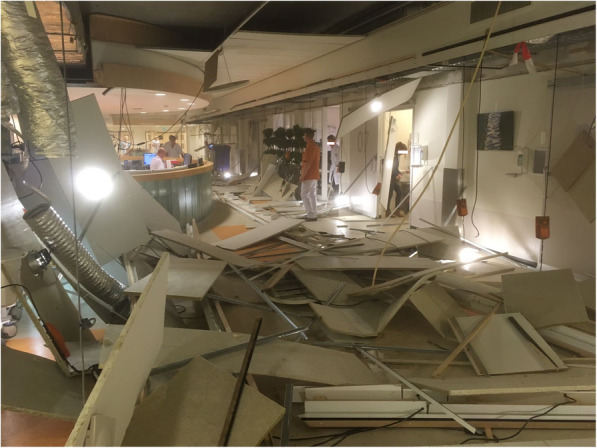
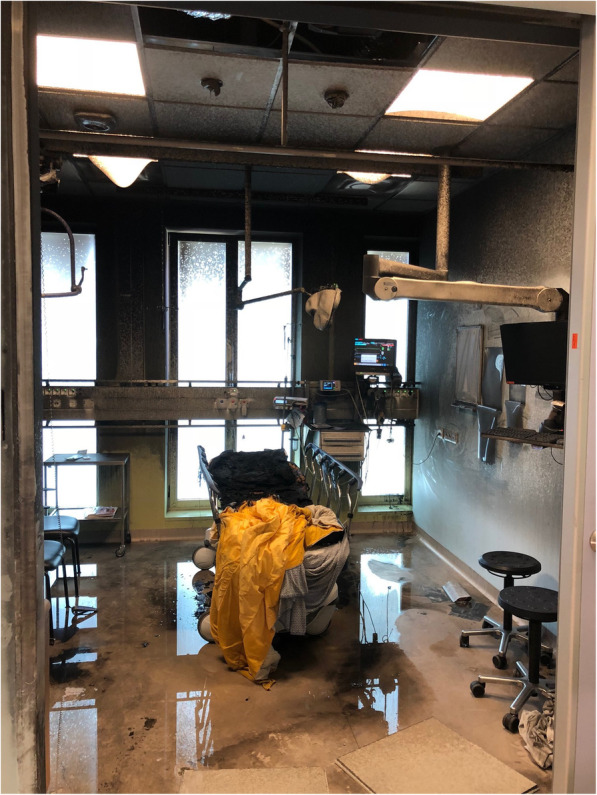
Discussion: The causes of IHCDs are multifaceted and an internal disaster is often the result of a cascade of events. They may or may not be associated with a community-wide event. Examples include fires, floods, power outages, structural damage, information and communication technology (ICT) failures, and cyberattacks. EDs are particularly at-risk. While acute-onset disasters have immediate consequences for acute care services, epidemics and pandemics are threats that can have long-term sequelae.
Conclusions: Hospitals and their EDs are at-risk for crises and their potential escalation to hospital disasters. Emerging risks due to climate-related emergencies, infectious disease outbreaks, terrorism, and cyberattacks pose particular threats. If a hospital is not prepared for IHCDs, it undermines the capacity of administration and staff to safeguard the safety of patients. Therefore, hospitals and their EDs must check and where necessary enhance their preparedness for these contingencies.
Keywords: Disaster medicine; Emergency department; Emergency preparedness; Internal hospital disasters; Manmade disasters; Natural disasters; Safety, COVID-19, Pandemic, Terrorism, Cyberattack.
© 2021. The Author(s).
Conflict of interest statement
The authors declare that they have no competing interests.
Figures
References
-
- Rosenthal U, Charles MT, ‘t Hart P. Coping with crises: the management of disasters, riots, and terrorism. Springfield: Charles C Thomas Pub Ltd; 1989.
-
- Boin A, ‘t Hart P, Stern E, Sundelius B. The politics of crisis management. Cambridge: Cambridge University Press; 2017.
Publication types
LinkOut - more resources
Full Text Sources
