


Repetitive transcranial magnetic stimulation for smoking cessation: a pivotal multicenter double-blind randomized controlled trial
- PMID: 34505368
- PMCID: PMC8429333
- DOI: 10.1002/wps.20905
Repetitive transcranial magnetic stimulation for smoking cessation: a pivotal multicenter double-blind randomized controlled trial
Abstract
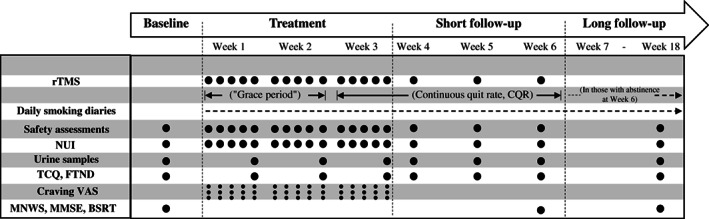
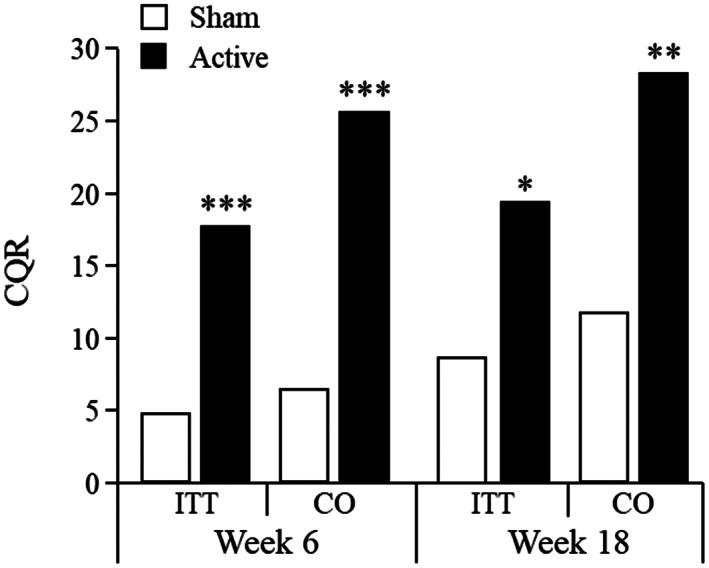
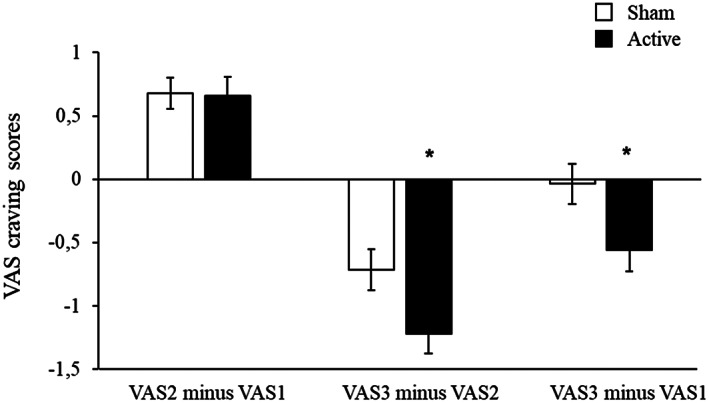
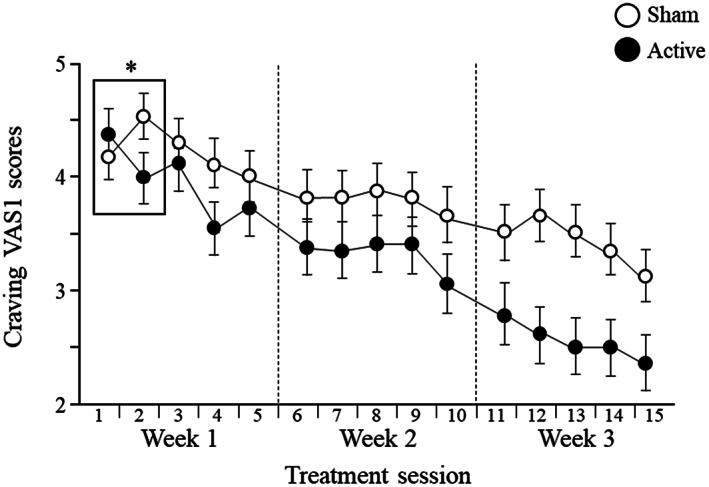
Repetitive transcranial magnetic stimulation (rTMS) is a non-invasive brain stimulation method increasingly used to treat psychiatric disorders, primarily depression. Initial studies suggest that rTMS may help to treat addictions, but evaluation in multicenter randomized controlled trials (RCTs) is needed. We conducted a multicenter double-blind RCT in 262 chronic smokers meeting DSM-5 criteria for tobacco use disorder, who had made at least one prior failed attempt to quit, with 68% having made at least three failed attempts. They received three weeks of daily bilat-eral active or sham rTMS to the lateral prefrontal and insular cortices, followed by once weekly rTMS for three weeks. Each rTMS session was administered following a cue-induced craving procedure, and participants were monitored for a total of six weeks. Those in abstinence were monitored for additional 12 weeks. The primary outcome measure was the four-week continuous quit rate (CQR) until Week 18 in the intent-to-treat efficacy set, as determined by daily smoking diaries and verified by urine cotinine measures. The trial was registered at ClinicalTrials.gov (NCT02126124). In the intent-to-treat analysis set (N=234), the CQR until Week 18 was 19.4% following active and 8.7% following sham rTMS (X2 =5.655, p=0.017). Among completers (N=169), the CQR until Week 18 was 28.0% and 11.7%, respectively (X2 =7.219, p=0.007). The reduction in cigarette consumption and craving was significantly greater in the active than the sham group as early as two weeks into treatment. This study establishes a safe treatment protocol that promotes smoking cessation by stimulating relevant brain circuits. It represents the first large multicenter RCT of brain stimulation in addiction medicine, and has led to the first clearance by the US Food and Drug Administration for rTMS as an aid in smok-ing cessation for adults.
Keywords: Smoking cessation; addiction medicine; cigarette consumption; cigarette craving; insula; lateral prefrontal cortex; repetitive transcranial magnetic stimulation.
© 2021 World Psychiatric Association.
Figures
References
-
- Ziemann U.Thirty years of transcranial magnetic stimulation: where do we stand? Exp Brain Res 2017;235:973‐84. - PubMed
-
- Roth Y, Zangen A, Hallett M. A coil design for transcranial magnetic stimulation of deep brain regions. J Clin Neurophysiol 2002;19:361‐70. - PubMed
-
- Carmi L, Tendler A, Bystritsky A et al. Efficacy and safety of deep transcranial magnetic stimulation for obsessive‐compulsive disorder: a prospective multicenter randomized double‐blind placebo‐controlled trial. Am J Psychiatry 2019;176:931‐8. - PubMed
-
- O’Reardon JP, Solvason HB, Janicak PG et al. Efficacy and safety of transcranial magnetic stimulation in the acute treatment of major depression: a multisite randomized controlled trial. Biol Psychiatry 2007;62:1208‐16. - PubMed
Associated data
LinkOut - more resources
Full Text Sources
Other Literature Sources
Medical
