


The Significance of Exosomes in Pathogenesis, Diagnosis, and Treatment of Esophageal Cancer
- PMID: 34511909
- PMCID: PMC8423492
- DOI: 10.2147/IJN.S321555
The Significance of Exosomes in Pathogenesis, Diagnosis, and Treatment of Esophageal Cancer
Abstract
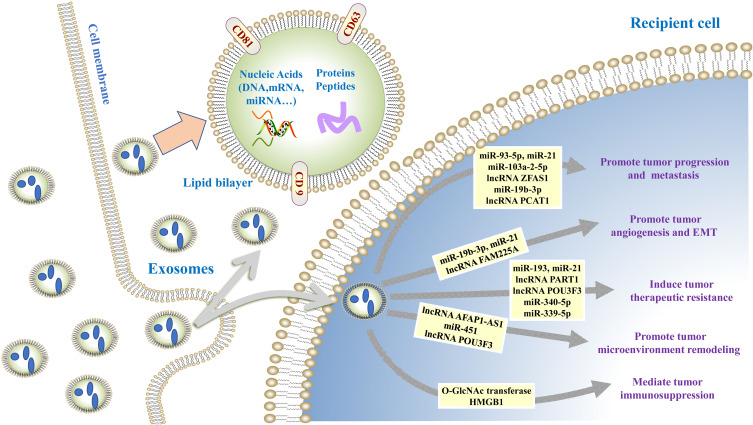
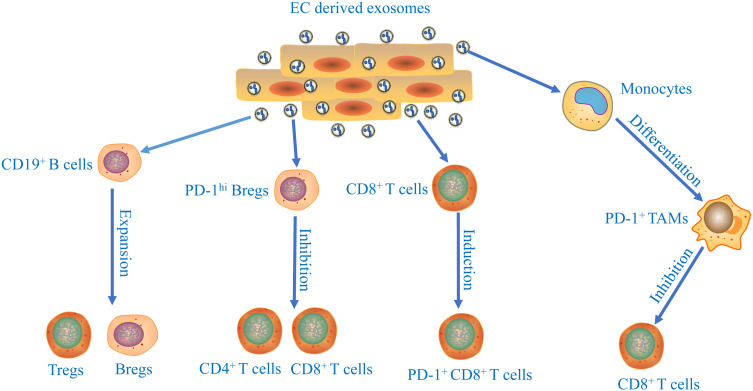
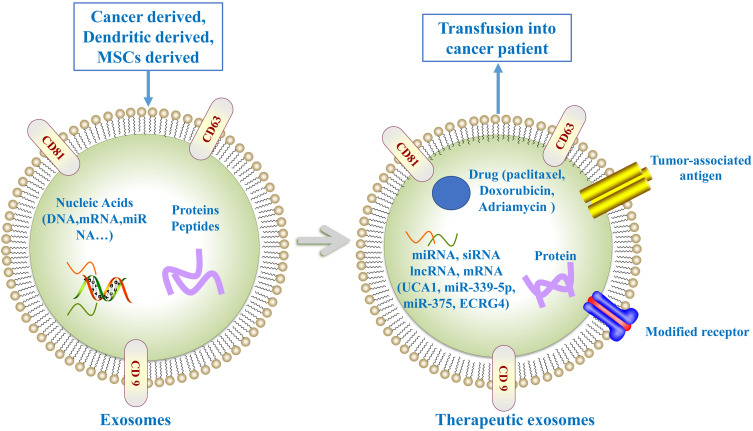
Esophageal cancer is one of the most common malignancy in China with high mortality. Understanding pathogenesis and identifying early diagnosis biomarkers can significantly improve the prognosis of patients with esophageal cancer. Exosomes are small vesicular structures containing a variety of components (including DNA, RNA, and proteins) mediating cell-to-cell material exchange and signal communication. Growing evidences have shown that exosomes and its components are involved in growth, metastasis and angiogenesis in cancer, and could also be used as diagnostic and prognostic markers. In this review, we summarized recent progress to elucidate the significance of exosomes in the esophageal cancer progression, microenvironment remodeling, therapeutic resistance, and immunosuppression. We also discuss the utility of exosomes as diagnostic and prognostic biomarkers and therapeutic tool in esophageal cancer.
Keywords: biomarkers; esophageal cancer; exosome; liquid biopsy; prognosis.
© 2021 Jing et al.
Conflict of interest statement
The authors report no conflicts of interest in this work.
Figures
References
Publication types
MeSH terms
Substances
LinkOut - more resources
Full Text Sources
Medical
