


Postnatal exercise protects offspring from high-fat diet-induced reductions in subcutaneous adipocyte beiging in C57Bl6/J mice
- PMID: 34517093
- PMCID: PMC9040048
- DOI: 10.1016/j.jnutbio.2021.108853
Postnatal exercise protects offspring from high-fat diet-induced reductions in subcutaneous adipocyte beiging in C57Bl6/J mice
Abstract
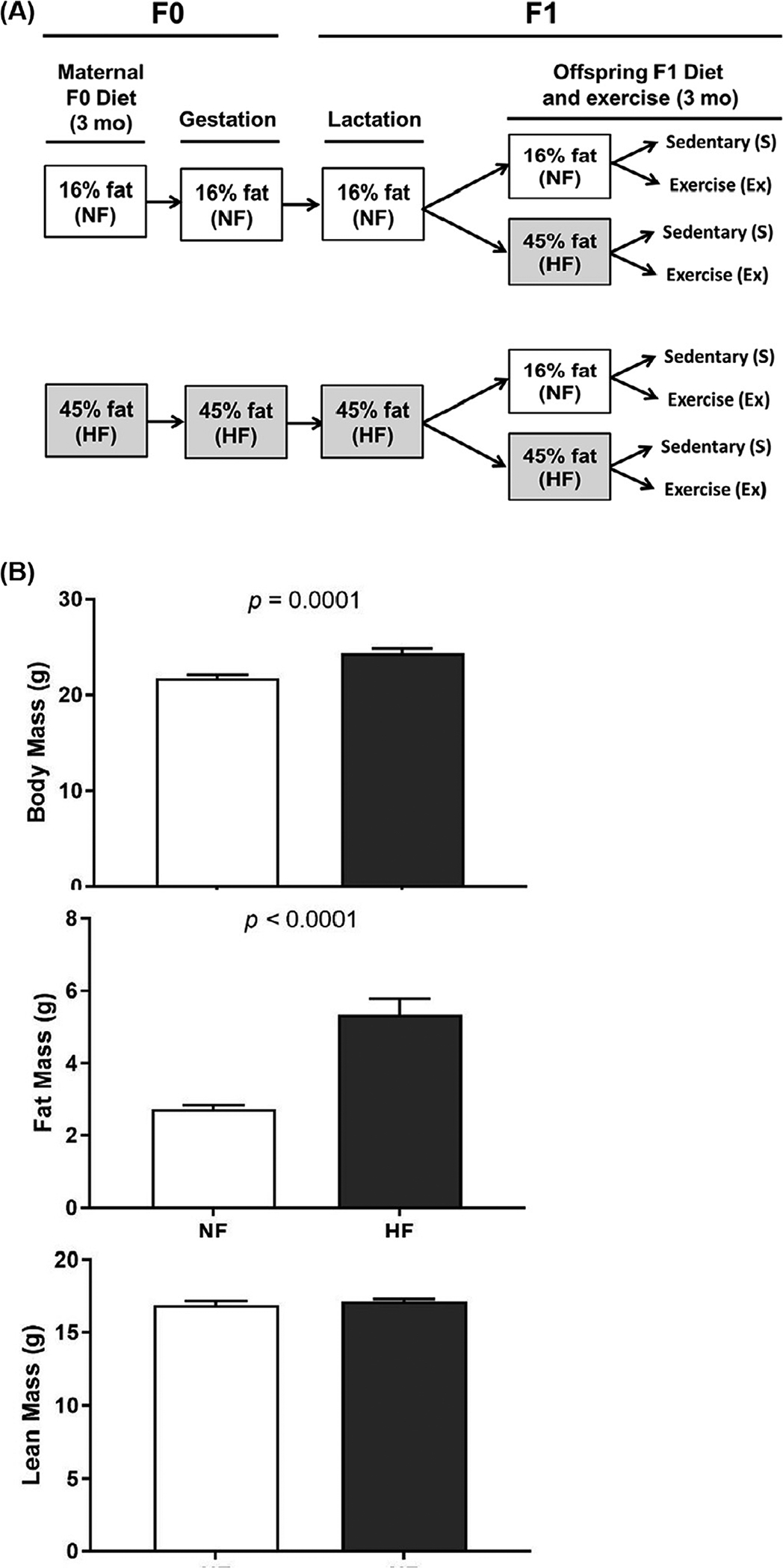
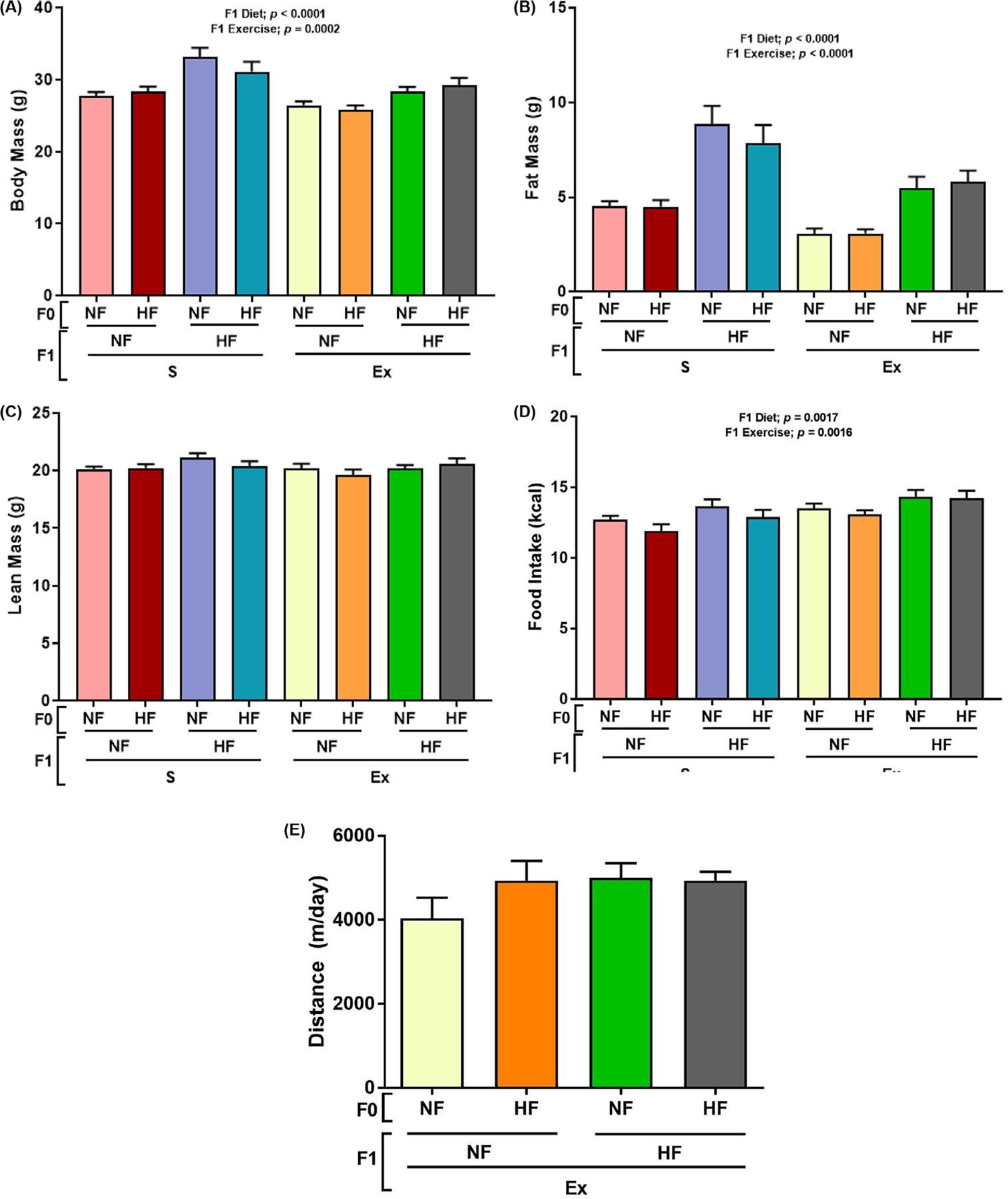
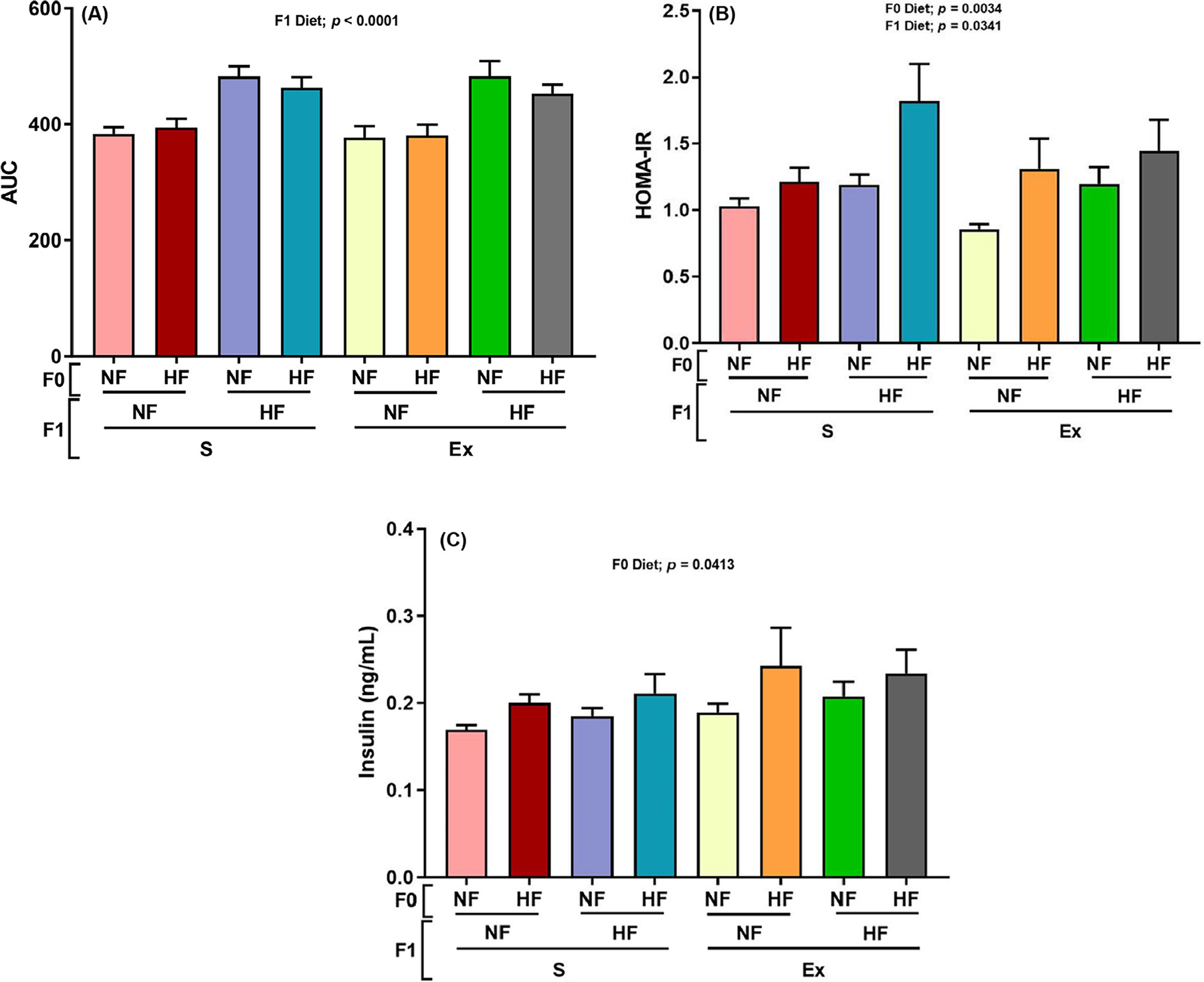
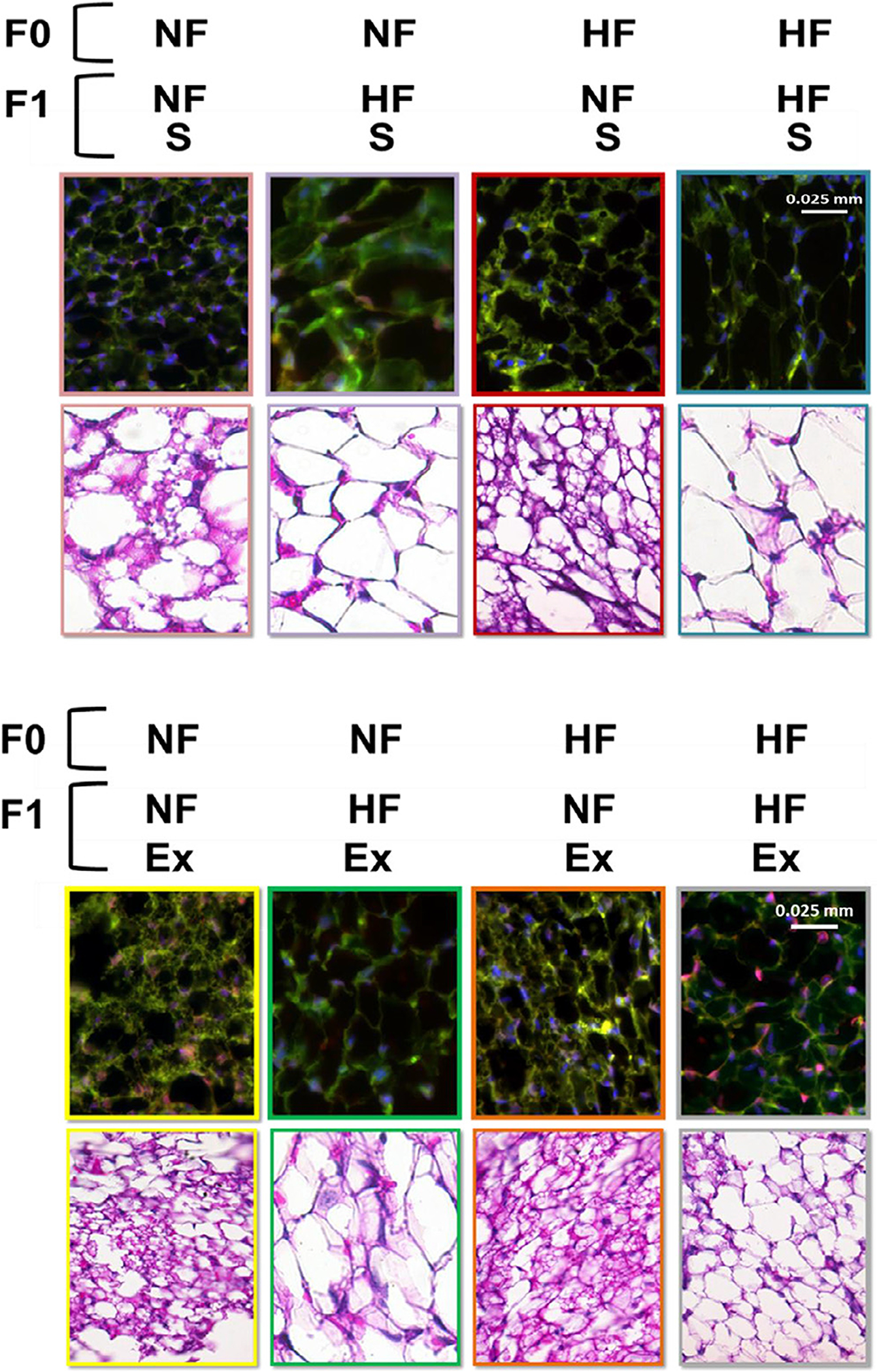
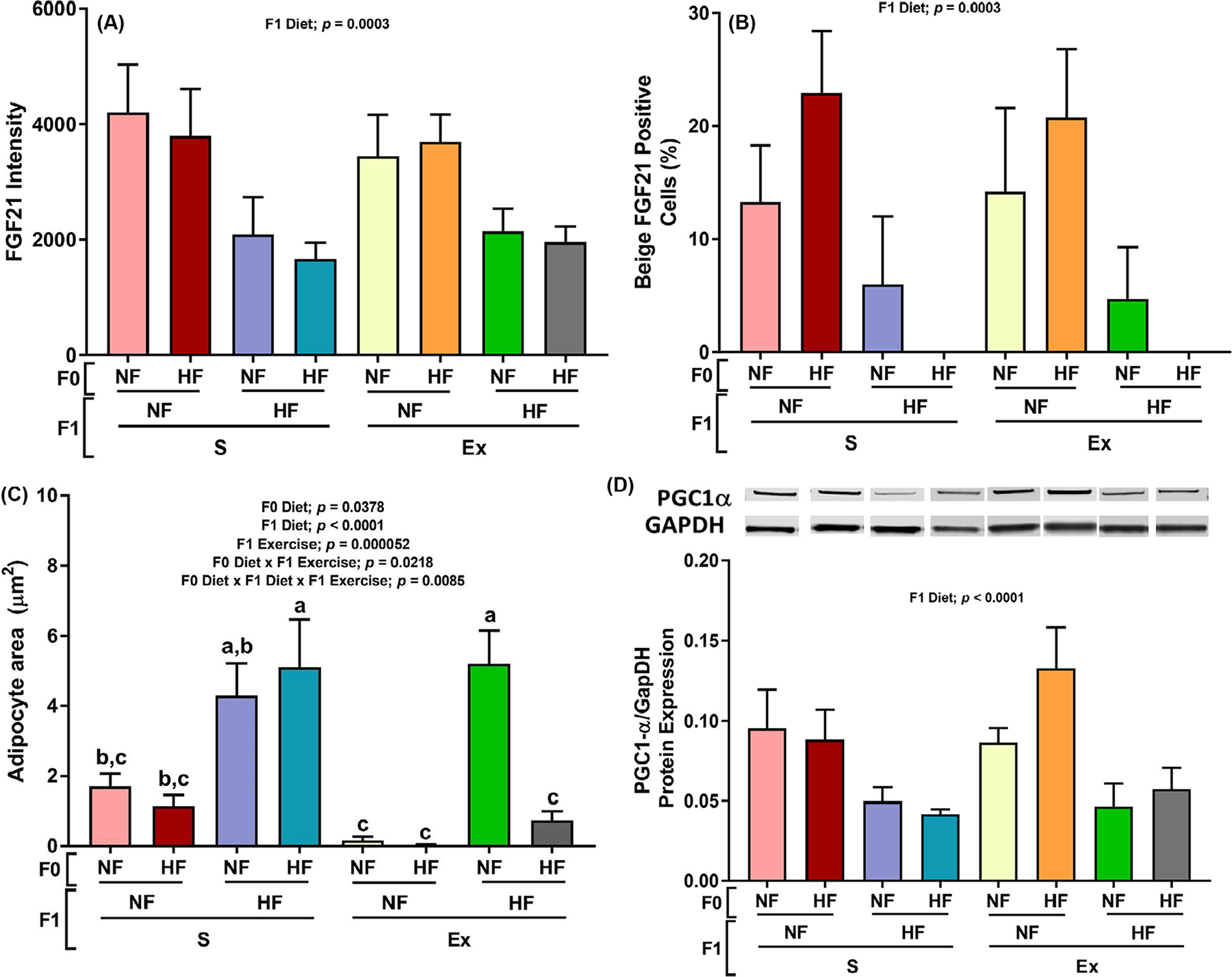
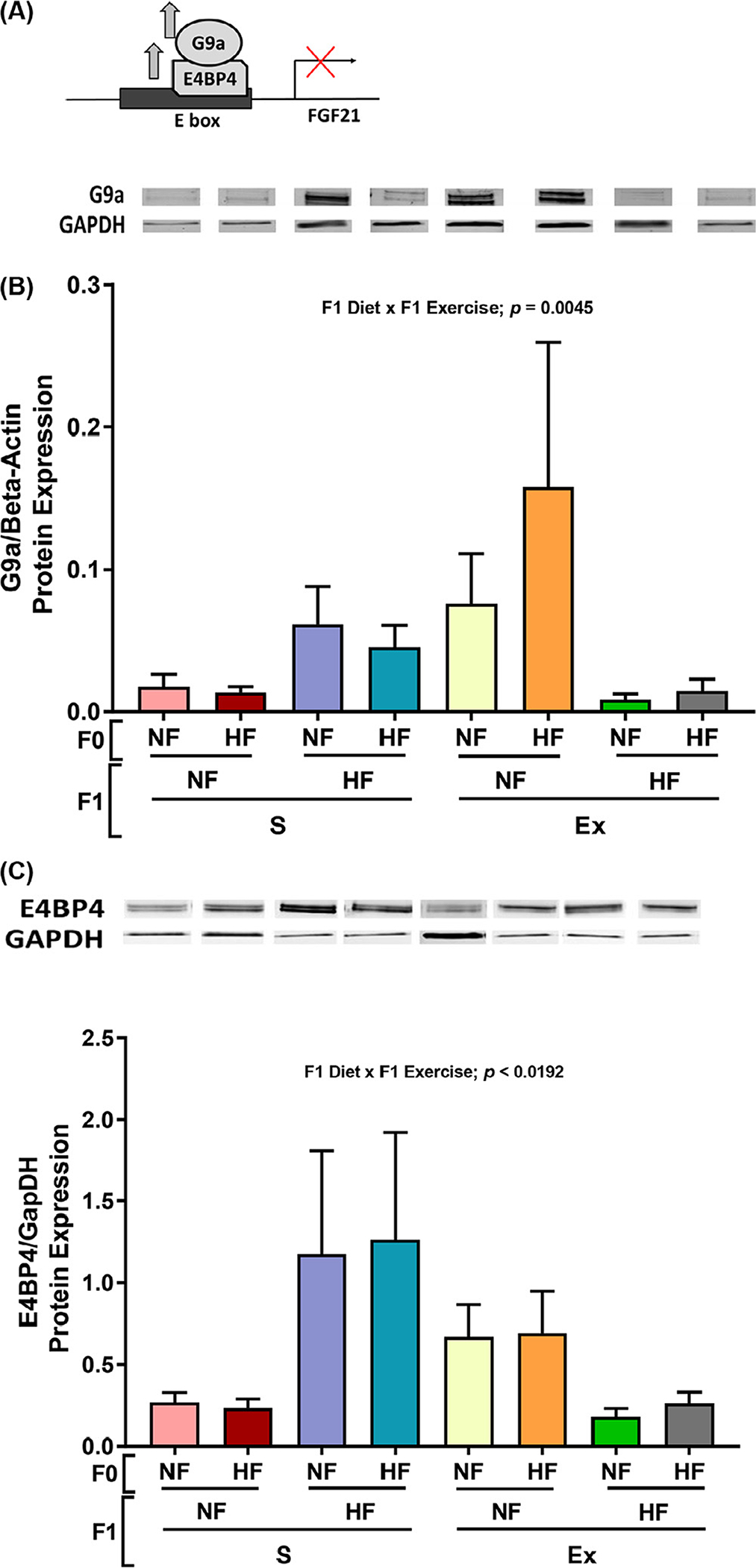
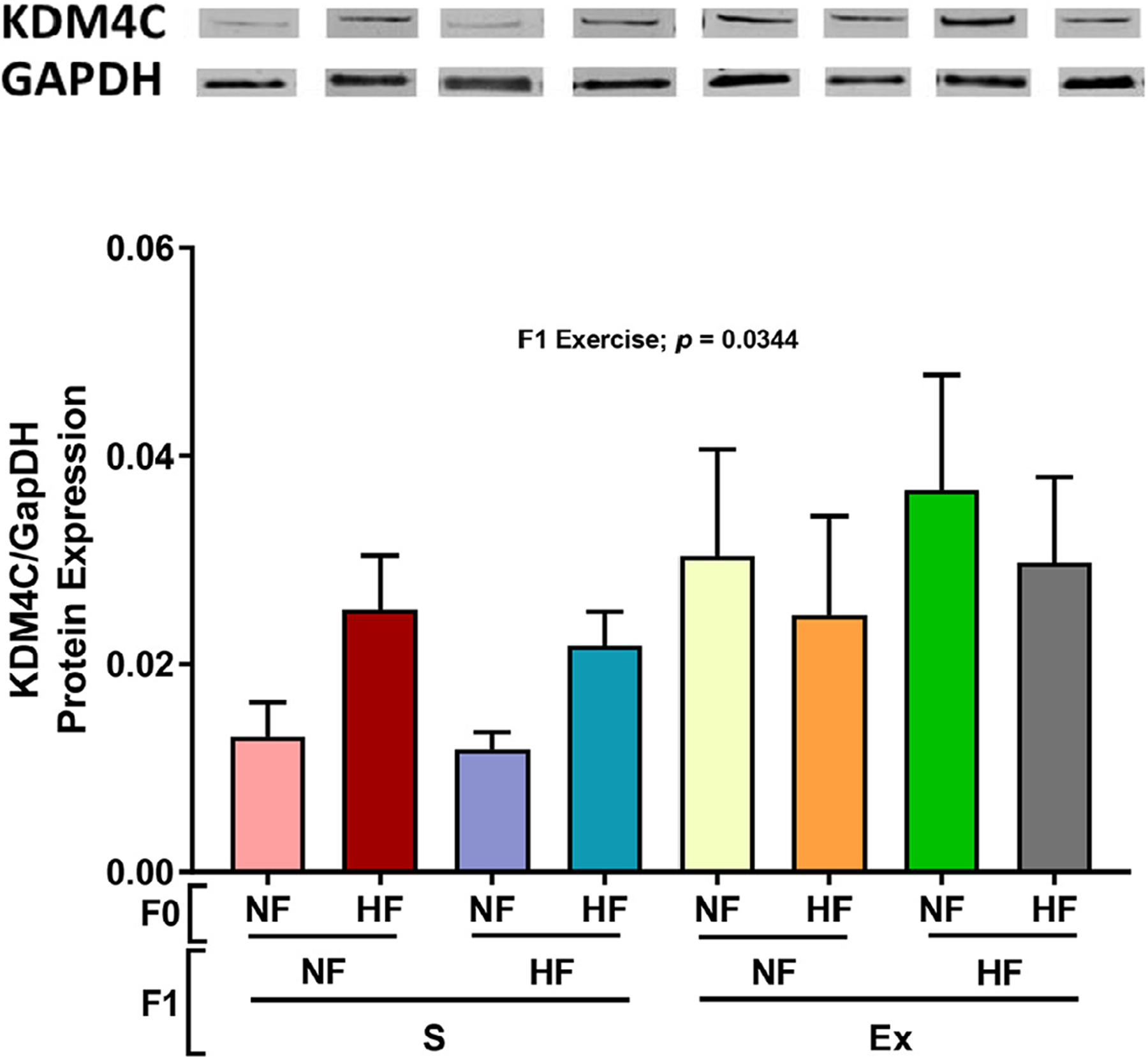
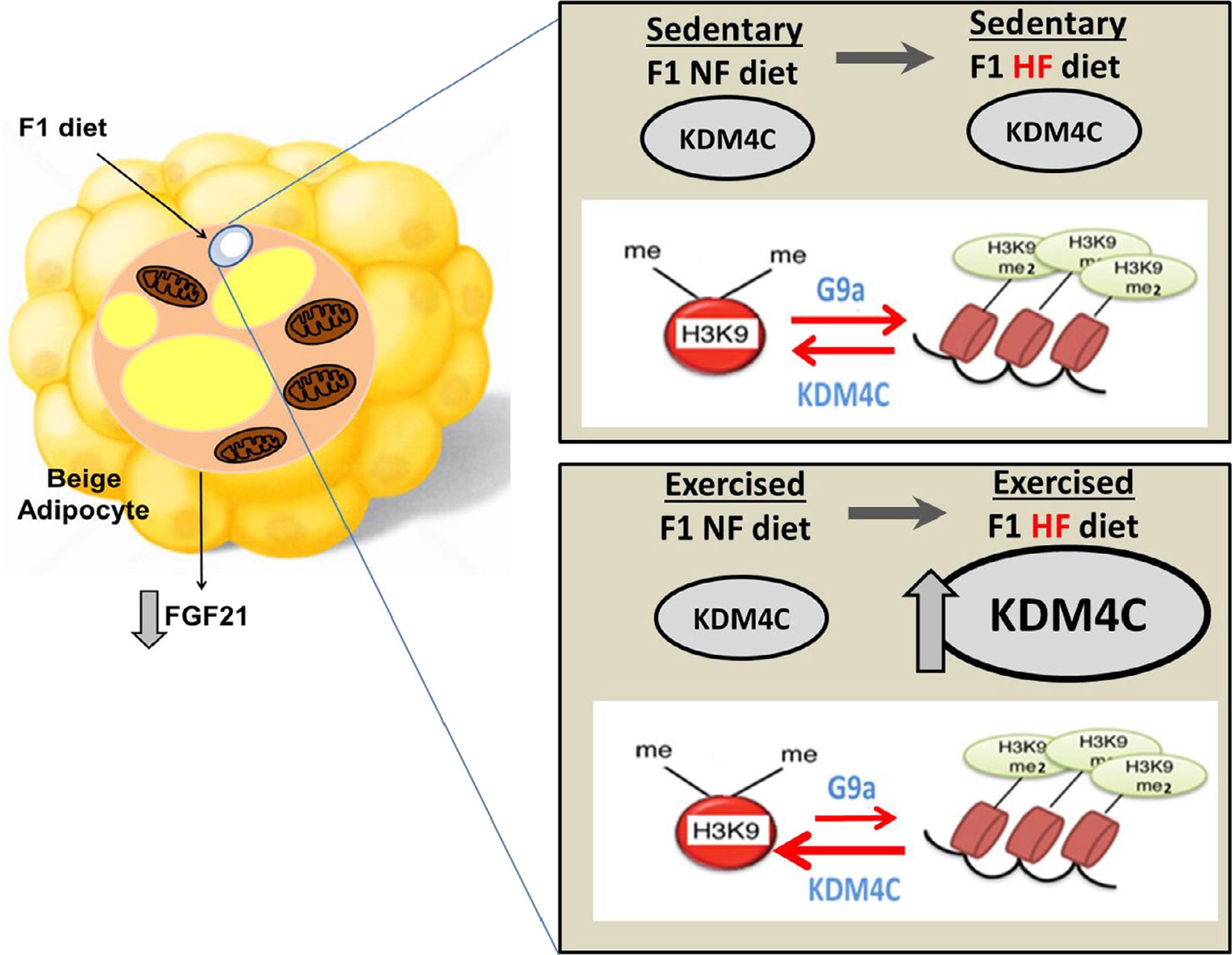
Maternal low-protein and postnatal high-fat (HF) diets program offspring obesity and type 2 diabetes mellitus (T2DM) risk by epigenetically reducing beige adipocytes (BAs) via increased G9a protein expression (Histone3 Lysine9 dimethyl transferase), an inhibitor of the BA marker fibroblast growth factor 21 (FGF21). Conversely, offspring exercise reduces fat mass and white adipocytes, but the mechanisms are not yet understood. This work investigated whether exercise reduces offspring obesity and T2DM risk caused by a maternal HF diet via regulation of G9a and FGF21 expression that would convert white to BA. Two-month-old female C57Bl/6J mice (F0) were fed a 16% (normal fat; NF) or a 45% HF diet for 3 months prior to breeding, and subsequent gestation and lactation. Male offspring (F1) were fed the same NF and HF diets and further divided into either sedentary (S) or voluntary wheel running (Ex) groups for an additional 3 months yielding eight groups: NF (maternal treatment condition)-NF-S (postweaning treatment conditions), NF-HF-S, NF-NF-Ex, NF-HF-Ex, HF-NF-S, HF-HF-S, HF-NF-Ex, and HF-HF-Ex. Subcutaneous adipose tissue was collected for protein and mRNA analysis of FGF21, peroxisome proliferator-activated receptor-gamma coactivator (PGC-1 alpha, inducer of FGF21), G9a, E4BP4 (G9a coactivator), and protein expression of H3K9 demethylases (KDM4C). Postnatal HF diet decreased FGF21 positive BA numbers regardless of maternal diets and postnatal exercise. Under sedentary conditions, postnatal HF diet increased protein expression of FGF21 transcription inhibitors G9a and E4BP4 compared to NF diet resulting in decreased FGF21 expression. In contrast, postnatal HF diet and exercise decreased G9a and E4BP4 protein expression while decreasing FGF21 expression compared to NF diet. Under exercised condition, postnatal HF diet-induced KDM4C protein expression while no changes in KDM4C protein expression were induced by postnatal HF diet under sedentary conditions. These findings suggest that the postnatal diet exerts a greater impact on offspring adiposity and BA numbers than maternal diets. These data also suggest that offspring exercise induces KDM4C to counter the increase in G9a that was triggered by maternal and postnatal HF diets. Future studies need to determine whether KDM4C induces methylation status of G9a to alter thermogenic function of BA.
Keywords: Beige adipocyte; Exercise; Fibroblastic growth factor 21; High-fat diet; Histone lysin methylase; Subcutaneous adipose tissue.
Published by Elsevier Inc.
Conflict of interest statement
Declaration of competing interests
The authors declare that there are no conflicts of interest.
Figures
References
-
- Samuelsson AM, Matthews PA, Argenton M, Christie MR, McConnell JM, Jansen EH, et al. Diet-induced obesity in female mice leads to offspring hyperphagia, adiposity, hypertension, and insulin resistance: a novel murine model of developmental programming. Hypertension 2008;51:383–92. - PubMed
-
- Cereijo R, Giralt M, Villarroya F. Thermogenic brown and beige/brite adipogenesis in humans. Ann Med 2015;47:169–77. - PubMed
-
- Pfeifer A, Hoffmann LS. Brown, beige, and white: the new color code of fat and its pharmacological implications. Annu Rev Pharmacol Toxicol 2015;55:207–27. - PubMed
Publication types
MeSH terms
Substances
Grants and funding
LinkOut - more resources
Full Text Sources
Medical
Research Materials
Miscellaneous
