


Parental COVID-19 vaccine hesitancy for children: vulnerability in an urban hotspot
- PMID: 34517848
- PMCID: PMC8436579
- DOI: 10.1186/s12889-021-11725-5
Parental COVID-19 vaccine hesitancy for children: vulnerability in an urban hotspot
Abstract
Objective: To compare hesitancy toward a future COVID-19 vaccine for children of various sociodemographic groups in a major metropolitan area, and to understand how parents obtain information about COVID-19.
Methods: Cross-sectional online survey of parents with children < 18 years old in Chicago and Cook County, Illinois, in June 2020. We used logistic regression to determine the odds of parental COVID-19 vaccine hesitancy (VH) for racial/ethnic and socioeconomic groups, controlling for sociodemographic factors and the sources where parents obtain information regarding COVID-19.
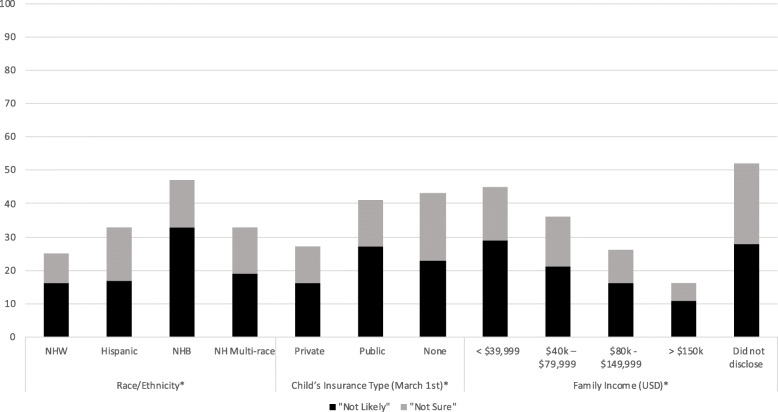
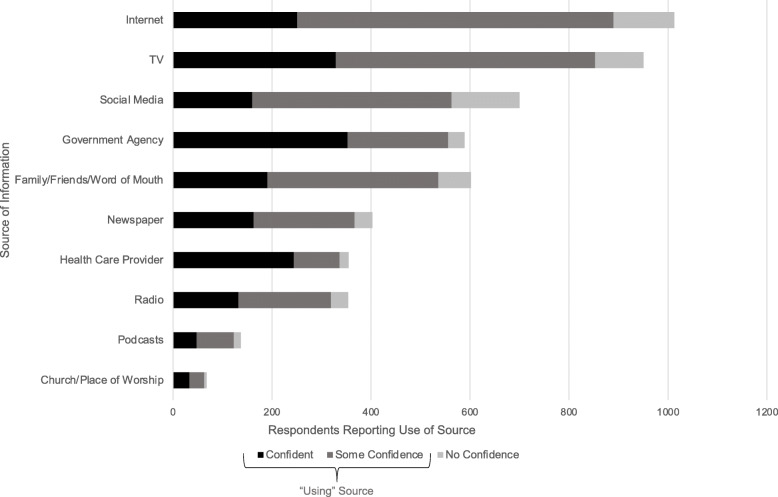
Results: Surveys were received from 1702 parents and 1425 were included in analyses. Overall, 33% of parents reported VH for their child. COVID-19 VH was higher among non-Hispanic Black parents compared with non-Hispanic White parents (Odds Ratio (OR) 2.65, 95% Confidence Interval (CI): (1.99-3.53), parents of publicly insured children compared with privately insured (OR 1.93, (1.53-2.42)) and among lower income groups. Parents receive information about COVID-19 from a variety of sources, and those who report using family, internet and health care providers as information sources (compared to those who don't use each respective source) had lower odds of COVID-19 VH for their children.
Conclusions: The highest rates of hesitancy toward a future COVID-19 vaccine were found in demographic groups that have been the most severely affected by the pandemic. These groups may require targeted outreach efforts from trusted sources of information in order to promote equitable uptake of a future COVID-19 vaccine.
Keywords: COVID-19; Health equity; Vaccine hesitancy.
© 2021. The Author(s).
Conflict of interest statement
The authors have indicated they have no financial relationships relevant to this article to disclose.
Figures
References
-
- Centers for Disease Control and Prevention (CDC). CDC COVID Data Tracker: Centers for Disease Control and Prevention; 2020. [updated 2020 Nov 23, cited 2021 July 6. Available from: https://covid.cdc.gov/covid-data-tracker/#cases_casesinlast7days
-
- Illinois Department of Public Health (IDPH) COVID-19 Statistics. 2020.
-
- chicago.gov . COVID Dashboard: Chicago COVID-19 Cases. 2021.
-
- Zimmer C, Corum J, Wee SL. Coronavirus Vaccine Tracker nytimes.com: The New York Times; 2020. [updated 2020 Nov 24, cited 2021 Jul 6]. Available from: https://www.nytimes.com/interactive/2020/science/coronavirus-vaccine-tra...
Publication types
MeSH terms
Substances
LinkOut - more resources
Full Text Sources
Medical
