


Renal denervation based on experimental rationale
- PMID: 34518650
- PMCID: PMC9577563
- DOI: 10.1038/s41440-021-00746-7
Renal denervation based on experimental rationale
Abstract
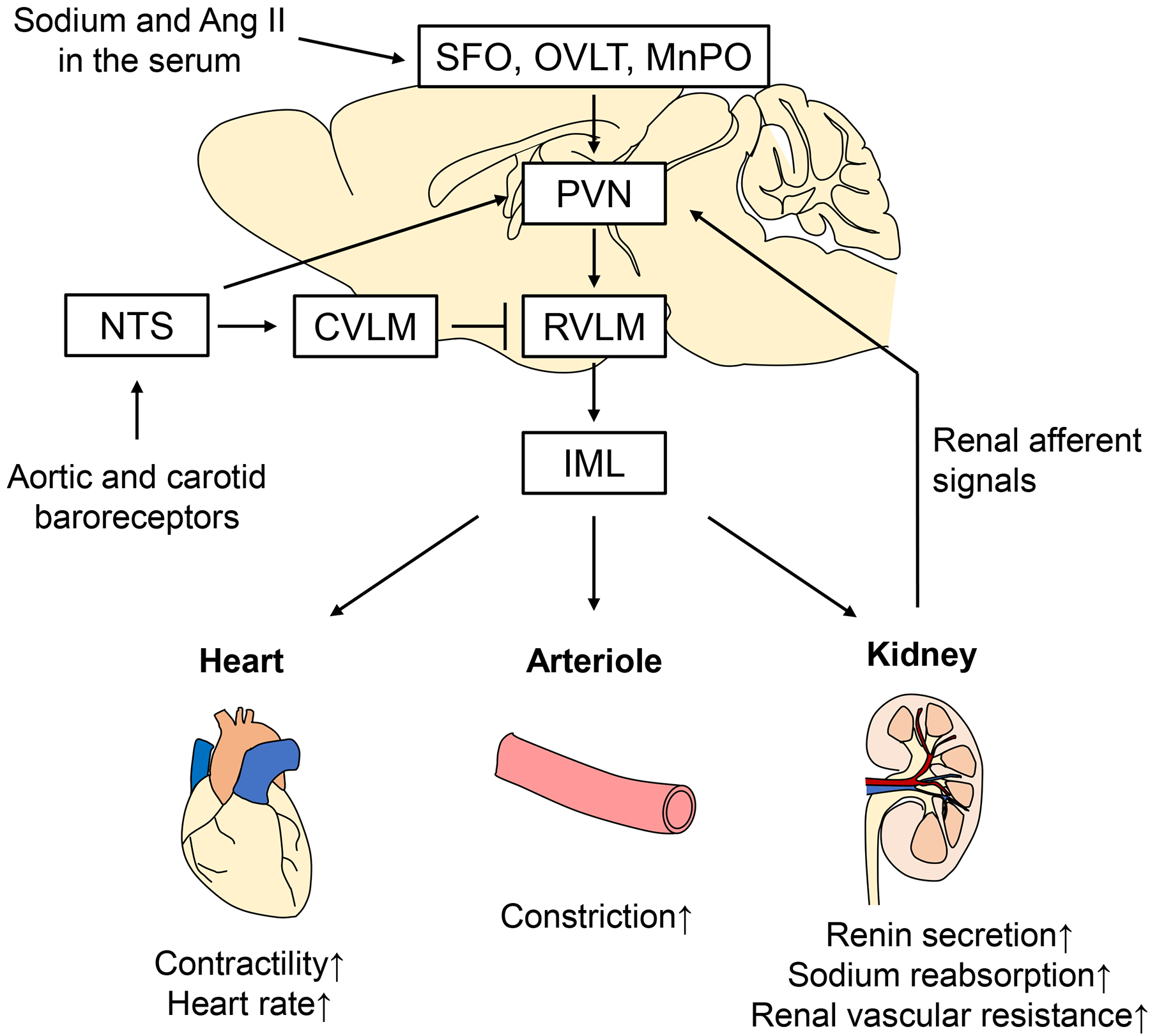
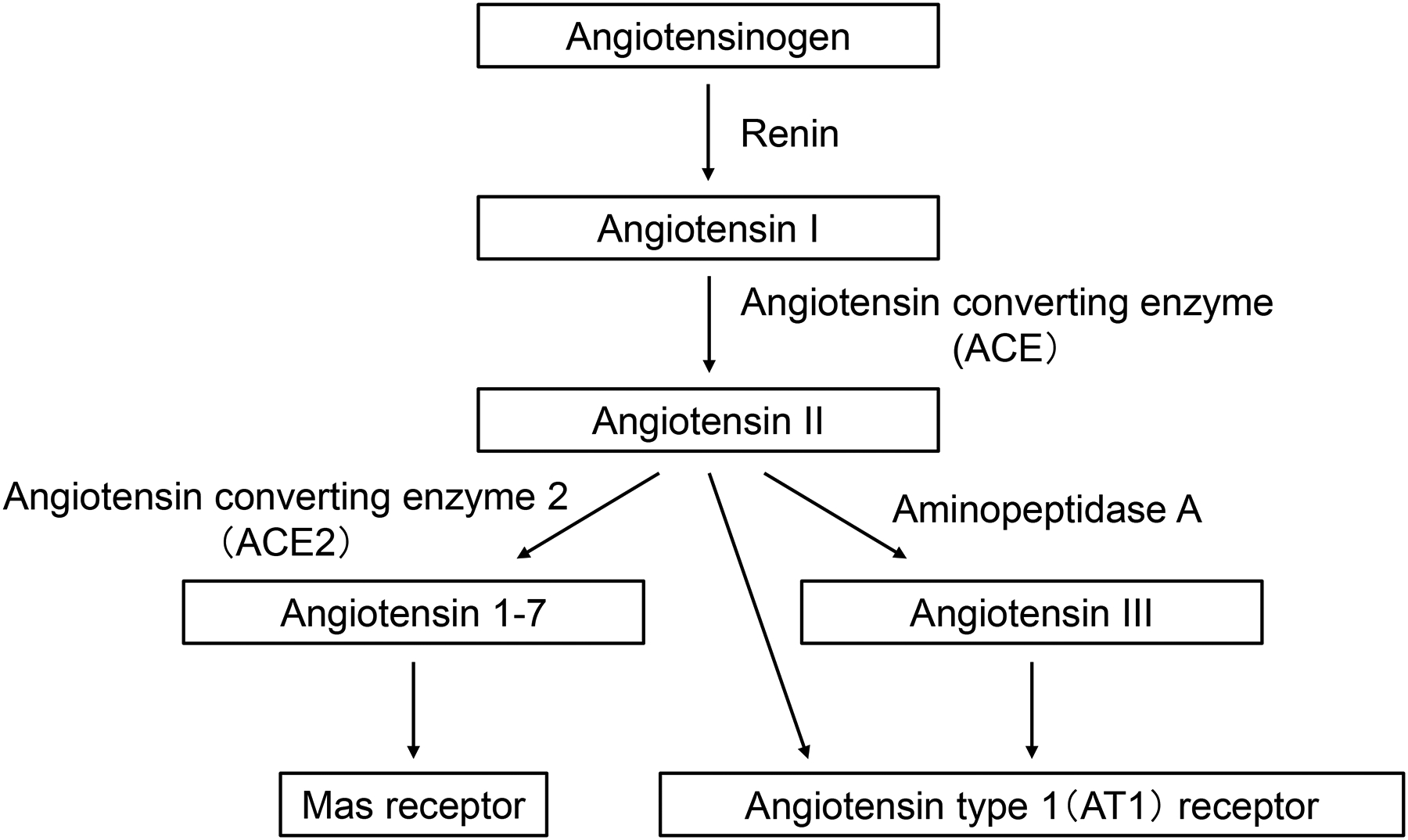
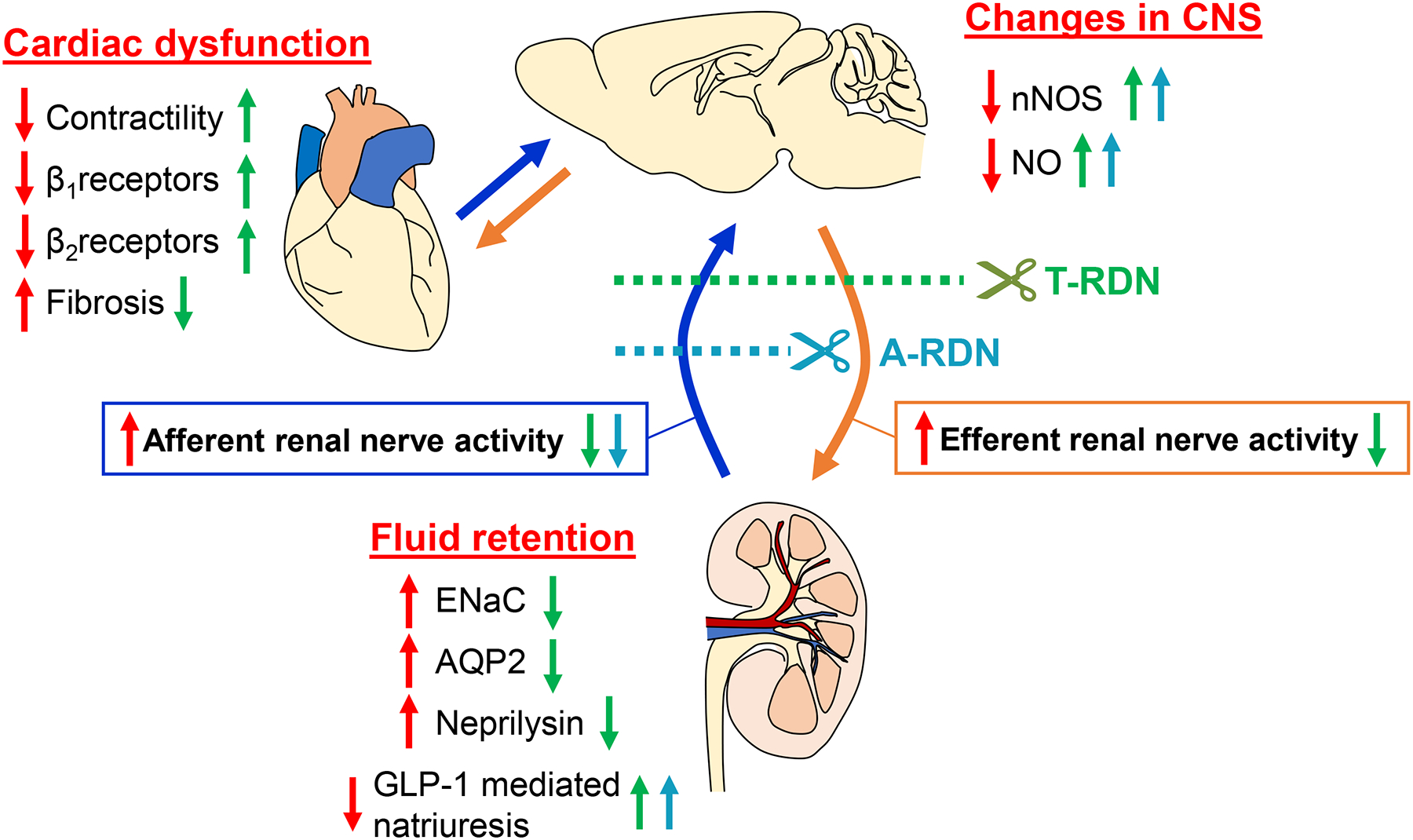
Excessive activation of the sympathetic nervous system is one of the pathophysiological hallmarks of hypertension and heart failure. Within the central nervous system, the paraventricular nucleus (PVN) of the hypothalamus and the rostral ventrolateral medulla in the brain stem play critical roles in the regulation of sympathetic outflow to peripheral organs. Information from the peripheral circulation, including serum concentrations of sodium and angiotensin II, is conveyed to the PVN via adjacent structures with a weak blood-brain barrier. In addition, signals from baroreceptors, chemoreceptors and cardiopulmonary receptors as well as afferent input via the renal nerves are all integrated at the level of the PVN. The brain renin-angiotensin system and the balance between nitric oxide and reactive oxygen species in these brain areas also determine the final sympathetic outflow. Additionally, brain inflammatory responses have been shown to modulate these processes. Renal denervation interrupts both the afferent inputs from the kidney to the PVN and the efferent outputs from the PVN to the kidney, resulting in the suppression of sympathetic outflow and eliciting beneficial effects on both hypertension and heart failure.
Keywords: Heart failure; Hypertension; Paraventricular nucleus; Renal denervation; Sympathetic nervous system.
© 2021. The Author(s), under exclusive licence to The Japanese Society of Hypertension.
Conflict of interest statement
Conflict of interest
Kazuomi Kario MD PhD (K.K)., received speaker fees and works as a consultant to JIMRO Co.Ltd., Medtronic Co.Inc. and Terumo Co.Inc.. The other authors declare that they have no conflict of interest.
Figures
Comment in
-
Long-term blood pressure lowering effect of renal denervation and its patient preference, salt intake, and stroke in Asia.Hypertens Res. 2022 Jun;45(6):933-935. doi: 10.1038/s41440-022-00915-2. Epub 2022 Jun 6. Hypertens Res. 2022. PMID: 35665779 No abstract available.
References
-
- Hering D and Schlaich M. The Role of Central Nervous System Mechanisms in Resistant Hypertension. Curr Hypertens Rep. 2015;17:58. - PubMed
-
- Hasking GJ, Esler MD, Jennings GL, Burton D, Johns JA and Korner PI. Norepinephrine spillover to plasma in patients with congestive heart failure: evidence of increased overall and cardiorenal sympathetic nervous activity. Circulation. 1986;73:615–21. - PubMed
-
- Kario K. Essential manual of 24 hour blood pressure management : from morning to nocturnal hypertension. Chichester, West Sussex, UK; Malden, MA: John Wiley & Sons Inc.; 2015.
-
- Guyenet PG. The sympathetic control of blood pressure. Nat Rev Neurosci. 2006;7:335–46. - PubMed
-
- Hirooka Y. Sympathetic Activation in Hypertension: Importance of the Central Nervous System. Am J Hypertens. 2020;33:914–926. - PubMed
Publication types
MeSH terms
Grants and funding
LinkOut - more resources
Full Text Sources
