Neglected Parasitic Infections: What Family Physicians Need to Know-A CDC Update
- PMID: 34523888
- PMCID: PMC9096899
Neglected Parasitic Infections: What Family Physicians Need to Know-A CDC Update
Abstract
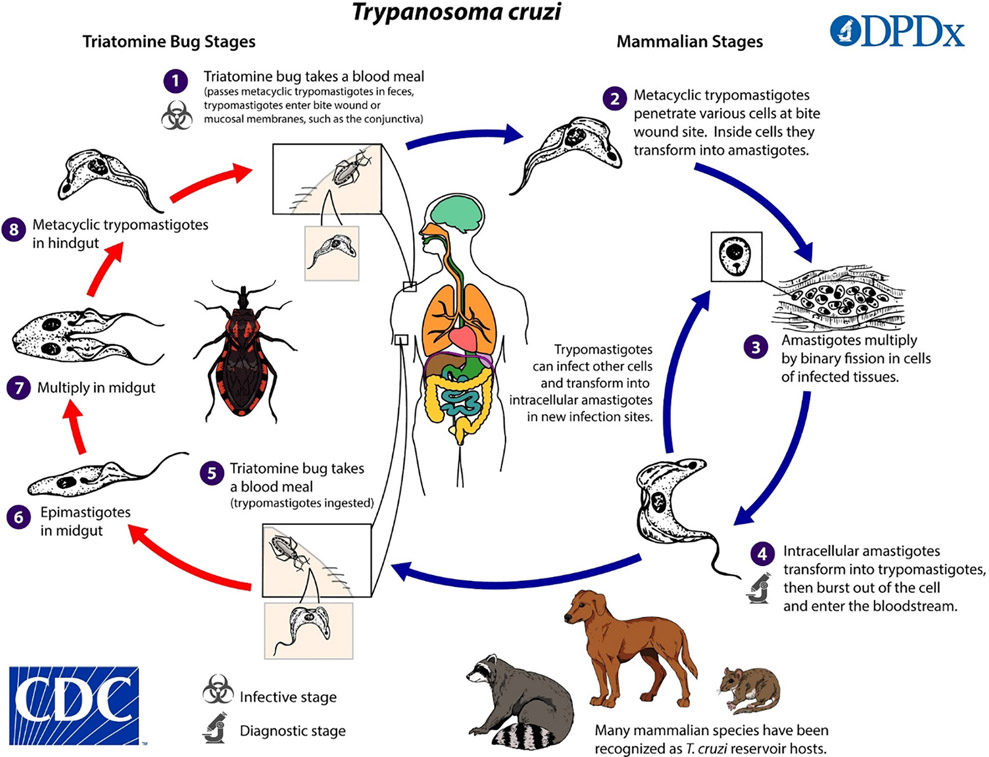
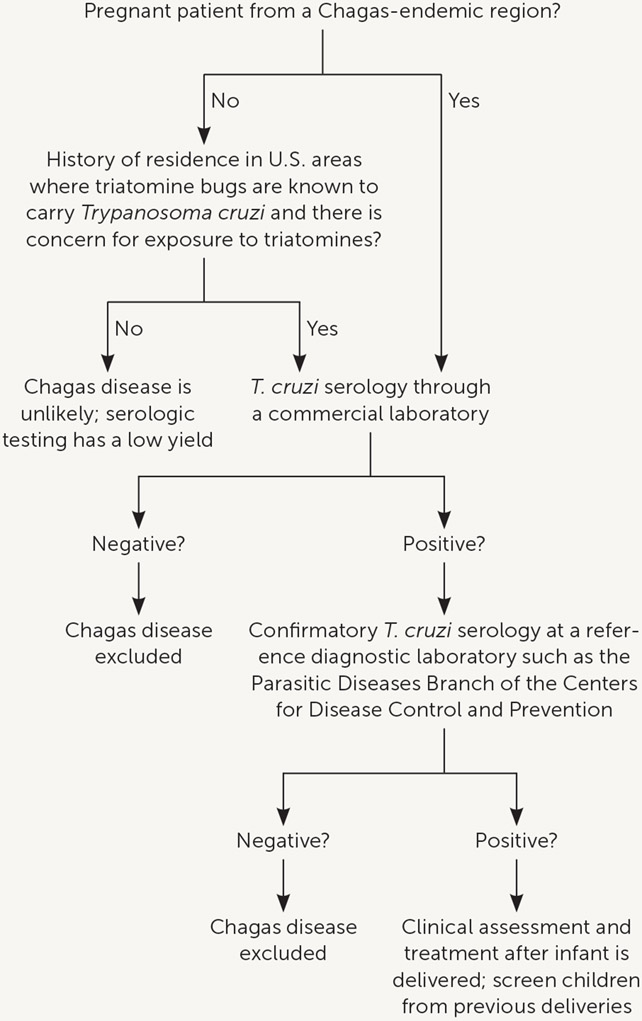
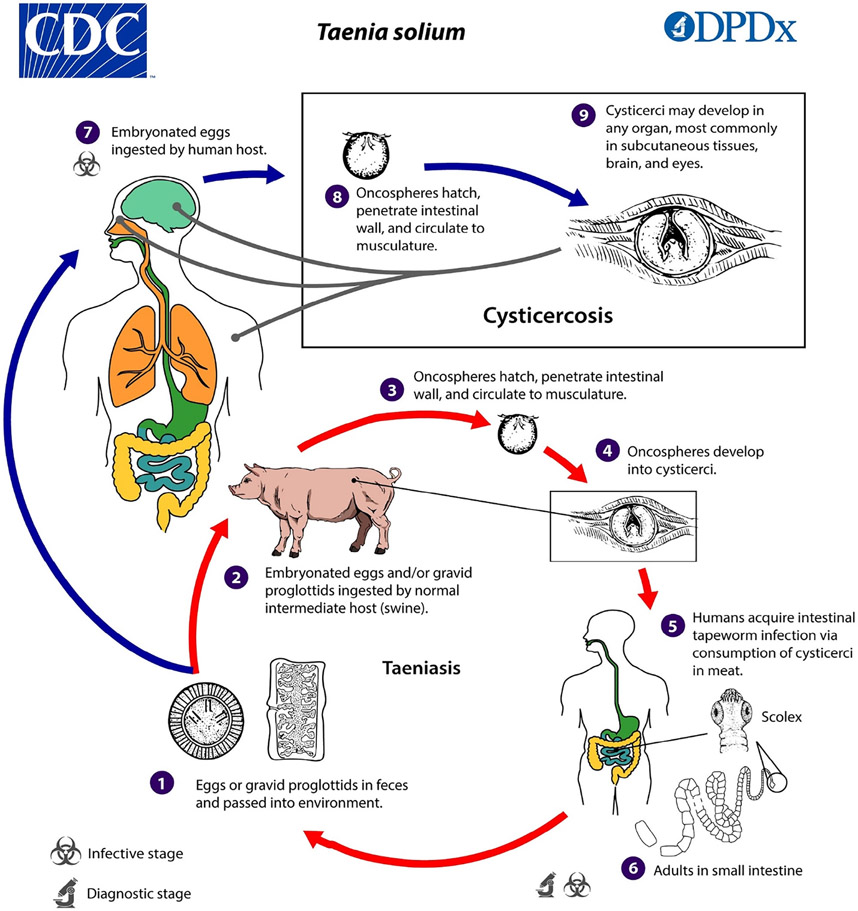
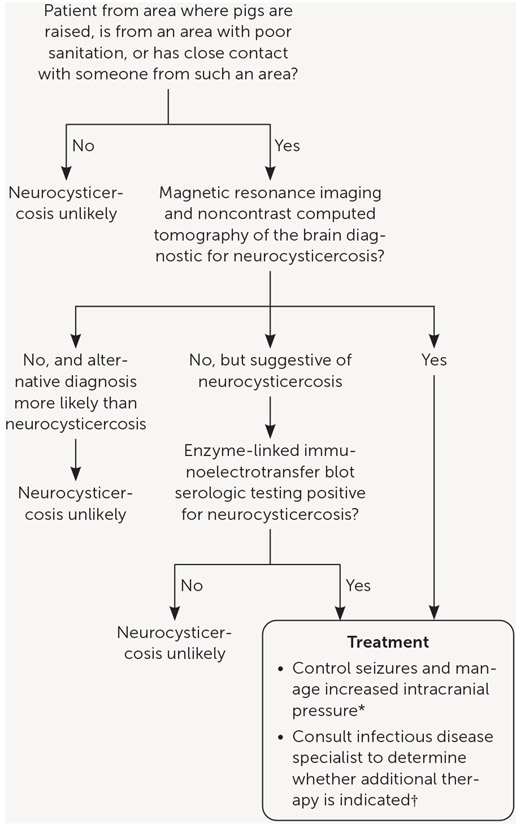
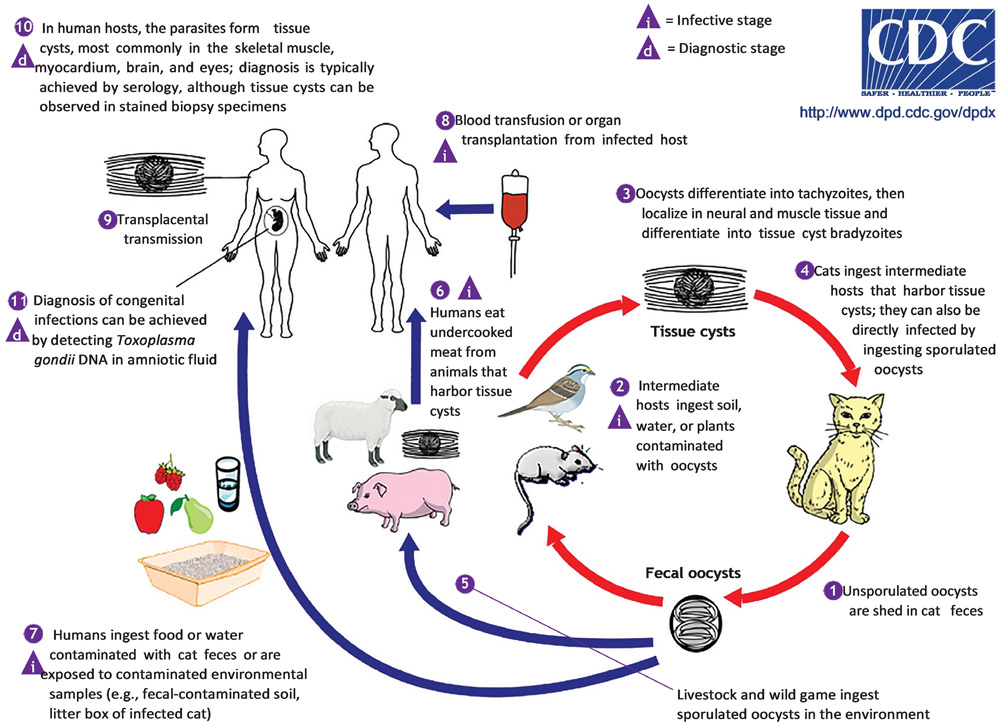
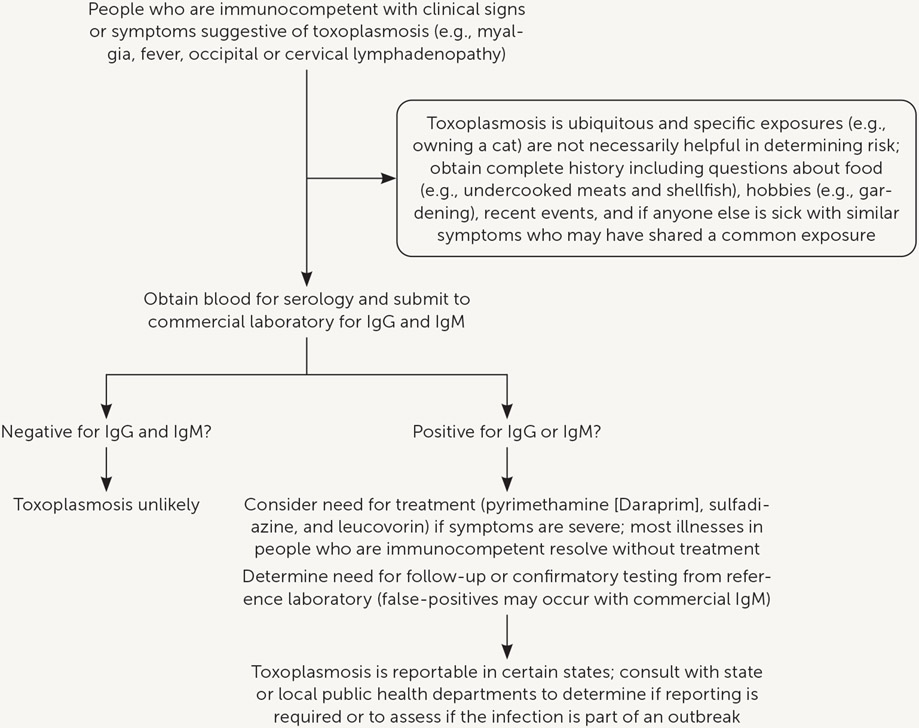
Chagas disease, cysticercosis, and toxoplasmosis affect millions of people in the United States and are considered neglected parasitic diseases. Few resources are devoted to their surveillance, prevention, and treatment. Chagas disease, transmitted by kissing bugs, primarily affects people who have lived in Mexico, Central America, and South America, and it can cause heart disease and death if not treated. Chagas disease is diagnosed by detecting the parasite in blood or by serology, depending on the phase of disease. Antiparasitic treatment is indicated for most patients with acute disease. Treatment for chronic disease is recommended for people younger than 18 years and generally recommended for adults younger than 50 years. Treatment decisions should be individualized for all other patients. Cysticercosis can manifest in muscles, the eyes, and most critically in the brain (neurocysticercosis). Neurocysticercosis accounts for 2.1% of all emergency department visits for seizures in the United States. Diagnosing neurocysticercosis involves serology and neuroimaging. Treatment includes symptom control and antiparasitic therapy. Toxoplasmosis is estimated to affect 11% of people older than six years in the United States. It can be acquired by ingesting food or water that has been contaminated by cat feces; it can also be acquired by eating undercooked, contaminated meat. Toxoplasma infection is usually asymptomatic; however, people who are immunosuppressed can develop more severe neurologic symptoms. Congenital infection can result in miscarriage or adverse fetal effects. Diagnosis is made with serologic testing, polymerase chain reaction testing, or parasite detection in tissue or fluid specimens. Treatment is recommended for people who are immunosuppressed, pregnant patients with recently acquired infection, and people who are immunocompetent with visceral disease or severe symptoms.
Figures
Comment in
-
Parasitic Infections: Do Not Neglect Strongyloidiasis.Am Fam Physician. 2021 Sep 1;104(3):224-225. Am Fam Physician. 2021. PMID: 34523890 No abstract available.
References
-
- Centers for Disease Control and Prevention. Parasites – parasitic infections in the United States. November 20, 2020. Accessed February 22, 2021. https://www.cdc.gov/parasites/npi/index.html
-
- Woodhall D, Jones JL, Cantey PT, et al. Neglected parasitic infections: what every family physician needs to know Am Fam Physician 2014;89(10):803–811 Accessed February 22, 2021. https://www.aafp.org/afp/2014/0515/p803.html - PubMed
-
- Centers for Disease Control and Prevention. Parasites - American trypanosomiasis (also known as Chagas disease). Biology. Updated February 11, 2019. Accessed May 13, 2020. https://www.cdc.gov/parasites/chagas/biology.html
-
- Bern C, Montgomery SP. An estimate of the burden of Chagas disease in the United States. Clin Infect Dis. 2009;49(5):e52–e54. - PubMed
MeSH terms
Grants and funding
LinkOut - more resources
Full Text Sources
Medical
Miscellaneous