


Baseline Characteristics of Patients With Cavernous Angiomas With Symptomatic Hemorrhage in Multisite Trial Readiness Project
- PMID: 34525838
- PMCID: PMC8608704
- DOI: 10.1161/STROKEAHA.120.033487
Baseline Characteristics of Patients With Cavernous Angiomas With Symptomatic Hemorrhage in Multisite Trial Readiness Project
Abstract
Background and purpose: Brain cavernous angiomas with symptomatic hemorrhage (CASH) have a high risk of neurological disability from recurrent bleeding. Systematic assessment of baseline features and multisite validation of novel magnetic resonance imaging biomarkers are needed to optimize clinical trial design aimed at novel pharmacotherapies in CASH.
Methods: This prospective, multicenter, observational cohort study included adults with unresected, adjudicated brain CASH within the prior year. Six US sites screened and enrolled patients starting August 2018. Baseline demographics, clinical and imaging features, functional status (modified Rankin Scale and National Institutes of Health Stroke Scale), and patient quality of life outcomes (Patient-Reported Outcomes Measurement Information System-29 and EuroQol-5D) were summarized using descriptive statistics. Patient-Reported Outcomes Measurement Information System-29 scores were standardized against a reference population (mean 50, SD 10), and one-sample t test was performed for each domain. A subgroup underwent harmonized magnetic resonance imaging assessment of lesional iron content with quantitative susceptibility mapping and vascular permeability with dynamic contrast-enhanced quantitative perfusion.
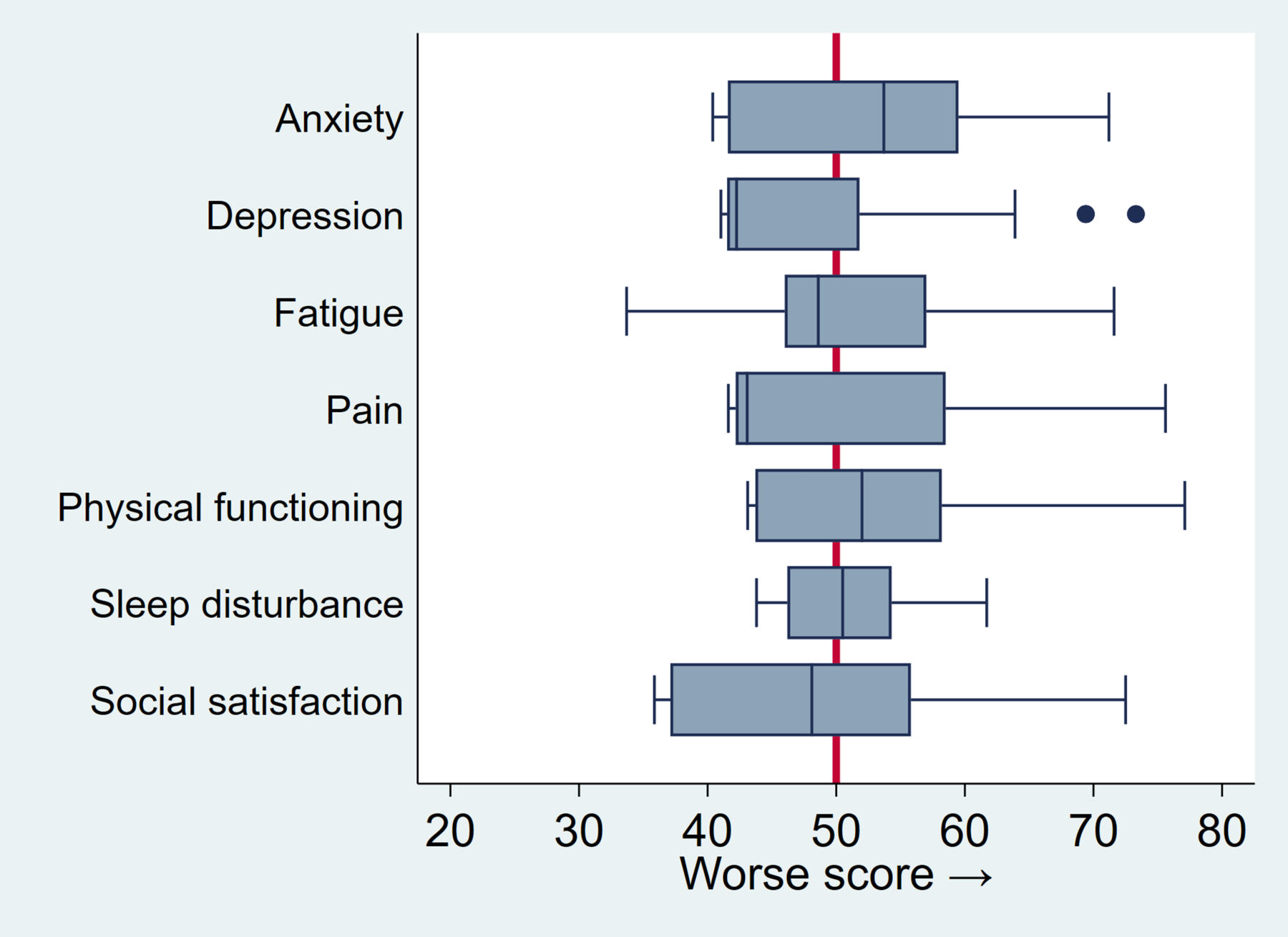
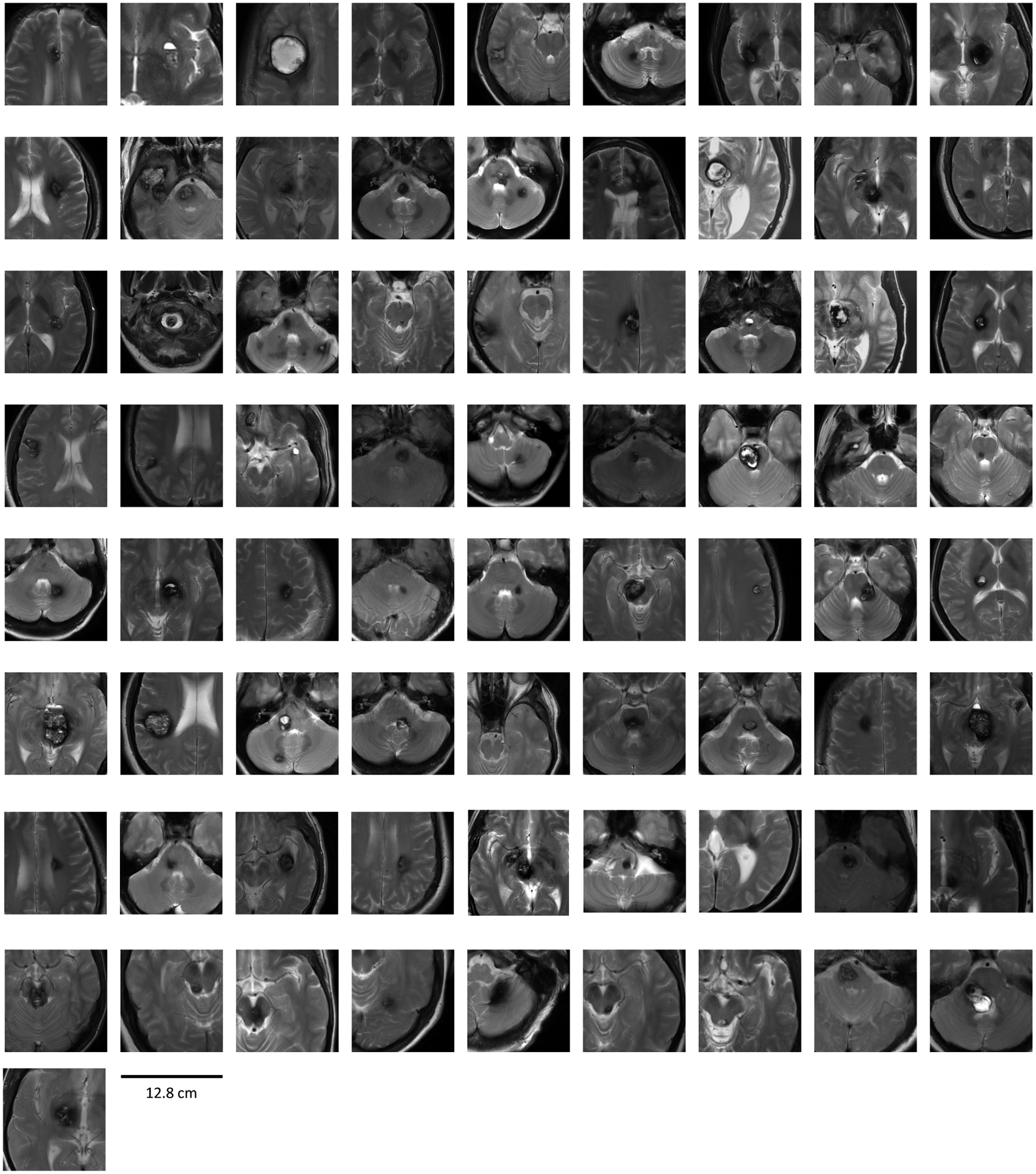
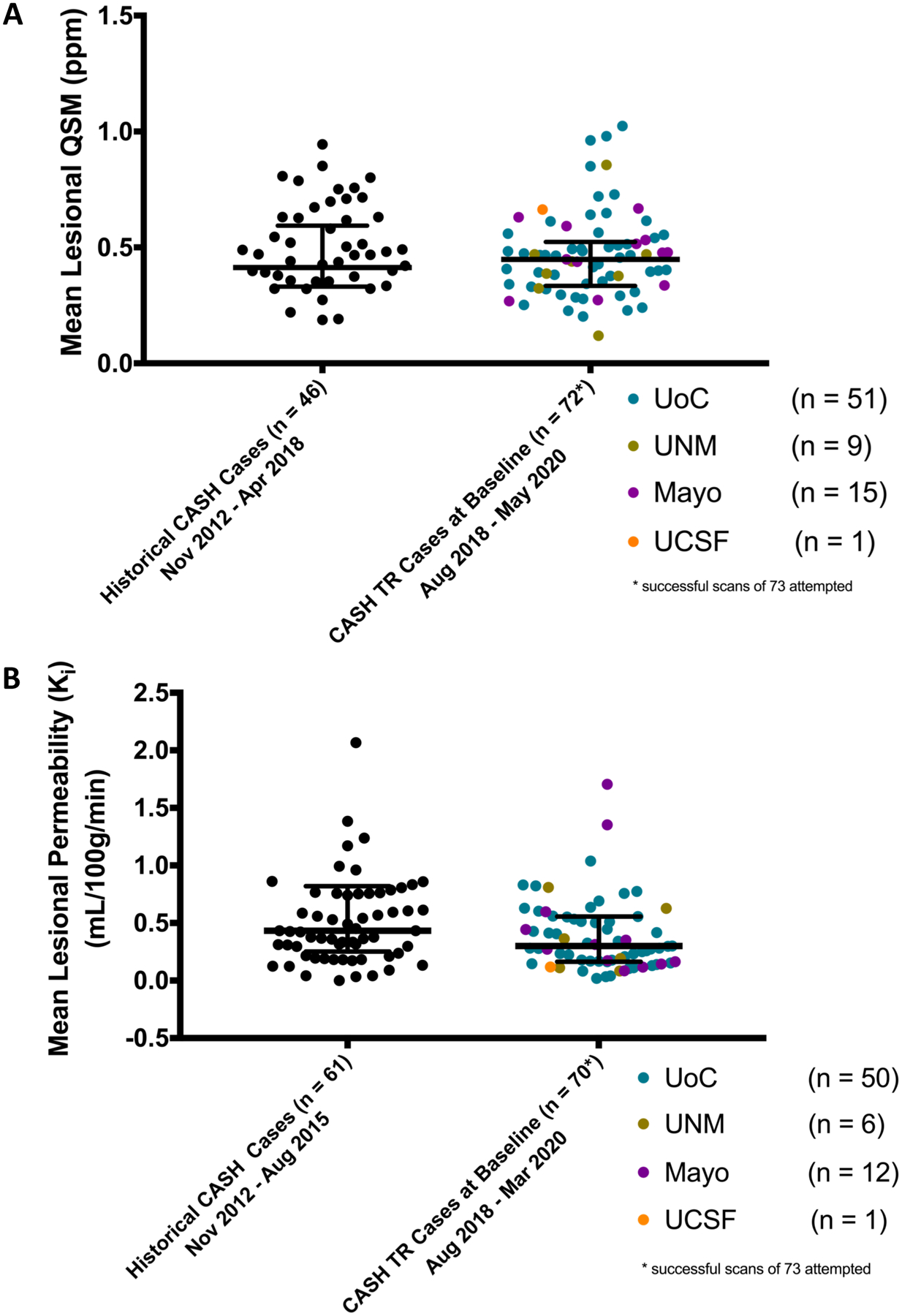
Results: As of May 2020, 849 patients were screened and 110 CASH cases enrolled (13% prevalence of trial eligible cases). The average age at consent was 46±16 years, 53% were female, 41% were familial, and 43% were brainstem lesions. At enrollment, ≥90% of the cohort had independent functional outcome (modified Rankin Scale score ≤2 and National Institutes of Health Stroke Scale score <5). However, perceived health problems affecting quality of life were reported in >30% of patients (EuroQol-5D). Patients had significantly worse Patient-Reported Outcomes Measurement Information System-29 scores for anxiety (P=0.007), but better depression (P=0.002) and social satisfaction scores (P=0.012) compared with the general reference population. Mean baseline quantitative susceptibility mapping and permeability of CASH lesion were 0.45±0.17 ppm and 0.39±0.31 mL/100 g per minute, respectively, which were similar to historical CASH cases and consistent across sites.
Conclusions: These baseline features will aid investigators in patient stratification and determining the most appropriate outcome measures for clinical trials of emerging pharmacotherapies in CASH.
Keywords: biomarkers; clinical trial; intracranial hemorrhage; magnetic resonance imaging; quality of life; vascular malformations.
Figures
References
-
- Al-Shahi Salman R, Berg MJ, Morrison L, Awad IA. Hemorrhage from cerebral cavernous malformations: Definition and reporting standards. Stroke. 2008;39:3222–3230 - PubMed
-
- Akers A, Al-Shahi Salman R, Awad IA, Dahlem K, Flemming K, Hart B, Kim H, Jusue-Torres I, Kondziolka D, Lee C, et al. Synopsis of guidelines for the clinical management of cerebral cavernous malformations: Consensus recommendations based on systematic literature review by the angioma alliance scientific advisory board clinical experts panel. Neurosurgery. 2017;80:665–680 - PMC - PubMed
