


Genome Mining of Three Plant Growth-Promoting Bacillus Species from Maize Rhizosphere
- PMID: 34529229
- PMCID: PMC8610958
- DOI: 10.1007/s12010-021-03660-3
Genome Mining of Three Plant Growth-Promoting Bacillus Species from Maize Rhizosphere
Abstract
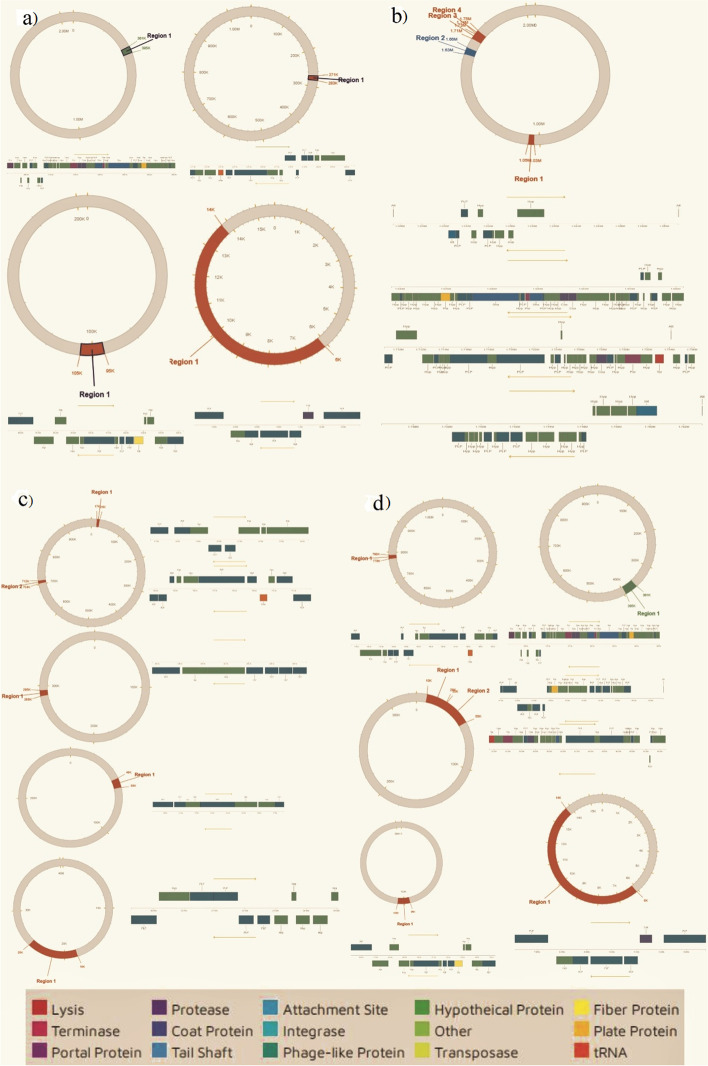
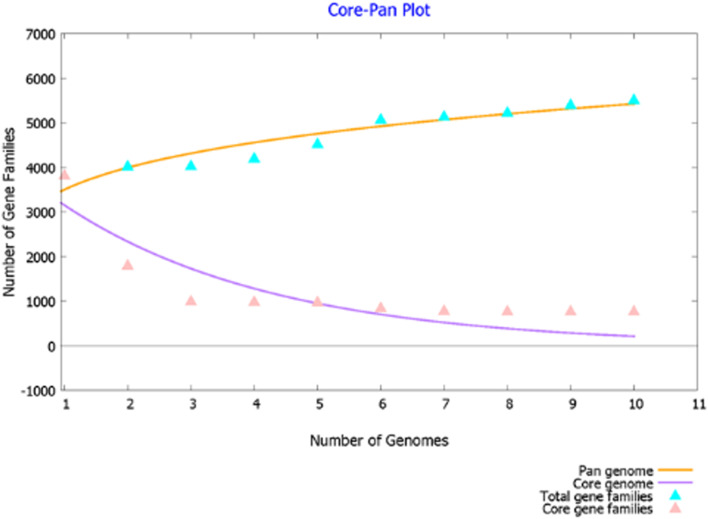
Bacillus species genomes are rich in plant growth-promoting genetic elements. Bacillus subtilis and Bacillus velezensis are important plant growth promoters; hence, to further improve their abilities, the genetic elements responsible for these traits were characterized and reported. Genetic elements reported include those of auxin, nitrogen fixation, siderophore production, iron acquisition, volatile organic compounds, and antibiotics. Furthermore, the presence of phages and antibiotic-resistant genes in the genomes are reported. Pan-genome analysis was conducted using ten Bacillus species. From the analysis, pan-genome of Bacillus subtilis and Bacillus velezensis are still open. Ultimately, this study brings an insight into the genetic components of the plant growth-promoting abilities of these strains and shows their potential biotechnological applications in agriculture and other relevant sectors.
Keywords: Bacillus; Biosynthetic gene clusters; Comparative genomics; Functional genomics; Pan-genome analysis; Plant growth-promoting bacteria.
© 2021. The Author(s).
Conflict of interest statement
The authors declare no competing interests.
Figures
References
-
- Alcock BP, Raphenya AR, Lau TTY, Tsang KK, Bouchard M, Edalatmand A, Huynh W, Nguyen A-LV, Cheng AA, Liu S, Min SY, Miroshnichenko A, Tran H-K, Werfalli RE, Nasir JA, Oloni M, Speicher DJ, Florescu A, Singh B, Faltyn M, Hernandez-Koutoucheva A, Sharma AN, Bordeleau E, Pawlowski AC, Zubyk HL, Dooley D, Griffiths E, Maguire F, Winsor GL, Beiko RG, Brinkman FSL, Hsiao WWL, Domselaar GV, McArthur AG. CARD 2020: Antibiotic resistome surveillance with the comprehensive antibiotic resistance database. Nucleic Acids Research. 2019;48:D517–D525. - PMC - PubMed
-
- Alori, E. T., Dare, M. O., & Babalola, O. O. (2017). Microbial inoculants for soil quality and plant health. Sustainable Agriculture Reviews,281–30710.1007/978-3-319-48006-0_9
MeSH terms
Grants and funding
LinkOut - more resources
Full Text Sources
