


Testosterone treatment improves liver function and reduces cardiovascular risk: A long-term prospective study
- PMID: 34552789
- PMCID: PMC8451678
- DOI: 10.1080/2090598X.2021.1959261
Testosterone treatment improves liver function and reduces cardiovascular risk: A long-term prospective study
Abstract
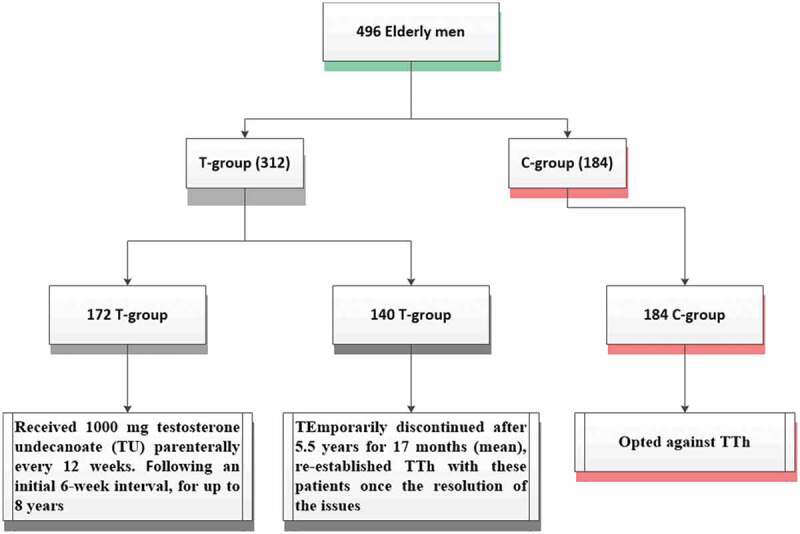
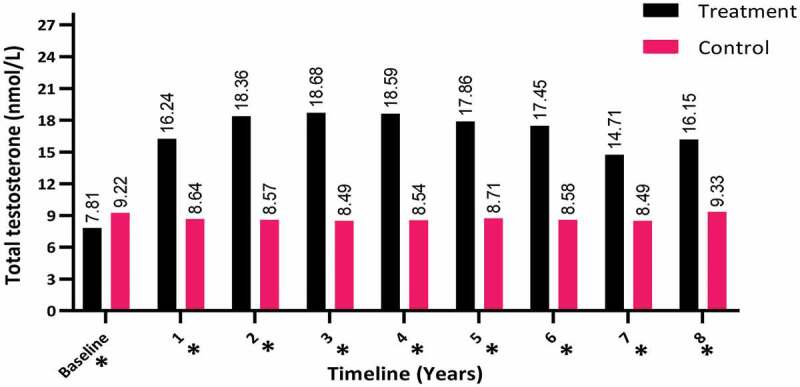
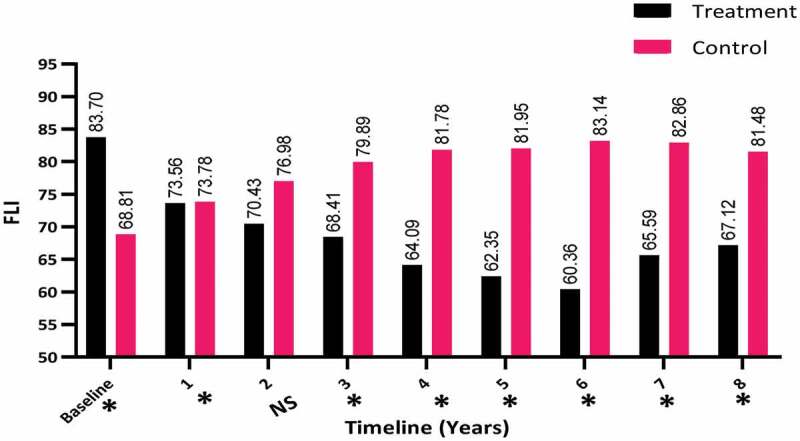
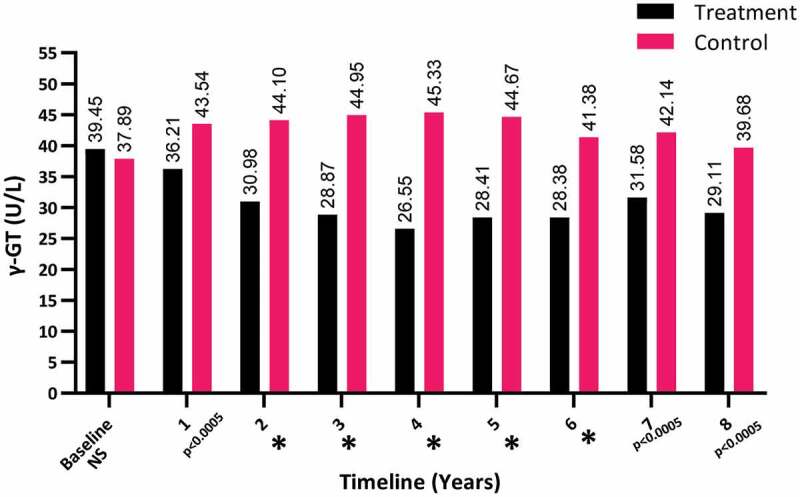
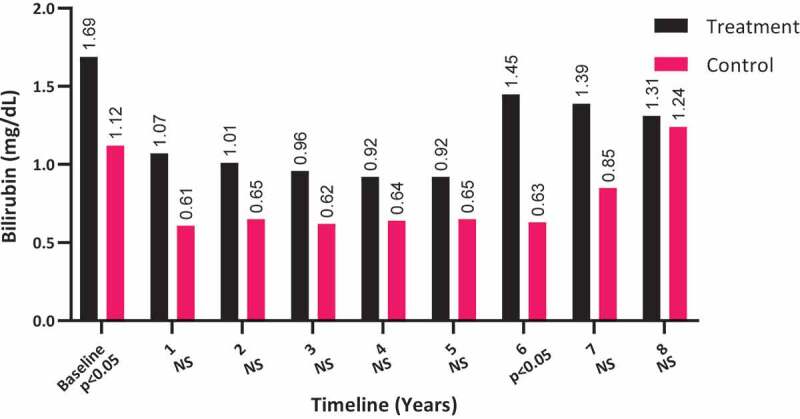
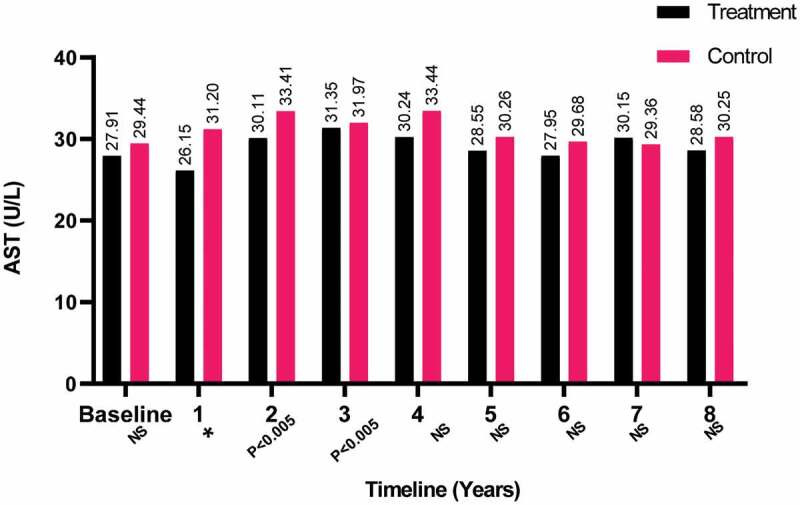
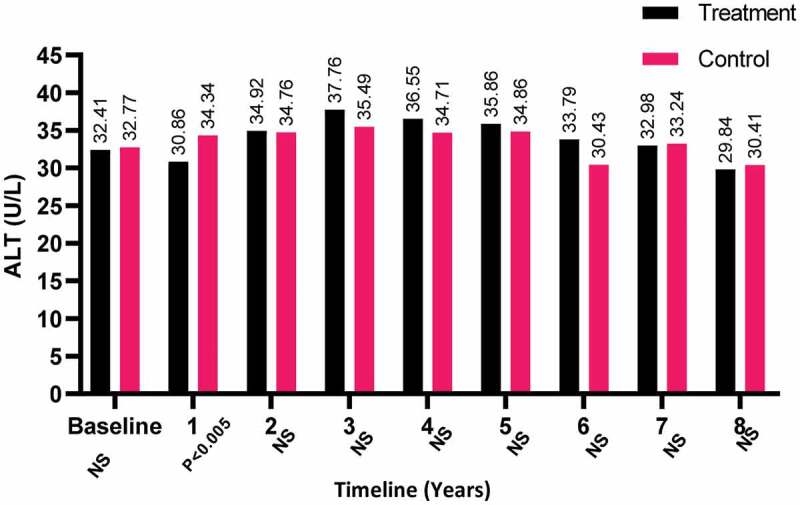
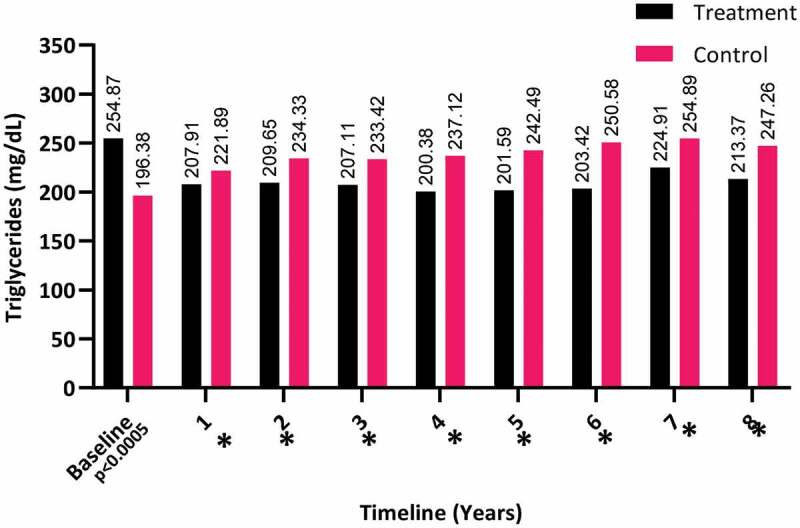
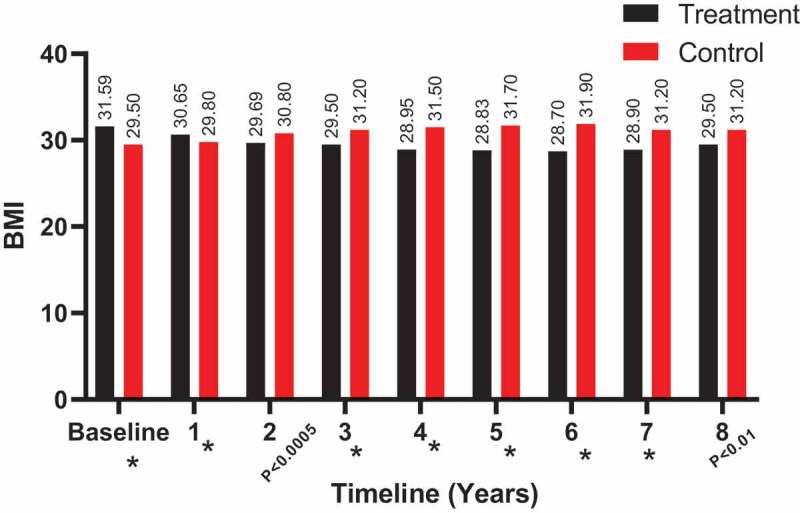
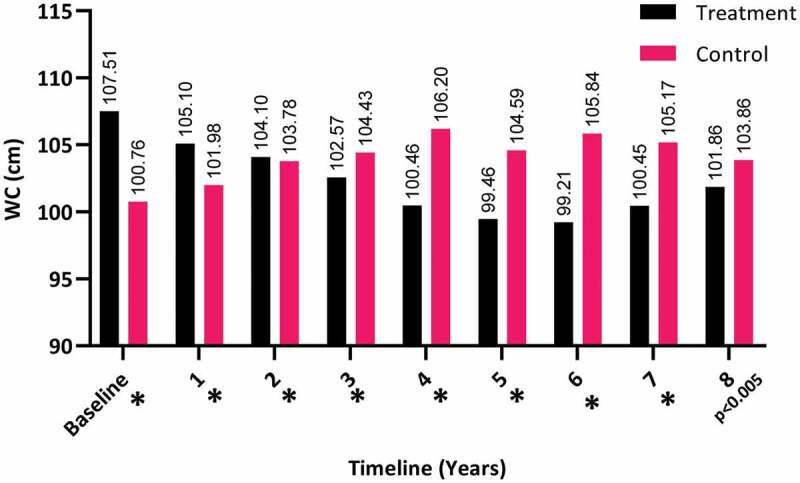
Objectives: To report the association between testosterone treatment in hypogonadal men with hepatic steatosis, non-alcoholic fatty liver disease and cardiovascular disease (CVD). Methods: A prospective study was conducted to assess the physiological and functional performance of the long-term effects of testosterone undecanoate treatment on hepatic steatosis in 496 hypogonadal men. Two groups were studied, the treatment group (T-group) of 312 patients treated with TU 1000 mg every 12 weeks and followed for 8 years, and an untreated control group (C-group) of 184 patients. We evaluated liver functions and Fatty Liver Index (FLI) according to Mayo Clinic parameters and guidelines. Results: The T-group showed a decrease in the FLI (from a mean [SD] of 83.70 [12.15] to 67.12 [19.21]), bilirubin (from a mean [SD] of 1.69 [4.21] to 1.31 [1.91] mg/dL), triglycerides (from a mean [SD] of 254.87 [92.99] to 213.37 [66.91] mg/dL), and gamma-glutamyl-transferase (from a mean [SD] of 39.45 [11.51] to 29.11 [7.68] U/L) over the duration of the study. Other parameters were also reduced in the T-group such as body mass index (from a mean [SD] of 31.59 [4.51] to 29.50 [3.84] kg/m2) and waist circumference (from a mean [SD] of 107.51 [9.95] to 101.86 [9.28] cm). A total of 25 deaths (7.8%) were recorded in the T-group, among them, 11 (44%) were related to CVD. While in the C-group 28 deaths (15.2%) were recorded and all the reported deaths (100%) were related to CVD. Conclusions: The findings suggest that long-term testosterone therapy in hypogonadal men improves liver function. While, the physiological and functional improvements in the liver may be associated with a decrease in CVD-related mortality. Abbreviations ALT: alanine transaminase; AR: androgen receptor; AST: aspartate transaminase; BMI: body mass index; CVD: cardiovascular disease; FLI: Fatty Liver Index; γ-GT: gamma-glutamyl-transferase; MetS: metabolic syndrome; LDL: low-density lipoprotein; NAFLD: non-alcoholic fatty liver disease; RCT: randomised controlled trial; T2DM: type II diabetes mellitus; TT: total testosterone; TTh: testosterone therapy; TU: testosterone undecanoate; WC: waist circumference.
Keywords: Testosterone therapy; cardiovascular risk factor; hypogonadism; men; mortality; renal function.
© 2021 The Author(s). Published by Informa UK Limited, trading as Taylor & Francis Group.
Conflict of interest statement
No potential conflict of interest was reported by the author(s).
Figures
References
-
- Barritt AS.Nonalcoholic fatty liver disease: epidemiology, assessments, and interventions entering 202. Clin Ther. 2021;43(3):436–437. - PubMed
-
- Mohr BA, Bhasin S, Link CL, et al. The effect of changes in adiposity on testosterone levels in older men: longitudinal results from the Massachusetts male aging study. Eur J Endocrinol. 2006;155(3):443–452. - PubMed
-
- Roden M. Mechanisms of disease: hepatic steatosis in type 2 diabetes—pathogenesis and clinical relevance. Nat Clin Pract Endocrinol Metab. 2006;2(6):335–348. - PubMed
LinkOut - more resources
Full Text Sources
Research Materials
Miscellaneous
