


The efficacy and safety of acupuncture in nonalcoholic fatty liver disease: A systematic review and meta-analysis of randomized controlled trials
- PMID: 34559098
- PMCID: PMC8462626
- DOI: 10.1097/MD.0000000000027050
The efficacy and safety of acupuncture in nonalcoholic fatty liver disease: A systematic review and meta-analysis of randomized controlled trials
Abstract
Background: The aim of this study was to determine the efficacy and safety of acupuncture treatment (AT) or acupuncture plus conventional medicine (CM) versus CM alone using a meta-analysis of all published randomized controlled trials (RCTs) for nonalcoholic fatty liver disease (NAFLD).
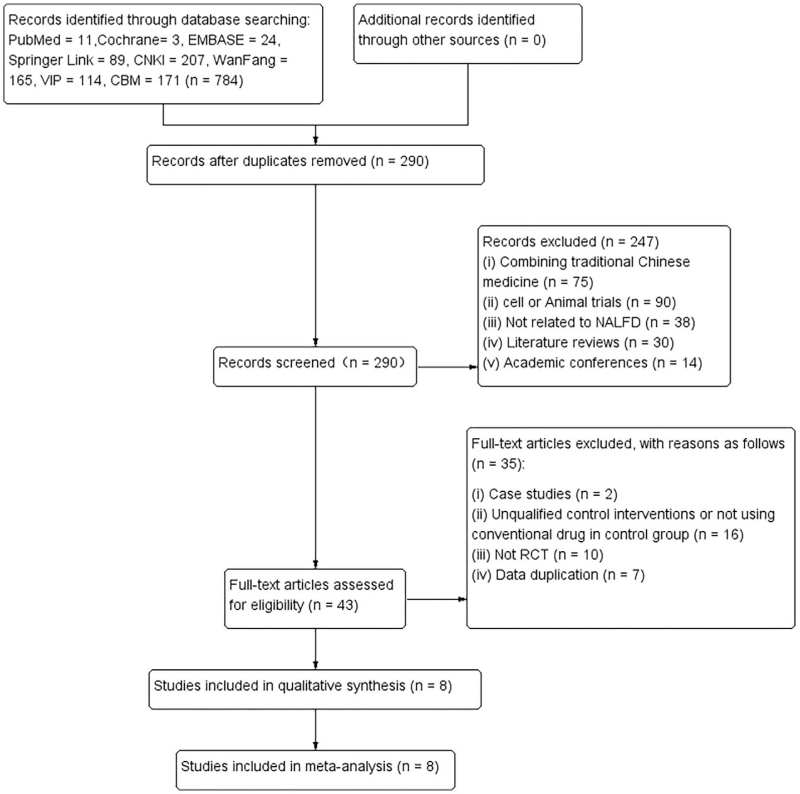
Methods: Eight databases were searched independently from inception to April 30, 2020. RCTs were included if they contained reports on the use acupuncture or the use of acupuncture combined with CM and compared with the use of CM. Summary odds ratio (OR) and 95% confidence intervals (CIs) were used to calculate the overall clinical efficacy. Secondary outcomes, namely aspartate aminotransferase, alanine aminotransferase, total cholesterol, triglyceride, high-density lipoprotein cholesterol, low-density lipoprotein cholesterol, and body mass index, were calculated by mean difference with 95% CIs.
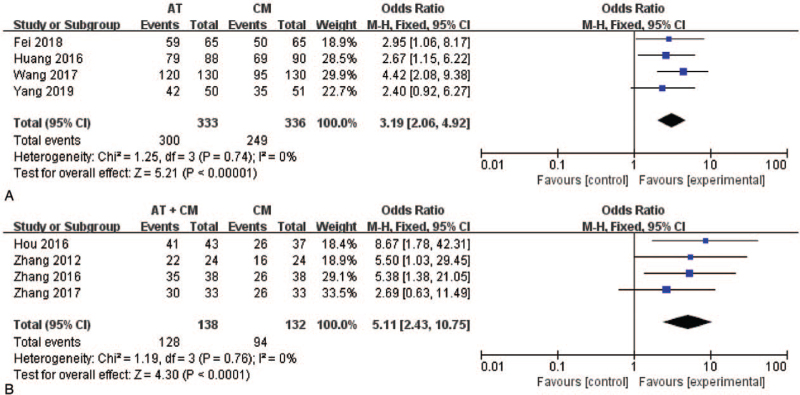
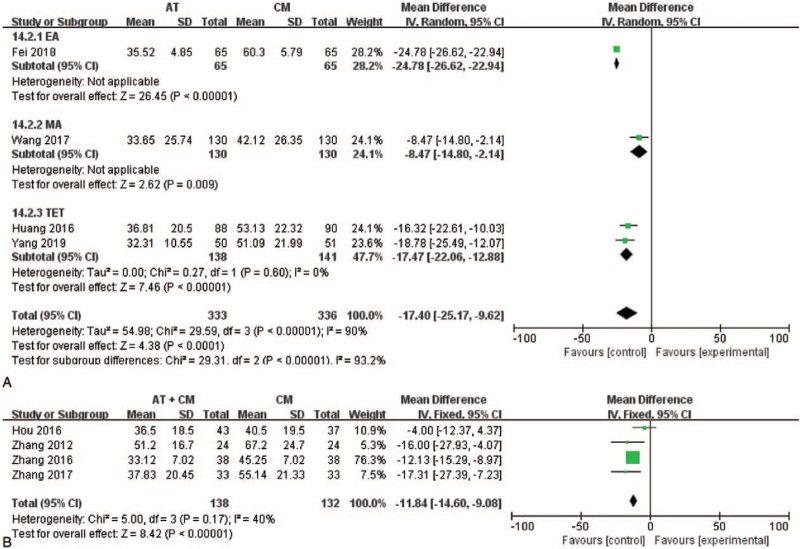
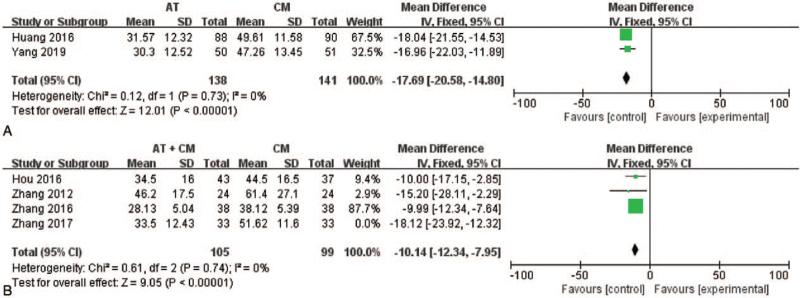
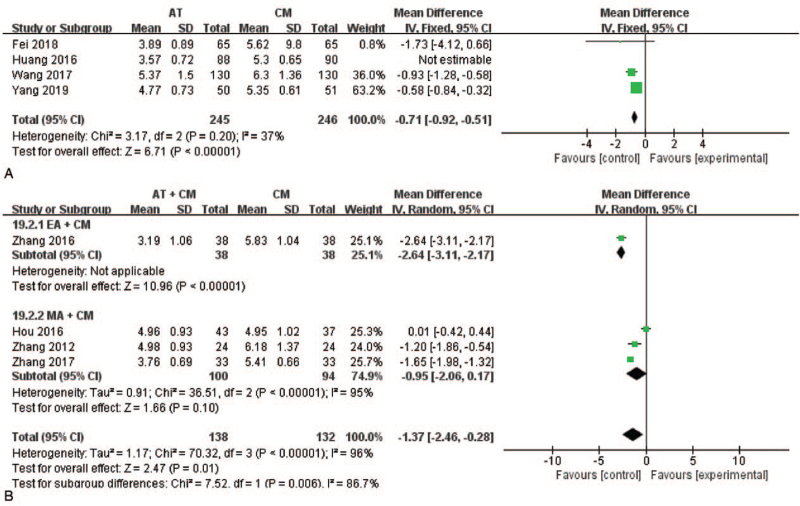
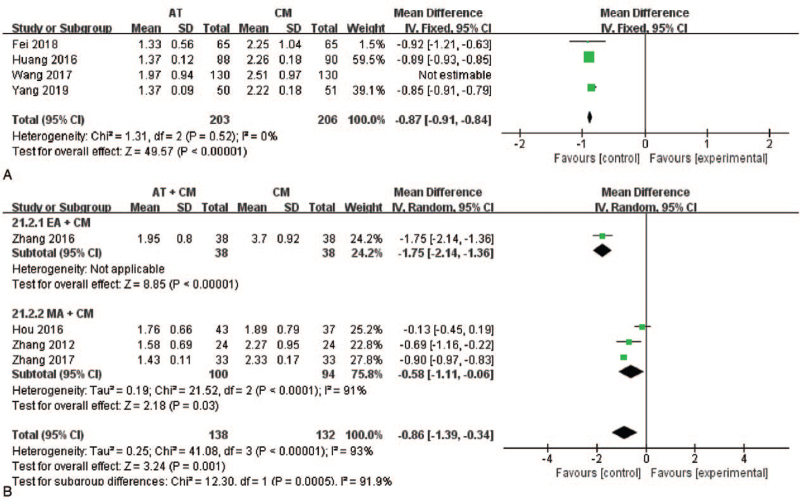
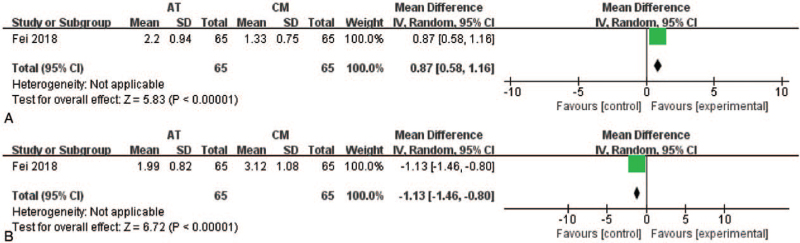
Results: After the final screening, 8 RCTs with 939 patients were included. This meta-analysis showed that AT was superior to CM in improving overall clinical efficacy (OR = 3.19, 95% CI: 2.06-4.92, P < .00001). In addition, AT plus CM could significantly improve overall clinical efficacy compared to treatment with CM alone (OR = 5.11, 95% CI: 2.43-10.75, P < .0001). Moreover, the benefits were also demonstrated in other outcomes, including alanine aminotransferase, aspartate aminotransferase, total cholesterol, triglyceride, high-density lipoprotein cholesterol, and low-density lipoprotein cholesterol indexes. However, AT plus CM could not decrease body mass index levels in comparison with CM. The safety profile of Acupuncture therapy was satisfactory. Taichong, Zusanli, Fenglong, and Sanyinjiao were major acupoints on NAFLD treatment.
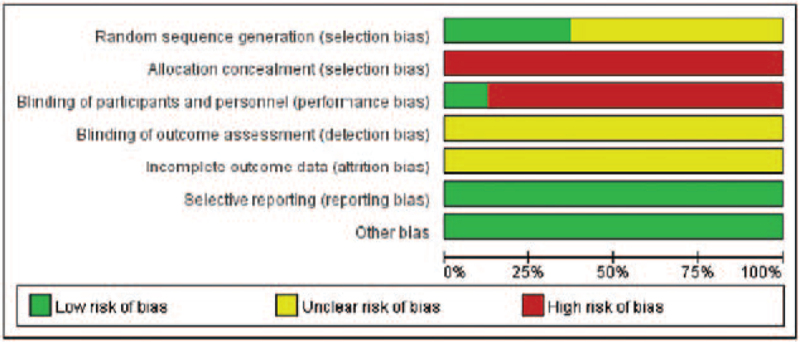
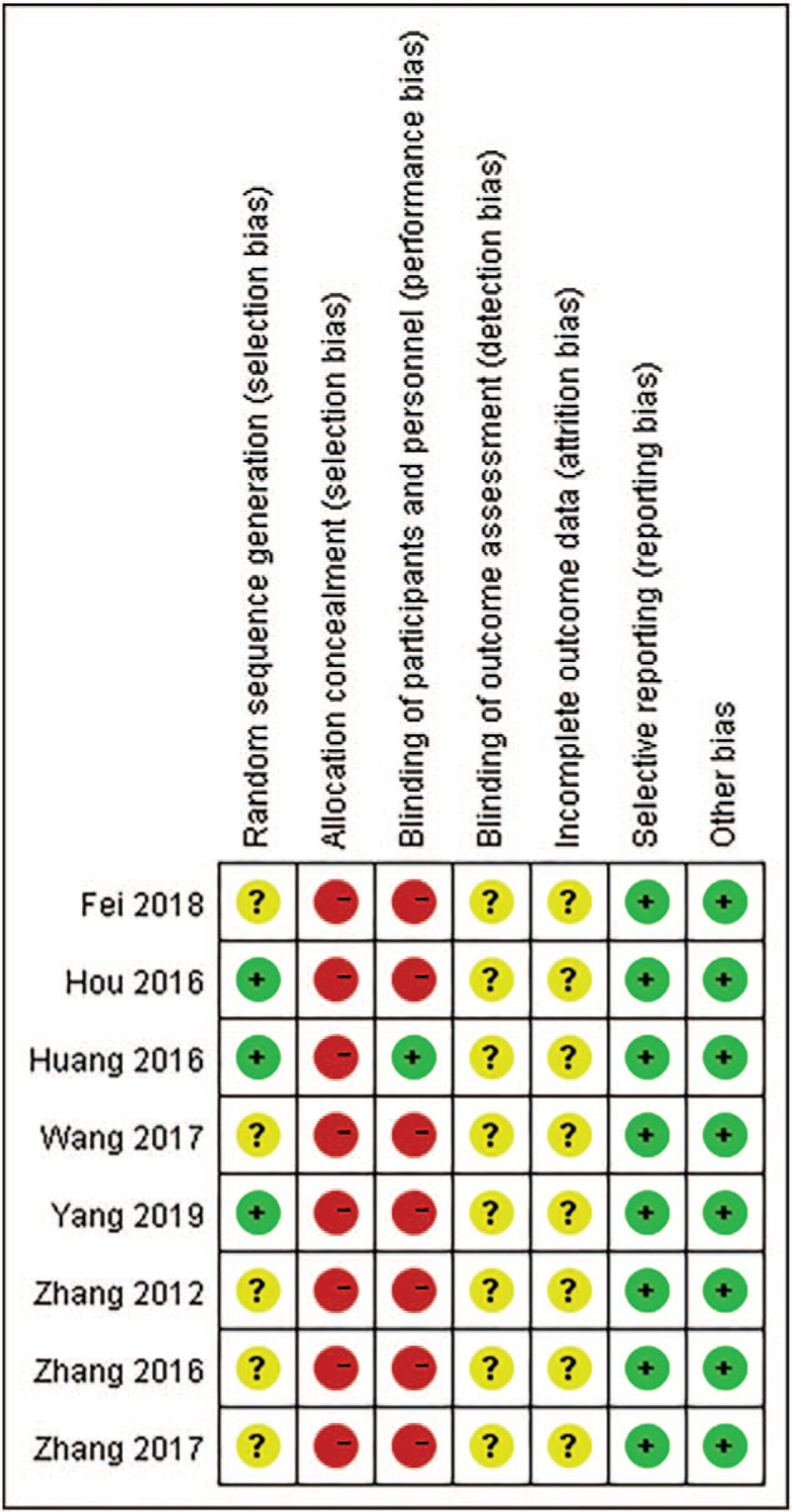
Conclusion: Acupuncture may be effective and safe for treatment of NAFLD. However, due to insufficient methodological quality and sample size, further high-quality studies are needed.
Copyright © 2021 the Author(s). Published by Wolters Kluwer Health, Inc.
Conflict of interest statement
The authors have no conflicts of interest to disclose.
Figures

References
-
- Angulo P. Nonalcoholic fatty liver disease. N Engl J Med 2002;346:1221–31. - PubMed
-
- Neuschwander-Tetri BA, Caldwell SH. Nonalcoholic steatohepatitis: summary of an AASLD Single Topic Conference. Hepatology (Baltimore, Md) 2003;37:1202–19. - PubMed
-
- Cotter TG, Rinella M. Nonalcoholic fatty liver disease 2020: the state of the disease. Gastroenterology 2020;158:1851–64. - PubMed
-
- Lallukka S, Yki-Jarvinen H. Non-alcoholic fatty liver disease and risk of type 2 diabetes. Best Pract Res Clin Endocrinol Metab 2016;30:385–95. - PubMed
Publication types
MeSH terms
Grants and funding
- 82074099/National Natural Science Foundation of China
- XK2019011/This study was supported by Research Project of Top-ranking Discipline Construction in Guangzhou University of Chinese Medicine
- 211010010602/The First Affiliated Hospital of Guangzhou University of Traditional Chinese Medicine"Innovating and strengthening scientific research projects of the institute-hospital preparation development project"
LinkOut - more resources
Full Text Sources
Medical
Miscellaneous
