Review
. 2021 May 6:7:35.
doi: 10.1038/s41378-021-00261-2. eCollection 2021.

Recent progress in silk fibroin-based flexible electronics

Affiliations
Review

Recent progress in silk fibroin-based flexible electronics

Dan-Liang Wen et al. Microsyst Nanoeng. .

Abstract

With the rapid development of the Internet of Things (IoT) and the emergence of 5G, traditional silicon-based electronics no longer fully meet market demands such as nonplanar application scenarios due to mechanical mismatch. This provides unprecedented opportunities for flexible electronics that bypass the physical rigidity through the introduction of flexible materials. In recent decades, biological materials with outstanding biocompatibility and biodegradability, which are considered some of the most promising candidates for next-generation flexible electronics, have received increasing attention, e.g., silk fibroin, cellulose, pectin, chitosan, and melanin. Among them, silk fibroin presents greater superiorities in biocompatibility and biodegradability, and moreover, it also possesses a variety of attractive properties, such as adjustable water solubility, remarkable optical transmittance, high mechanical robustness, light weight, and ease of processing, which are partially or even completely lacking in other biological materials. Therefore, silk fibroin has been widely used as fundamental components for the construction of biocompatible flexible electronics, particularly for wearable and implantable devices. Furthermore, in recent years, more attention has been paid to the investigation of the functional characteristics of silk fibroin, such as the dielectric properties, piezoelectric properties, strong ability to lose electrons, and sensitivity to environmental variables. Here, this paper not only reviews the preparation technologies for various forms of silk fibroin and the recent progress in the use of silk fibroin as a fundamental material but also focuses on the recent advanced works in which silk fibroin serves as functional components. Additionally, the challenges and future development of silk fibroin-based flexible electronics are summarized. (1) This review focuses on silk fibroin serving as active functional components to construct flexible electronics. (2) Recent representative reports on flexible electronic devices that applied silk fibroin as fundamental supporting components are summarized. (3) This review summarizes the current typical silk fibroin-based materials and the corresponding advanced preparation technologies. (4) The current challenges and future development of silk fibroin-based flexible electronic devices are analyzed.

Keywords: Electrical and electronic engineering; Electronic properties and materials.


Conflict of interest statement

Conflict of interestThe authors declare no competing interests.

Figures
None
(1) This review focuses on silk fibroin serving as active functional components to construct flexible electronics. (2) Recent representative reports on flexible electronic devices that applied silk fibroin as fundamental supporting components are summarized. (3) This review summarizes the current typical silk fibroin-based materials and the corresponding advanced preparation technologies. (4) The current challenges and future development of silk fibroin-based flexible electronic devices are analyzed.
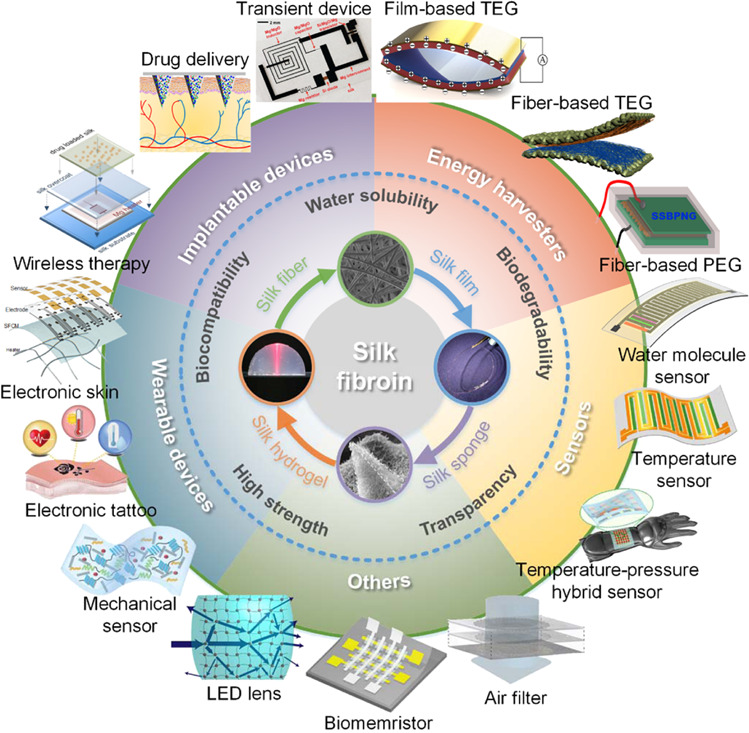
Fig. 1
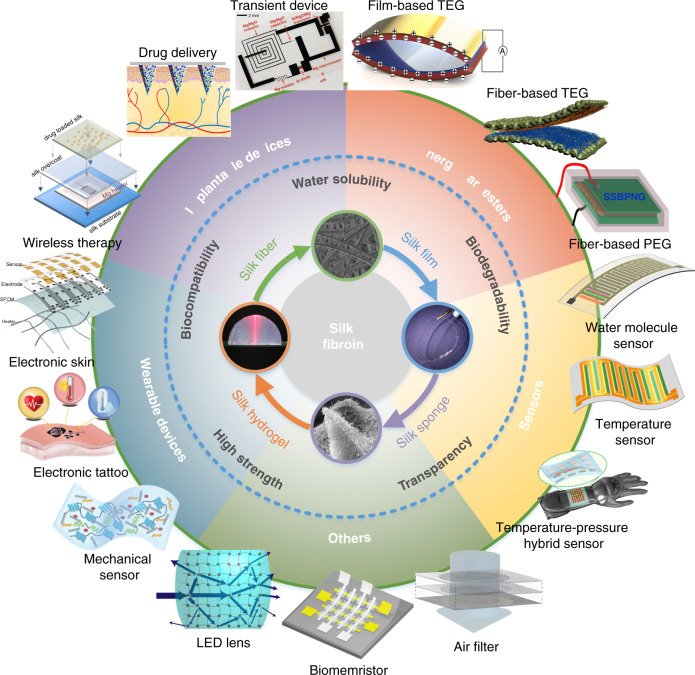
Fig. 1. Silk fibroin (SF)-based flexible materials and flexible electronics.
Silk fibroin has many superior properties, including remarkable biocompatibility, adjustable biodegradability and water solubility, excellent optical transmittance, and good mechanical strength, and moreover, it can be developed into many forms, e.g., silk fibers, silk films, silk sponges, and silk hydrogels. Therefore, silk fibroin is widely used as fundamental components to construct biocompatible wearable/implantable electronic devices and functional components to form energy harvesters, sensors, filters, lenses, biomemristors, etc.. Reproduced with permission from Elsevier (2016), (2018), (2019), ACS (2017), (2019), PNAS (2014), (2017), Wiley (2017), (2019), (2020), AAAS (2012), and Springer Nature (2017), (2020)
Fig. 2
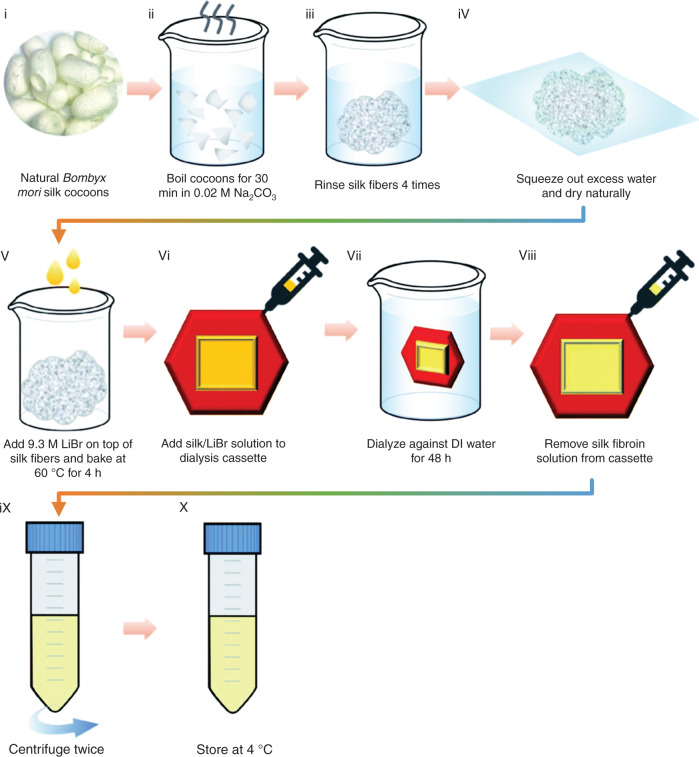
Fig. 2. Process flowchart for the regenerated silk fibroin solution prepared from natural Bombyx mori cocoons.
In addition to the desired silk fibroin, the natural Bombyx mori cocoons also mainly contain another protein, sericin, which is the cause of the immune responses and needs to be removed. Subsequently, the extracted silk fibers are prepared in solution form and purified to obtain the regenerated silk fibroin solution. The regenerated silk fibroin solution can be further processed into different shapes, such as silk fibers, silk films, silk sponges, and silk hydrogels, and it can also be doped with other materials to form composite functional materials. Reproduced with permission from RSC (2019)
Fig. 3
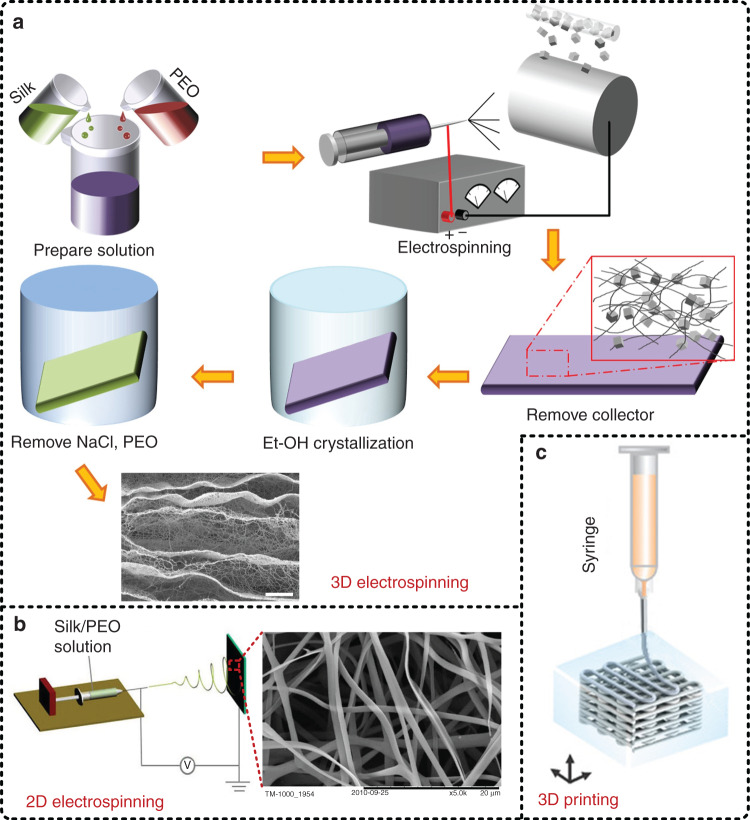
Fig. 3. Preparation methods of regenerated silk fibers.
a Process flowchart for preparing regenerated silk fibers by using 3D electrospinning technology. Reproduced with permission from Elsevier (2016). b Schematic diagram of 2D electrospinning technology for regenerated silk fibers. Reproduced with permission from Elsevier (2014). c Schematic diagram of 3D printing technology for regenerated silk fibers. Reproduced with permission from Wiley (2019)
Fig. 4
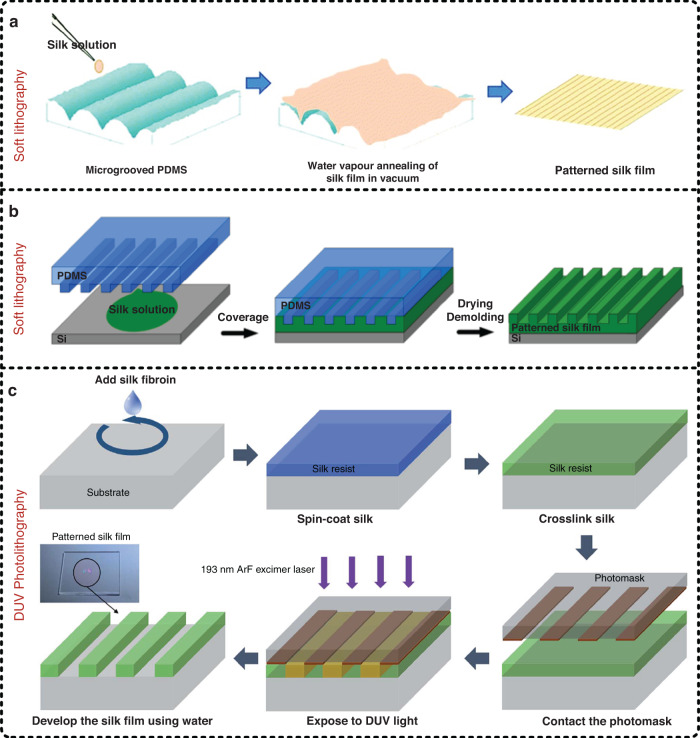
Fig. 4. Preparation methods of silk films.
a, b Process flowchart for preparing silk films by using soft lithography,. Compared to the method shown in a, the method shown in b can prevent the possible damage to the patterned silk films caused during the transfer process, which is achieved by directly applying a silk fibroin solution onto the destination substrate and subsequently covering it with a patterned mold (e.g., a layer of patterned PDMS). Reproduced with permission from RSC (2017) and Springer (2015). c Process flowchart for preparing silk films by applying deep ultraviolet (DUV) photolithography. Reproduced with permission from RSC (2016)
Fig. 5
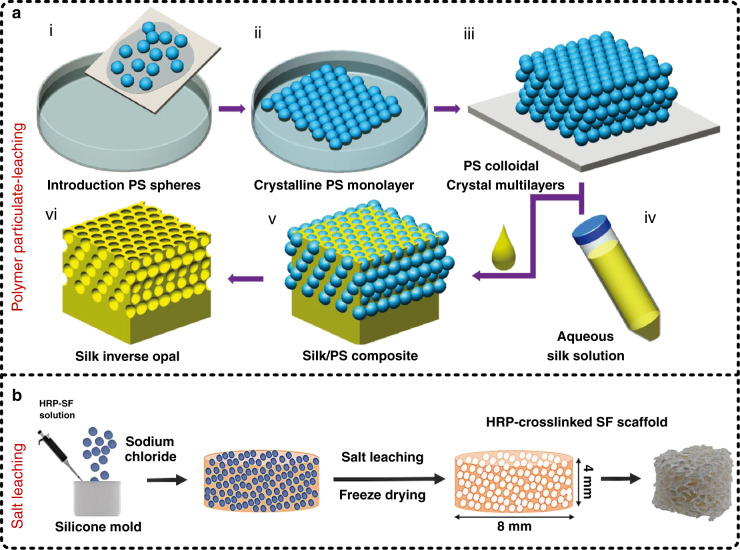
Fig. 5. Preparation methods of silk sponges.
a Process flowchart for preparing silk sponges by employing polymer particulate leaching. Reproduced with permission from Wiley (2017). b Process flowchart for preparing silk sponges by using salt leaching. It is worth mentioning that because salt particulates can be partially dissolved into the solvent of the silk fibroin solution, the size of the 3D porous structure obtained via salt leaching is slightly smaller than the size of the salt particulates, and on the other hand, the method of polymer particulate leaching usually requires the introduction of harmful organic solvents to remove polymer particulates, which may negatively affect the biological properties of silk fibroin. Reproduced with permission from Elsevier (2018)
Fig. 6
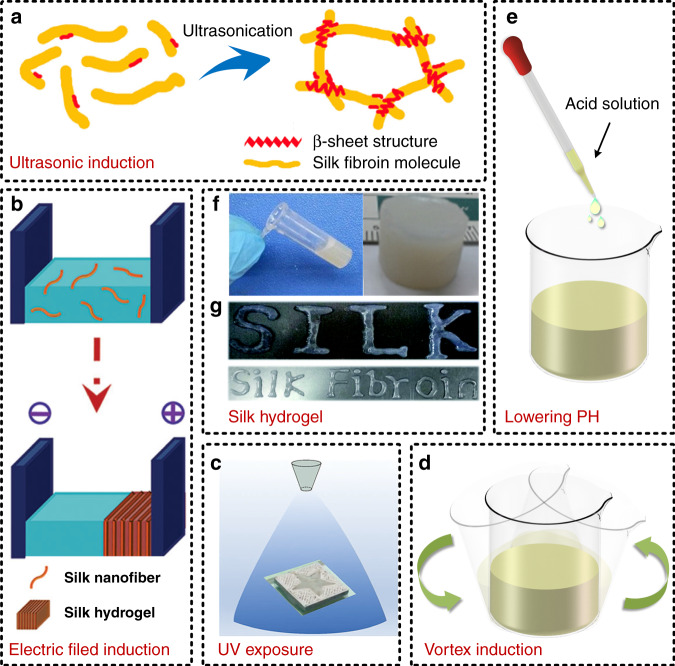
Fig. 6. Preparation methods of silk hydrogels.
Silk hydrogels that can hold large amounts of water are attractive for implantable applications. The intermolecular and intramolecular interactions of macromolecular protein chains inside silk fibroin make these molecular chains physically crosslinked, resulting in the formation of a silk hydrogel. Some methods are usually implemented to accelerate the gelation process, such as (a) ultrasonic induction, (b) electric field induction, (c) ultraviolet (UV) exposure, (d) vortex induction, and (e) pH lowering. Reproduced with permission from Springer Nature (2017) and Wiley (2016) and (2017). f, g Photographs of some samples of silk hydrogels,. Reproduced with permission from ACS (2016) and RSC (2017)
Fig. 7
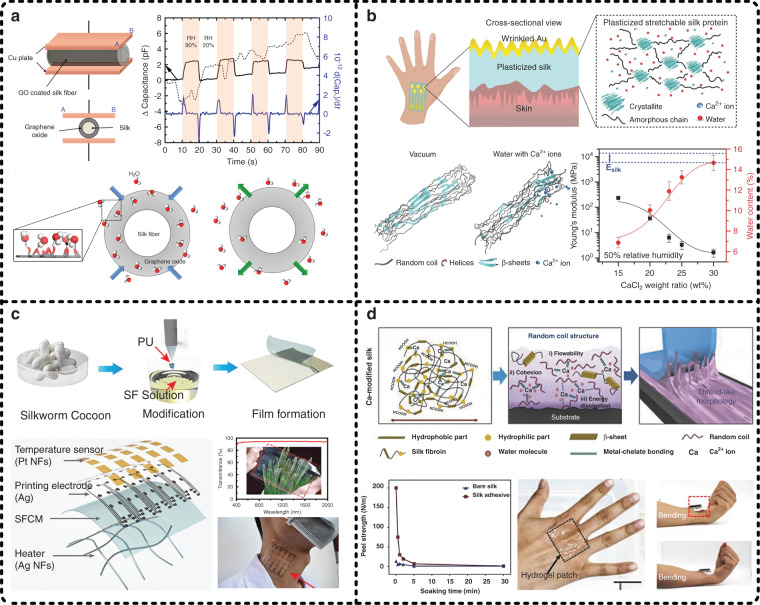
Fig. 7. Silk fibroin serves as fundamental components for wearable electronic devices.
a Han et al. reported a silk fiber-based humidity sensor in which a silk fiber served as a flexible supporting structure and graphene oxide (GO) worked as a functional sensing material. Reproduced with permission from MDPI AG (2017). b Chen et al. developed a plasticized silk film through the introduction of calcium chloride (CaCl2) and ambient hydration. Reproduced with permission from Wiley (2018). c Huang et al. proposed a stretchable and heat-resistant silk fibroin composite membrane (SFCM) to fabricate electronic skins. Reproduced with permission from Wiley (2020). d To increase the adhesion of flexible substrates, Seo et al. developed a Ca-modified silk hydrogel that presented excellent stickiness. Reproduced with permission from Wiley (2018)
Fig. 8
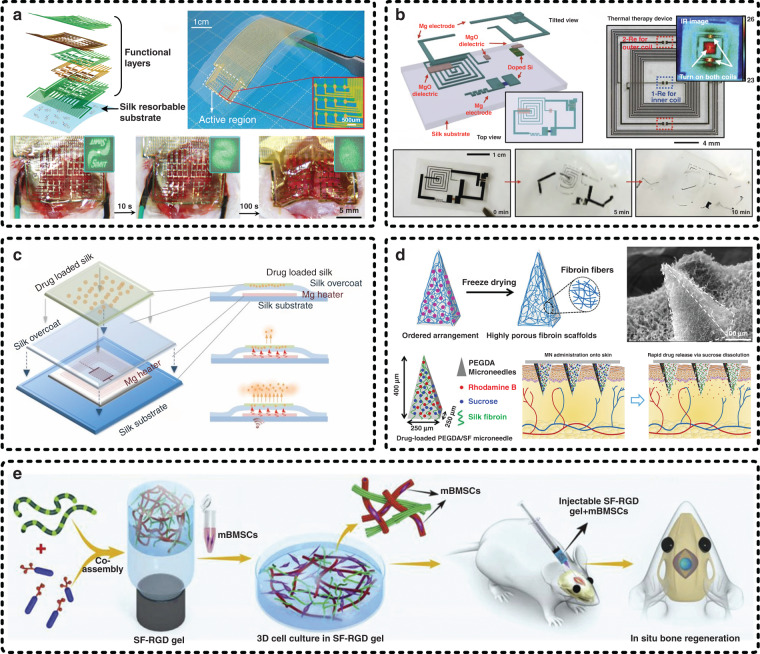
Fig. 8. Silk fibroin serves as fundamental components for implantable electronic devices.
a A silk-enabled conformal multifunctional bioelectronic device was successfully tightly integrated onto the surface of a rat brain by using a silk film as a temporary intermediate medium. Reproduced with permission from Wiley (2019). b A silk film-based implantable transient electronic device for wireless thermal therapy and c silk film-based controlled drug release technology were codeveloped by Omenetto et al. from Tufts University and Rogers et al. from Northwestern University,. Reproduced with permission from AAAS (2012) and PNAS (2014). d A silk sponge-based implantable microneedle array for minimally invasive drug delivery was proposed by Gao et al.. Reproduced with permission from ACS (2019). e A functionalized silk hydrogel for bone defect repair was achieved by introducing a small peptide gelator (e.g., NapFFRGD). Reproduced with permission from Wiley (2018)
Fig. 9
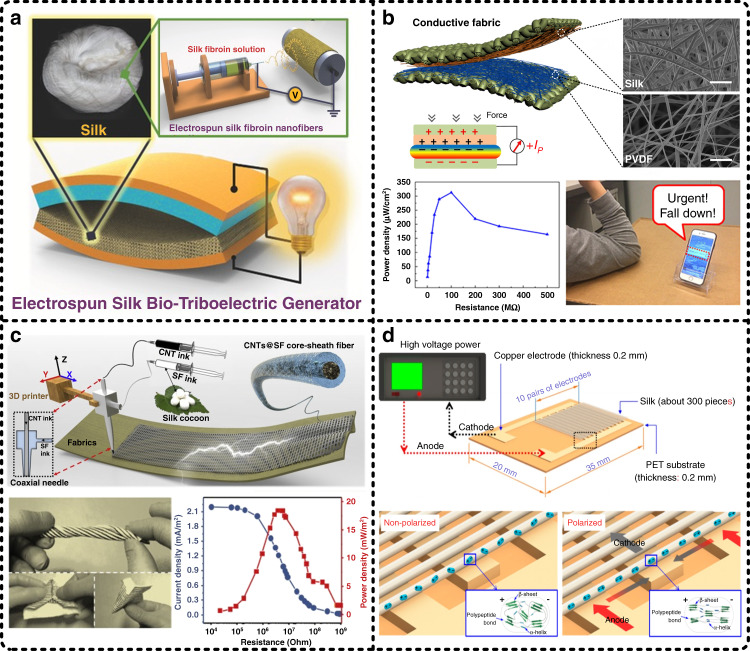
Fig. 9. Silk fibers work as active functional materials for the construction of energy harvesters.
a In 2016, Kim et al. reported a regenerated silk nanofiber-based triboelectric nanogenerator (TENG). Reproduced with permission from Wiley (2016). b In our previous work published in 2018, we developed an all-fiber piezoelectric-enhanced TENG, which was made of electrospun silk nanofibers and poly(vinylidene fluoride) (PVDF) nanofibers. Reproduced with permission from Elsevier (2018). c In 2019, Zhang et al. applied a 3D-printed coaxial composite fiber composed of carbon nanotubes and silk fibroin (CNTs@SF) to fabricate TENGs. Reproduced with permission from Elsevier (2019). d In addition to silk fiber-based TENGs, silk fiber-based piezoelectric nanogenerators (PENGs) were also reported, such as the repolarized natural spider silk fiber-based PENG proposed by Pan et al.. Reproduced with permission from ACS (2018)
Fig. 10
Fig. 10. Silk films work as active functional materials for the construction of energy harvesters.
a A silk film-based TENG was applied to power a mechanical microcantilever in our previous work, which is actually the first work that employs silk fibroin as a functional dielectric layer to constitute a triboelectric pair. Reproduced with permission from Elsevier (2016). b A bioabsorbable TENG composed of natural materials (i.e., silk fibroin, cellulose, chitin, egg white, rice paper, etc.) was integrated into a self-powered stimulation system for dysfunctional cardiomyocyte clusters. Reproduced with permission from Wiley (2018). c A double-silk TENG consisting of a regenerative silk fibroin film (RSFF) and a silk nanoribbon film (SNRF) to retain the superior biological properties of silk fibroin was developed. Reproduced with permission from Elsevier (2020). d An automatic therapy system for epilepsy was achieved by integrating a silk film-based TENG, a drug-loaded silk film, a wireless emitter, and a heating unit. Reproduced with permission from Wiley (2018)
Fig. 11
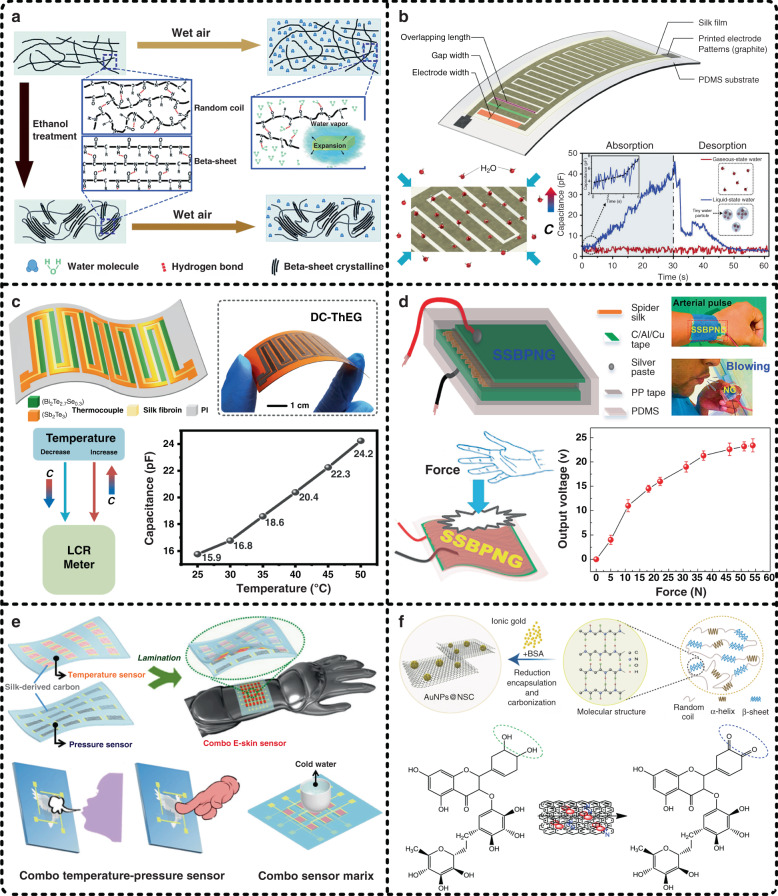
Fig. 11. Silk fibroin is used as a functional material to develop flexible sensors.
a Li et al. reported a silk membrane-based humidity sensor based on the optical properties of silk fibroin. Reproduced with permission from RCS (2017). In our previous work, we developed two kinds of silk film-based sensors, b one of which was used to sense the existence of liquid-state water in air and c the other one of which applied silk fibroin as a temperature-dependent material to detect temperature. Reproduced with permission from Elsevier (2019) and Springer Nature (2020). d With the help of the inherent piezoelectric properties of spider silk, Karan et al. proposed a spider silk-based bio-piezoelectric nanogenerator (SSBPNG), which was also applicable as a pressure sensor. Reproduced with permission from Elsevier (2018). e Wang et al. developed an all silk-derived dual-mode electronic skin in which integrated pressure and temperature sensing functions were achieved. Reproduced with permission from ACS (2017). f Patil et al. reported a silk-derived flexible electrochemical sensor for the detection of rutin. Reproduced with permission from Elsevier (2019)
Fig. 12
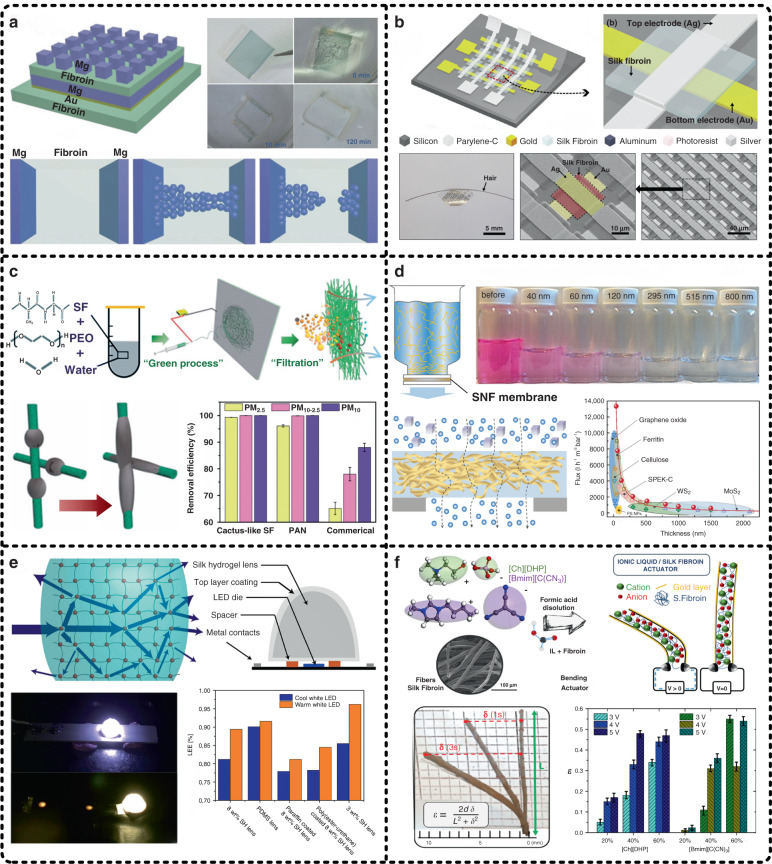
Fig. 12. Silk fibroin is implemented as a functional material for the construction of other flexible devices.
a A resistive switching memory device and b a resistive switching memory array based on silk fibroin were realized by utilizing the excellent dielectric properties of silk fibroin. Reproduced with permission from Wiley (2016) and (2020). c A high-performance silk nanofiber-based air filter was proposed with the help of the hydrophilic behavior of silk nanofiber membranes. Reproduced with permission from RSC (2018). d A highly ordered multilayer membrane made of silk nanofibrils (SNFs) and hydroxyapatite (HAP) nanocrystals was developed for water purification. Reproduced with permission from ACS (2016). e A silk hydrogel lens with high light extraction efficiency (LEE) was achieved by optimizing the concentration of a silk fibroin solution and internal crosslinking. Reproduced with permission from Springer Nature (2017). f A biological bending actuator was developed by using ion-doped silk fibroin as an active material. Reproduced with permission from ACS (2019)

References

    1. Han ST, et al. An overview of the development of flexible sensors. Adv. Mater. 2017;29:1700375. doi: 10.1002/adma.201700375. - DOI - PubMed
    1. Patil AB, et al. Tailoring the meso‑structure of gold nanoparticles in keratin‑based activated carbon toward high‑performance flexible sensor. Nano-Micro Lett. 2020;12:117. doi: 10.1007/s40820-020-00459-5. - DOI - PMC - PubMed
    1. Ma H, et al. Flexible, all-inorganic actuators based on vanadium dioxide and carbon nanotube bimorphs. Nano Lett. 2017;17:421–428. doi: 10.1021/acs.nanolett.6b04393. - DOI - PubMed
    1. Moshizi SA, et al. Development of an ultra‑sensitive and flexible piezoresistive flow sensor using vertical graphene nanosheets. Nano-Micro Lett. 2020;12:109. doi: 10.1007/s40820-020-00446-w. - DOI - PMC - PubMed
    1. Li L, Wu Z, Yuan S, Zhang XB. Advances and challenges for flexible energy storage and conversion devices and systems. Energy Environ. Sci. 2014;7:2101–2122. doi: 10.1039/c4ee00318g. - DOI