


Effects of Positive Hepatitis B Core Antibody and Metabolic Disorders in Hepatocellular Carcinoma in an Endemic Area of Hepatitis B Virus
- PMID: 34569320
- PMCID: PMC8481710
- DOI: 10.1177/10732748211039758
Effects of Positive Hepatitis B Core Antibody and Metabolic Disorders in Hepatocellular Carcinoma in an Endemic Area of Hepatitis B Virus
Abstract
Background and aims: This retrospective study aimed to investigate the impact of positive hepatitis B core antibody (anti-HBc) and metabolic disorders on clinical characteristics of hepatocellular carcinoma (HCC) patients in an HBV-endemic area.
Methods: A total of 1950 consecutive patients newly diagnosed with HCC between 2002 and 2015 were included. Patient records were reviewed. We compared non-viral and non-alcoholic HCC patients with other etiological groups for HCC. In addition, we compared HCC patients with negative hepatitis B surface antigen (HBsAg) and positive anti-HBc to those with negative HBsAg and negative anti-HBc, and to those with HBV.
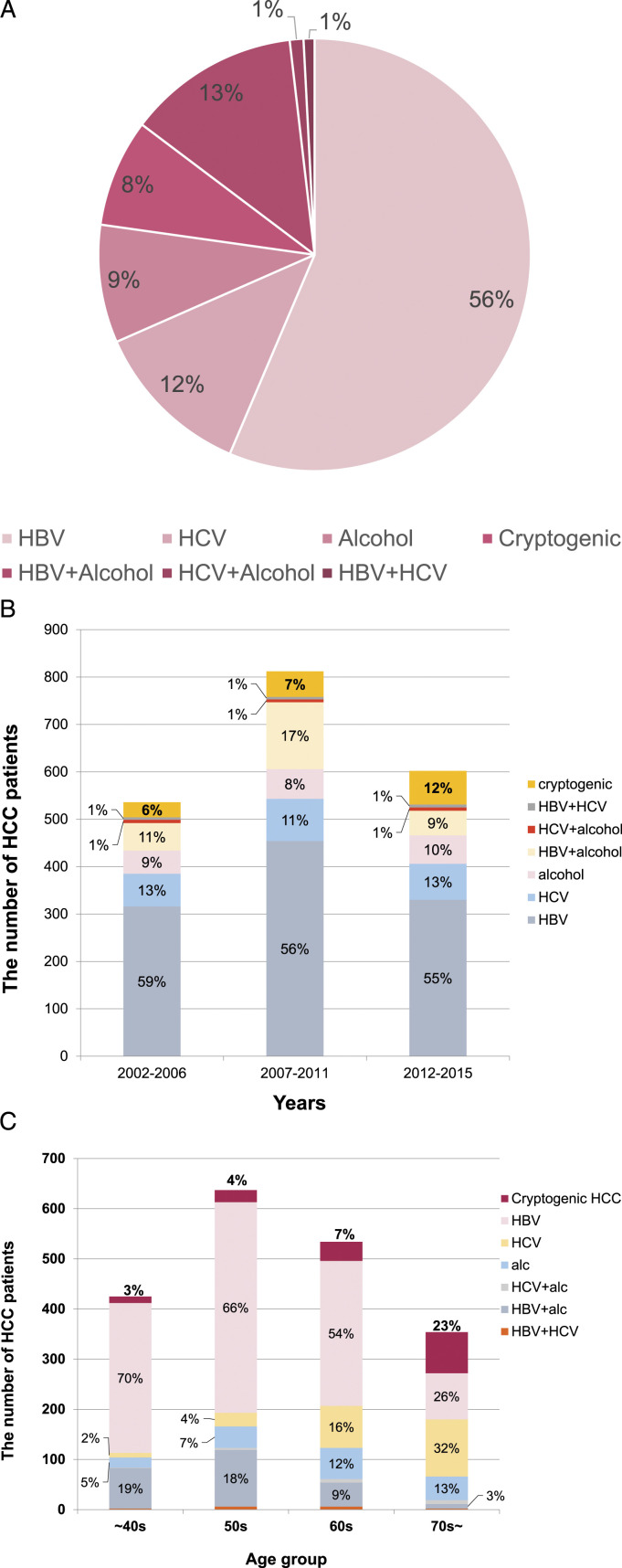
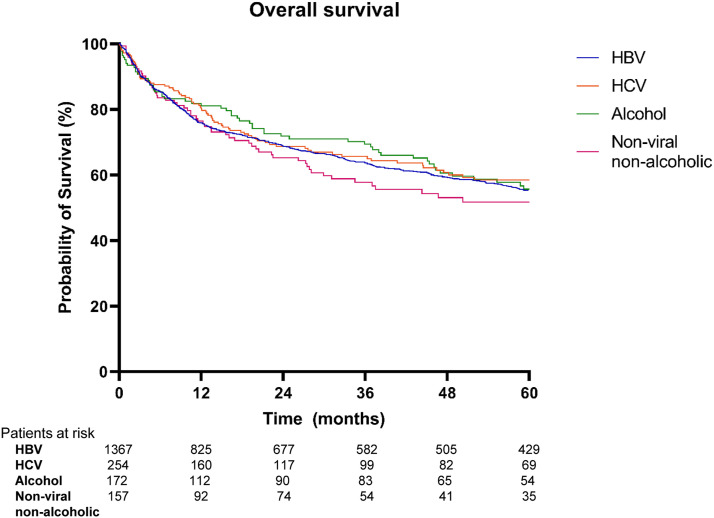
Results: The prevalence of non-viral and non-alcoholic HCC increased from 7% in 2002-2011 to 12% in 2012-2015. The proportion of non-viral and non-alcoholic HCC gradually increased with age. Patients with non-viral and non-alcoholic HCC exhibited higher rates of metabolic disorders and preserved liver function. The rate of anti-HBc positivity was similarly high in all HCC etiological groups. The clinical features of HCC patients with negative HBsAg and positive anti-HBc were similar to those with negative HBsAg and negative anti-HBc, but significantly different from those with HBV HCC. Regarding tumor characteristics, patients in the non-viral and non-alcoholic HCC group had more advanced stages of tumors (mUICC stage III-V and BCLC stage C/D). There was no significant difference in overall survival among the patient groups. The presence of anti-HBc did not affect patient survival.
Conclusion: Patients with non-viral and non-alcoholic HCC had a relatively high prevalence of metabolic disorders and preserved liver function. However, they had advanced tumor stage compared to patients from other etiological groups. Anti-HBc positivity did not affect the clinical characteristics or prognosis of non-HBV HCC patients in this study.
Keywords: anti–hepatitis B core antibody; cryptogenic hepatocellular carcinoma; hepatitis B virus; hepatocellular carcinoma; metabolic disease.
Conflict of interest statement
Figures
References
-
- Ferlay J, Soerjomataram I, Dikshit R, et al. Cancer incidence and mortality worldwide: sources, methods and major patterns in GLOBOCAN 2012. Int J Canc. 2015;136:E359-E386. - PubMed
-
- Kwak HW, Park JW, Nam BH, et al. Clinical outcomes of a cohort series of patients with hepatocellular carcinoma in a hepatitis B virus-endemic area. J Gastroenterol Hepatol. 2014;29:820-829. - PubMed
MeSH terms
Substances
LinkOut - more resources
Full Text Sources
Medical
