


Determinants of Homologous Recombination Deficiency in Pancreatic Cancer
- PMID: 34572943
- PMCID: PMC8466888
- DOI: 10.3390/cancers13184716
Determinants of Homologous Recombination Deficiency in Pancreatic Cancer
Abstract
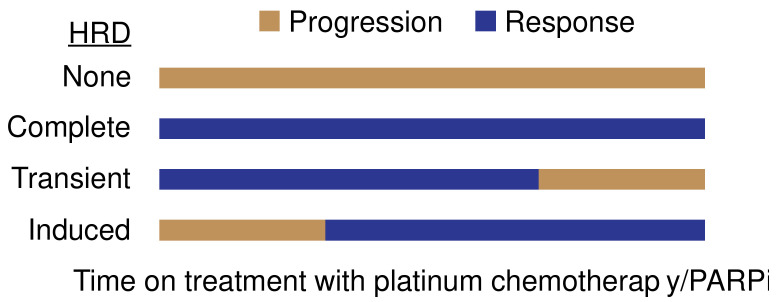
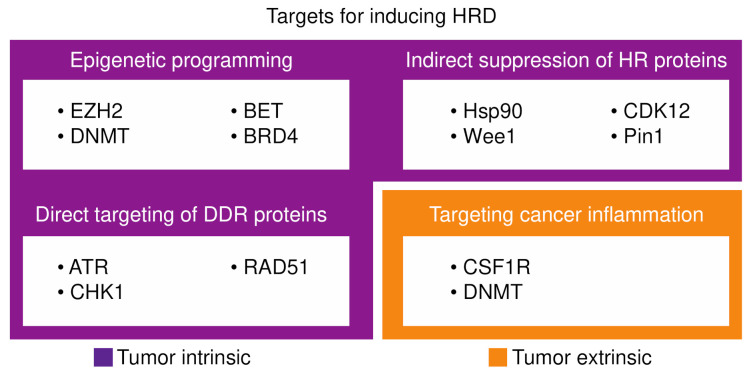
Pancreatic cancer is a treatment-resistant malignancy associated with high mortality. However, defective homologous recombination (HR), a DNA repair mechanism required for high-fidelity repair of double-strand DNA breaks, is a therapeutic vulnerability. Consistent with this, a subset of patients with pancreatic cancer show unique tumor responsiveness to HR-dependent DNA damage triggered by certain treatments (platinum chemotherapy and PARP inhibitors). While pathogenic mutations in HR genes are a major driver of this sensitivity, another layer of diverse tumor intrinsic and extrinsic factors regulate the HR deficiency (HRD) phenotype. Defining the mechanisms that drive HRD may guide the development of novel strategies and therapeutics to induce treatment sensitivity in non-HRD tumors. Here, we discuss the complexity underlying HRD in pancreatic cancer and highlight implications for identifying and treating this distinct subset of patients.
Keywords: DNA damage repair; homologous recombination deficiency; pancreatic cancer.
Conflict of interest statement
M.M.W. reports receiving research support from HiberCell and Lilly and an active role as a consultant for Nanology. K.A.R reports receiving research support from Clovis Oncology, Bristol-Myer Squibb and Glaxo-Smith-Kline.
Figures
References
Publication types
LinkOut - more resources
Full Text Sources
