


Ratings of the Effectiveness of Nutraceuticals for Autism Spectrum Disorders: Results of a National Survey
- PMID: 34575655
- PMCID: PMC8470413
- DOI: 10.3390/jpm11090878
Ratings of the Effectiveness of Nutraceuticals for Autism Spectrum Disorders: Results of a National Survey
Abstract
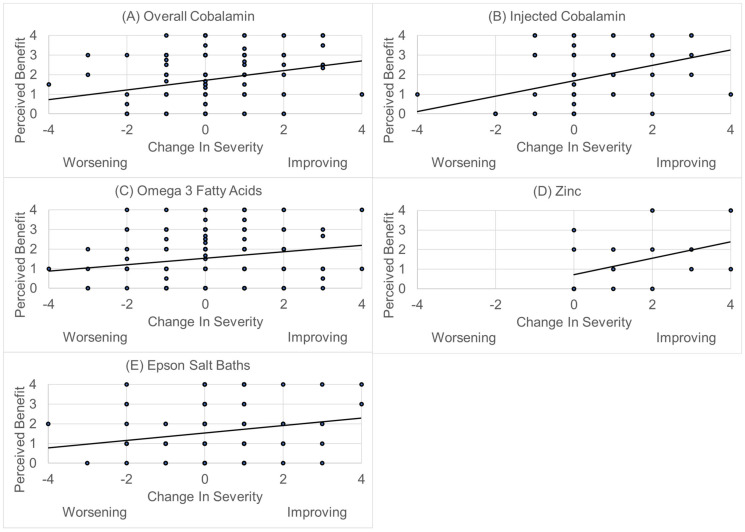
Autism spectrum disorder (ASD) often involves a wide range of co-occurring medical conditions ("comorbidities") and biochemical abnormalities such as oxidative stress and mitochondrial dysfunction. Nutritional supplements ("Nutraceuticals") are often used to treat both core ASD symptoms and comorbidities, but some have not yet been formally evaluated in ASD. The potential biological mechanisms of nutraceuticals include correction of micronutrient deficiencies due to a poor diet and support for metabolic processes such as redox regulation, mitochondrial dysfunction and melatonin production. This paper reports on the results of the National Survey on Treatment Effectiveness for Autism, focusing on nutraceuticals. The Survey involved 1286 participants from across the United States. Participants rated the overall perceived benefits and adverse effects of each nutraceutical, and also indicated the specific symptoms changed and adverse effects. From these ratings the top-rated nutraceuticals for each of 24 symptoms are listed. Compared to psychiatric and seizure medications rated through the same Survey, on average nutraceuticals had significantly higher ratings of Overall Benefit (1.59 vs. 1.39, p = 0.01) and significantly lower ratings of Overall Adverse Effects (0.1 vs. 0.9, p < 0.001). Folinic acid and vitamin B12 were two of the top-rated treatments. This study suggests that nutraceuticals may have clinical benefits and favorable adverse effect profiles.
Keywords: B12; autism; autism spectrum disorder; folinic acid; minerals; nutraceuticals; survey; vitamins.
Conflict of interest statement
J.B.A. serves as President of the Autism Nutrition Research Center, but does not receive any salary or royalties from them. The other authors declare no conflict of interest. The funders had no role in the design of the study; in the collection, analyses, or interpretation of data; in the writing of the manuscript, or in the decision to publish the results.
Figures

References
-
- Maenner M.J., Shaw K.A., Baio J., Washington A., Patrick M., DiRienzo M., Christensen D.L., Wiggins L.D., Pettygrove S., Andrews J.G., et al. Prevalence of Autism Spectrum Disorder among Children Aged 8 Years—Autism and Developmental Disabilities Monitoring Network, 11 Sites, United States, 2016. Morb. Mortal. Wkly. Rep. Surveill. Summ. 2020;69:1–12. doi: 10.15585/mmwr.ss6904a1. - DOI - PMC - PubMed
-
- Dunn K., Rydzewska E., Fleming M., Cooper S.A. Prevalence of mental health conditions, sensory impairments and physical disability in people with co-occurring intellectual disabilities and autism compared with other people: A cross-sectional total population study in Scotland. BMJ Open. 2020;10:e035280. doi: 10.1136/bmjopen-2019-035280. - DOI - PMC - PubMed
Grants and funding
LinkOut - more resources
Full Text Sources
