


Pharmacotherapy for trichotillomania
- PMID: 34582562
- PMCID: PMC8478440
- DOI: 10.1002/14651858.CD007662.pub3
Pharmacotherapy for trichotillomania
Abstract
Background: Trichotillomania (TTM; hair-pulling disorder) is a prevalent and disabling disorder characterised by recurrent hair-pulling. Here we update a previous Cochrane Review on the effects of medication for TTM.
Objectives: To assess the effects of medication for trichotillomania (TTM) in adults, children and adolescents compared with placebo or other medication.
Search methods: We searched CENTRAL, MEDLINE, Embase, PsycINFO, eleven other bibliographic databases, trial registries and grey literature sources (to 26 November 2020). We checked reference lists and contacted subject experts.
Selection criteria: We selected randomised controlled trials of medication versus placebo or other medication for TTM in adults, children and adolescents.
Data collection and analysis: We used standard methodological procedures expected by Cochrane.
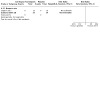
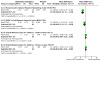
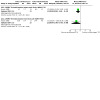
Main results: Twelve studies were included. We identified 10 studies in adults (286 participants) with a mean sample size of 29 participants per trial; one study in children and adolescents (39 participants); and, one study in adults and adolescents (22 participants: 18 adults and 4 adolescents). All studies were single-centre, outpatient trials. Eleven studies compared medication and placebo (334 participants); one study compared two medications (13 participants). Studies were 5 to 13 weeks duration. We undertook meta-analysis only for opioid antagonists as other comparisons contained a single study, or reported insufficient data. Antioxidants versus placebo in adults There was little to no difference in treatment response between antioxidant (35.7%) and placebo groups (28.6%) after six weeks, based on a single trial of silymarin (risk ratio (RR) 2.25, 95% confidence interval (CI) 0.84 to 5.99; 36 participants; low-certainty evidence). We could not calculate differences in number of dropouts as there were no events in either group (18 participants; low-certainty evidence). Antioxidants versus placebo in adolescents There was little to no difference in treatment response between antioxidant (50%) and placebo groups (25%) after six weeks, based on a single trial of silymarin (RR 2.00, 95% CI 0.28 to 14.20; 8 participants; low-certainty evidence). We could not calculate differences in number of dropouts as there were no events in either group (8 participants; low-certainty evidence). Antipsychotics versus placebo in adults There may be greater treatment response in the antipsychotic group (85%) compared to the placebo group (17%) after 12 weeks, based on a single trial of olanzapine (RR 5.08, 95% CI 1.4 to 18.37; 25 participants; low-certainty evidence). We could not calculate differences in number of dropouts as there were no events in either group (25 participants; low-certainty evidence). Cell signal transducers versus placebo in adults There was little to no difference in treatment response between cell signal transducer (42.1%) and placebo groups (31.6%) after 10 weeks, based on a single trial of inositol (RR 1.33, 95% CI 0.57 to 3.11; 38 participants; low-certainty evidence). We could not calculate differences in number of dropouts as there were no events in either group (38 participants; low-certainty evidence). Glutamate modulators versus placebo in adults There is probably greater treatment response in the glutamate modulator group (56%) compared to the placebo group (16%) after 12 weeks, based on a single trial of N-acetylcysteine (RR 3.5, 95% CI 1.34 to 9.17; 50 participants; moderate-certainty evidence). We could not calculate differences in number of dropouts as there were no events in either group (50 participants; low-certainty evidence). Glutamate modulators versus placebo in children and adolescents There was little to no difference in treatment response between the glutamate modulator (25%) and placebo groups (21.1%) in children and adolescents, based on a single trial of N-acetylcysteine (RR 1.19, 95% CI 0.37 to 3.77; 39 participants; low-certainty evidence). There was little to no difference in dropouts due to adverse events between glutamate modulator (5%) and placebo (0%) groups, based on a single trial (RR 2.86, 95% CI 0.12 to 66.11; 39 participants; low-certainty evidence). Opioid antagonists versus placebo in adults There may be little to no difference in treatment response between opioid antagonist (37.5%) and placebo groups (25%) after six to eight weeks, based on two studies of naltrexone, but the evidence is very uncertain (RR 2.14, 95% CI 0.25 to 18.17; 2 studies, 68 participants; very low-certainty evidence). No data were available regarding dropouts due to adverse events. Selective serotonin reuptake inhibitors (SSRIs) versus placebo in adults There were no data available for treatment response to SSRIs. There was little to no difference in dropouts due to adverse events in the SSRI group (5.1%) compared to the placebo group (0%) after 6 to 12 weeks, based on two trials of fluoxetine (RR 3.00, 95% CI 0.33 to 27.62; 2 studies, 78 participants; low-certainty evidence). Tricyclic antidepressants (TCAs) with predominantly serotonin reuptake inhibitor (SRI) actions versus placebo in adults There may be greater treatment response in the TCAs with predominantly SRI actions group (40%) compared to the placebo group (0%) after nine weeks, but the evidence is very uncertain, based on a single trial of clomipramine (RR 5.73, 95% CI 0.36 to 90.83; 16 participants; very low-certainty evidence). There may be increased dropouts due to adverse events in the TCAs with predominantly SRI actions group (30%) compared to the placebo group (0%), but the evidence is very uncertain (RR 4.45, 95% CI 0.27 to 73.81; 16 participants; very low-certainty evidence). TCAs with predominantly SRI actions versus other TCAs in adults There may be greater treatment response in the TCAs with predominantly SRI actions group compared to the other TCAs group after five weeks, based on a single trial comparing clomipramine to desipramine (mean difference (MD) -4.00, 95% CI -6.13 to -1.87; 26 participants; low-certainty evidence). We could not calculate differences in number of dropouts as there were no events in either group (26 participants; low-certainty evidence).
Authors' conclusions: There was insufficient evidence from meta-analysis to confirm or refute the efficacy of any agent or class of medication for the treatment of TTM in adults, children or adolescents. Preliminary evidence suggests there may be beneficial treatment effects for N-acetylcysteine, clomipramine and olanzapine in adults based on four trials, albeit with relatively small sample sizes.
Trial registration: ClinicalTrials.gov NCT00993265 NCT00118014 NCT00354770 NCT00775229 NCT01875445 NCT00182507 NCT02794389 NCT03530800 NCT03797521.
Copyright © 2021 The Cochrane Collaboration. Published by John Wiley & Sons, Ltd.
Conflict of interest statement
Jacob Hoffman: declares no conflicts of interest.
Taryn Williams: declares no conflicts of interest, outside of her employment by the Medical Research Council of South Africa.
Rachel Rothbart: declares no conflicts of interest.
Samuel Chamberlain: consults for Promentis, and Ieso Digital Health. He receives stipends from Elsevier for editorial work at Comprehensive Psychiatry; and at Neuroscience & Biobehavioral Reviews. Samuel Chamberlain’s role in this research was supported by a Wellcome Trust Clinical Fellowship (reference 110049/Z/15/Z).
Naomi Fineberg: declares that in the past three years, I have held research or networking grants from the European College of Neuropsychopharmacology (ECNP), UK National Institute for Health Research (NIHR), Horizon 2020, Medical Research Council (MRC) and the University of Hertfordshire. In the past three years, I have accepted travel or hospitality expenses, or both, from the British Association for Psychopharmacology (BAP), ECNP, Royal College of Psychiatrists (RCPsych), International College of Neuropsychopharmacology (CINP), International Forum of Mood and Anxiety Disorders, World Psychiatric Association, Indian Association for Biological Psychiatry, and Sun. In the past three years, I have received payment from Taylor and Francis and Elsevier for editorial duties. In the past three years, I have accepted paid speaking engagements sponsored by Abbott and Sun. Previously, I have accepted paid speaking engagements in various pharmaceutical industry‐supported symposia and have recruited patients for various pharmaceutical industry‐sponsored studies in the field of obsessive‐compulsive disorder (OCD) treatment. I lead an NHS treatment service for OCD. I hold Board membership for various registered charities linked to OCD. I give expert advice on psychopharmacology to the UK Medicines and Healthcare products Regulatory Agency (MHRA) and the UK National Institute for Health and Care Excellence (NICE).
Jonathan Ipser: declares no conflicts of interest.
Dan Stein: has received research grants or honoraria, or both, from Lundbeck and Sun.
The South Africa Medical Research Council (SAMRC) Anxiety and Stress Disorders Research Unit has received funding from most pharmaceutical companies involved with psychiatry in South Africa.
Figures








Update of
-
Pharmacotherapy for trichotillomania.Cochrane Database Syst Rev. 2013 Nov 8;(11):CD007662. doi: 10.1002/14651858.CD007662.pub2. Cochrane Database Syst Rev. 2013. Update in: Cochrane Database Syst Rev. 2021 Sep 28;9:CD007662. doi: 10.1002/14651858.CD007662.pub3. PMID: 24214100 Updated.
References
References to studies included in this review
Bloch 2013 {published data only}
Christenson 1991a {published data only}
-
- Christenson GA, Mackenzie TB, Mitchell JE, Callies AL. A placebo-controlled, double-blind crossover study of fluoxetine in trichotillomania. American Journal of Psychiatry 1991;148(11):1566-71. - PubMed
Christenson 1994 {unpublished data only}
-
- Christenson GA, Crow SJ, Mackenzie TB, Crosby RD, Mitchell JE. A placebo controlled double-blind study of naltrexone for trichotillomania [Abstract NR597]. In: New Research Program and Abstracts. The Sesquicentennial Annual Meeting of the American Psychiatric Association. Vol. 1994. Philadelphia (PA): APA, 1994 May 21-26:212.
Dougherty 2006 {published data only}
-
- Dougherty DD, Loh R, Jenike MA, Keuthen NJ. Single modality versus dual modality treatment for trichotillomania: sertraline, behavioral therapy, or both? Journal of Clinical Psychiatry 2006;67(7):1086-92. - PubMed
Grant 2009 {published data only}
-
- Grant JE, Odlaug BL, Kim SW. N-acetylcysteine, a glutamate modulator, in the treatment of trichotillomania: a double-blind, placebo-controlled study. Archives of General Psychiatry 2009;66(7):756-63. - PubMed
Grant 2014 {published data only}
-
- Grant JE, Odlaug BL, Schreiber LR, Kim SW. The opiate antagonist, naltrexone, in the treatment of trichotillomania: results of a double-blind, placebo-controlled study. Journal of Clinical Psychopharmacology 2014;34(1):134-8. - PubMed
Grant 2019 {published data only}
Leppink 2017 {published data only}
-
- Leppink EW, Redden SA, Grant JE. A double-blind, placebo-controlled study of inositol in trichotillomania. International Clinical Psychopharmacology 2017;32(2):107-14. - PubMed
Ninan 2000 {published data only}
-
- Ninan PT, Rothbaum BO, Marsteller FA, Knight BT, Eccard MA. A placebo-controlled trial of cognitive-behavioral therapy and clomipramine in trichotillomania. Journal of Clinical Psychiatry 2000;61(1):47-50. - PubMed
Streichenwein 1995 {published data only}
-
- Streichenwein SM, Thornby JI. A long-term, double-blind, placebo-controlled crossover trial of the efficacy of fluoxetine for trichotillomania. American Journal of Psychiatry 1995;152(8):1192-6. - PubMed
Swedo 1989 {published data only}
-
- Swedo SE, Lenane MC, Leonard HL. Long-term treatment of trichotillomania (hair pulling). New England Journal of Medicine 1993;329(2):131-2. - PubMed
-
- Swedo SE, Leonard HL, Rapoport JL, Lenane MC, Goldberger EL, Cheslow DL. A double-blind comparison of clomipramine and desipramine in the treatment of trichotillomania (hair pulling). New England Journal of Medicine 1989;321(8):497-501. - PubMed
-
- Swedo SE, Leonard HL. Trichotillomania. An obsessive compulsive spectrum disorder? Psychiatric Clinics of North America 1992;15(4):777-90. - PubMed
Van Ameringen 2010 {published data only}
-
- Van Ameringen M, Mancini C, Patterson B, Bennett M, Oakman J. A randomized, double-blind, placebo-controlled trial of olanzapine in the treatment of trichotillomania. Journal of Clinical Psychiatry 2010;71(10):1336-43. - PubMed
References to studies excluded from this review
Black 1992 {published data only}
-
- Black DW, Blum N. Trichotillomania treated with clomipramine and a topical steroid. American Journal of Psychiatry 1992;149(6):842-3. - PubMed
Chamberlain 2010 {published data only}
-
- Chamberlain SR, Grant JE, Costa A, Muller U, Sahakian BJ. Effects of acute modafinil on cognition in trichotillomania. Psychopharmacology 2010;212(4):597-601. - PubMed
Dufour 2010 {published data only}
-
- Dufour BD, Adeola O, Cheng HW, Donkin SS, Klein JD, Pajor EA, et al. Nutritional up-regulation of serotonin paradoxically induces compulsive behavior. Nutritional Neuroscience 2010;13(6):256-64. - PubMed
Epperson 1996 {published data only}
-
- Epperson CN, McDougle CJ, Price LH. Intranasal oxytocin in trichotillomania. Biological Psychiatry 1996;40(6):559-60. - PubMed
Golubchik 2011 {published data only}
-
- Golubchik P, Sever J, Weizman A, Zalsman G. Methylphenidate treatment in pediatric patients with attention-deficit/hyperactivity disorder and comorbid trichotillomania: a preliminary report. Clinical Neuropharmacology 2011;34(3):108-10. - PubMed
Ninan 1998 {published data only}
-
- Ninan PT, Knight B, Kirk L, Rothbaum BO, Kelsey J, Nemeroff CB. A controlled trial of venlaflaxine in trichotillomania: interim phase I results. Psychopharmacology Bulletin 1998;34(2):221-4. - PubMed
Riley 1993 {published data only}
-
- Riley WT, Sood A, Al-Mateen CS. Mixed effects of clomipramine in treating childhood trichotillomania. Journal of Child and Adolescent Psychopharmacology 1993;3(3):169-71. - PubMed
Stein 1995 {published data only}
-
- Stein DJ, Hollander E, Cohen L, Simeon D, Aronowitz B. Serotonergic responsivity in trichotillomania: neuroendrocrine effects of m-chlorophenylpiperazine. Biological Psychiatry 1995;15(37):414-6. - PubMed
Stein 1997 {published data only}
-
- Stein DJ, Hollander E, De Carcia C, Cohen L, Simeon D. Behavioural response to m-chlorophenylpiperazine and clonidine in trichotillomania. Journal of Serotonin Research 1997;4(1):11-5.
Van Minnen 2003 {published data only}
-
- Van Minnen A, Hoogduin KA, Keijsers GP, Hellenbrand I, Hendriks GJ. Treatment of trichotillomania with behavioral therapy or fluoxetine. Archives of General Psychiatry 2003;60:517-22. - PubMed
References to ongoing studies
IRCT20181009041282N2 {published data only}IRCT20181009041282N2
-
- IRCT20181009041282N2. Compare the effectiveness of group therapy combination of acceptance and commitment therapy and habit reversal training to drug therapy in reducing symptoms, anxiety and depression of patients with trichotillomania. en.irct.ir/trial/34357 (first received 16 November 2018).
NCT02794389 {published data only}
-
- NCT02794389 . Glutathione levels and compulsivity [How do glutathione levels affect compulsivity? A double-blind, placebo-controlled study]. clinicaltrials.gov/ct2/show/NCT02794389 (first received 9 June 2016).
NCT03530800 {published data only}
-
- NCT03530800. Dronabinol in trichotillomania and other body focused repetitive behaviors [A double-blind, placebo-controlled study of dronabinol in trichotillomania and other body focused repetitive behaviors]. clinicaltrials.gov/ct2/show/NCT03530800 (first received 21 May 2018).
NCT03797521 {published data only}
-
- NCT03797521. A study in patients with trichotillomania (TTM) [A phase 2, double blind, placebo-controlled study to explore the safety, tolerability, and activity of SXC-2023 in adults with moderate to severe trichotillomania (TTM) when dosed for 6 weeks]. clinicaltrials.gov/ct2/show/NCT03797521 (first received 9 January 2019).
Additional references
Adewuya 2008
-
- Adewuya EC, Zinser W, Thomas C. Trichotillomania: a case of response to valproic acid. Journal of Child and Adolescent Psychopharmacology 2008;18(5):533-6. - PubMed
Als‐Nielsen 2003
-
- Als-Nielsen B, Chen W, Gluud C, Kjaergard LL. Association of funding and conclusions in randomized drug trials: a reflection of treatment effect or adverse events? Journal of the American Medical Association 2003;290:921-8. - PubMed
Altman 1996
APA 1980
-
- American Psychiatric Association. Diagnostic and Statistical Manual of Mental Disorders (DSM-III). 3rd edition. Washington (DC): American Psychiatric Press, 1980.
APA 1987
-
- American Psychiatric Association. Diagnostic and Statistical Manual of Mental Disorders (DSM-III-R). 3rd revised edition. Washington (DC): American Psychiatric Association, 1987.
APA 2000
-
- American Psychiatric Association. Diagnostic and Statistical Manual of Mental Disorders (DSM-IV-TR). 4th text revision edition. Washington (DC): American Psychiatric Association, 2000.
APA 2012
-
- American Psychiatric Association. Diagnostic and Statistical Manual of Mental Disorders (DSM-V). 5th edition. Washington (DC): American Psychiatric Association, 2012.
Baker 2003a
-
- Baker DA, McFarland K, Lake RW, Shen H, Toda S, Kalivas PW. N‐acetyl cysteine‐induced blockade of cocaine‐induced reinstatement. Annals of the New York Academy of Sciences 2003;1003(1):349-51. - PubMed
Baker 2003b
-
- Baker CB, Johnsrud MT, Crismon ML, Robert AR, Woods SW. Quantitative analysis of sponsorship bias in economic studies of antidepressants. British Journal of Psychiatry 2003;183:498-506. - PubMed
Beck 1961
-
- Beck AT, Ward C, Mendelson M. Beck Depression Inventory (BDI). Archives of General Psychiatry 1961;4:561-71. - PubMed
Bloch 2007
-
- Bloch MH, Landeros-Weisenberger A, Dombrowski P, Kelmendi B, Wegner R, Nudel J, et al. Systematic review: pharmacological and behavioral treatment for trichotillomania. Journal of Biological Psychiatry 2007;62:839-46. - PubMed
Camfield 2011
-
- Camfield DA, Sarris J, Berk M. Nutraceuticals in the treatment of obsessive compulsive disorder (OCD): a review of mechanistic and clinical evidence. Progress in Neuro-Psychopharmacology and Biological Psychiatry 2011;35(4):887-95. - PubMed
Chakrabarty 2005
-
- Chakrabarty K, Bhattacharyya S, Christopher R, Khanna S. Glutamatergic dysfunction in OCD. Neuropsychopharmacology 2005;30(9):1735-40. - PubMed
Chamberlain 2009
-
- Chamberlain SR, Odlaug BL, Boulougouris V, Fineberg NA, Grant JE. Trichotillomania: neurobiology and treatment. Neuroscience & Biobehavioral Reviews 2009;33(6):831-42. - PubMed
Christenson 1991b
-
- Christenson GA, Pyle RL, Mitchell JE. Estimated lifetime prevalence of trichotillomania in college students. Journal of Clinical Psychiatry 1991;52(10):415-7. - PubMed
Christenson 1998
-
- Christenson GA, Crow SJ, Mitchell JE, Mackenzie TB, Crosby RD. Fluvoxamine in the treatment of trichotillomania. CNS Spectrums 1998;3(9):64-71.
Cohen 1988
-
- Cohen J. Statistical power analysis for the behavioral sciences. 2nd edition. Hillsdale (NJ): Lawrence Earlbaum Associates, 1988.
Deeks 2001
-
- Deeks JJ, Altman DG, Bradburn MJ. Statistical methods for examining heterogeneity and combining results from several studies in meta-analysis. In: Egger M, Davey SG, Altman DG, editors(s). Systematic Reviews in Health Care: Meta-Analysis in Context. 2nd edition. London (UK): BMJ Publication Group, 2001.
Deeks 2002
-
- Deeks JJ. Issues in the selection of a summary statistic for meta-analysis of clinical trials with binary outcomes. Statistics in Medicine 2002;21:1575-600. - PubMed
Deeks 2021
-
- Deeks JJ, Higgins JPT, Altman DG (editors). Chapter 10: Analysing data and undertaking meta-analyses. In: Higgins JPT, Thomas J, Chandler J, Cumpston M, Li T, Page MJ, Welch VA (editors). Cochrane Handbook for Systematic Reviews of Interventions version 6.2 (updated February 2021). Cochrane, 2021. Available from www.training.cochrane.org/handbook..
De Sousa 2008
-
- De Sousa A. An open-label pilot study of naltrexone in childhood-onset trichotillomania. Journal of Child and Adolescent Psychopharmacology 2008;18(1):30-3. - PubMed
Dickersin 1992
-
- Dickersin K, Min YI, Meinert CL. Factors influencing the publication of research results: follow-up of applications submitted to two substantial review boards. Journal of the American Medical Association 1992;267(3):374-8. - PubMed
Du Toit 2001
-
- Du Toit PL, Van Kradenburg J, Niehaus DJ, Stein DJ. Characteristics and phenomenology of hair-pulling: an exploration of subtypes. Comprehensive Psychiatry 2001;42(3):247-56. - PubMed
Eddy 2011
Elbourne 2002
-
- Elbourne ER, Altman DG, Higgins JP, Curtin F, Worthington HV, Vail A. Meta-analyses involving cross-over trials: methodological issues. International Journal of Epidemiology 2002;31:140-9. - PubMed
Endicott 1993
-
- Endicott J, Nee J, Harrison W, Blumenthal R. Quality of Life Enjoyment and Satisfaction Questionnaire: a new measure. Psychopharmacology Bulletin 1993;29(2):321-6. - PubMed
Epperson 1999
-
- Epperson CN, Fasula D, Wasylink S, Price LH, McDougle CJ. Risperidone addition in serotonin reuptake inhibitor-resistant trichotillomania: three cases. Journal of Child and Adolescent Psychopharmacology 1999;9(1):43-9. - PubMed
Farhat 2020
-
- Farhat LC, Olfson E, Nasir M, Levine JL, Li F, Miguel EC, et al. Pharmacological and behavioral treatment for trichotillomania: an updated systematic review with meta‐analysis. Depression and Anxiety 2020;37(8):715-27. - PubMed
França 2017
-
- França K, Lotti T. N‐acetyl cysteine in the treatment of trichotillomania. Dermatologic Therapy 2017;30(3):e12446. - PubMed
França 2019
-
- França K, Kumar A, Castillo D, Jafferany M, Hyczy da Costa Neto M, Damevska K, et al. Trichotillomania (hair pulling disorder): clinical characteristics, psychosocial aspects, treatment approaches, and ethical considerations. Dermatologic Therapy 2019;32(4):e12622. - PubMed
Gabriel 2001
-
- Gabriel A. A case of resistant trichotillomania treated with risperidone-augmented fluvoxamine. Canadian Journal of Psychiatry 2001 ;46(3):285-6. - PubMed
Gadde 2007
-
- Gadde KM, Wagner RH 2nd, Connor KM, Foust MS. Escitalopram treatment of trichotillomania. International Clinical Psychopharmacology 2007;22(1):39-42. - PubMed
GRADEpro GDT [Computer program]
-
- GRADEpro GDT. Version accessed prior to 8 September 2021. Hamilton (ON): McMaster University (developed by Evidence Prime). Available at gradepro.org.
Grant 2007
-
- Grant JE, Odlaug BL, Potenza, MN. Addicted to hair pulling? How an alternate model of trichotillomania may improve treatment outcome. Harvard Review of Psychiatry 2007;15:80-5. - PubMed
Grant 2011
-
- Grant JE, Odlaug BL, Chamberlain SR, Kim SW. Dronabinol, a cannabinoid agonist, reduces hair pulling in trichotillomania: a pilot study. Psychopharmacology 2011;218(3):493-502. - PubMed
Grant 2015
-
- Grant JE, Odlaug BL. Silymarin treatment of obsessive-compulsive spectrum disorders. Journal of Clinical Psychopharmacology 2015;35(3):340-2. - PubMed
Grant 2016
Guy 1976
-
- Guy W. ECDEU Assessment Manual for Psychopharmacology. Washington (DC): US National Institute of Health, 1976.
Hamilton 1960
Higgins 2003
Higgins 2011
-
- Higgins JP, Green S (editors). Cochrane Handbook for Systematic Reviews of Interventions Version 5.1.0 (updated March 2011). The Cochrane Collaboration, 2011. Available from www.cochrane-handbook.org.
Houghton 2018
-
- Houghton DC, Alexander JR, Bauer CC, Woods DW. Body-focused repetitive behaviors: more prevalent than once thought? Psychiatry Research 2018;270:389-93. - PubMed
Iancu 1996
-
- Iancu I, Weizman A, Kindler S, Sasson Y, Zohar J. Serotonergic drugs in trichotillomania. Journal of Nervous and Mental Disease 1996;184(10):641-4. - PubMed
Ikemoto 2010
Jafferany 2018
-
- Jafferany M, Patel A. Therapeutic aspects of trichotillomania: a review of current treatment options. Primary Care Companion to CNS Disorders 2018;20(6):18nr02344. - PubMed
Keuthen 1995
-
- Keuthen NJ, O’Sullivan RL, Ricciardi JN, Shera D, Savage CR, Borgmann AS, et al. The Massachusetts General Hospital (MGH) hairpulling scale: 1. development and factor analyses. Psychotherapy and Psychosomatics 1995;64(3-4):141-5. - PubMed
Klipstein 2012
-
- Klipstein KG, Berman L. Bupropion XL for the sustained treatment of trichotillomania. Journal of Clinical Psychopharmacology 2012;32(2):298-9. - PubMed
Koran 1992
-
- Koran LM, Ringold A, Hewlett W. Fluoxetine for trichotillomania: an open clinical trial. Psychopharmacology Bulletin 1992;28(22):145-9. - PubMed
Lamothe 2019
Lee 2019
Leombruni 2010
-
- Leombruni P, Gastaldi F. Oxcarbazepine for the treatment of trichotillomania. Clinical Neuropharmacology 2010;33(2):107-8. - PubMed
Lochner 2006
-
- Lochner C, Seedat S, Niehaus DJ, Stein DJ. Topiramate in the treatment of trichotillomania: an open-label pilot study. International Clinical Psychopharmacology 2006;21(5):255-9. - PubMed
Lochner 2019
Lu 2010
-
- Lu P, Mamiya T, Lu L, Mouri A, Niwa M, Kim HC, et al. Silibinin attenuates cognitive deficits and decreases of dopamine and serotonin induced by repeated methamphetamine treatment. Behavioural Brain Research 2010;207(2):387-93. - PubMed
Mahr 1993
-
- Mahr G. Fenfluramine and trichotillomania. Psychosomatics 1993;34(3):284-84. - PubMed
Maj 1982
-
- Maj J, Stala L, Górka Z, Adamus A. Comparison of the pharmacological actions of desmethylclomipramine and clomipramine. Psychopharmacology 1982 ;78(2):165-9. - PubMed
Marshall 2000
-
- Marshall M, Lockwood A, Bradley C, Adams C, Joy C, Fenton M. Unpublished rating scales: a major source of bias in randomised controlled trials of treatments for schizophrenia. British Journal of Psychiatry 2000;176:249-52. - PubMed
McGuire 2014
Montgomery 1979
-
- Montgomery SA, Asberg M. A new depression scale designed to be sensitive to change. British Journal of Psychiatry 1979;134:382-9. - PubMed
Odlaug 2007
-
- Odlaug BL, Grant JE. N-acetyl cysteine in the treatment of grooming disorders. Journal of Clinical Psychopharmacology 2007;27(2):227-9. - PubMed
Odlaug 2010
Odlaug 2012
Pollard 1991
-
- Pollard CA, Ibe IO, Krojanker DN, Kitchen AD, Bronson SS, Flynn TM. Clomipramine treatment of trichotillomania: a follow-up report on four cases. Journal of Clinical Psychiatry 1991;52(3):128-30. - PubMed
Rehm 2015
-
- Rehm I, Moulding R, Nedeljkovic M. Psychological treatments for trichotillomania: update and future directions. Australasian Psychiatry 2015;23(4):365-8. - PubMed
Review Manager 2014 [Computer program]
-
- Review Manager 5 (RevMan 5). Version 5.3. Copenhagen: Nordic Cochrane Centre,The Cochrane Collaboration, 2014.
Rodrigues‐Barata 2012
Schünemann 2013
-
- Schünemann H, Brożek J, Guyatt G, Oxman A, editors. Handbook for grading the quality of evidence and strength of recommendations using the GRADE approach (updated October 2013). GRADE Working Group, 2013. Available from gdt.guidelinedevelopment.org/app/handbook/handbook.html.
Sentürk 2002
-
- Sentürk V, Tanriverdi N. Resistant trichotillomania and risperidone. Psychosomatics 2002;43(5):429-30. - PubMed
Sharma 2008
-
- Sharma V, Corpse C. Lithium treatment of trichotillomania with comorbid bipolar II disorder. Archives of Women's Mental Health 2008;11(4):305-6. - PubMed
Sheehan 1996
-
- Sheehan DV, Harnett-Sheehan K, Raj BA. The measurement of disability. International Clinical Psychopharmacology 1996;11(Suppl 3):89-95. - PubMed
Silva‐Netto 2014
-
- Silva-Netto R, Jesus G, Nogueira M, Tavares H. N-acetylcysteine in the treatment of skin-picking disorder. Brazilian Journal of Psychiatry 2014;36(1):101. - PubMed
Song 2000
-
- Song F, Eastwood AJ, Gilbody S, Duley L, Sutton AJ. Publication and related biases. Health Technology Assessment 2000;4:1-115. - PubMed
Spitzer 1996
-
- Spitzer R, Williams J, Gibbons M. Instructional Manual for the Structured Clinical Interview for DSM-IV. New York (NY): New York State Psychiatric Institute, 1996.
Stahl 2008
-
- Stahl SM. Stahl's Essential Psychopharmacology: Neuroscientific Basis and Practical Applications. 3rd edition. Cambridge (UK): Cambridge University Press, 2008.
Stanley 1991
-
- Stanley MA, Bowers TC, Swann AC, Taylor DJ. Treatment of trichotillomania with fluoxetine. Journal of Clinical Psychiatry 1991;52(6):282. - PubMed
Stein 2002
-
- Stein DJ, Van Heerden B, Hugo C, Van Kradenburg J, Warwick J, Zungu-Dirwayi N, et al. Functional brain imaging and pharmacotherapy in trichotillomania single photon emission computed tomography before and after treatment with the selective serotonin reuptake inhibitor citalopram. Progress in Neuro-Psychopharmacology and Biological Psychiatry 2002;26:885-90. - PubMed
Stein 2006
-
- Stein DJ, Chamberlain SR, Fineberg N. An ABC model of habit disorders: hair-pulling, skin-picking, and other stereotypic conditions. CNS Spectrums 2006;11(11):824-7. - PubMed
Stein 2010
-
- Stein DJ, Grant JE, Franklin ME, Keuthen N, Lochner C, Singer HS, et al. Trichotillomania (hair pulling disorder), skin picking disorder, and stereotypic movement disorder: toward DSM-V. Depression and Anxiety 2010;27:611-26. - PubMed
Stewart 2003
-
- Stewart RS, Nejtek VA. An open-label, flexible dose study of olanzapine in the treatment of trichotillomania. Journal of Clinical Psychiatry 2003;64(1):49-52. - PubMed
Swedo 1992
-
- Swedo SE, Leonard HL. Trichotillomania: an obsessive compulsive spectrum disorder? Psychiatric Clinics of North America 1992;15(4):777-90. - PubMed
Taylor 2014
-
- Taylor M, Bhagwandas K. N‐acetylcysteine in trichotillomania: a panacea for compulsive skin disorders? British Journal of Dermatology 2014;171(5):1253-5. - PubMed
Van Ameringen 1999
-
- Van Ameringen M, Mancini C, Oakman JM, Farvolden P. The potential role of haloperidol in the treatment of trichotillomania. Journal of Affective Disorders 1999;56:219-26. - PubMed
Van der Stelt 2005
-
- Van der Stelt M, Di Marzo V. Cannabinoid receptors and their role in neuroprotection. Neuromolecular Medicine 2005;7(1-2):37-50. - PubMed
Verbeke 2000
-
- Verbeke M, Molenberghs G. Linear Mixed Models for Longitudinal Data. New York (NY): Springer, 2000.
White 2011
-
- White MP, Koran LM. Open-label trial of aripiprazole in the treatment of trichotillomania. Journal of Clinical Psychopharmacology 2011;31(4):503-6. - PubMed
WHO 2018
-
- World Health Organization. International classification of diseases for mortality and morbidity statistics (11th Revision). https://icd.who.int/browse11/l-m/en (accessed prior to 8 September 2021).
Winchel 1992
-
- Winchel RM, Jones JS, Stanley B, Molcho A, Stanley M. Clinical characteristics of trichotillomania and its response to fluoxetine. Journal of Clinical Psychiatry 1992;53(9):304-8. - PubMed
Woods 2006
-
- Woods DW, Flessner CA, Franklin ME, Keuthen NJ, Goodwin RD, Stein DJ, et al, Trichotillomania Learning Center Advisory Board. The Trichotillomania Impact Project (TIP): exploring phenomenology, functional impairment, and treatment utilization. Journal of Clinical Psychiatry 2006;67:1877-88. - PubMed
Yasui‐Furukori 2011
-
- Yasui-Furukori N, Kaneko S. The efficacy of low-dose aripiprazole treatment for trichotillomania. Clinical Neuropharmacology 2011;34(6):258-9. - PubMed
Youssef 2008
-
- Youssef NCM, Reinhart K, Sakr Y. The pros and cons of multicentre studies. Netherlands Journal of Critical Care 2008;12(3):120-2.
References to other published versions of this review
Publication types
MeSH terms
Substances
Associated data
LinkOut - more resources
Full Text Sources
Medical
