


Hybrid Oxford unicompartmental knee arthroplasty has lower residual cement extrusion than cemented arthroplasty in treating end-stage unicompartmental knee osteoarthritis
- PMID: 34587940
- PMCID: PMC8479987
- DOI: 10.1186/s12891-021-04720-9
Hybrid Oxford unicompartmental knee arthroplasty has lower residual cement extrusion than cemented arthroplasty in treating end-stage unicompartmental knee osteoarthritis
Abstract
Background: Hybrid Oxford unicompartmental knee arthroplasty (OUKA) consists of cementless femoral prostheses and cemented tibial prostheses. Although a hybrid OUKA has been used in clinical practice, the clinical outcome has not been reported. The purpose of this study was to compare the short-term clinical outcomes and rate of residual bone cement extrusion between hybrid and cemented prostheses and analyse the possible reasons for differences between outcomes.
Methods: A total of 128 knees (118 patients) with end-stage osteoarthritis were included in this study, of which underwent consecutive operations using unicondylar Oxford phase 3 implants from July 2017 and September 2019 in our centre. Follow-up was performed at 6 weeks, 3 and 6 months, 1 year and every year after operation, and complications and changes in the Oxford knee score (OKS) were recorded. The OKS of the two groups was analysed by the generalized estimating equation approach. Prosthesis-based standard fluoroscopy was performed in a timely manner after each operation, and the rate of residual cement extrusion of the two groups was estimated using T-tests and a multivariate regression analysis.
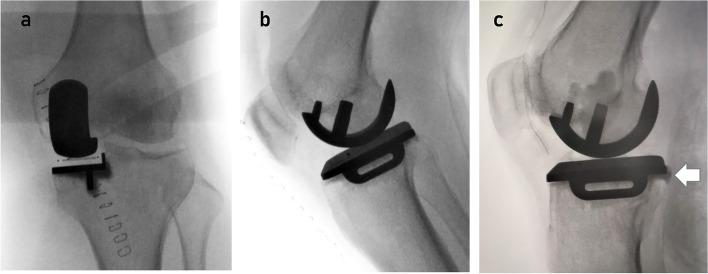
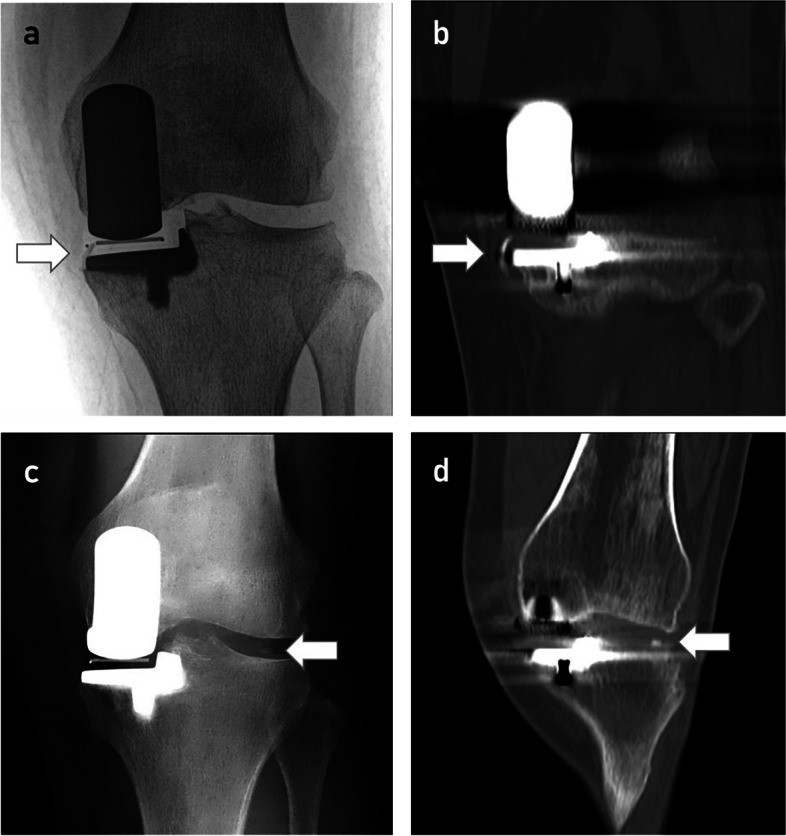
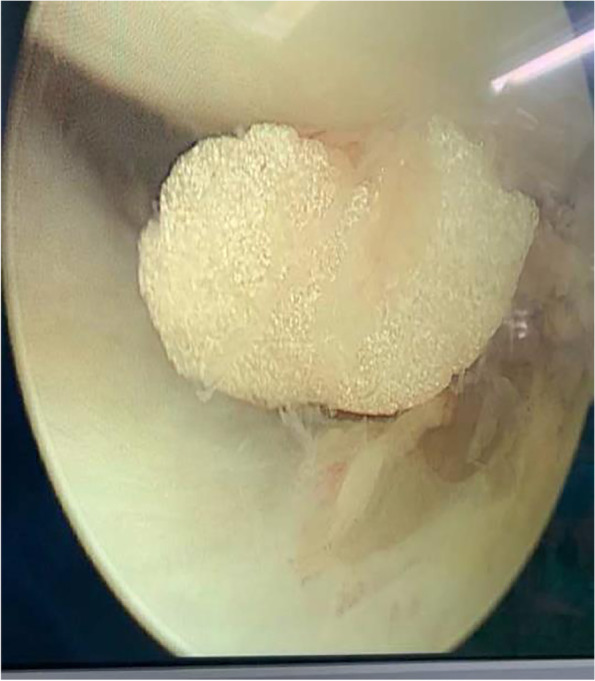
Results: Excluding the cases that lost follow-up, a total of 120 knees (65 in hybrid group and 55 in cemented group) were included in the analysis. There was no statistically significant difference in patient characteristics between the two groups (p > 0.05). The average follow-up time was 23.4 months (and ranged from 12 to 38 months). As of the last follow-up, there were no complications, such as dislocation, fracture, prosthesis loosening and subsidence, but one patient in the cemented group experienced symptoms caused by residual loose cement. Postoperative OKS in both groups improved significantly (p < 0.001). There was no significant difference in the OKS at any point during the follow-up or in the improvement of the OKS between the two groups (p > 0.05). Residual cement was mainly extruded behind the tibial prosthesis. The rate of hybrid periprosthetic residual cement extrusion was significantly lower in the hybrid group than in the cemented group, and the difference was statistically significant (OR = 3.38; p = 0.014).
Conclusions: Hybrid OUKA is as effective as cemented OUKA in the short term after operation and can significantly reduce the residual cement extrusion rate around the tibial prosthesis.
Keywords: Cement extrusion; Hybrid; OUKA outcome; Unicompartmental knee arthroplasty.
© 2021. The Author(s).
Conflict of interest statement
The authors declare that they have no competing interests.
Figures

References
MeSH terms
Substances
LinkOut - more resources
Full Text Sources
Medical
Research Materials
