Water, Sanitation, and Hygiene (WaSH) practices and morbidity status in a rural community: findings from a cross-sectional study in Odisha, India
- PMID: 34604579
- PMCID: PMC8451357
- DOI: 10.15167/2421-4248/jpmh2021.62.2.1503
Water, Sanitation, and Hygiene (WaSH) practices and morbidity status in a rural community: findings from a cross-sectional study in Odisha, India
Abstract
Introduction: Global evidence indicates an association between poor WaSH practice and inferior health outcomes. In rural areas, this practice is predominantly compromised with limited access to safe drinking water, knowledge gaps, and unhealthy socio-behavioural practices. Suboptimal WaSH practice leads to increased vulnerability of various infections, thereby posing a challenge to the primary health care system.
Methods: A community based cross-sectional study was conducted among 879 participants of two villages in Tigiria block, Cuttack district, Odisha, India. Information pertaining to socio-demography, WaSH practices and self-reported morbidities were captured and analysed. Bi-variate analysis was done to assess the association between WaSH practices and any acute illnesses. Differences were considered statistically significant if p-value was less than 0.05.
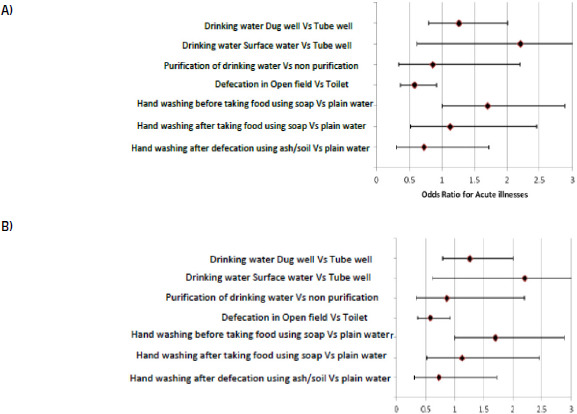
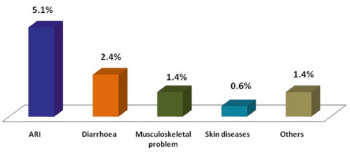
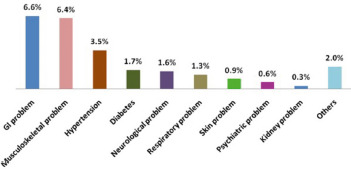
Results: Tube well was the main source of drinking water (49.3%) followed by dug well (46.6%). Only 7.1% of participants reported to purify drinking water and around 40% were still practicing open defecation. The prevalence of acute and chronic illnesses was 9.2% and 19.1% respectively. Major acute illnesses were respiratory diseases, diarrhoeal disorders, and musculoskeletal problems, while major chronic illnesses were gastrointestinal problems, musculoskeletal problems, and hypertension. After adjusting for age, gender, and education, a significant odds ratio of 3.79 [CI = (1.23-11.70)] was observed between drinking water source (surface water Vs tube well water) for acute illnesses.
Conclusions: Poor WaSH practices among rural people make them vulnerable to acute and chronic morbidities. Health awareness and socio behavioural changes pertaining to WaSH practices need utmost priority to ensure better health for rural people of Odisha.
Keywords: Acute illness; Chronic illness; Infection; Rural area; WaSH practice.
©2021 Pacini Editore SRL, Pisa, Italy.
Conflict of interest statement
Conflict of interest statement The authors declare no conflict of interest.
Figures
References
-
- Vishwanath R, Selvabai A.P, Shanmugam P. Detection of bacterial pathogens in the hands of rural school children across different age groups and emphasizing the importance of hand wash. J Prev Med Hyg 2019;60:E103–E108. https://doi.org/10.15167/2421-4248/jpmh2019.60.2.1186 10.15167/2421-4248/jpmh2019.60.2.1186 - DOI - PMC - PubMed
-
- Stocks ME, Ogden S, Haddad D, Addiss DG, McGuire C, Freeman MC. Effect of water, sanitation, and hygiene on the prevention of trachoma: a systematic review and meta-analysis. PLoS Med 2014;11:e1001605. https://doi.org/10.1371/journal.pmed.1001605 10.1371/journal.pmed.1001605 - DOI - PMC - PubMed
-
- Berendes D. Household sanitation is associated with lower risk of bacterial and protozoal enteric infections, but not viral infections and diarrhoea, in a cohort study in a low-income urban neighbourhood in Vellore, India. Trop Med Int Health 2017;22: 1119-1129. https://doi.org/10.1111/tmi.12915 10.1111/tmi.12915 - DOI - PMC - PubMed
-
- Pati S, Kadam SS, Chauhan AS. Hand hygiene behavior among urban slum children and their care takers in Odisha, India. J Prev Med Hyg 2014;55:65-8. https://doi.org/10.15167/2421-4248/jpmh2014.55.2.431 10.15167/2421-4248/jpmh2014.55.2.431 - DOI - PMC - PubMed
-
- Nizame FA. Observed practices and perceived advantages of different hand cleansing agents in rural Bangladesh: ash, soil, and soap. Am J Trop Med Hyg 2015;92:1111-6. https://doi.org/10.4269/ajtmh.14-0378 10.4269/ajtmh.14-0378 - DOI - PMC - PubMed
MeSH terms
Substances
LinkOut - more resources
Full Text Sources
Medical