


Meta-analysis to predict the effects of temperature stress on meat quality of poultry
- PMID: 34607155
- PMCID: PMC8496168
- DOI: 10.1016/j.psj.2021.101471
Meta-analysis to predict the effects of temperature stress on meat quality of poultry
Abstract
Temperature stress (TS) is a significant issue in poultry production, which has implications for animal health and welfare, productivity, and industry profitability. Temperature stress, including both hot (heat stress) and cold conditions (cold stress), is associated with increased incidence of meat quality defects such as pale, soft, and exudative (PSE) and dark, firm, and dry (DFD) meat costing poultry industries millions of dollars annually. A meta-analysis was conducted to determine the effect of ambient TS on meat quality parameters of poultry. Forty-eight publications which met specific criteria for inclusion were identified through a systematic literature review. Temperature stress was defined by extracting 2 descriptors for each treatment mean from the chosen studies: (1) temperature imposed for the experimental treatments (°C) and duration of temperature exposure. Treatment duration was categorized for analysis into acute (≤24 h) or chronic (>24 h) treatments. Meat quality parameters considered were color (L*-a*-b* scheme), pH (initial and ultimate), drip loss, cooking loss, and shear force. Linear mixed model analysis, including study as a random effect, was used to determine the effect of treatment temperature and duration on meat quality. Model evaluation was conducted by performing a k-fold cross-validation to estimate test error, and via assessment of the root mean square prediction error (RMSPE), and concordance correlation coefficient (CCC). Across both acute and chronic durations, treatment temperature was found to have a significant effect on all studied meat quality parameters. As treatment temperature increased, meat demonstrated characteristics of PSE meat and, as temperature decreased, meat demonstrated characteristics of DFD meat. The interaction between treatment temperature and duration was significant for most traits, however, the relative impact of treatment duration on the studied traits was inconsistent. Acute TS had a larger effect than chronic TS on ultimate pH, and chronic stress had a more considerable impact on color traits (L* and a*). This meta-analysis quantifies the effect of ambient TS on poultry meat quality. However, quantitative effects were generally small, and therefore may or may not be of practical significance from a processing perspective.
Keywords: color; cooking loss; drip loss; pH; shear force.
Copyright © 2021. Published by Elsevier Inc.
Figures

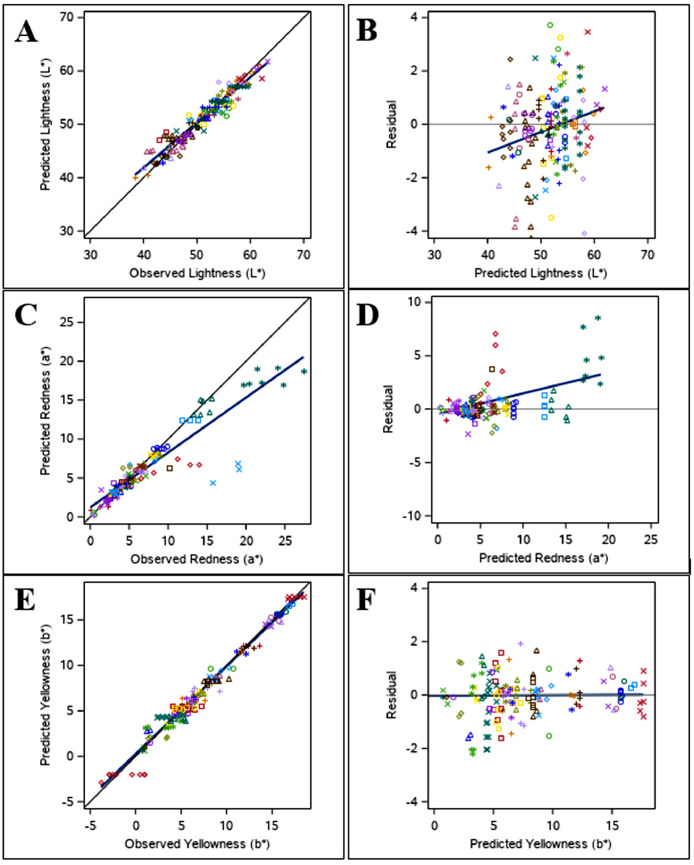
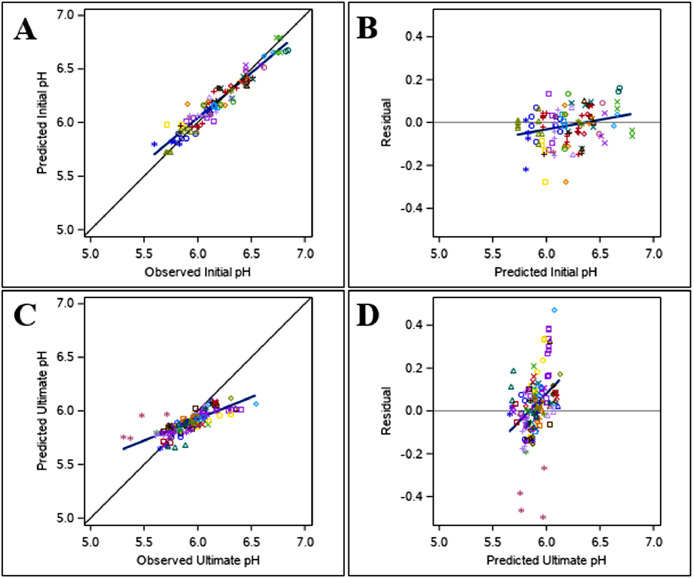
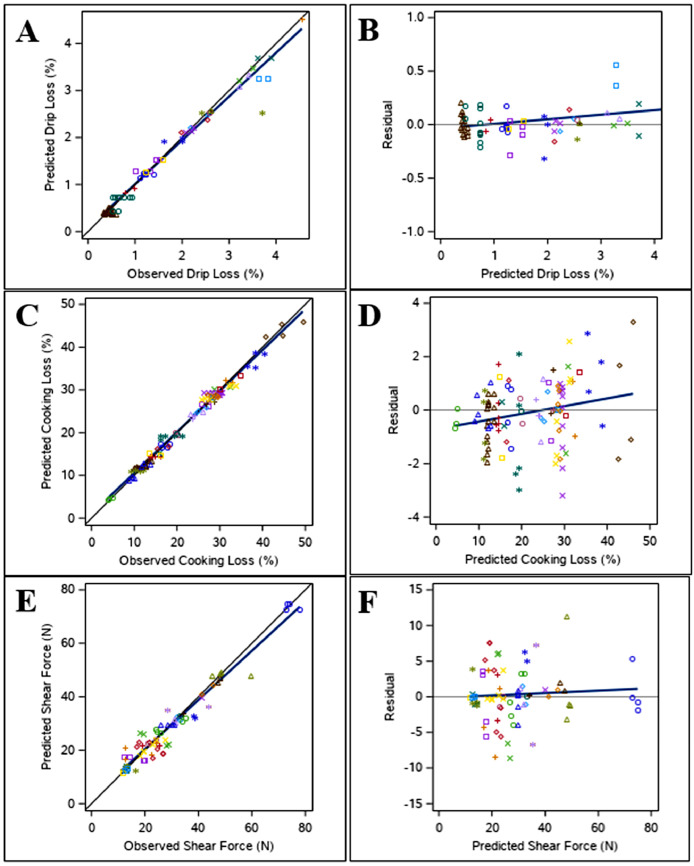
References
-
- Adzitey F., Nurul H. Pale soft exudative (PSE) and dark firm dry (DFD) meats: causes and measures to reduce these incidences - a mini review. Int. Food Res. J. 2011;18:11–20.
-
- Aksit M., Yalcin S., Ozkan S., Metin K., Ozdemir D. Effects of temperature during rearing and crating on stress parameters and meat quality of broilers. Poult. Sci. 2006;85:1867–1874. - PubMed
-
- Ali M.S., Kang G.H., Joo S.T. A review: influences of pre-slaughter stress on poultry meat quality. Asian-Australas. J. Anim. Sci. 2008;21:912–916.
-
- Babji A.S., Froning G.W., Ngoka D.A. The effect of preslaughter environmental temperature in the presence of electrolyte treatment on turkey meat quality. Poult. Sci. 1982;61:2385–2389.
-
- Banović M., Grunert K.G., Barreira M.M., Fontes M.A. Beef quality perception at the point of purchase: a study from Portugal. Food Qual. Prefer. 2009;20:335–342.
Publication types
MeSH terms
LinkOut - more resources
Full Text Sources
Research Materials
Miscellaneous
