


Triacylglycerol remodeling in Physaria fendleri indicates oil accumulation is dynamic and not a metabolic endpoint
- PMID: 34608961
- PMCID: PMC8491037
- DOI: 10.1093/plphys/kiab294
Triacylglycerol remodeling in Physaria fendleri indicates oil accumulation is dynamic and not a metabolic endpoint
Abstract
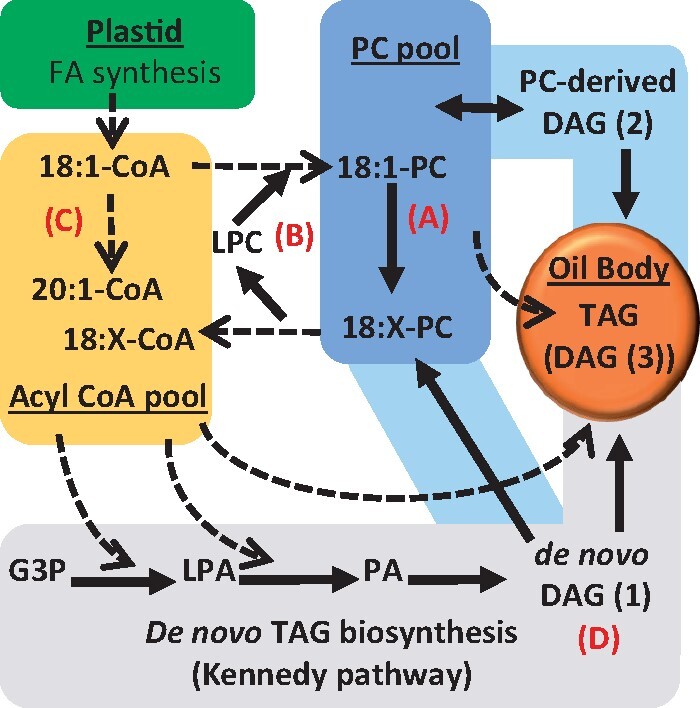
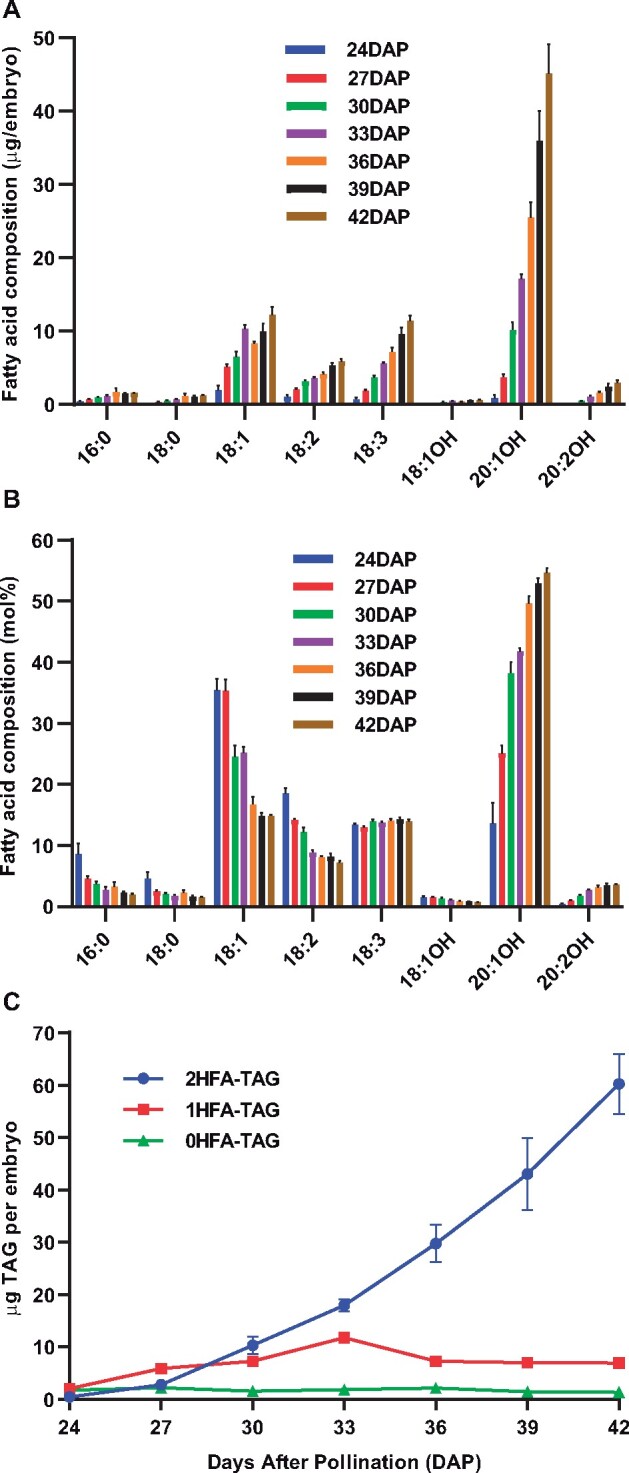
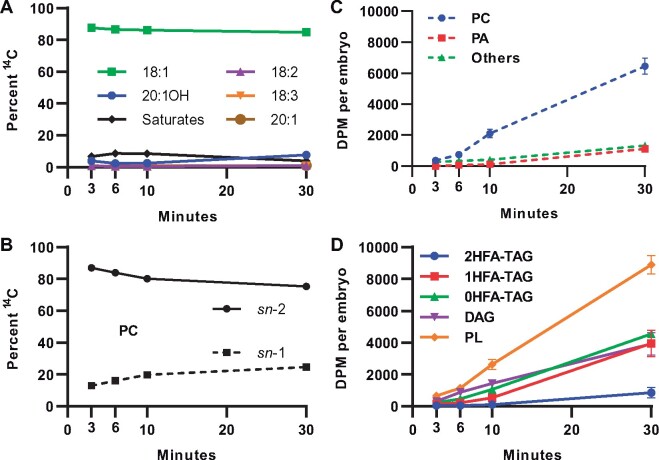
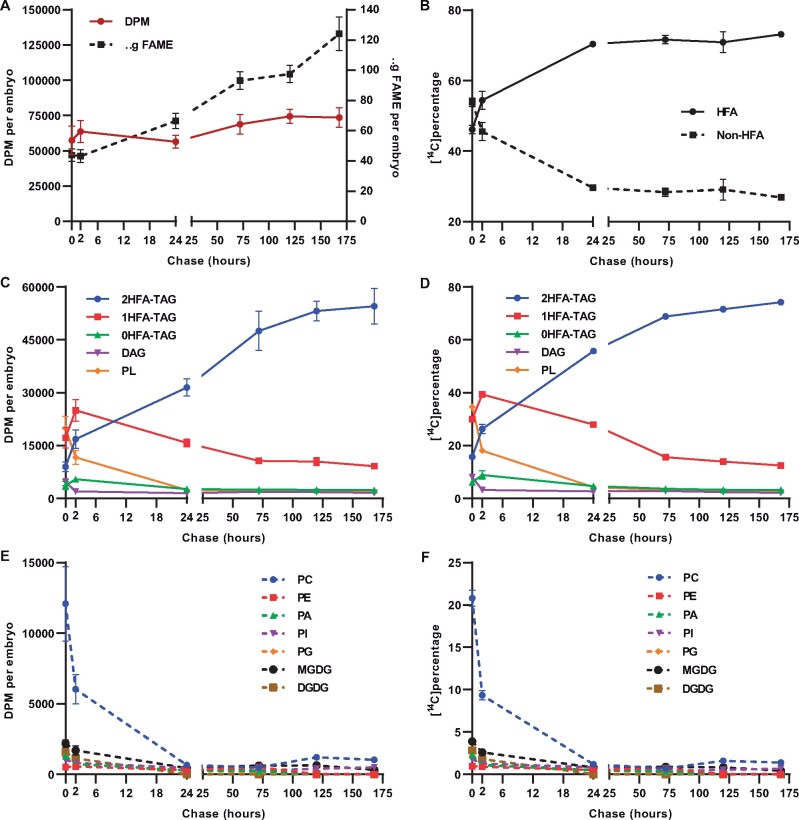
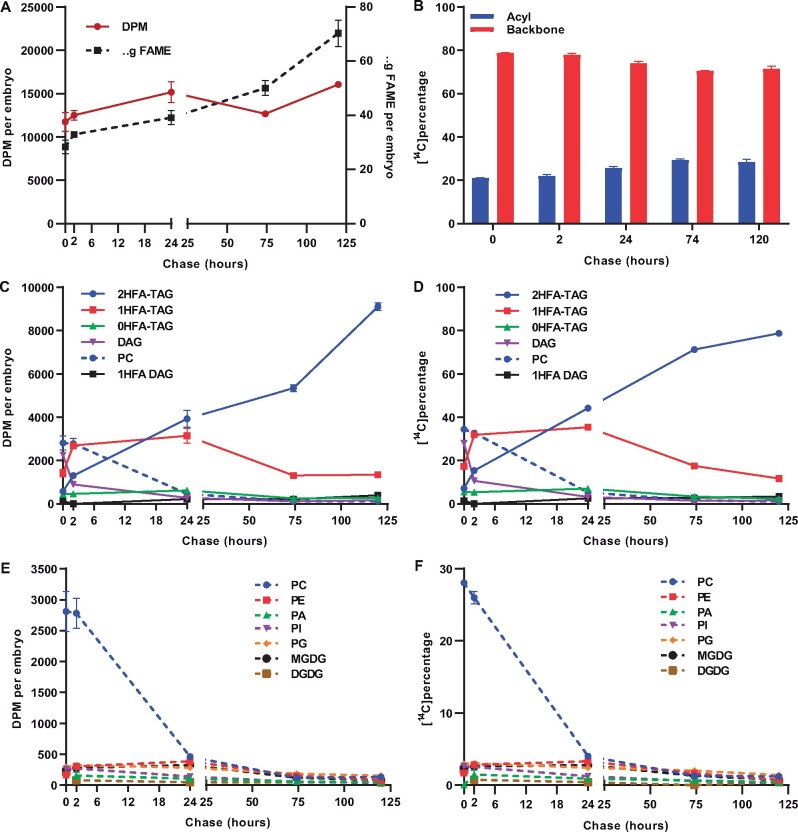
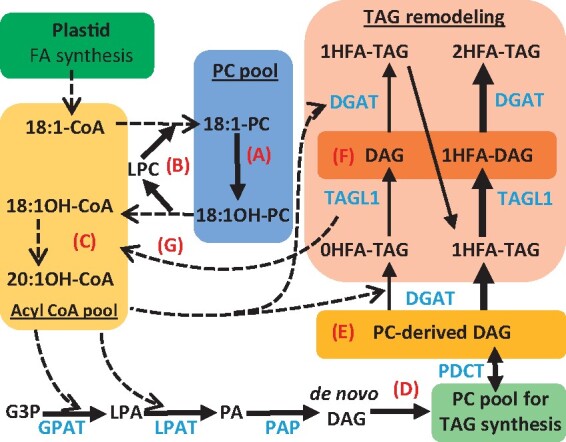
Oilseed plants accumulate triacylglycerol (TAG) up to 80% of seed weight with the TAG fatty acid composition determining its nutritional value or use in the biofuel or chemical industries. Two major pathways for production of diacylglycerol (DAG), the immediate precursor to TAG, have been identified in plants: de novo DAG synthesis and conversion of the membrane lipid phosphatidylcholine (PC) to DAG, with each pathway producing distinct TAG compositions. However, neither pathway fits with previous biochemical and transcriptomic results from developing Physaria fendleri seeds for accumulation of TAG containing >60% lesquerolic acid (an unusual 20 carbon hydroxylated fatty acid), which accumulates at only the sn-1 and sn-3 positions of TAG. Isotopic tracing of developing P. fendleri seed lipid metabolism identified that PC-derived DAG is utilized to initially produce TAG with only one lesquerolic acid. Subsequently a nonhydroxylated fatty acid is removed from TAG (transiently reproducing DAG) and a second lesquerolic acid is incorporated. Thus, a dynamic TAG remodeling process involving anabolic and catabolic reactions controls the final TAG fatty acid composition. Reinterpretation of P. fendleri transcriptomic data identified potential genes involved in TAG remodeling that could provide a new approach for oilseed engineering by altering oil fatty acid composition after initial TAG synthesis; and the comparison of current results to that of related Brassicaceae species in the literature suggests the possibility of TAG remodeling involved in incorporation of very long-chain fatty acids into the TAG sn-1 position in various plants.
© The Author(s) 2021. Published by Oxford University Press on behalf of American Society of Plant Biologists.
Figures

References
-
- Al-Shehbaz IA, O'Kane SL Jr (2002) Lesquerella is united with Physaria (Brassicaceae). Novon 12: 319–329
-
- Allen DK, Bates PD, Tjellström H (2015) Tracking the metabolic pulse of plant lipid production with isotopic labeling and flux analyses: past, present and future. Prog Lipid Res 58: 97–120 - PubMed
-
- Anderson B (2015) 13C Labeling of the Tricarboxylic Acid Cycle and Carbon Conversion Efficiency in Lesquerella (Physaria fendleri) Embryos. The Ohio State University, Ohio
Publication types
MeSH terms
Substances
LinkOut - more resources
Full Text Sources
Other Literature Sources
