. 2021 Oct 1;4(10):e2128544.
doi: 10.1001/jamanetworkopen.2021.28544.

Comparison of New Pharmacologic Agents With Triptans for Treatment of Migraine: A Systematic Review and Meta-analysis

Affiliations

Comparison of New Pharmacologic Agents With Triptans for Treatment of Migraine: A Systematic Review and Meta-analysis

Chun-Pai Yang et al. JAMA Netw Open. .

Abstract

Importance: New therapeutic classes of migraine-specific treatment have been developed, including 5-hydroxytryptamine1F receptor agonists (lasmiditan) and calcitonin gene-related peptide antagonists (rimegepant and ubrogepant).

Objective: To compare outcomes associated with the use of lasmiditan, rimegepant, and ubrogepant vs triptans for acute management of migraine headaches.

Data sources: The Cochrane Register of Controlled Trials, Embase, and PubMed were searched from inception to March 5, 2020.

Study selection: Double-blind randomized clinical trials examining current available migraine-specific acute treatments were included.

Data extraction and synthesis: The Preferred Reporting Items for Systematic Reviews and Meta-Analyses (PRISMA) guideline was applied to extract the data according to a predetermined list of variables of interest, and all network meta-analyses were conducted using a random-effects model.

Main outcomes and measures: The primary outcome was the odds ratio (OR) for freedom from pain (hereafter referred to as pain freedom) at 2 hours after the dose, and the secondary outcomes were ORs for pain relief at 2 hours after the dose and any adverse events.

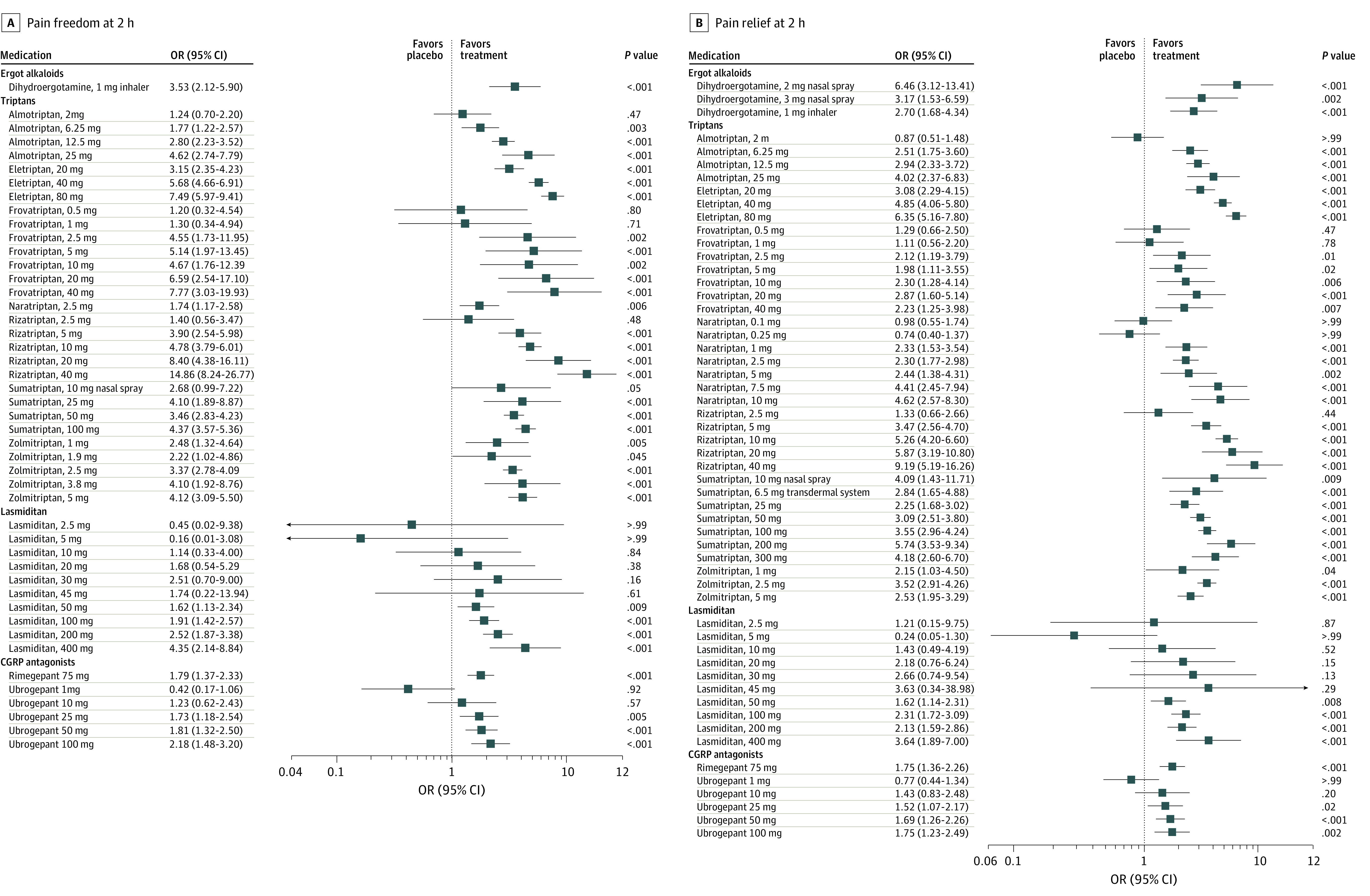
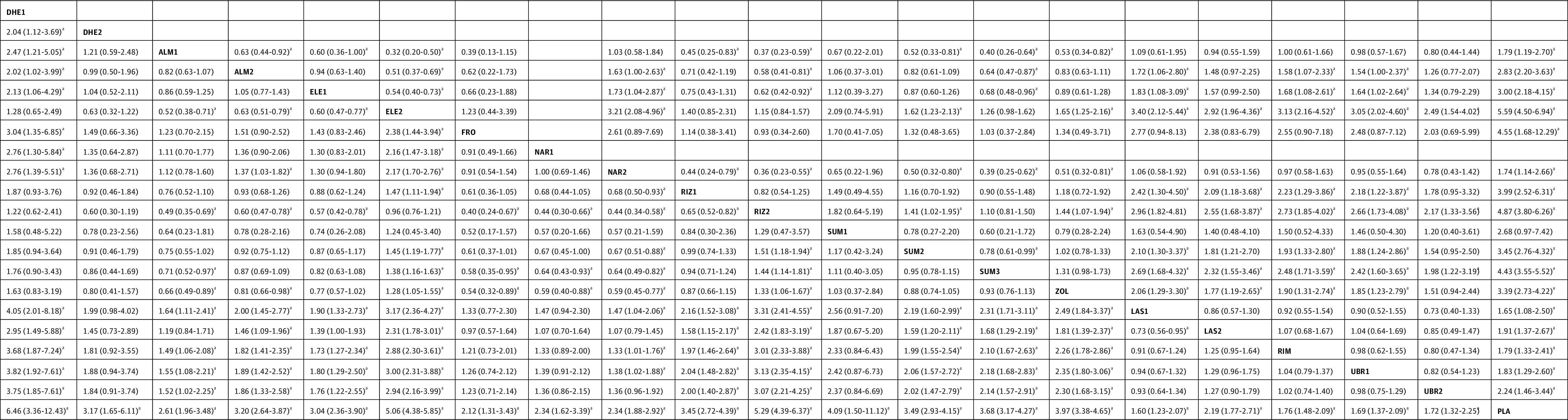
Results: A total of 64 randomized clinical trials were included (46 442 participants; 74%-87% women; age range, 36-43 years). Most of the included treatments were associated with reduced pain at 2 hours compared with placebo. Most triptans were associated with higher ORs for pain freedom at 2 hours compared with lasmiditan (range: OR, 1.72 [95% CI, 1.06-2.80] to OR, 3.40 [95% CI, 2.12-5.44]), rimegepant (range: OR, 1.58 [95% CI, 1.07-2.33] to OR, 3.13 [95% CI, 2.16-4.52]), and ubrogepant (range: OR, 1.54 [95% CI, 1.00-2.37] to OR, 3.05 [95% CI, 2.02-4.60]). Most triptans were associated with higher ORs for pain relief at 2 hours compared with lasmiditan (range: OR, 1.46 [95% CI, 1.09-1.96] to OR, 3.31 [95% CI, 2.41-4.55]), rimegepant (range: OR, 1.33 [95% CI, 1.01-1.76] to OR, 3.01 [95% CI, 2.33-3.88]), and ubrogepant (range: OR, 1.38 [95% CI, 1.02-1.88] to OR, 3.13 [95% CI, 2.35-4.15]). The comparisons between lasmiditan, rimegepant, and ubrogepant were not statistically significant for both pain freedom and pain relief at 2 hours. Lasmiditan was associated with the highest risk of any adverse events, and certain triptans (rizatriptan, sumatriptan, and zolmitriptan) were also associated with a higher risk of any adverse events than the calcitonin gene-related peptide antagonists.

Conclusions and relevance: For pain freedom or pain relief at 2 hours after the dose, lasmiditan, rimegepant, and ubrogepant were associated with higher ORs compared with placebo but lower ORs compared with most triptans. However, the lack of cardiovascular risks for these new classes of migraine-specific treatments may offer an alternative to triptans.


Conflict of interest statement

Conflict of Interest Disclosures: Dr Wang reported receiving personal fees from Eli Lilly, Daiichi-Sankyo, Norvatis Taiwan, Biogen, Pfizer, and Bayer; and grants from AbbVie, Norvatis, Eli Lilly, Taiwan Ministry of Technology and Science, Brain Research Center, National Yang Ming Chiao Tung University, and Taipei Veterans General Hospital outside the submitted work. No other disclosures were reported.

Figures

Figure 1.
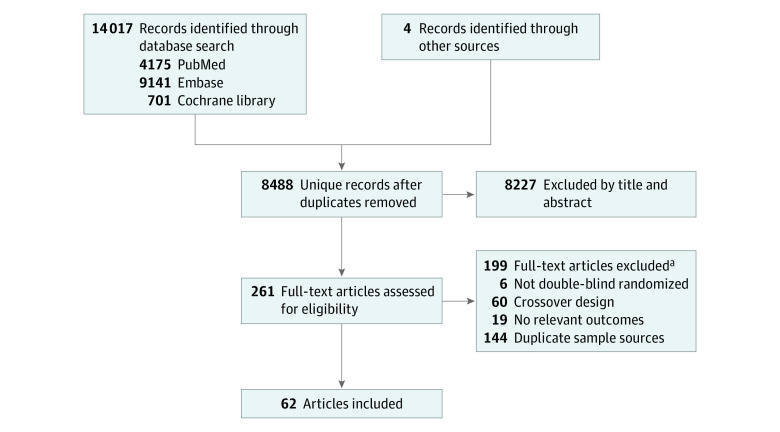
Figure 1.. Selection of Studies to be Included in the Network Meta-analysis
A total of 64 trials were included because 2 articles provided the results of 2 studies each., aNumbers are not mutually exclusive.
Figure 2.
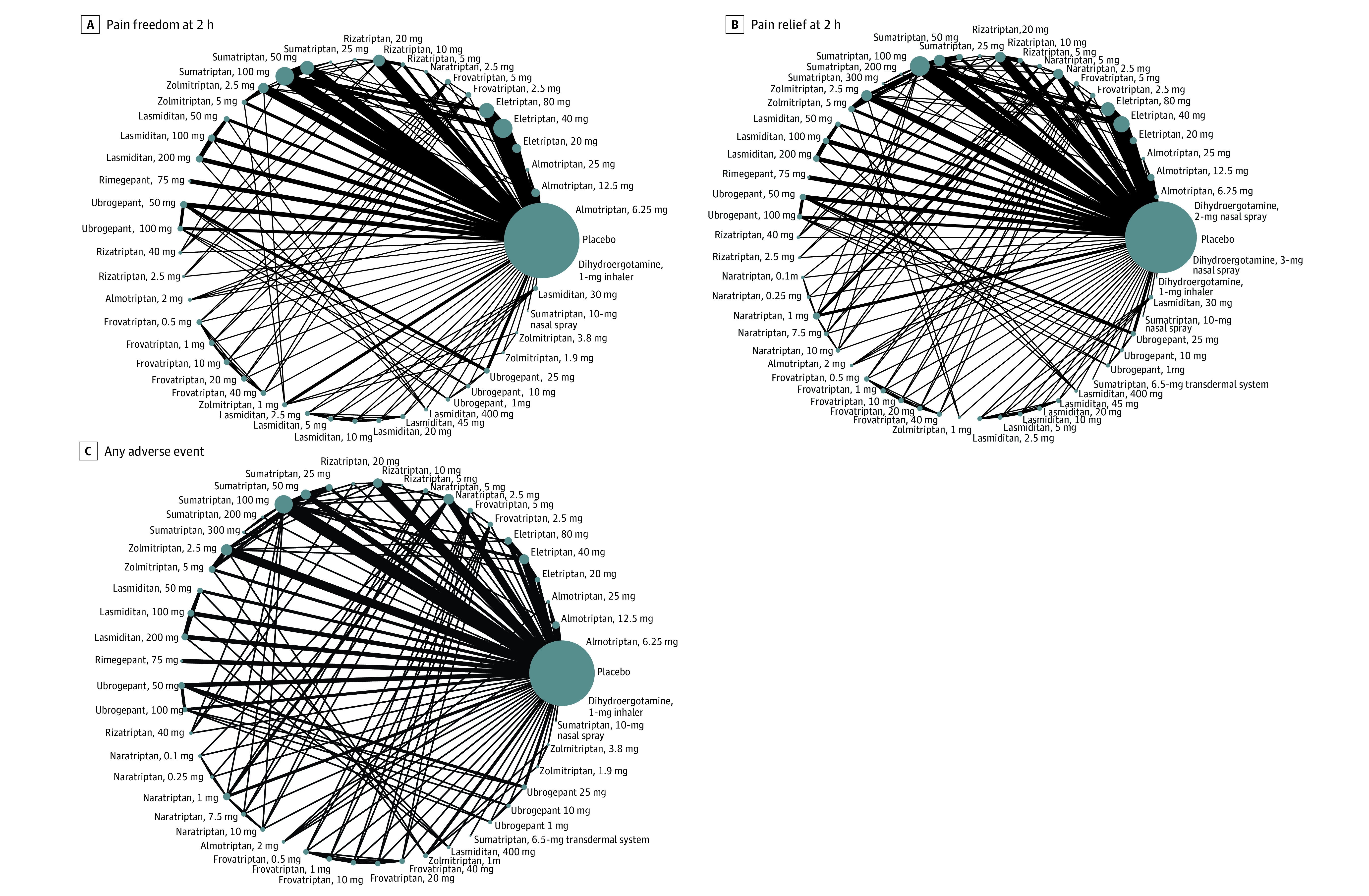
Figure 2.. Network Structures of the Outcomes
A, Primary outcome: pain freedom at 2 hours. B, Secondary outcome: pain relief at 2 hours. C, Secondary outcome: any adverse event. The lines between nodes represent direct comparisons in various trials, and the size of each circle is proportional to the size of the population involved in each specific treatment. The thickness of the lines is proportional to the number of trials connected to the network. One study was excluded from our analysis because it compared subcutaneous dihydroergotamine and subcutaneous sumatriptan and did not connect with the other studies in the network.
Figure 3.
Figure 3.. Forest Plots of the Outcomes
A, Primary outcome: pain freedom at 2 hours. B, Secondary outcomes: pain relief at 2 hours. CGRP indicates calcitonin gene-related peptide. Error bars indicate 95% CI.
Figure 4.
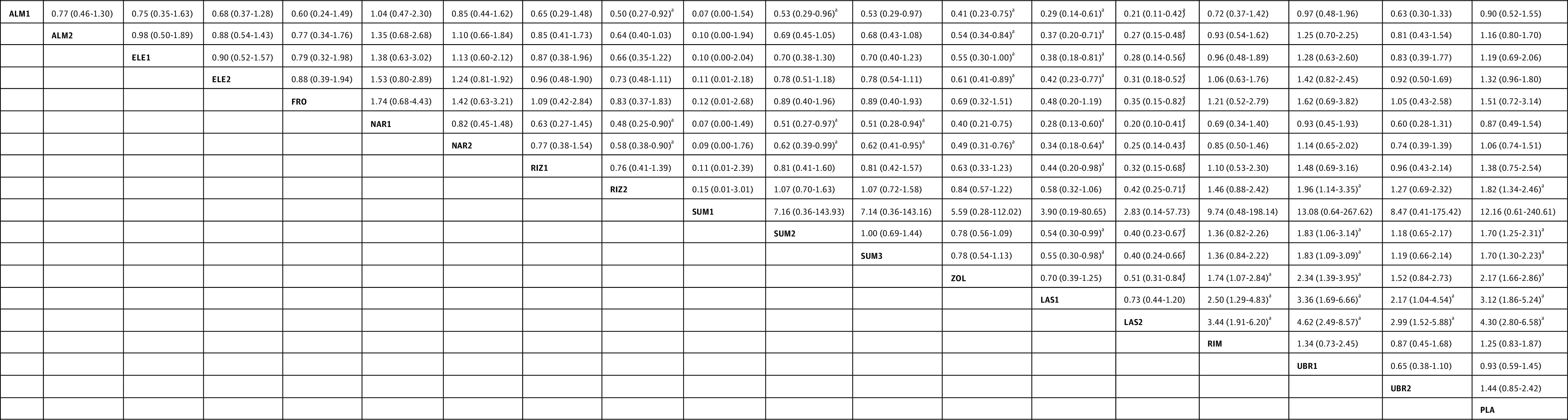
Figure 4.. Specific Antimigraine Treatment in Dosages With Widespread Clinical Use as Regards to Pain Freedom and Pain Relief at 2 Hours
Results of pain relief at 2 hours are presented in the left lower half and results of pain freedom at 2 hours in the upper right half, if available. Comparisons between treatment must be read from left to right. In the left lower half (pain relief), the estimates (odds ratio with 95% CI) higher than 1 favor the column-defining treatment. In the right upper half (pain freedom), the estimates higher than 1 favor the row-defining treatment. ALM1 indicates almotriptan, 6.25 mg; ALM2, almotriptan, 12.5 mg; DHE1, dihydroergotamine, 2 mg nasal spray; DHE2, dihydroergotamine, 3 mg nasal spray; ELE1, eletriptan, 20 mg; ELE2, eletriptan, 40 mg; FRO, frovatriptan, 2.5 mg; NAR1, naratriptan, 1 mg; LAS1, lasmiditan, 50 mg; LAS2, lasmiditan, 100 mg; NAR2, naratriptan, 2.5 mg; PLA, placebo; RIM, rimegepant, 75 mg; RIZ1, rizatriptan, 5 mg; RIZ2, rizatriptan, 10 mg; SUM1, sumatriptan, 10 mg nasal spray; SUM2, sumatriptan, 50 mg; SUM3, sumatriptan, 100 mg; UBR1, ubrogegant, 50 mg; UBR2, ubrogepant, 100 mg; and ZOL, zolmitriptan, 2.5 mg. aP < .05.
Figure 5.
Figure 5.. Specific Antimigraine Treatment in Dosages With Widespread Clinical Use as Regards to Adverse Events
Comparisons between treatment must be read from left to right and the estimates (odds ratio with 95% CI) lower than 1 favor column-defining treatment. ALM1 indicates almotriptan, 6.25 mg; ALM2, almotriptan, 12.5 mg; ELE1, eletriptan, 20 mg; ELE2, eletriptan, 40 mg; FRO, frovatriptan, 2.5 mg; LAS1, lasmiditan, 50 mg; LAS2, lasmiditan, 100 mg; NAR1, naratriptan, 1 mg; NAR2, naratriptan, 2.5 mg; PLA, placebo; RIM, rimegepant, 75 mg; RIZ1, rizatriptan, 5 mg; RIZ2, rizatriptan, 10 mg; SUM1, sumatriptan, 10 mg nasal spray; SUM2, sumatriptan, 50 mg; SUM3, sumatriptan, 100 mg; UBR1, ubrogegant, 50 mg; UBR2, ubrogepant, 100 mg; and ZOL, zolmitriptan, 2.5 mg. aP < .05.

References

    1. Ferrari MD, Goadsby PJ, Roon KI, Lipton RB. Triptans (serotonin, 5-HT1B/1D agonists) in migraine: detailed results and methods of a meta-analysis of 53 trials. Cephalalgia. 2002;22(8):633-658. doi:10.1046/j.1468-2982.2002.00404.x - DOI - PubMed
    1. Dodick DW. Migraine. Lancet. 2018;391(10127):1315-1330. doi:10.1016/S0140-6736(18)30478-1 - DOI - PubMed
    1. Chen TB, Chen YT, Fuh JL, Tang CH, Wang SJ. Treatment adherence among new triptan users: a 2-year cohort study in Taiwan. J Headache Pain. 2014;15:48. doi:10.1186/1129-2377-15-48 - DOI - PMC - PubMed
    1. Goadsby PJ, Wietecha LA, Dennehy EB, et al. . Phase 3 randomized, placebo-controlled, double-blind study of lasmiditan for acute treatment of migraine. Brain. 2019;142(7):1894-1904. doi:10.1093/brain/awz134 - DOI - PMC - PubMed
    1. Kuca B, Silberstein SD, Wietecha L, Berg PH, Dozier G, Lipton RB; COL MIG-301 Study Group . Lasmiditan is an effective acute treatment for migraine: a phase 3 randomized study. Neurology. 2018;91(24):e2222-e2232. doi:10.1212/WNL.0000000000006641 - DOI - PMC - PubMed

Publication types