. 2021 Oct 11:41:49-77.
doi: 10.1146/annurev-nutr-111120-111518.

Metabolic and Signaling Roles of Ketone Bodies in Health and Disease

Affiliations

Metabolic and Signaling Roles of Ketone Bodies in Health and Disease

Patrycja Puchalska et al. Annu Rev Nutr. .

Abstract

Ketone bodies play significant roles in organismal energy homeostasis, serving as oxidative fuels, modulators of redox potential, lipogenic precursors, and signals, primarily during states of low carbohydrate availability. Efforts to enhance wellness and ameliorate disease via nutritional, chronobiological, and pharmacological interventions have markedly intensified interest in ketone body metabolism. The two ketone body redox partners, acetoacetate and D-β-hydroxybutyrate, serve distinct metabolic and signaling roles in biological systems. We discuss the pleiotropic roles played by both of these ketones in health and disease. While enthusiasm is warranted, prudent procession through therapeutic applications of ketogenic and ketone therapies is also advised, as a range of metabolic and signaling consequences continue to emerge. Organ-specific and cell-type-specific effects of ketone bodies are important to consider as prospective therapeutic and wellness applications increase.

Keywords: ketones and SGLT inhibitors; ketones and cancer; ketones and fatty liver disease; ketones and heart failure; ketones and neurodegenerative disease; ketones and the gut.


Figures
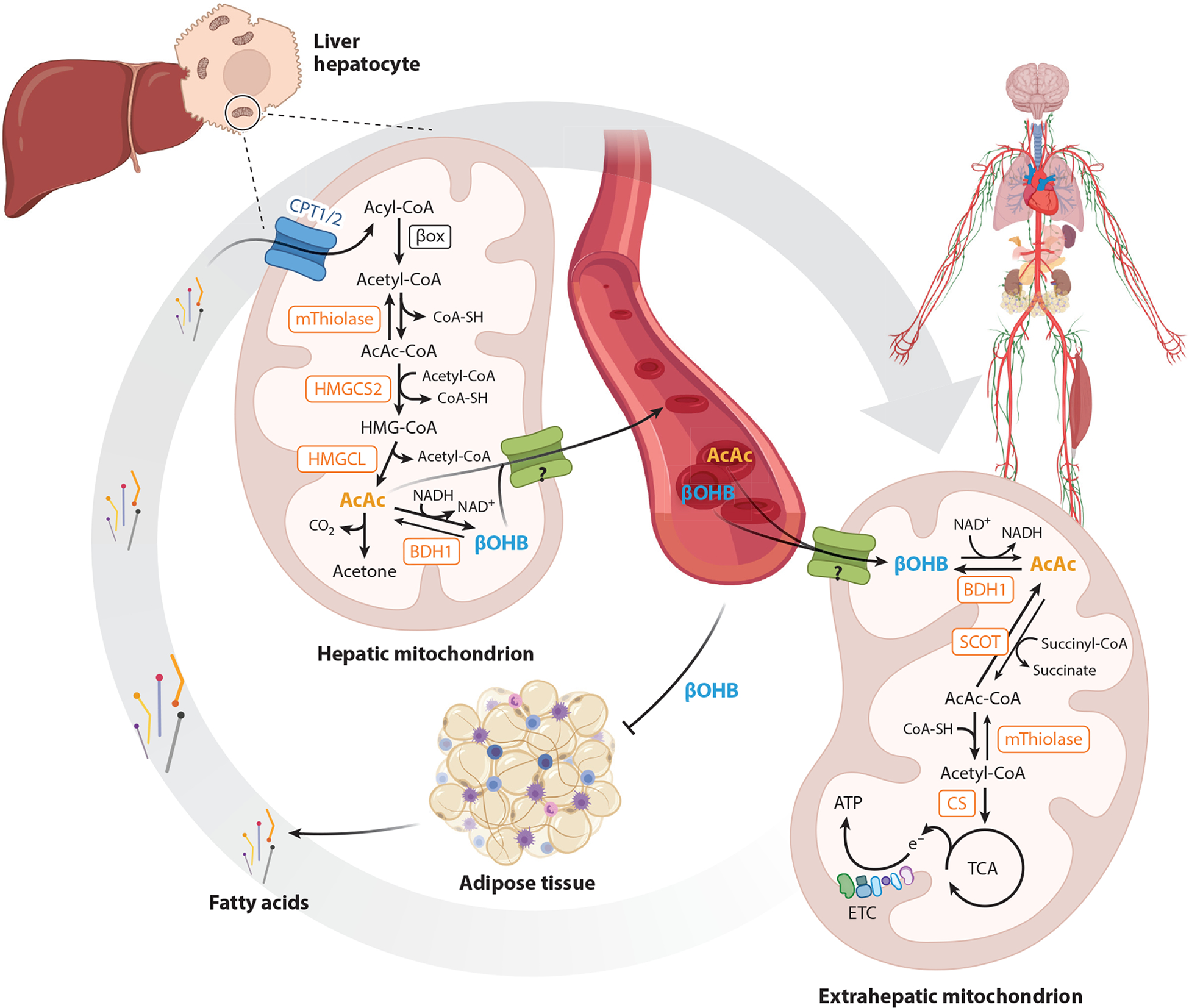
Figure 1
Figure 1
Overview of organismal physiology and turnover. Ketone bodies are primarily generated within hepatic mitochondria from fatty acid–derived acetyl-CoA by the sequence of metabolic reactions requiring the fate-committing enzyme HMGCS2. AcAc and βOHB are transported in circulation to extrahepatic tissue for terminal oxidation through reactions requiring the enzyme SCOT. Adipose tissue lipolysis is inhibited by βOHB, creating a negative feedback loop. Question marks represent the uncertain molecular identity of mitochondrial ketone transporter(s). Abbreviations: AcAc, acetoacetate; ATP, adenosine triphosphate; BDH1, D-β-hydroxybutyrate dehydrogenase 1; βOHB, β-hydroxybutyrate; βox, β-oxidation; CoA, coenzyme A; CoA-SH, CoA sodium salt hydrate; CPT, carnitine palmitoyltransferase; e, electron; CS, citrate synthase; ETC, electron transport chain; HMGCL, 3-hydroxymethylglutaryl-CoA lyase; HMGCS2, 3-hydroxymethylglutaryl-CoA synthase 2; mThiolase, mitochondrial thiolase; SCOT, succinyl-CoA:3-oxoacid-CoA transferase; TCA, tricarboxylic acid. Figure adapted from images created with BioRender.com.
Figure 2
Figure 2
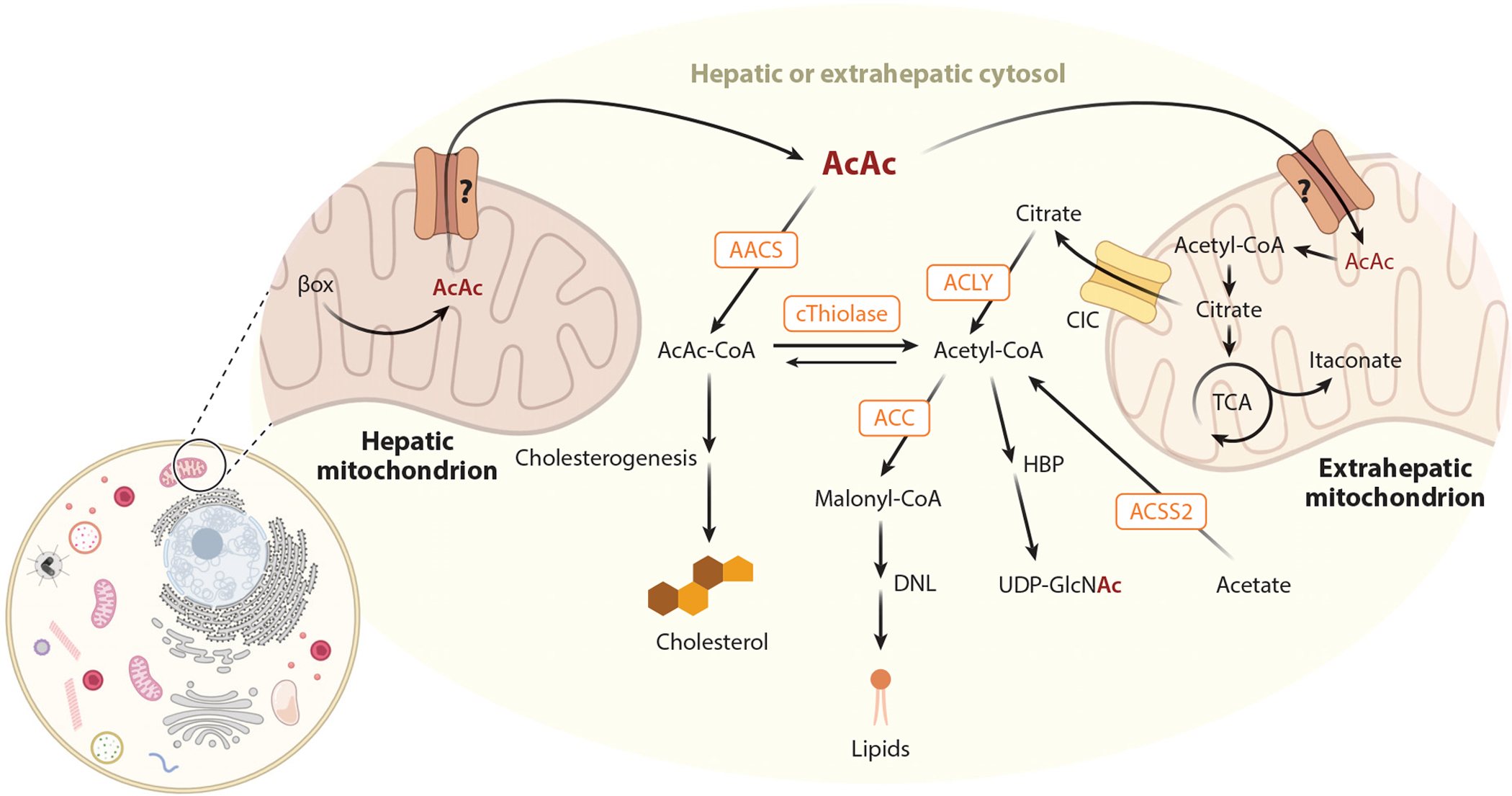
Ketone body metabolic fates beyond terminal oxidation. Ketone body metabolism in hepatic or extrahepatic cytosol is integrated with nonoxidative pathways such as cholesterogenesis and DNL. In extrahepatic cells, AcAc carbon converges with itaconate and HBPs in mitochondrial and cytosolic compartments, respectively. Question marks represent the uncertain molecular identity of mitochondrial ketone transporter(s). Abbreviations: AACS, AcAc-CoA synthetase; AcAc, acetoacetate; ACC, acetyl-CoA carboxylase; ACLY, adenosine triphosphate citrate lyase; ACSS2, acetyl-CoA synthetase; βox, β-oxidation; CIC, citrate transporter; CoA, coenzyme A; cThiolase, cytoplasmic thiolase; DNL, de novo lipogenesis; HBP, hexosamine biosynthetic pathway; TCA, tricarboxylic acid; UDP-GlcNAc, uridine diphospho-N-acetylglucosamine. Figure adapted from images created with BioRender.com.
Figure 3
Figure 3
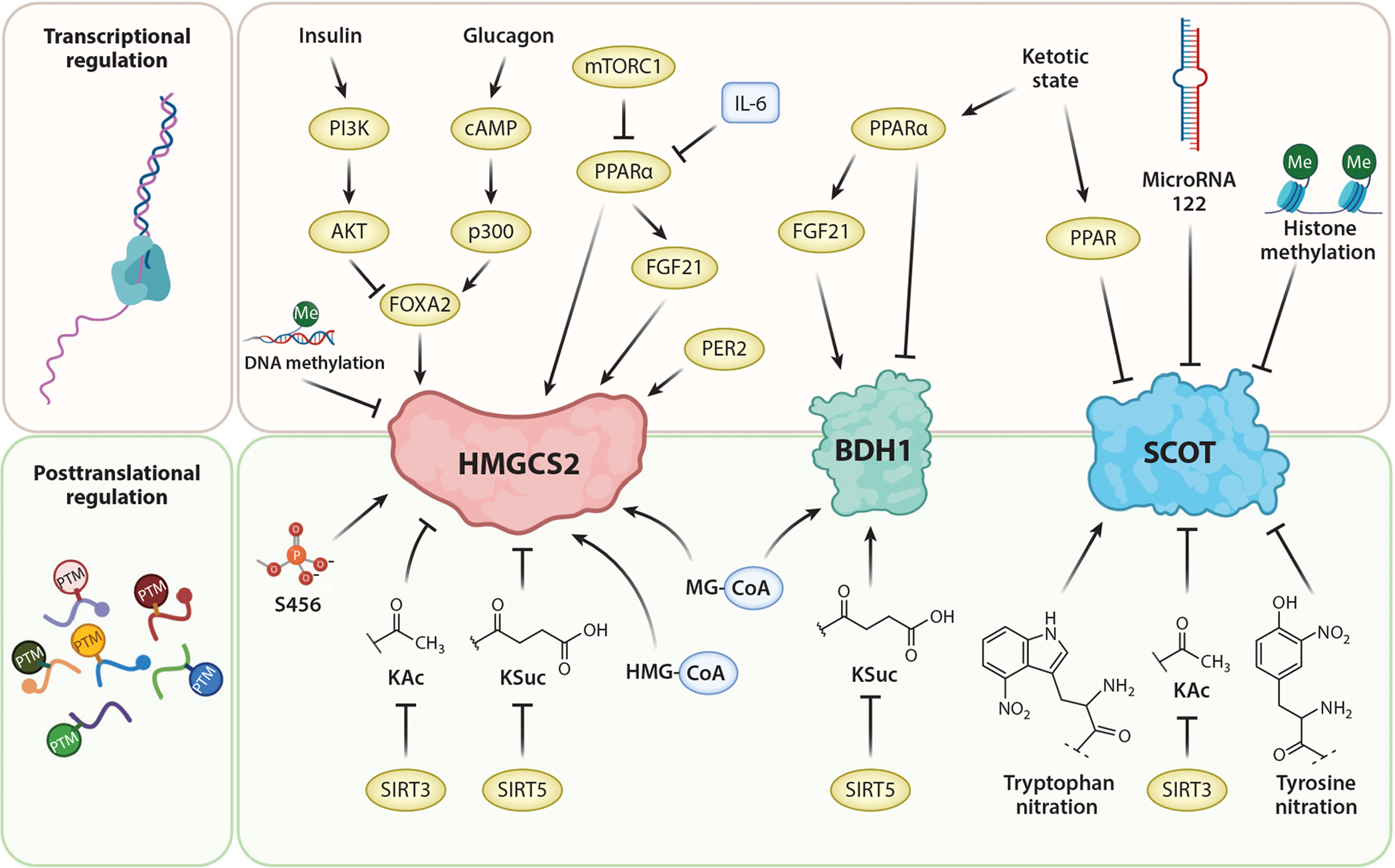
Regulatory mechanisms for key mitochondrial drivers of ketone body metabolism. HMGCS2 is a fate-committing ketogenic enzyme abundant in hepatocytes. BDH1 catalyzes the reduction/oxidation between AcAc and D-βOHB in hepatic and extrahepatic cells. SCOT is required for extrahepatic mitochondrial ketolysis. Abbreviations: AcAc, acetoacetate; BDH1, D-β-hydroxybutyrate dehydrogenase 1; D-βOHB, D-β-hydroxybutyrate; FGF21, fibroblast growth factor 21; HMG-CoA, 3-hydroxymethylglutaryl-CoA; HMGCS2, 3-hydroxymethylglutaryl-CoA synthase 2; IL-6, interleukin 6; KAc, lysine-acetylation; KSuc, lysine-succinylation; MG-CoA, 3-methylglutaryl-CoA; mTORC1, mammalian target of rapamycin complex 1; PI3K, phosphatidylinositol-3-kinase; PPARα, peroxisome proliferator activated receptor alpha; PTM, posttranslational modification; SCOT, succinyl-CoA:3-oxoacid-CoA transferase; SIRT, sirtuin. Figure adapted from images created with BioRender.com.
Figure 4
Figure 4
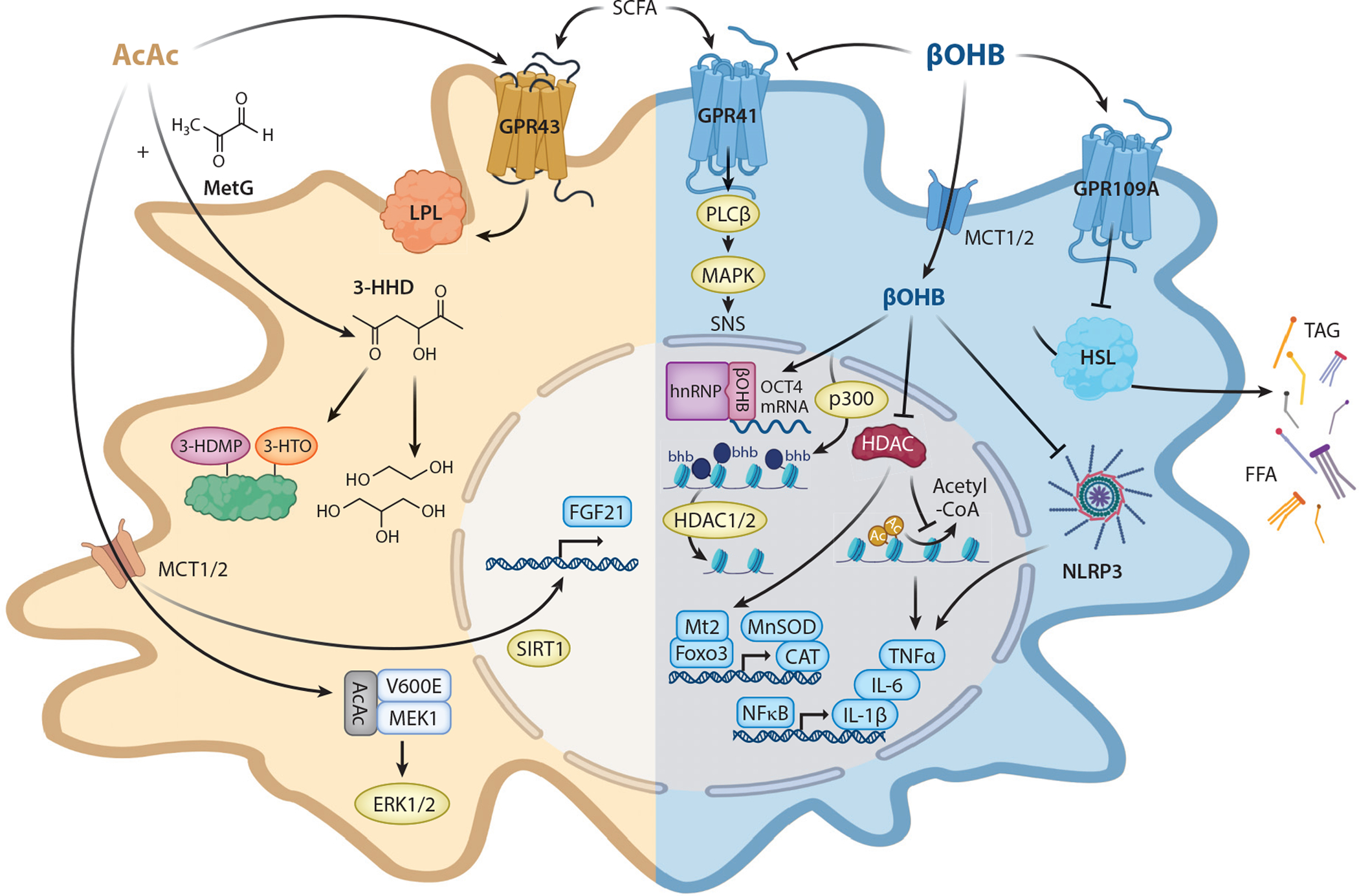
Noncanonical cellular responses to AcAc and βOHB. Ketone bodies exert different cellular effects through changes transduced by epigenetic, posttranslational, and cell surface signaling mechanisms. Abbreviations: 3-HDMP, 3-hydroxypyrrole-derivative; 3-HHD, 3-hydroxyhexane-2,5-dione; 3-HTO, 3-hexane-2,3,4-trione; AcAc, acetoacetate; bhb, lysine β-hydroxybutyrylation; βOHB, β-hydroxybutyrate; ERK, extracellular signal–regulated kinase; FFA, free fatty acid; FGF, fibroblast growth factor; GPR, G-protein coupled receptor; HDAC, histone deacetylase; HSL, hormone-sensitive lipase; IL, interleukin; LPL, lipoprotein lipase; MAPK, mitogen-activated protein kinase; MCT, monocarboxylate transporter; MEK, MAPK/ERK kinase; MetG, methylglyoxal; NFκB, nuclear factor kappa B; PLCβ, phospholipase C-β; SCFA, short-chain fatty acid; SIRT, sirtuin; SNS, sympathetic nervous system; TAG, triacylglycerol; TNF, tumor necrosis factor. Figure adapted from images created with BioRender.com.
Figure 5
Figure 5
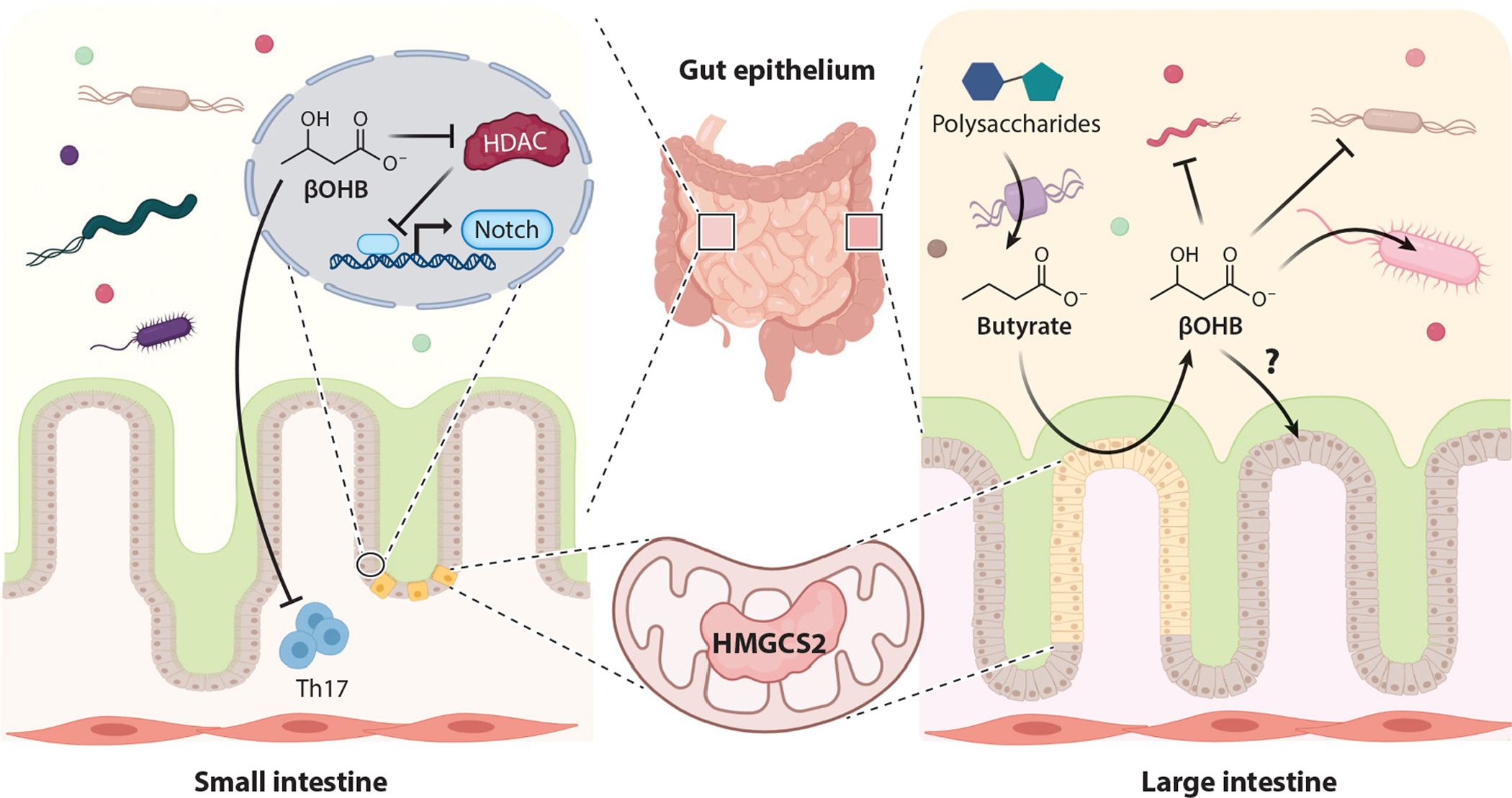
Overview of ketone body metabolism in small and large intestine. HMGCS2 distribution and the roles of βOHB in the small and large intestine vary. In small intestine, βOHB triggers Notch signaling and Th17 immunomodulatory changes. In large intestine, anaerobic bacterial fermentation yields butyrate, a source of βOHB that influences the gut community. Abbreviations: βOHB, β-hydroxybutyrate; HDAC, histone deacetylase; HMGCS2, 3-hydroxymethylglutaryl-CoA synthase. Figure adapted from images created with BioRender.com.
Figure 6
Figure 6
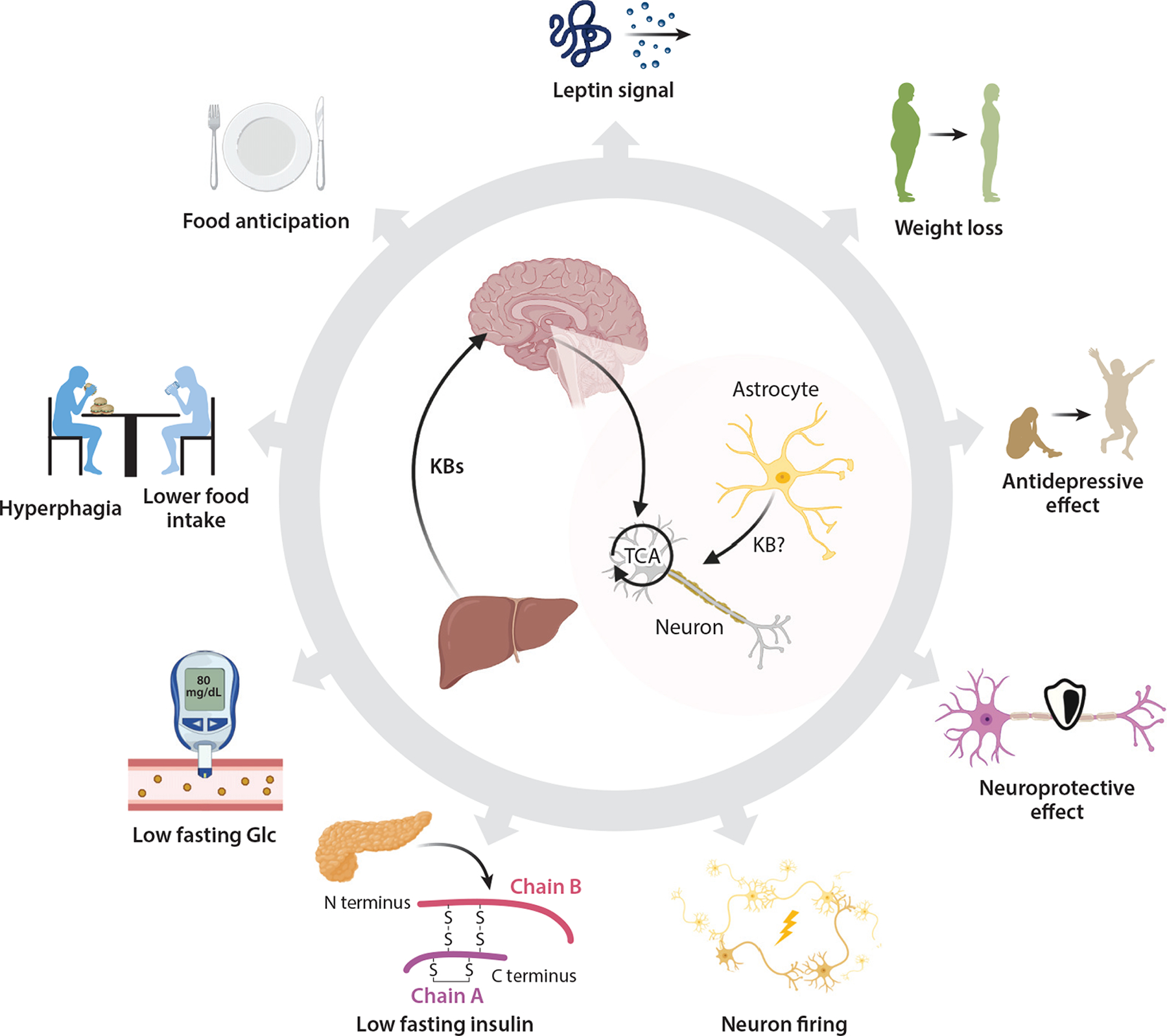
Integrative role of ketone bodies in the nervous system. Mechanisms supporting the pleiotropic effects of ketone bodies or a ketogenic diet in the nervous system still require elucidation. However, effects on feeding behavior, energy expenditure, mood and behavior, and neuroprotection have all been observed. Abbreviations: Glc, glucose; KB, ketone body; TCA, tricarboxylic acid. Figure adapted from images created with BioRender.com.

References

    1. Adijanto J, Du J, Moffat C, Seifert EL, Hurley JB, Philp NJ. 2014. The retinal pigment epithelium utilizes fatty acids for ketogenesis: implications for metabolic coupling with the outer retina. J. Biol. Chem 289:20570–82 - PMC - PubMed
    1. Al Batran R, Gopal K, Capozzi ME, Chahade JJ, Saleme B, et al. 2020. Pimozide alleviates hyperglycemia in diet-induced obesity by inhibiting skeletal muscle ketone oxidation. Cell Metab. 31:909–19. e8 - PubMed
    1. Ang QY, Alexander M, Newman JC, Tian Y, Cai J, et al. 2020. Ketogenic diets alter the gut microbiome resulting in decreased intestinal Th17 cells. Cell 181:1263–75. e16 - PMC - PubMed
    1. Aubert G, Martin OJ, Horton JL, Lai L, Vega RB, et al. 2016. The failing heart relies on ketone bodies as a fuel. Circulation 133:698–705 - PMC - PubMed
    1. Badman MK, Pissios P, Kennedy AR, Koukos G, Flier JS, Maratos-Flier E. 2007. Hepatic fibroblast growth factor 21 is regulated by PPARα and is a key mediator of hepatic lipid metabolism in ketotic states. Cell Metab. 5:426–37 - PubMed

Publication types

LinkOut - more resources