


Circadian effects of ionizing radiation on reproductive function and clock genes expression in male mouse
- PMID: 34635049
- PMCID: PMC8507176
- DOI: 10.1186/s12199-021-01021-4
Circadian effects of ionizing radiation on reproductive function and clock genes expression in male mouse
Abstract
Background: Exposure to the ionizing radiation (IR) encountered outside the magnetic field of the Earth poses a persistent threat to the reproductive functions of astronauts. The potential effects of space IR on the circadian rhythms of male reproductive functions have not been well characterized so far.
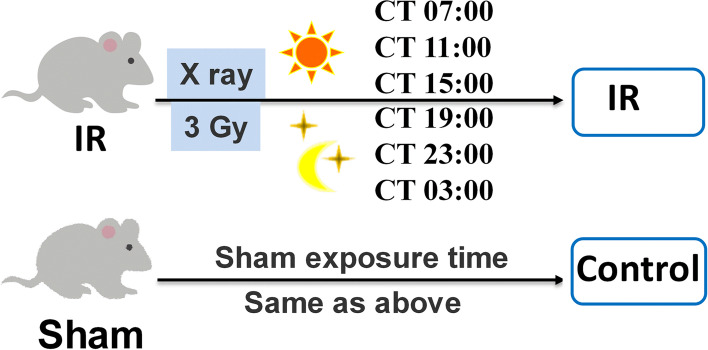
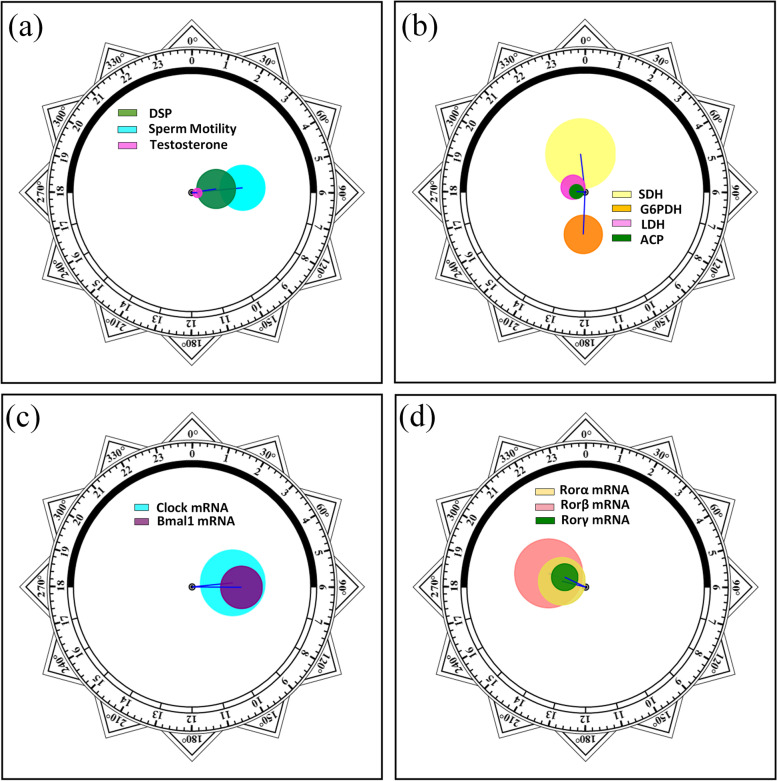
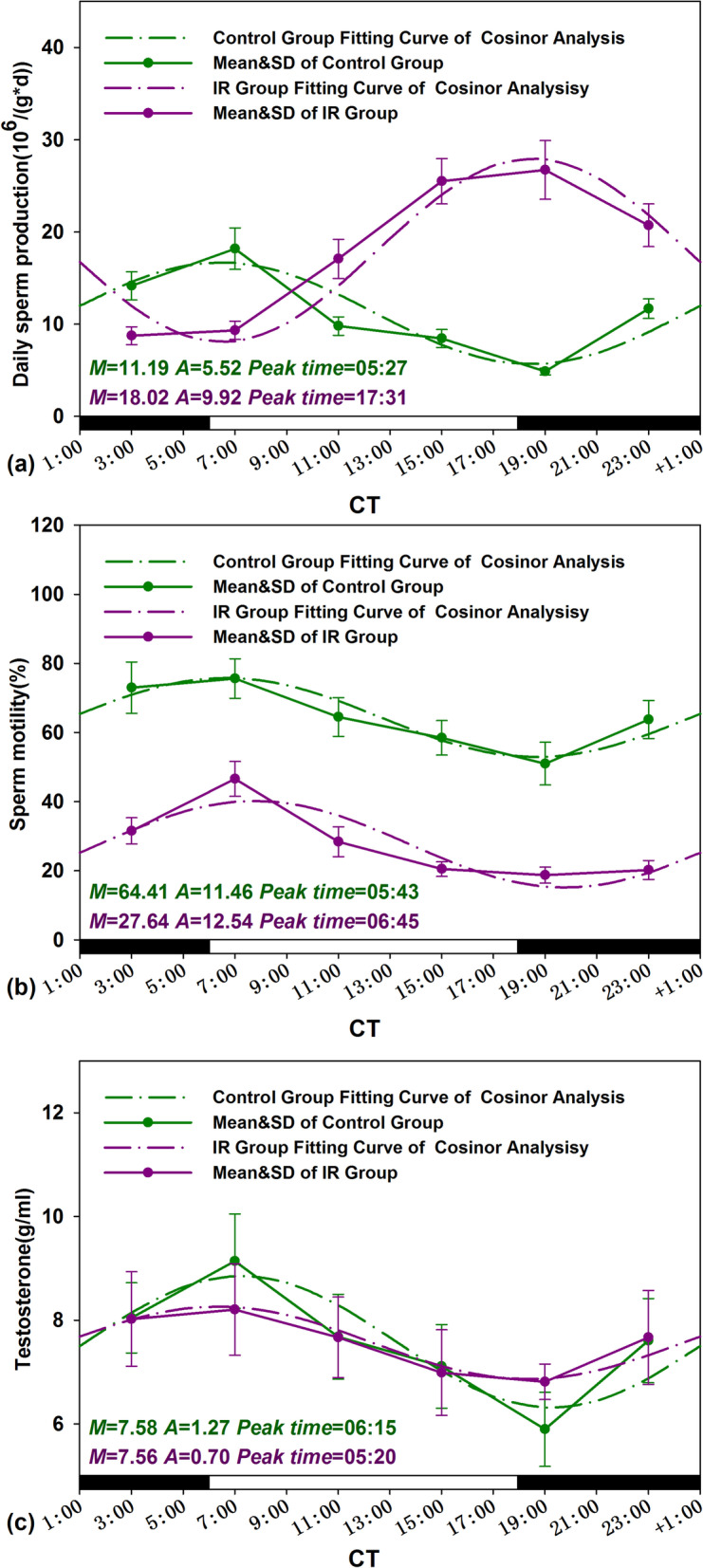
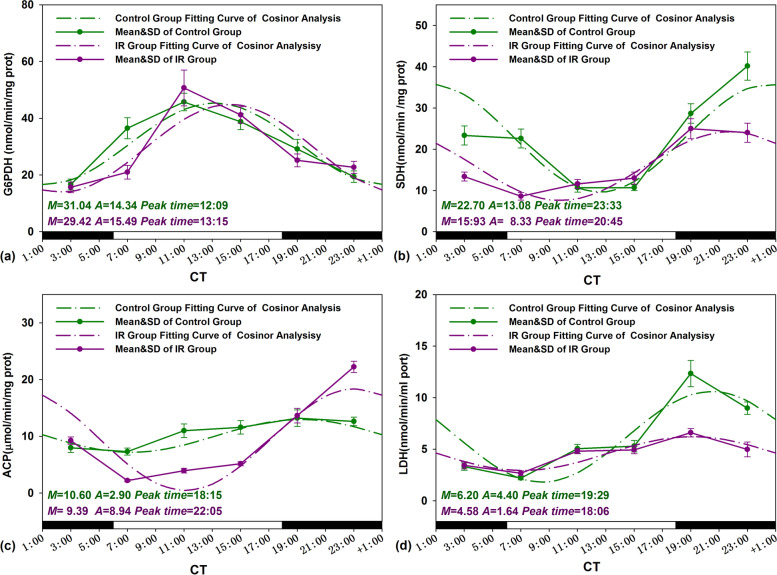
Methods: Here, we investigated the circadian effects of IR exposure (3 Gy X-rays) on reproductive functional markers in mouse testicular tissue and epididymis at regular intervals over a 24-h day. For each animal, epididymis was tested for sperm motility, and the testis tissue was used for daily sperm production (DSP), testosterone levels, and activities of testicular enzymes (glucose-6-phosphate dehydrogenase (G6PDH), sorbitol dehydrogenase (SDH), lactic dehydrogenase (LDH), and acid phosphatase (ACP)), and the clock genes mRNA expression such as Clock, Bmal1, Ror-α, Ror-β, or Ror-γ.
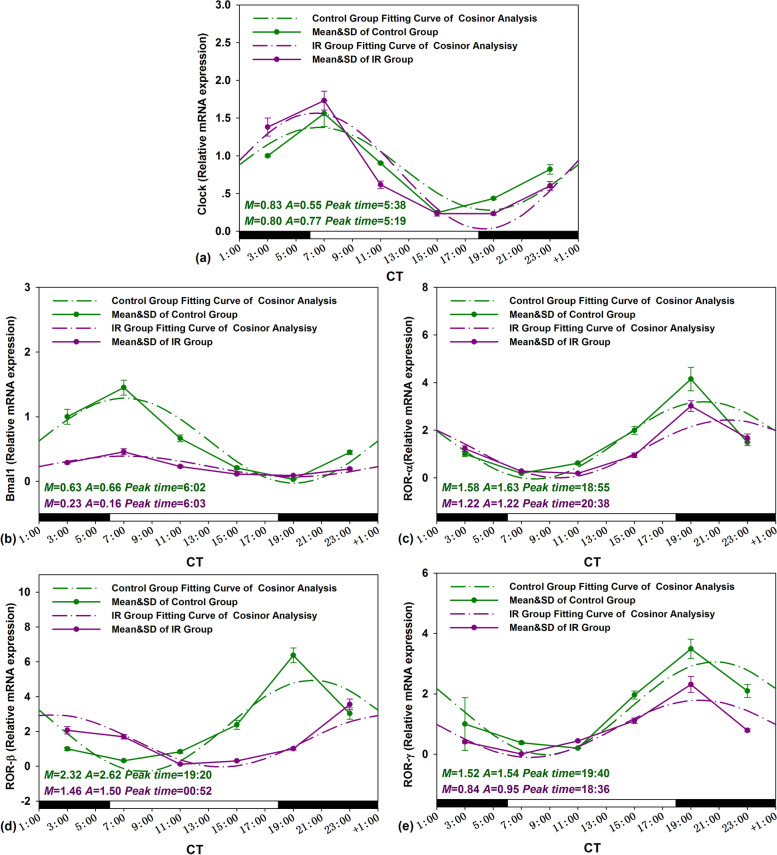
Results: Mice exposed to IR exhibited a disruption in circadian rhythms of reproductive markers, as indicated by decreased sperm motility, increased daily sperm production (DSP), and reduced activities of testis enzymes such as G6PDH, SDH, LDH, and ACP. Moreover, IR exposure also decreased mRNA expression of five clock genes (Clock, Bmal1, Ror-α, Ror-β, or Ror-γ) in testis, with alteration in the rhythm parameters.
Conclusion: These findings suggested potential health effects of IR exposure on reproductive functions of male astronauts, in terms of both the daily overall level as well as the circadian rhythmicity.
Keywords: Circadian rhythm; Clock genes; Ionizing radiation; Reproductive marker.
© 2021. The Author(s).
Conflict of interest statement
The authors declare that they have no competing interests.
Figures
References
-
- Squire T, Buchanan G, Elsaleh H. Mission to Mars: radiation safety or radiation disaster? Space transit and Mars radiation exposure risks-the shielding effect of a graphene space suit and a storm shelter during space travel. Int J Radiat Oncol. 2019;103:E44. doi: 10.1016/S0360-3016(19)30509-7. - DOI
MeSH terms
Substances
Grants and funding
LinkOut - more resources
Full Text Sources
Miscellaneous