


Mechanisms and Advances in Anti-Ovarian Cancer with Natural Plants Component
- PMID: 34641493
- PMCID: PMC8512305
- DOI: 10.3390/molecules26195949
Mechanisms and Advances in Anti-Ovarian Cancer with Natural Plants Component
Abstract
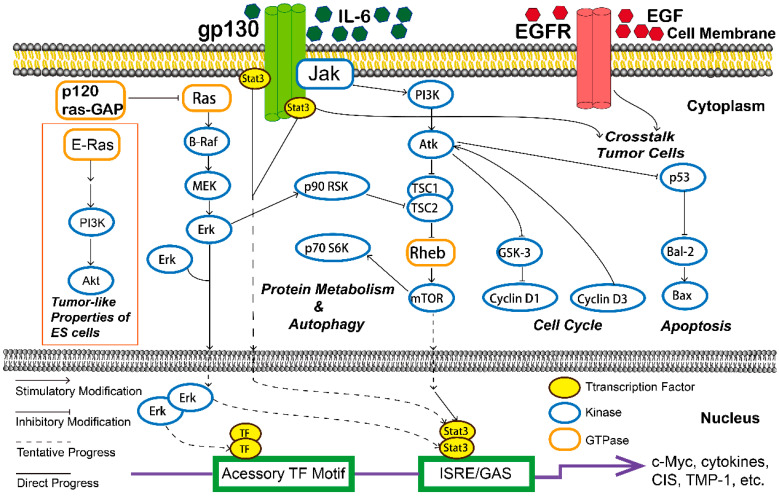
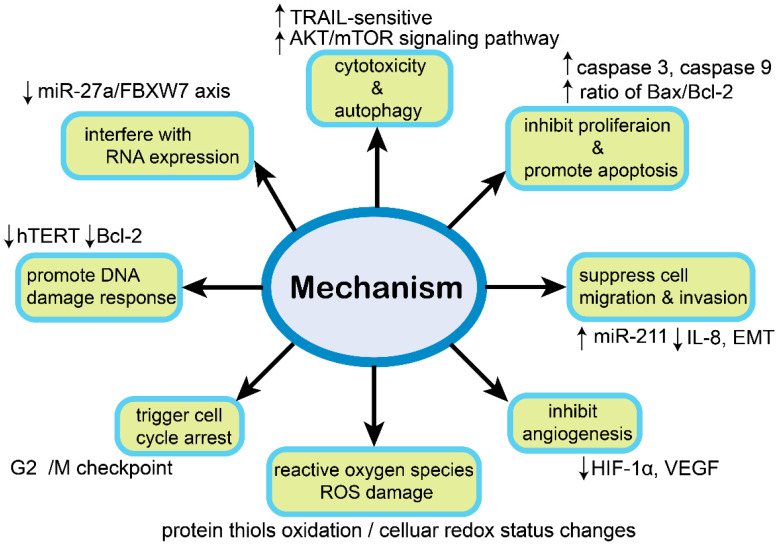
Ovarian cancer ranks seventh in the most common malignant tumors among female disease, which seriously threatens female reproductive health. It is characterized by hidden pathogenesis, missed diagnosis, high reoccurrence rate, and poor prognosis. In clinic, the first-line treatment prioritized debulking surgery with paclitaxel-based chemotherapy. The harsh truth is that female patients are prone to relapse due to the dissemination of tumor cells and drug resistance. In these circumstances, the development of new therapy strategies combined with traditional approaches is conductive to improving the quality of treatment. Among numerous drug resources, botanical compounds have unique advantages due to their potentials in multitarget functions, long application history, and wide availability. Previous studies have revealed the therapeutic effects of bioactive plant components in ovarian cancer. These natural ingredients act as part of the initial treatment or an auxiliary option for maintenance therapy, further reducing the tumor and metastatic burden. In this review, we summarized the functions and mechanisms of natural botanical components applied in human ovarian cancer. We focused on the molecular mechanisms of cell apoptosis, autophagy, RNA and DNA lesion, ROS damage, and the multiple-drug resistance. We aim to provide a theoretical reference for in-depth drug research so as to manage ovarian cancer better in clinic.
Keywords: bioactive compounds; molecular mechanisms; natural plant products; ovarian cancer; traditional Chinese medicine.
Conflict of interest statement
The authors declare no conflict of interest.
Figures
References
Publication types
MeSH terms
Substances
Grants and funding
- 81960624/National Natural Science Foundation of China
- 2021LQGR01/Science and Technology Program of Gansu Province
- 18JR3RA262/Science and Technology Program of Gansu Province
- 2020-RC-90/Science and Technology Project of Lanzhou Science and Technology Bureau
- lzujbky-2021-kb36/Fundamental Research Funds for the Central Universities
LinkOut - more resources
Full Text Sources
Medical
