


Impact of ultraviolet germicidal irradiation on new silicone half-piece elastometric respirator (VJR-NMU) performance, structural integrity and sterility during the COVID-19 pandemic
- PMID: 34648544
- PMCID: PMC8516203
- DOI: 10.1371/journal.pone.0258245
Impact of ultraviolet germicidal irradiation on new silicone half-piece elastometric respirator (VJR-NMU) performance, structural integrity and sterility during the COVID-19 pandemic
Abstract
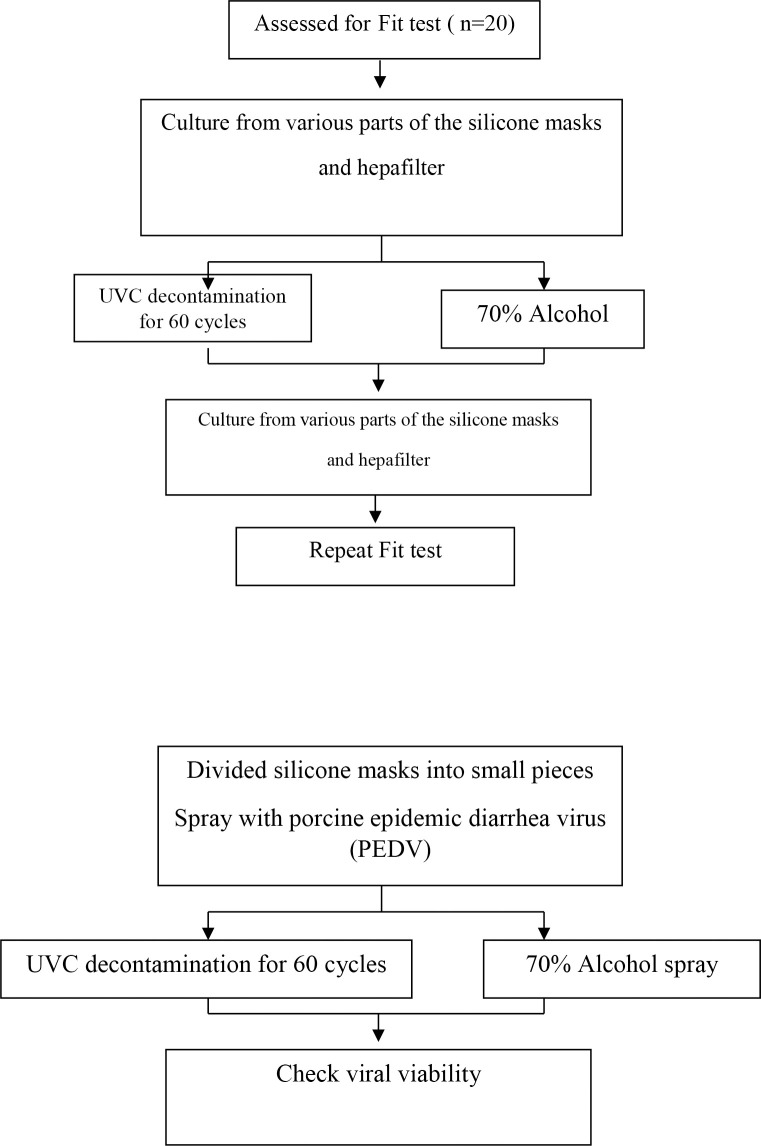
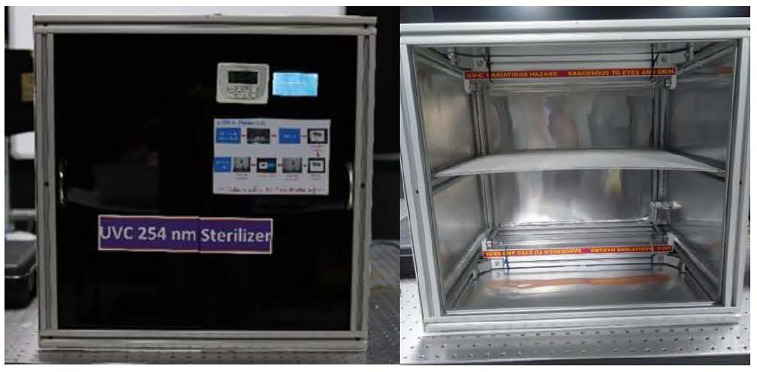
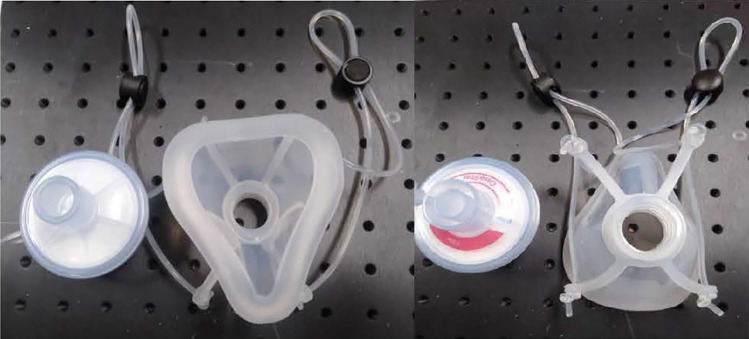
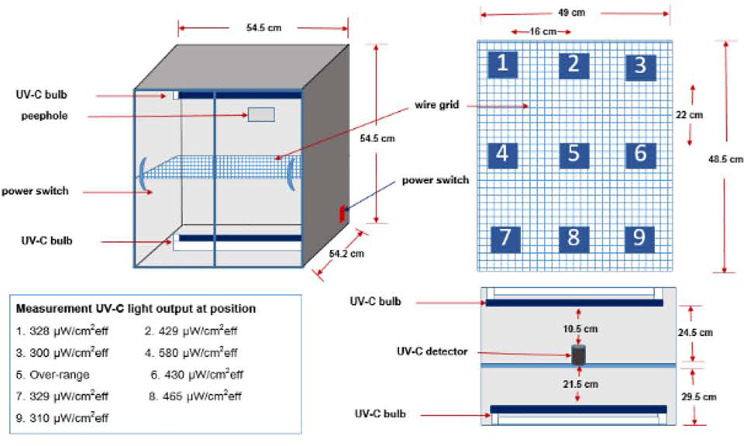
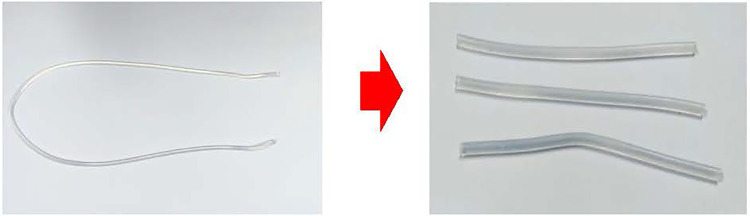
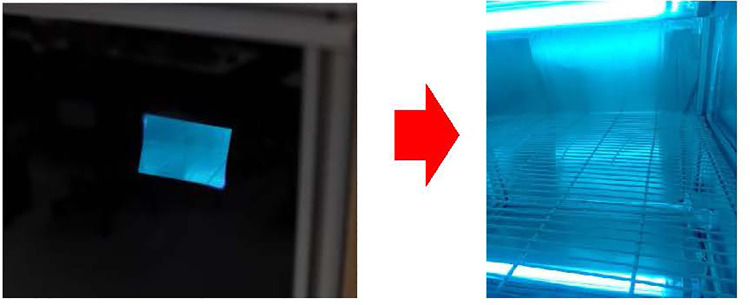
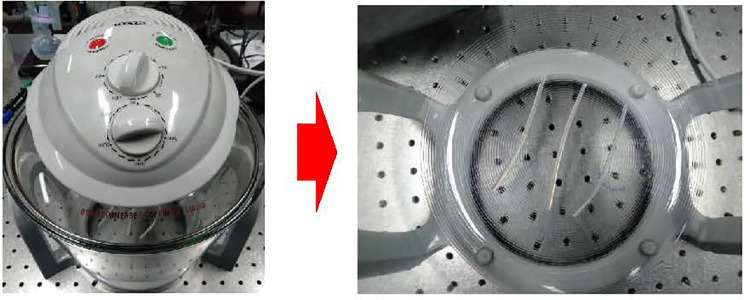
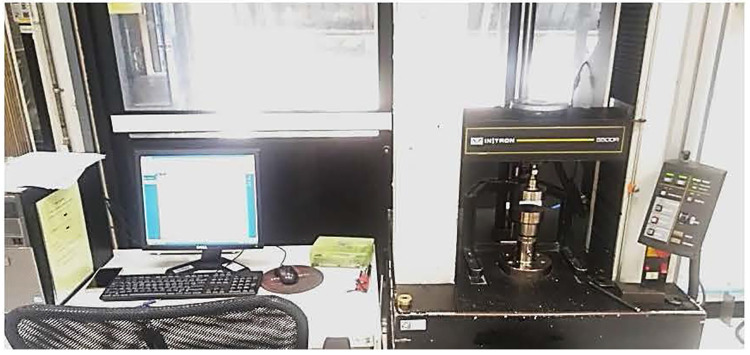
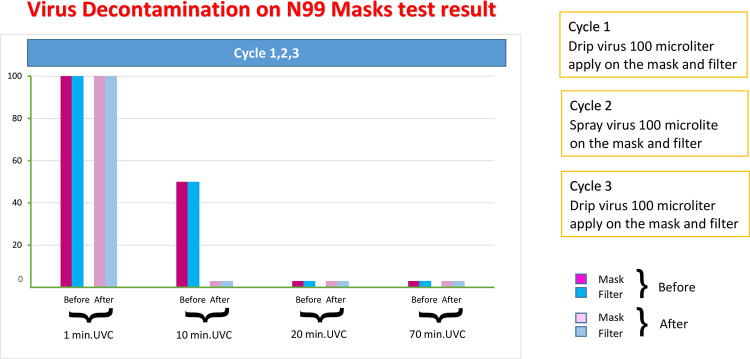
Since the innovation of our new half-piece elastometric respirator, this type of filtering facepiece respirator (FFR) has been used widely in Thailand. Decontamination methods including ultraviolet C (UVC) germicidal irradiation and 70% alcohol have been implemented to decontaminate these respirators. We then examined the inactivation potential of different decontamination processes on porcine epidemic diarrhea virus (PEDV) and numerous bacterial strains, most of which were skin-derived. To enable rigorous integrity of the masks after repeated decontamination processes, fit tests by the Bitrex test, tensile strength and elongation at break were also evaluated. Our results showed that UVC irradiation at a dose of 3 J/cm2 can eradicate bacteria after 60 min and viruses after 10 min. No fungi were found on the mask surface before decontamination. The good fit test results, tensile strength and elongation at break were still maintained after multiple cycles of decontamination. No evidence of physical degradation was found by gross visual inspection. Alcohol (70%) is also an easy and effective way to eradicate microorganisms on respirators. As the current pandemic is expected to continue for months to years, the need to supply adequate reserves of personnel protective equipment (PPE) and develop effective PPE reprocessing methods is crucial. Our studies demonstrated that the novel silicone mask can be safely reprocessed and decontaminated for many cycles by UVC irradiation, which will help ameliorate the shortage of important protective devices in the COVID-19 pandemic era.
Conflict of interest statement
The authors have declared that no competing interests exist.
Figures
References
-
- Oral E, Wannomae KK, Connolly R, Gardecki J, Leung HM, Muratoglu O, et al. Vapor H2O2 sterilization as a decontamination method for the reuse of N95 respirators in the COVID-19 emergency. MedRxiv. 2020. doi: 10.1101/2020.04.11.20062026 - DOI
-
- Bergman MS, Viscusi DJ, Heimbuch BK, Wander JD, Sambol AR, Shaffer RE. Evaluation of multiple (3-Cycle) decontamination processing for filtering facepiece respirators. J Eng Fiber Fabr. 2010;5: 33–41.
-
- Centers for Disease Control and Prevention. Decontamination and Reuse of Filtering Facepiece Respirators. 2020. Available from: https://www.cdc.gov/coronavirus/2019-ncov/hcp/ppe-strategy/decontaminati...
Publication types
MeSH terms
Substances
LinkOut - more resources
Full Text Sources
Medical
Research Materials
