


New Data on the Epidemiology of Breast Implant-Associated Anaplastic Large Cell Lymphoma
- PMID: 34651107
- PMCID: PMC8496114
- DOI: 10.4274/ejbh.galenos.2021.2021-5-6
New Data on the Epidemiology of Breast Implant-Associated Anaplastic Large Cell Lymphoma
Erratum in
-
Correction.Eur J Breast Health. 2021 Dec 30;18(1):107. doi: 10.4274/ejbh.galenos.2021.2021-5-6.e001. eCollection 2022 Jan. Eur J Breast Health. 2021. PMID: 35059601 Free PMC article.
Abstract
Objective: This study aimed to illustrate the epidemiological situation of breast implant-associated anaplastic large cell lymphoma (BIA-ALCL) by focusing on the changes published after 2019 and particularly the new approaches of cosmetic and reconstructive breast surgery.
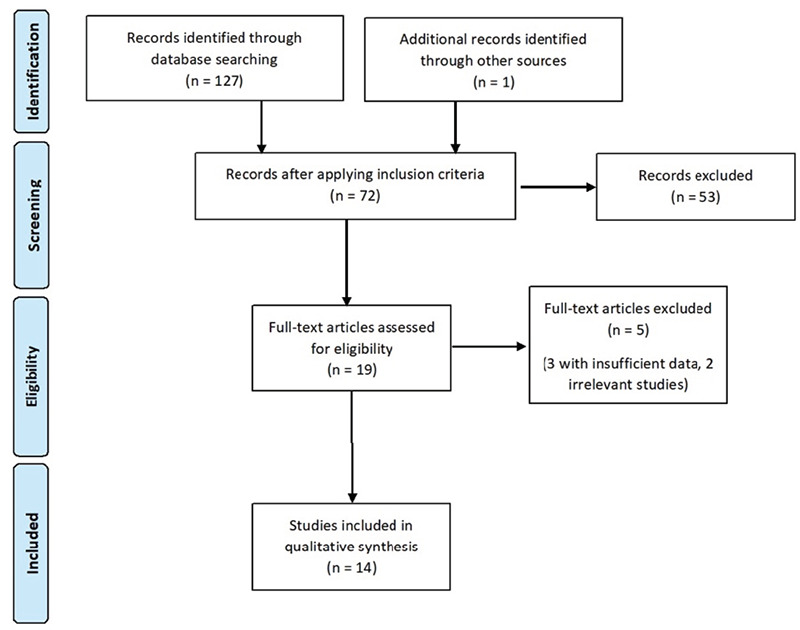
Materials and methods: Article search was performed from January 2019 to date using the PubMed database. Fourteen articles were included in the qualitative evaluation of international data. Moreover, the latest reports regarding the total number of BIA-ALCL cases and number of deaths were identified.
Results: Estimates of the risk and incidence have increased significantly recently, affecting 1 in every 2,969 women with breast implants and 1 in 355 patients with textured implants after breast reconstruction. The average exposure time to diagnosis was 8 (range: 0-34) years. Approximately 80% of BIA-ALCL cases were diagnosed at IA-IIA stages, for which the treatment was breast implant removal, full capsulectomy, and excision of all suspected lymph nodes. Globally, at least 949 cases were reported to date.
Conclusion: At present, BIA-ALCL is an emerging pathology of interest. Data collection initiated since 2016 through different case registration databases is essential to ensure surveillance and to continue to increase the number of studies on this recently discovered pathology.
Keywords: Breast cancer; anaplastic large cell lymphoma; breast cancer surgery.
©Copyright 2021 by Turkish Federation of Breast Diseases Associations.
Conflict of interest statement
Conflict of Interest: No conflict of interest was declared by the authors.
References
-
- Blombery P, Thompson ER, Prince HM. Molecular drivers of breast implant-associated anaplastic large cell lymphoma. Plast Reconstr Surg. 2019;143:59S–64S. - PubMed
-
- Leberfinger AN, Behar BJ, Williams NC, Rakszawski KL, Potochny JD, Mackay DR, et al. Breast implant-associated anaplastic large cell lymphoma: a systematic review. JAMA Surg. 2017;152:1161–1168. - PubMed
-
- Keech JA Jr, Creech BJ. Anaplastic T-cell lymphoma in proximity to a saline-filled breast implant. Plast Reconstr Surg. 1997;100:554–555. - PubMed
-
- WHO classification of tumours of haematopoietic and lymphoid tissues. Available at: [Internet] http://archive.org/details/whoclassificatio00swer . - PubMed
Publication types
LinkOut - more resources
Full Text Sources
