Enhanced Vulnerability of LKB1-Deficient NSCLC to Disruption of ATP Pools and Redox Homeostasis by 8-Cl-Ado
- PMID: 34654720
- PMCID: PMC8816854
- DOI: 10.1158/1541-7786.MCR-21-0448
Enhanced Vulnerability of LKB1-Deficient NSCLC to Disruption of ATP Pools and Redox Homeostasis by 8-Cl-Ado
Abstract
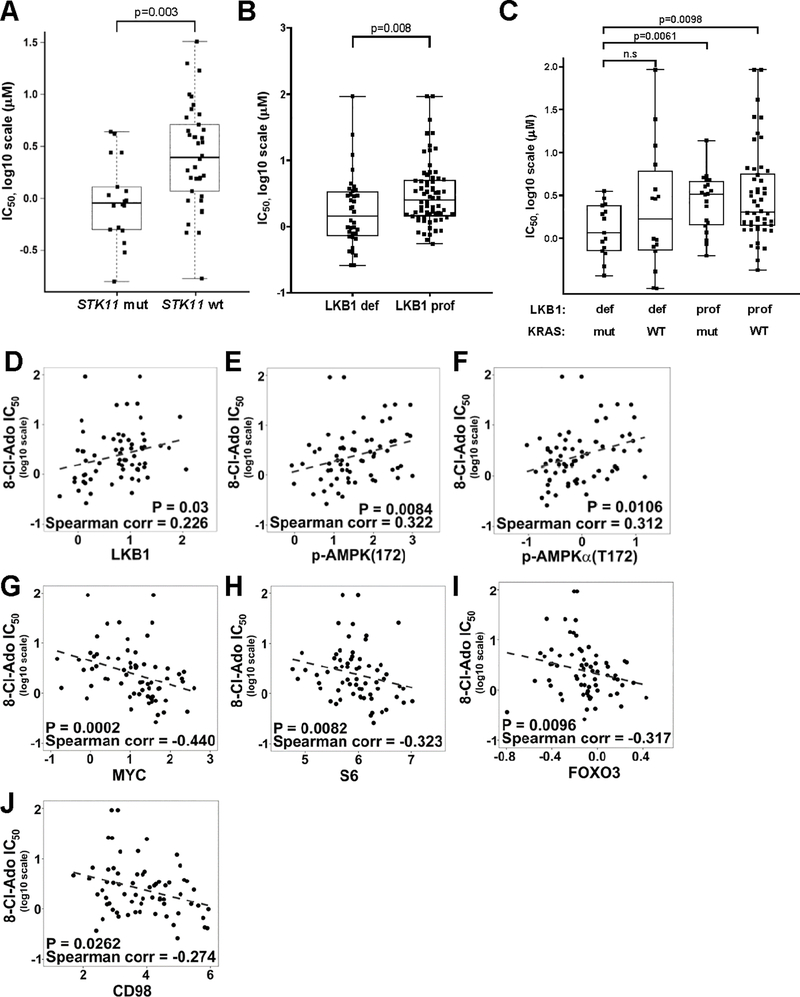
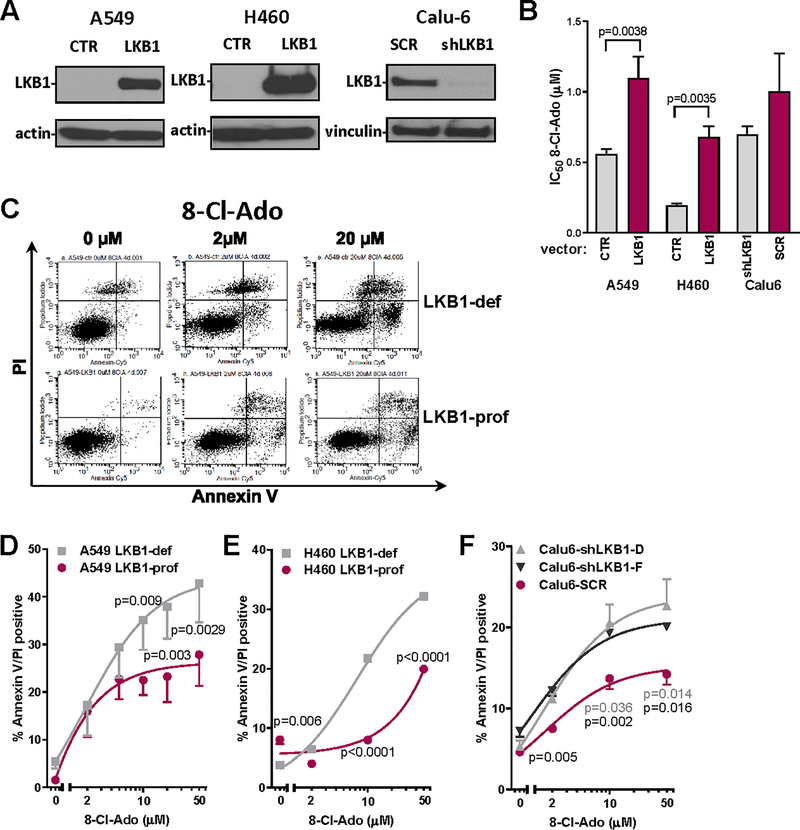
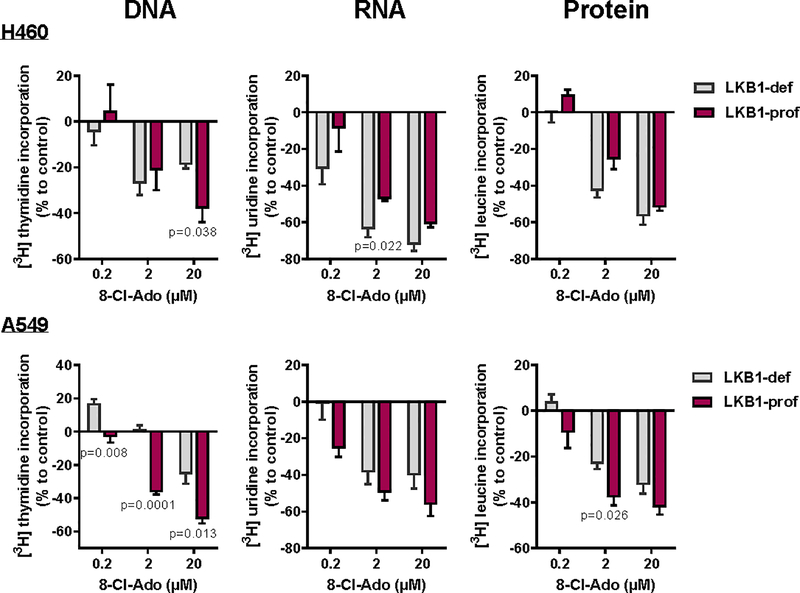
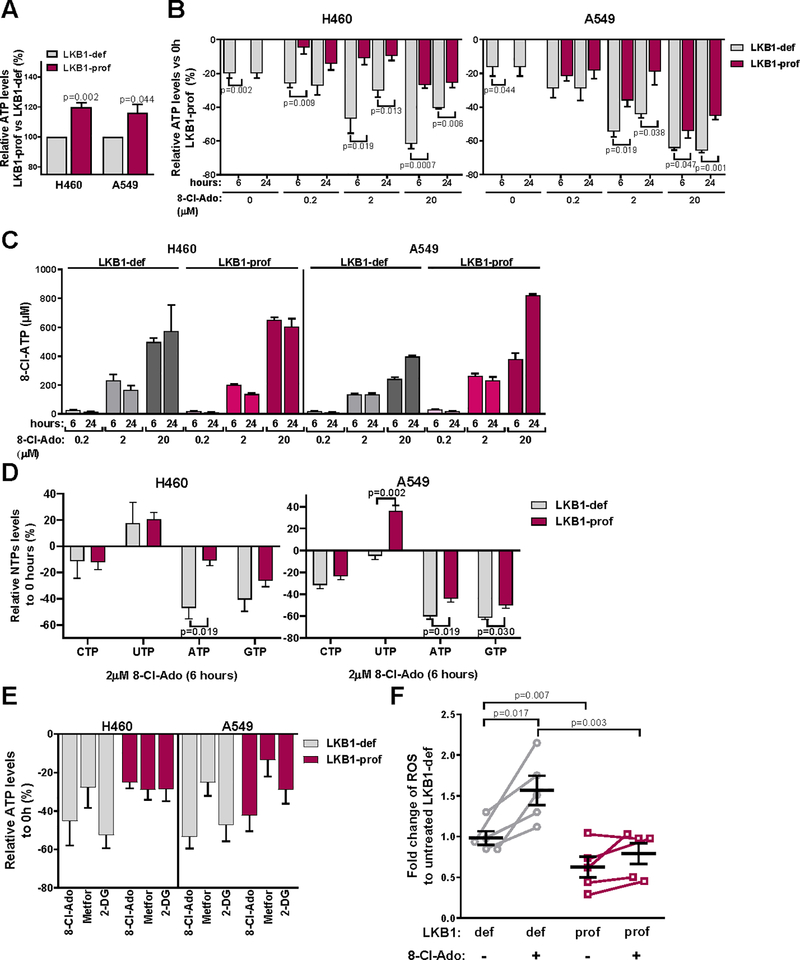
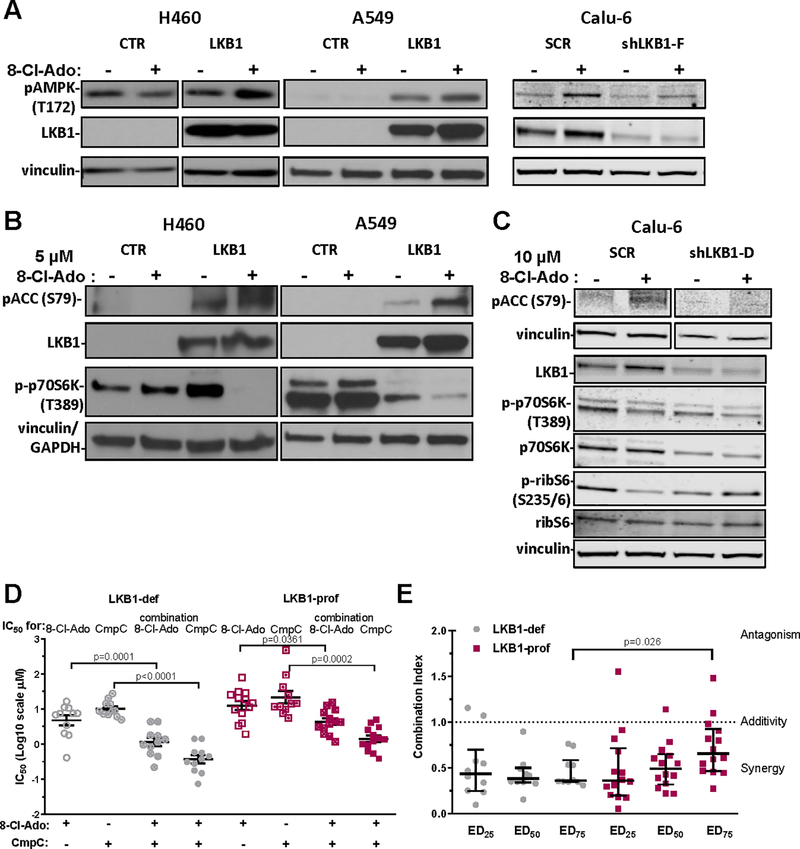
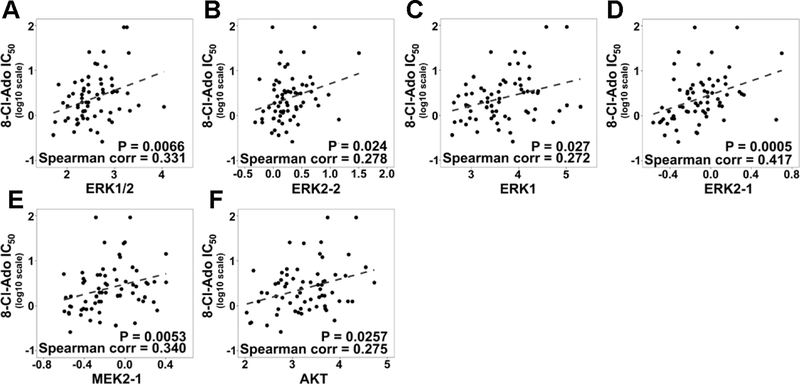
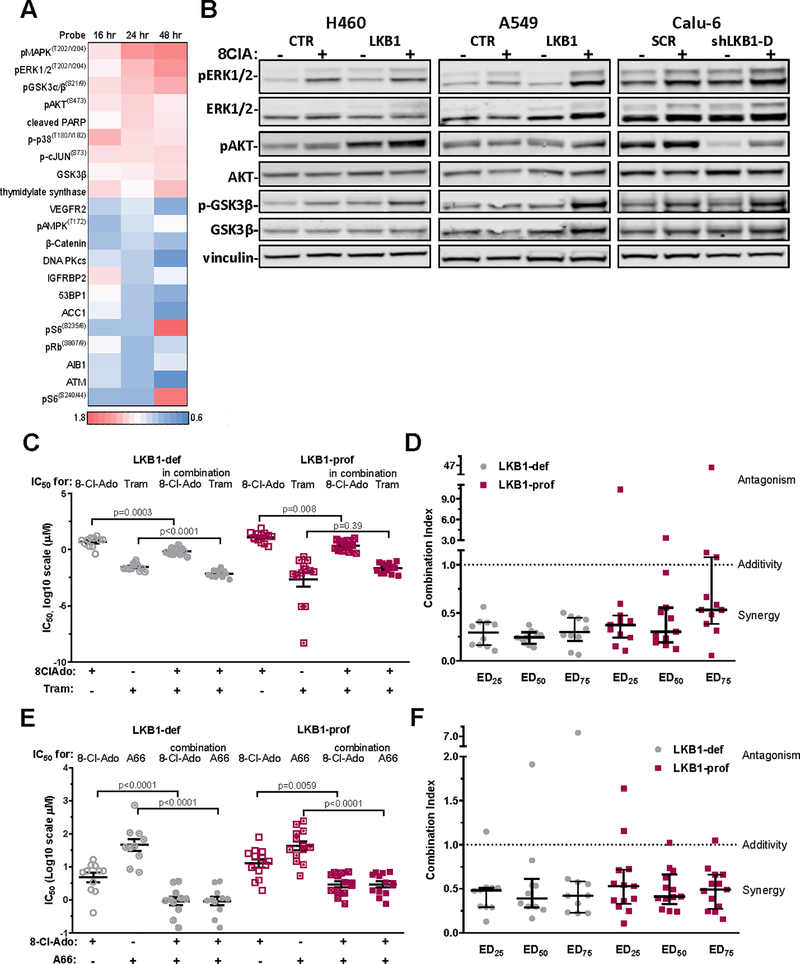
Loss-of-function somatic mutations of STK11, a tumor suppressor gene encoding LKB1 that contributes to the altered metabolic phenotype of cancer cells, is the second most common event in lung adenocarcinomas and often co-occurs with activating KRAS mutations. Tumor cells lacking LKB1 display an aggressive phenotype, with uncontrolled cell growth and higher energetic and redox stress due to its failure to balance ATP and NADPH levels in response to cellular stimulus. The identification of effective therapeutic regimens for patients with LKB1-deficient non-small cell lung cancer (NSCLC) remains a major clinical need. Here, we report that LKB1-deficient NSCLC tumor cells displayed reduced basal levels of ATP and to a lesser extent other nucleotides, and markedly enhanced sensitivity to 8-Cl-adenosine (8-Cl-Ado), an energy-depleting nucleoside analog. Treatment with 8-Cl-Ado depleted intracellular ATP levels, raised redox stress, and induced cell death leading to a compensatory suppression of mTOR signaling in LKB1-intact, but not LKB1-deficient, cells. Proteomic analysis revealed that the MAPK/MEK/ERK and PI3K/AKT pathways were activated in response to 8-Cl-Ado treatment and targeting these pathways enhanced the antitumor efficacy of 8-Cl-Ado. IMPLICATIONS: Together, our findings demonstrate that LKB1-deficient tumor cells are selectively sensitive to 8-Cl-Ado and suggest that therapeutic approaches targeting vulnerable energy stores combined with signaling pathway inhibitors merit further investigation for this patient population.
©2021 American Association for Cancer Research.
Figures
References
-
- Torre LA, Siegel RL, Jemal A. Lung Cancer Statistics. In: Ahmad A, Gadgeel S, editors. Lung Cancer and Personalized Medicine: Current Knowledge and Therapies. Cham: Springer International Publishing; 2016. p 1–19.
-
- Nanjundan M, Byers LA, Carey MS, Siwak DR, Raso MG, Diao L, et al. Proteomic profiling identifies pathways dysregulated in non-small cell lung cancer and an inverse association of AMPK and adhesion pathways with recurrence. J Thorac Oncol 2010;5(12):1894–904 doi 10.1097/JTO.0b013e3181f2a266. - DOI - PMC - PubMed
Publication types
MeSH terms
Substances
Grants and funding
LinkOut - more resources
Full Text Sources
Medical
Miscellaneous