


doi: 10.1002/cjoc.202000448.
Epub 2020 Sep 24.
Current Understanding toward Isonitrile Group Biosynthesis and Mechanism
Affiliations
- PMID: 34658601
- PMCID: PMC8519408
- DOI: 10.1002/cjoc.202000448
Item in Clipboard
Current Understanding toward Isonitrile Group Biosynthesis and Mechanism
Chin J Chem.
2021 Feb.
Abstract
Isonitrile group has been identified in many natural products. Due to the broad reactivity of N≡C triple bond, these natural products have valuable pharmaceutical potentials. This review summarizes the current biosynthetic pathways and the corresponding enzymes that are responsible for isonitrile-containing natural product generation. Based on the strategies utilized, two fundamentally distinctive approaches are discussed. In addition, recent progress in elucidating isonitrile group formation mechanisms is also presented.
Keywords: Biosynthesis; Biotransformations; Enzymes; Natural products; Reaction mechanisms.
Figures
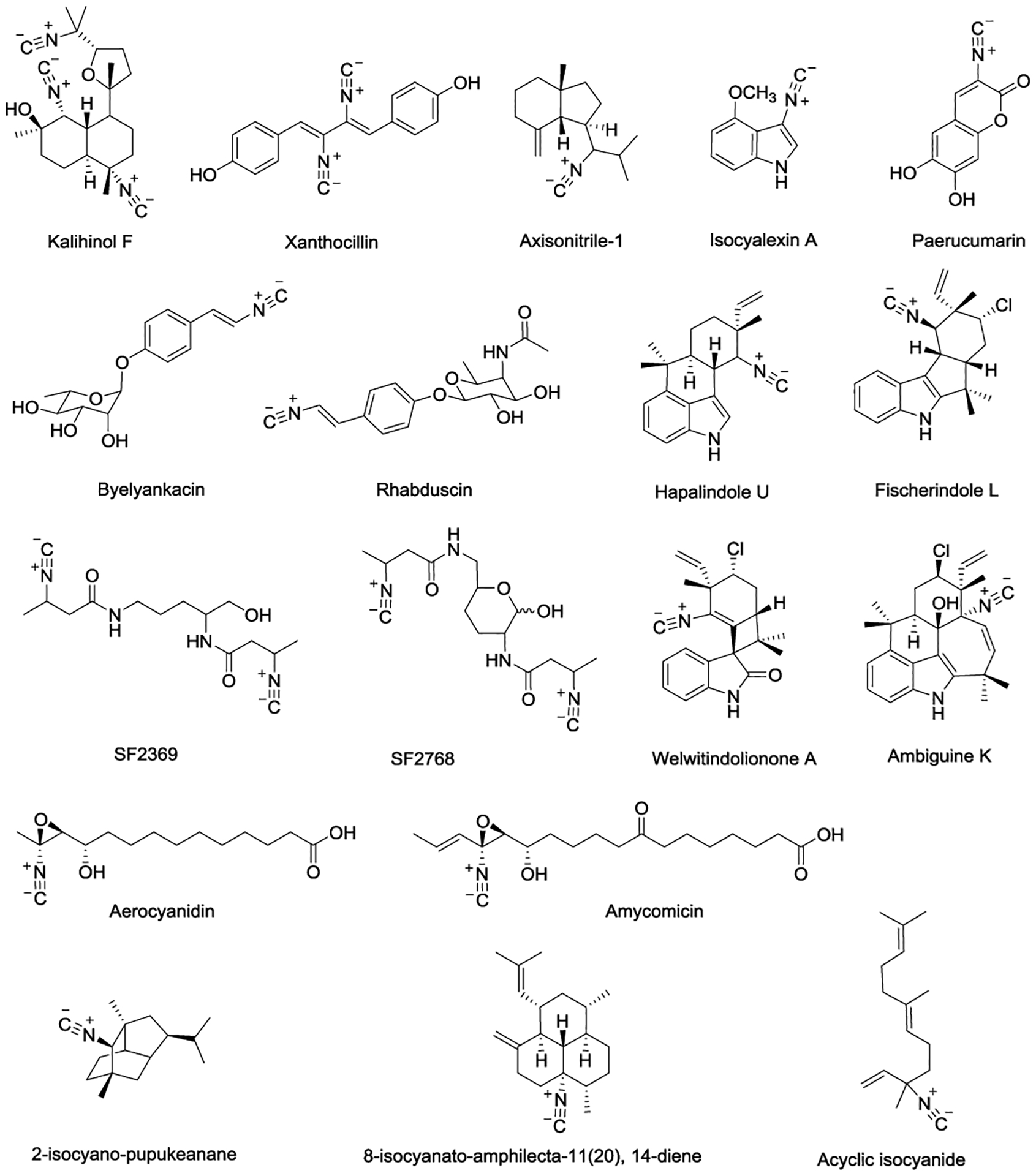
Examples of isonitrile-containing natural products.[,–30]
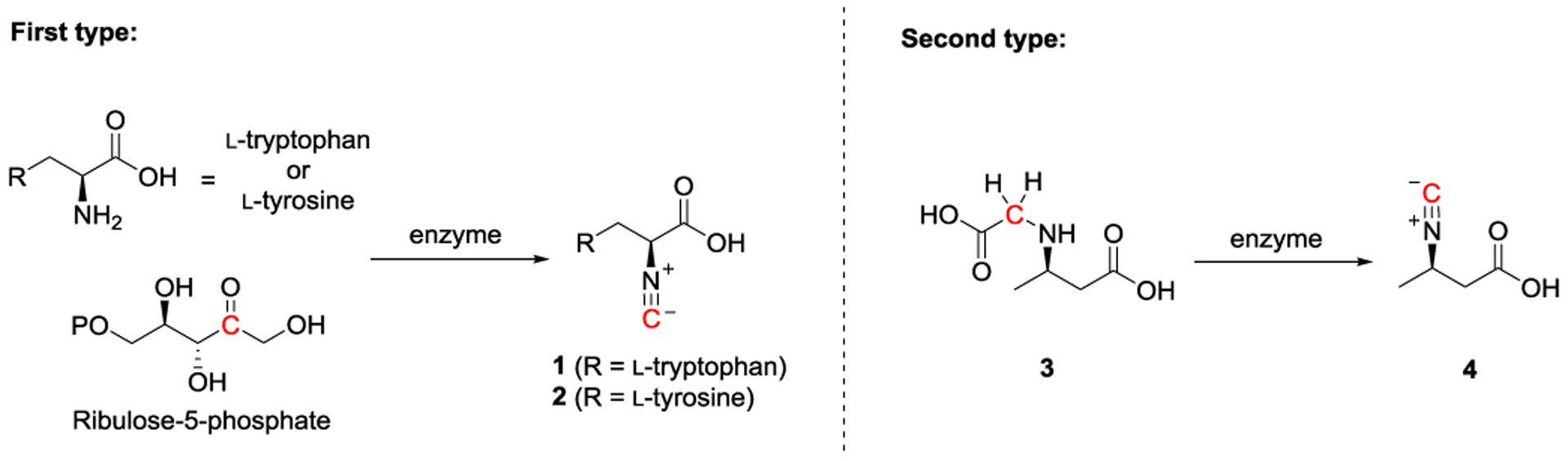
Two different strategies are utilized to install the isonitrile group. The first type involves a condensation reaction between l -tryptophan/tyrosine and ribulose-5-phosphate, while the second type undergoes a four-electron oxidation process by converting the glycine moiety into the corresponding isonitrile group.
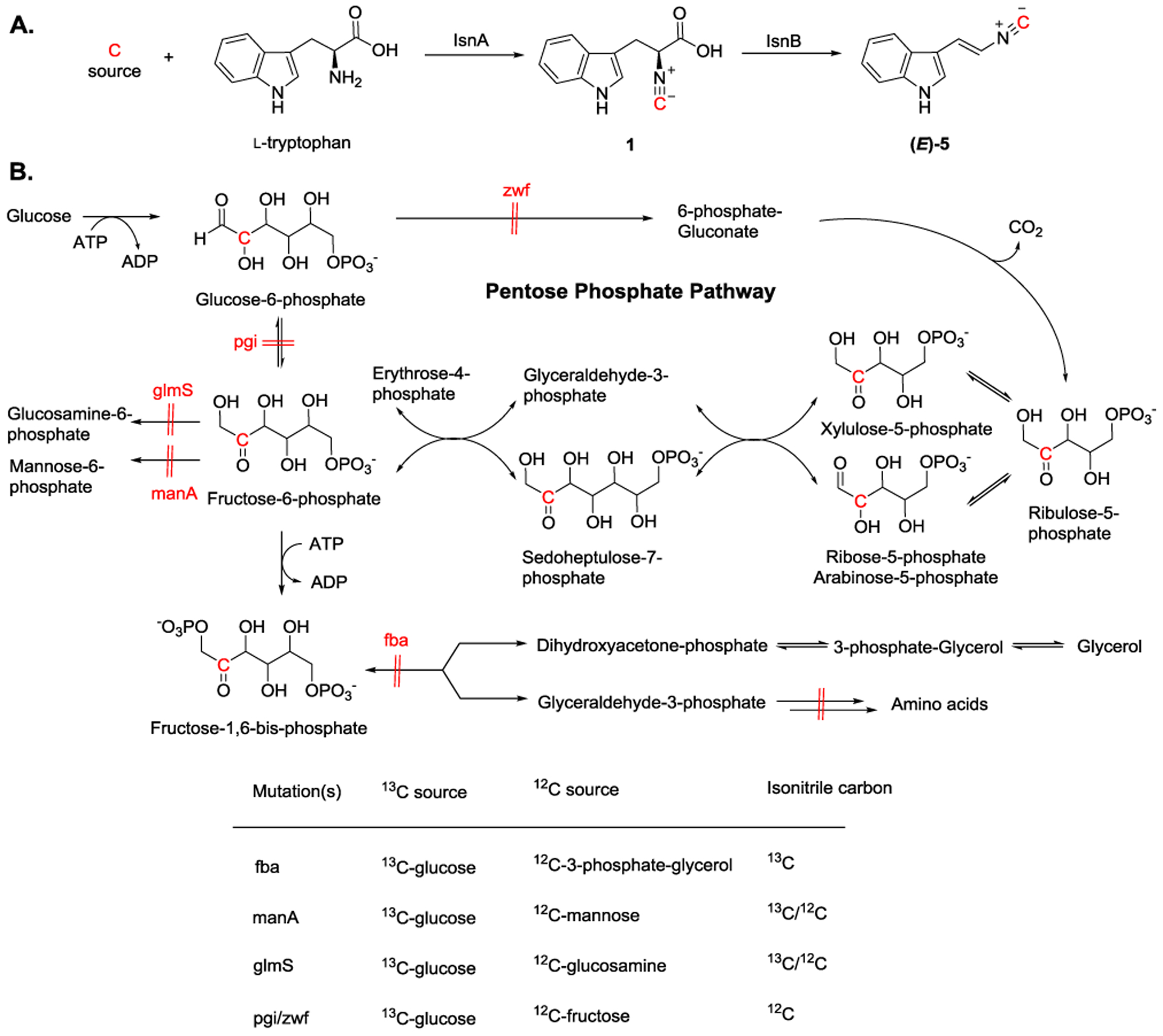
A) Proposed biosynthetic pathways for (E)-5 formation through IsnA and IsnB catalyzed reactions. B) Using inverse-labeling feeding approach, the isonitrile carbon is originated from the carbonyl carbon (C2) of ribulose-5-phosphate.
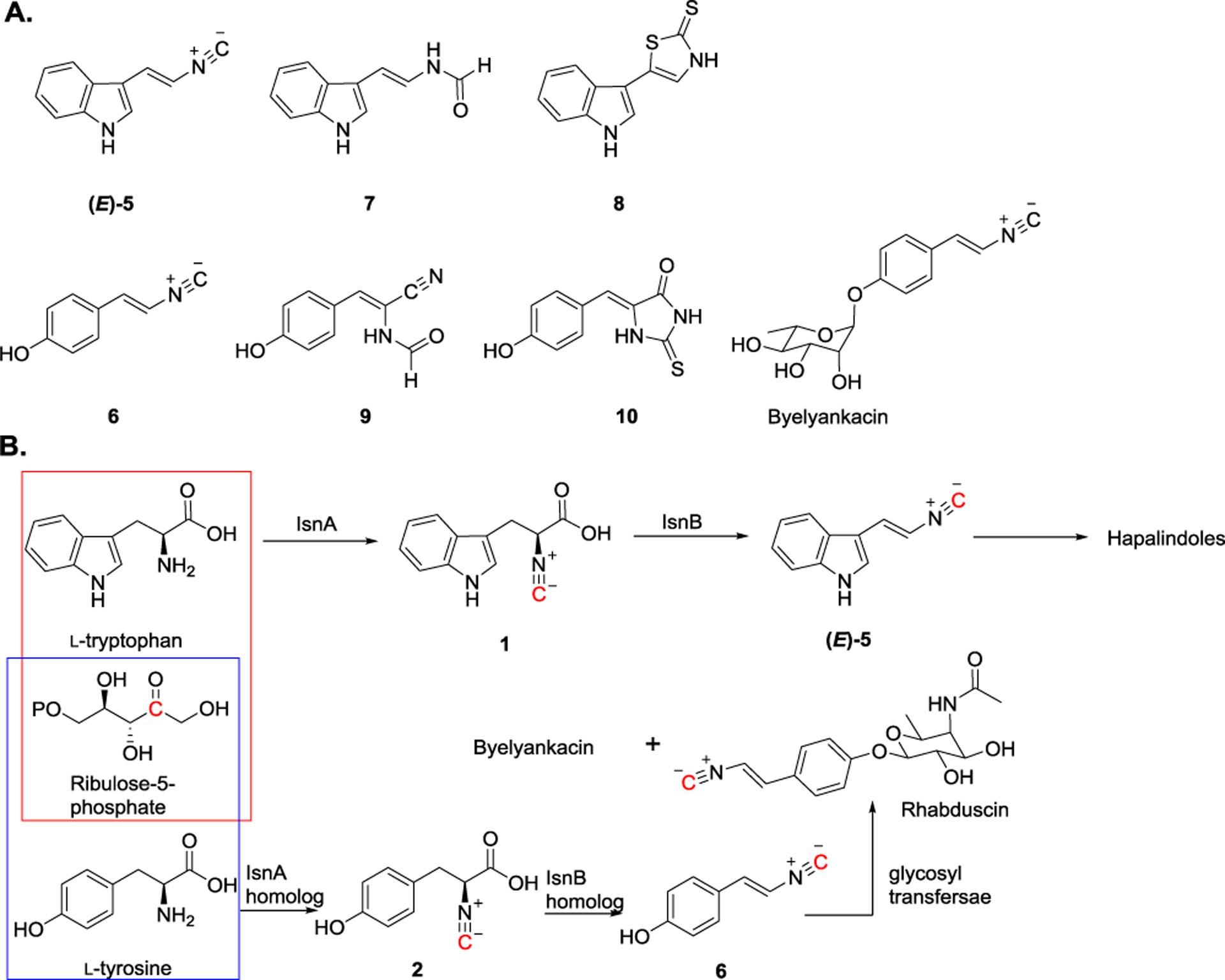
A) Through the eDNA approach, novel isonitrile-containing natural products were isolated. B) Proposed biosynthetic pathways for (E)-5 and 6 formation: IsnA and its homolog use ribulose-5-phosphate and l -tryptophan/l -tyrosine to install an isonitrile group. Subsequently, IsnB and its homolog catalyzes decarboxylation-assisted olefination using 1 and 2 as substrates to produce (E)-5 and 6, respectively.
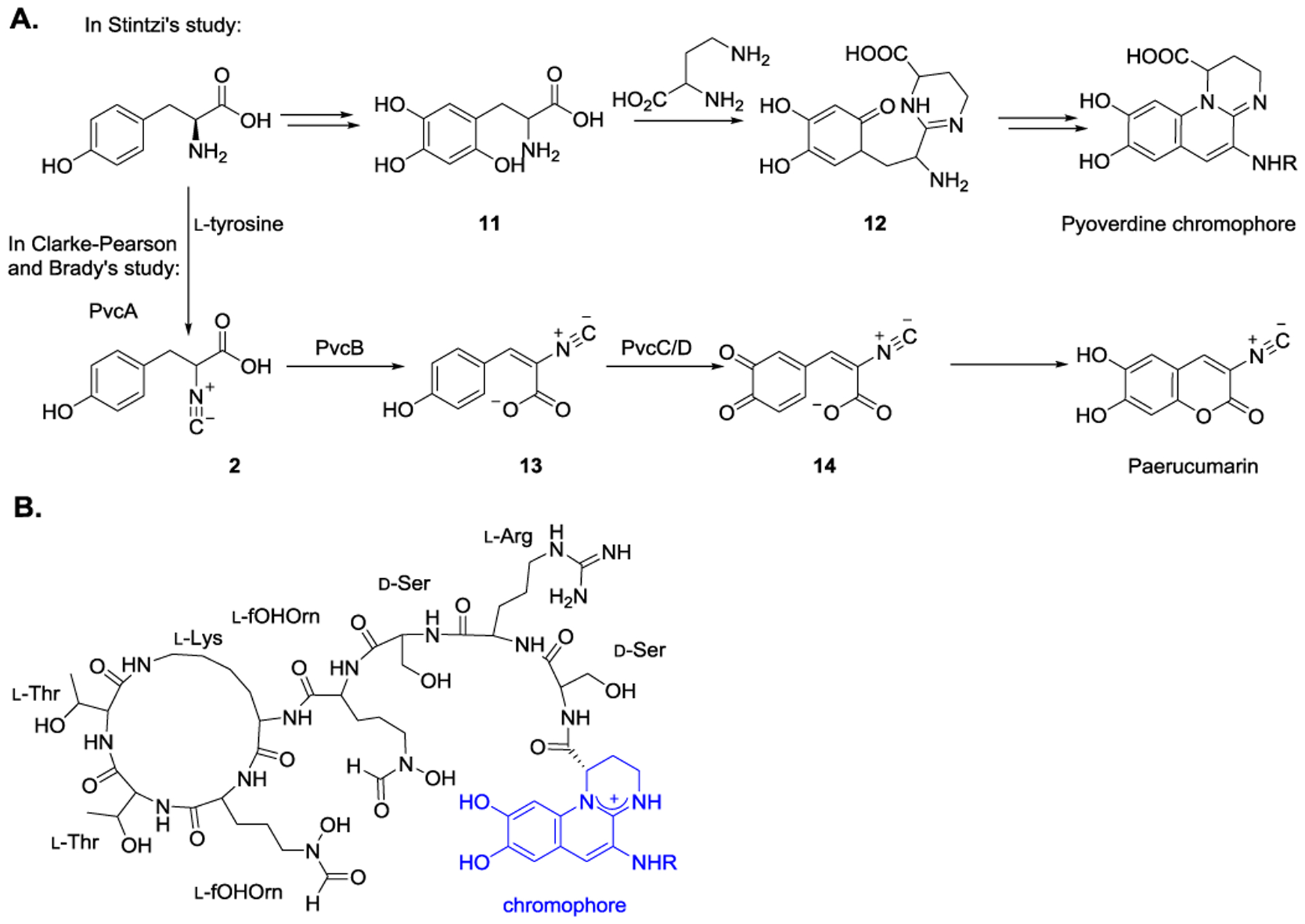
A) Proposed biosynthetic pathways for the formation of pyoverdine chromophore and paerucumarin. B) Representative structure of Pyoverdine. Pyoverdines is a group of green-fluorescent molecules composed of three parts: (i) a conserved fluorescent dihydroxyquinoline chromophore; (ii) an acyl side chain bound to the amino group of pyoverdine chromophore (R is either a glutamic acid, a α-ketoglutaric acid, a succinic acid or a malic acid); (iii) a variable peptide chain bound to the carboxyl group of pyoverdine chromophore by an amide group. The “fOHOrn” represses N5-formyl-N5-hydroxyornithine.
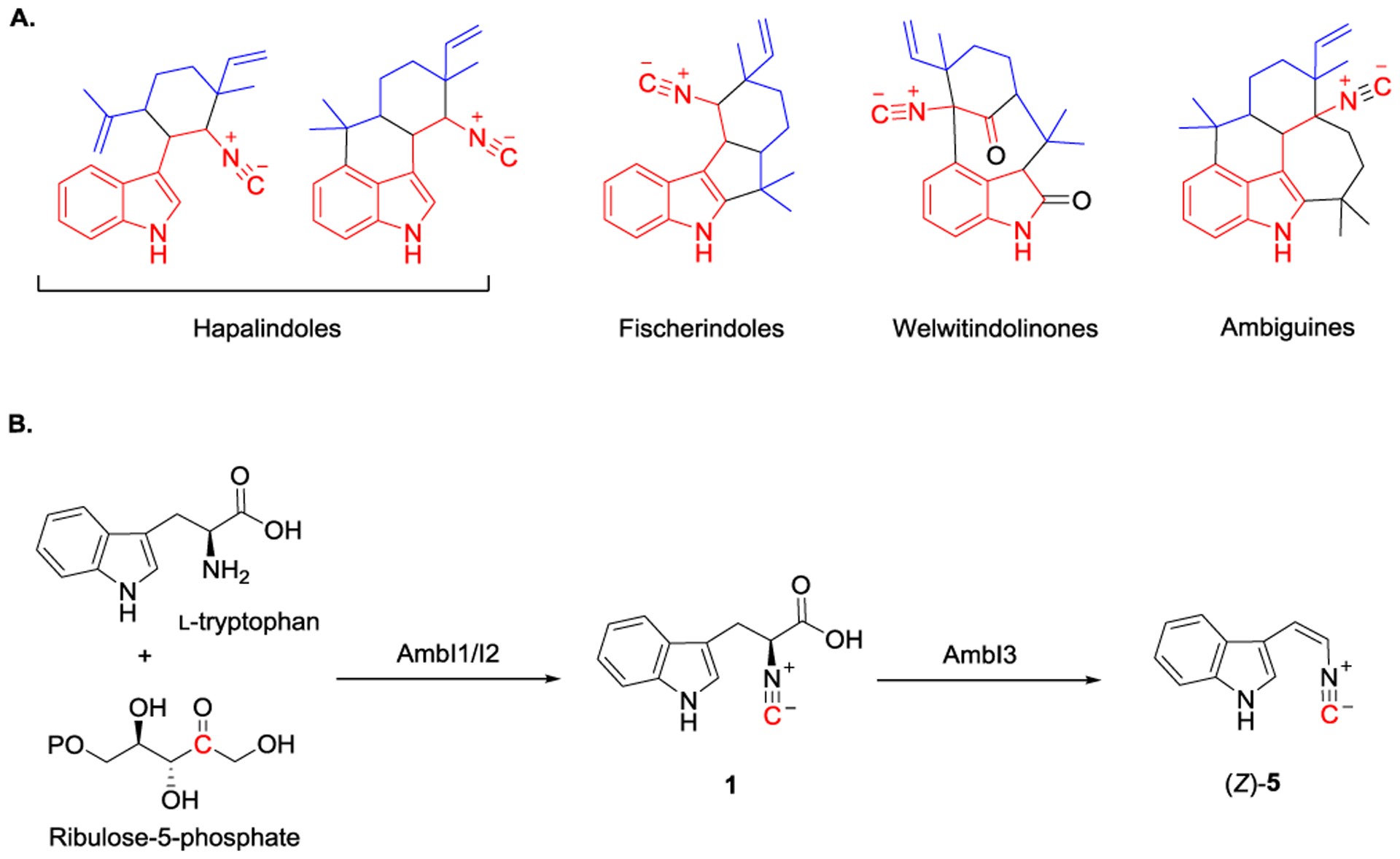
A) The family of hapalindole-type natural products include hapalindoles, fischerindoles, welwitindolinones and ambiguines. B) Proposed biosynthetic pathways of (Z)-5 formation catalyzed by AmbI1-3..
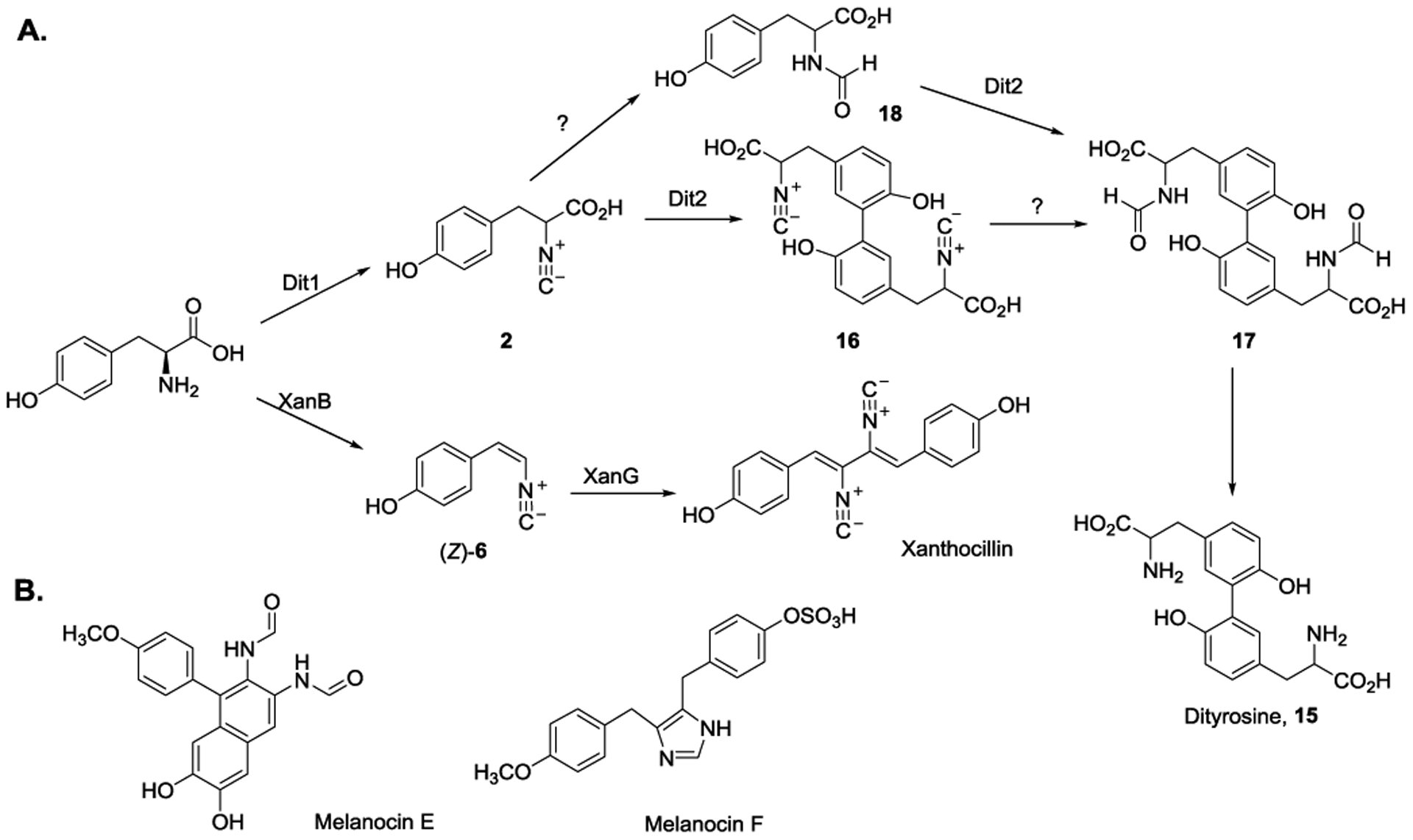
A) Proposed biosynthetic pathways of Dit1/Dit2- and XanB/XanG-catalyzed reactions that are involved in dityrosine (15) and xanthocillin formation. B) Structures of melanocin E and melanocin F isolated from Aspergillus fumigatus.
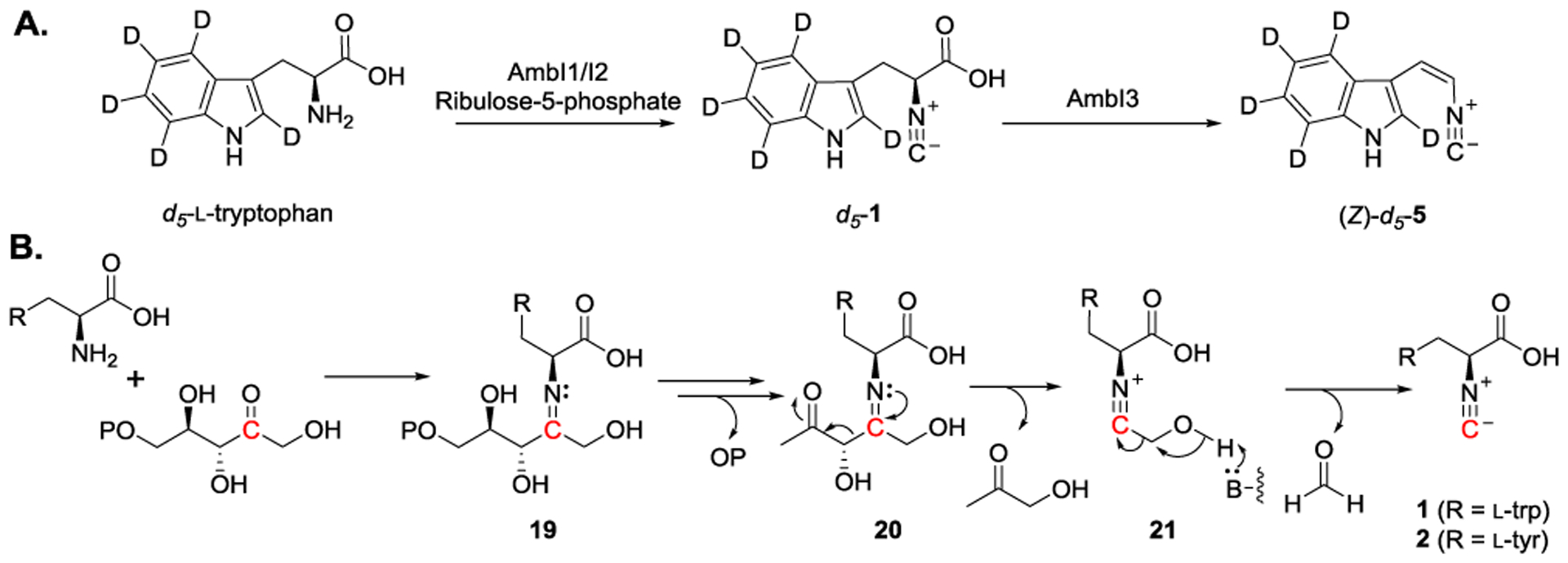
A) Detection of the elusive intermediate (d5-1.) from in vitro enzymatic reaction using AmbI1/I2. AmbI3 then catalyzes decarboxylation-assisted olefination to generate (Z)-d5-5. as the final product. B) Proposed mechanism accounting for the formation of isonitrile.
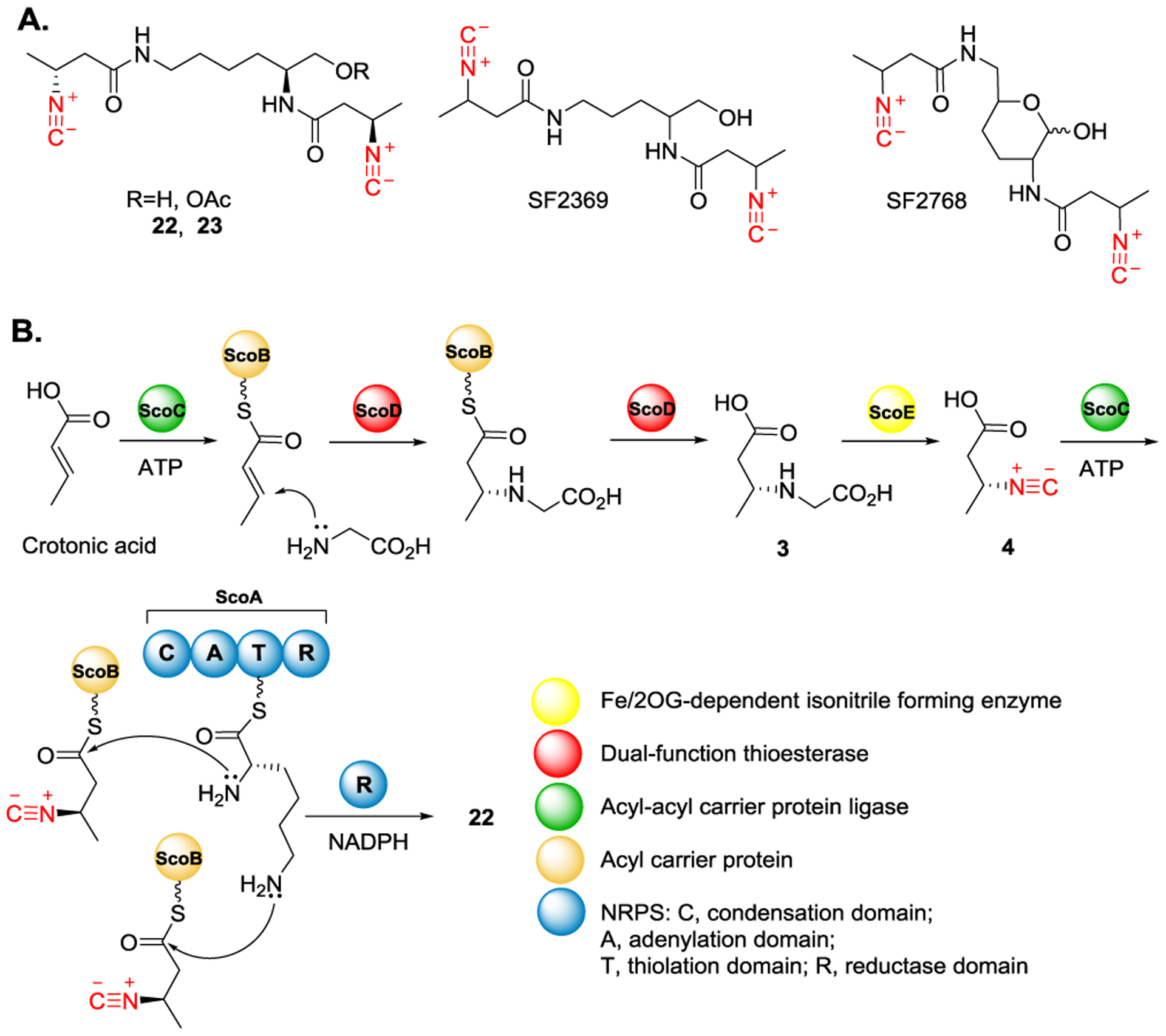
A) Structures of 22 and 23 that were isolated from ScoA-E-catalyzed reactions. 22 and 23 are structurally similar with SF2369 and SF2768. B) Proposed functions of ScoA-E in the biosynthesis of 22.
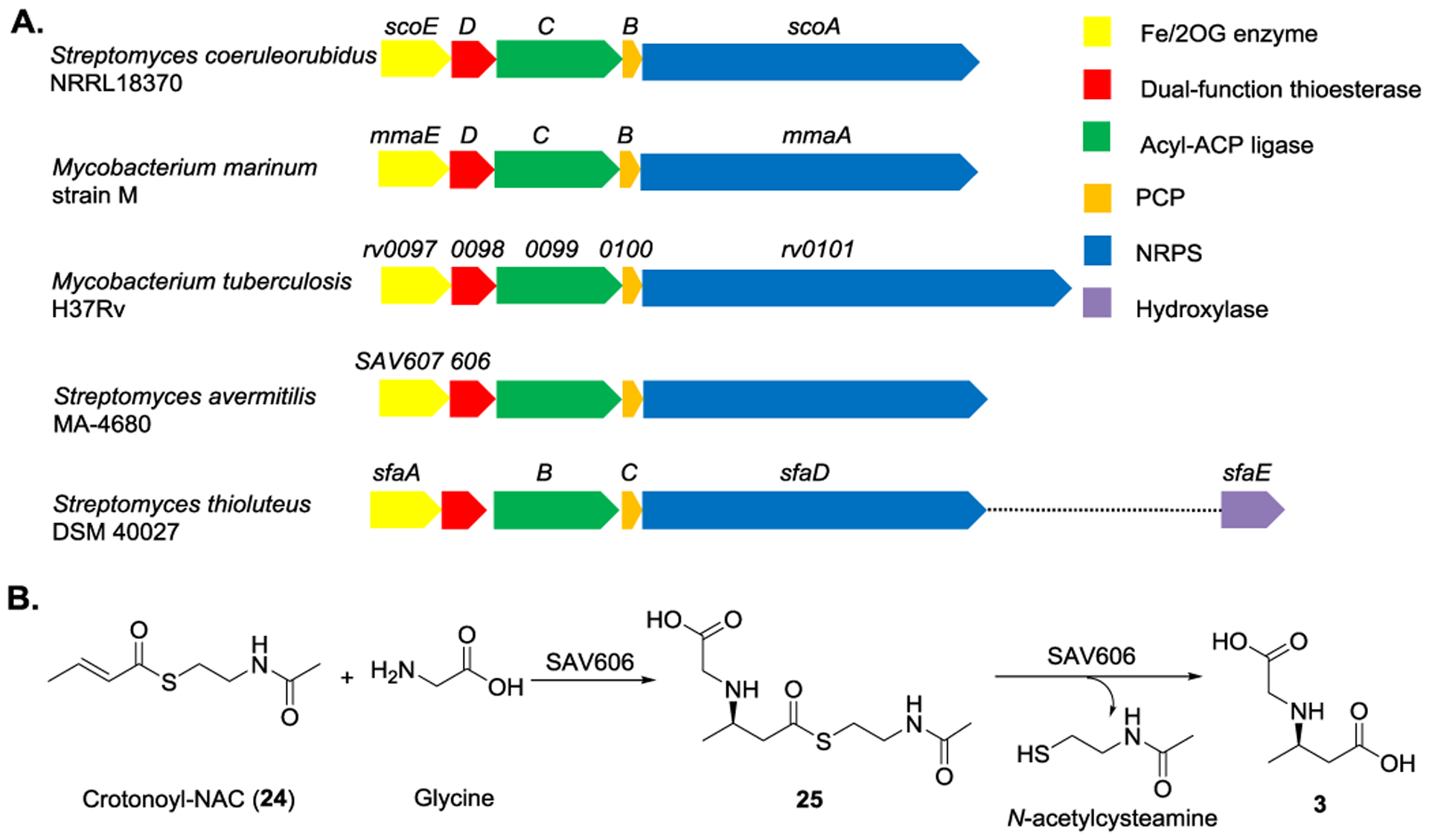
A) Schematic representation of the conserved biosynthetic gene clusters that are proposed to be involved in the biosynthesis of isonitrile-containing peptides. B) SAV606 is a dual function enzyme that can catalyze addition of glycine onto 24 followed by thioester hydrolysis of 25 to form 3.
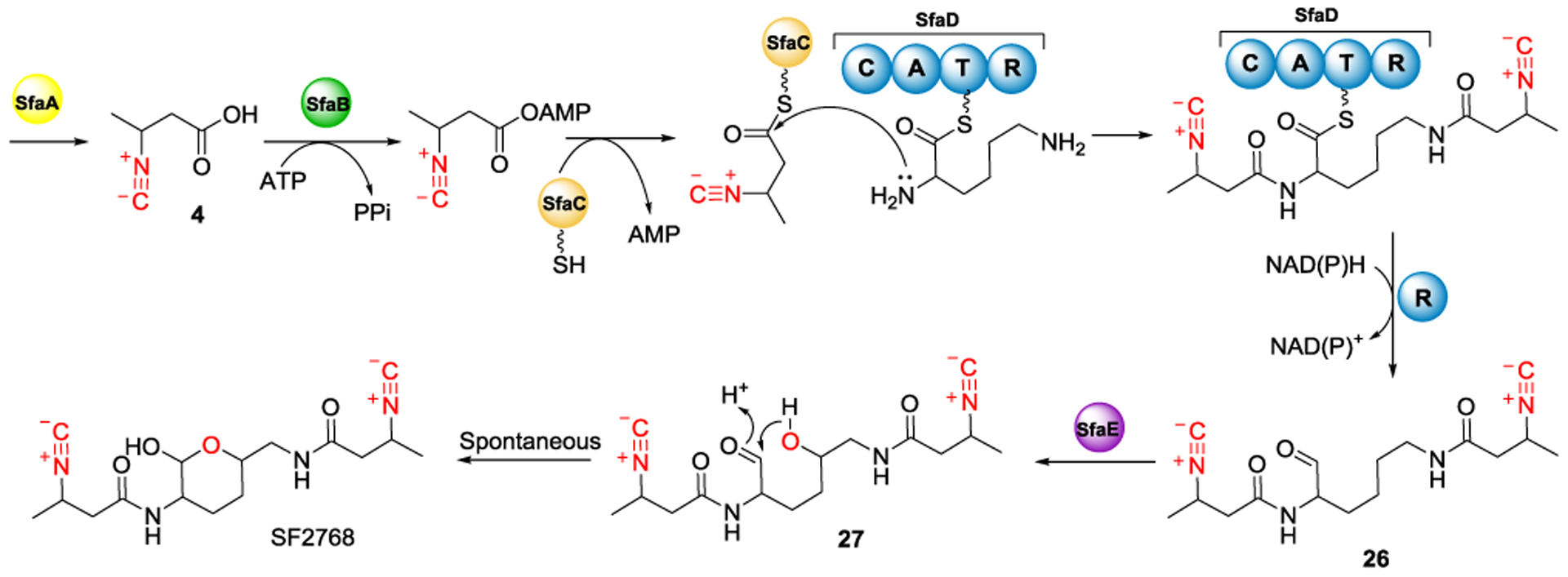
Proposed biosynthetic pathway accounting for the formation of SF2768 and its derivatives. Please refer to Figure 9 for the abbreviations.
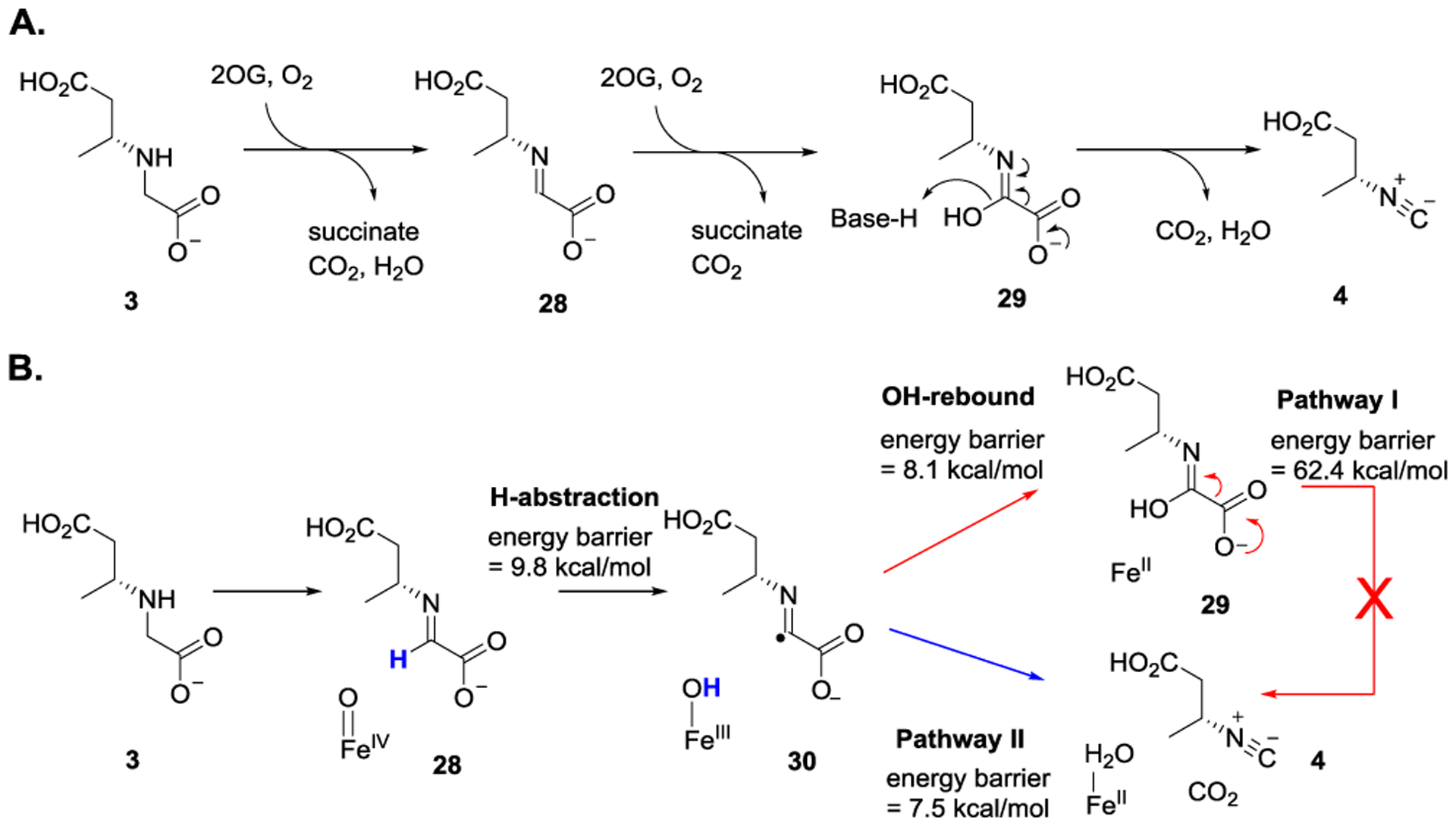
A) Possible reaction mechanism accounting for ScoE-catalyzed isonitrile formation. B) Based on molecular dynamic simulation and quantum mechanical/molecular mechanical calculation, the alternative decarboxylation pathway was proposed.
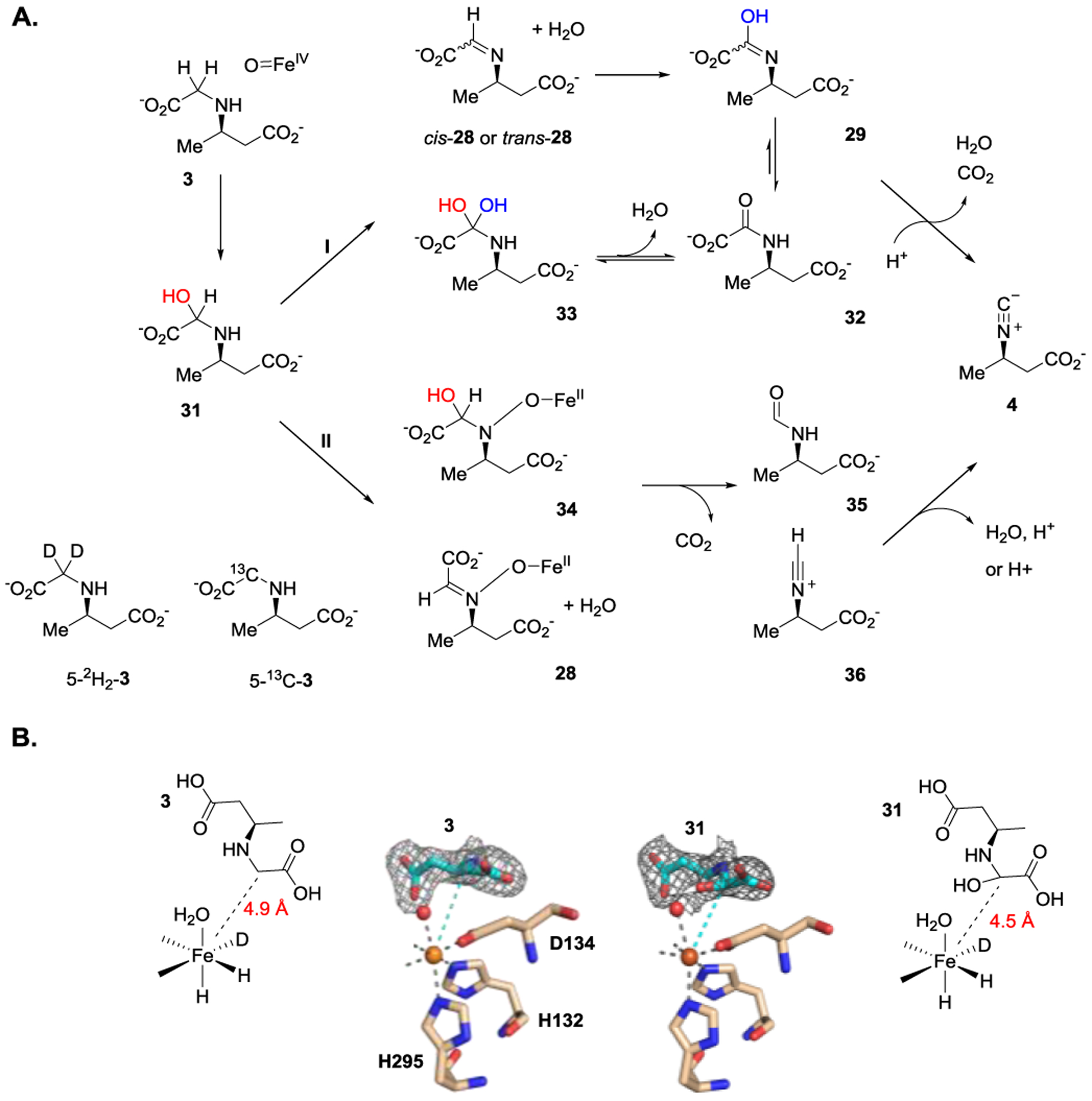
A) Proposed biosynthetic pathway accounting for isonitrile formation. B) The crystal structures of the substrate (3) and a putative intermediate (31) bound ScoE.
References
-
- American Chemical Society International Historic Chemical Landmarks. Discovery and Development of Penicillin. 1999. http://www.acs.org/content/acs/en/education/whatischemistry/landmarks/fl... (accessed October 12, 2020).
-
- Giustiniano M; Basso A; Mercalli V; Massarotti A; Novellino E; Tron GC; Zhu J To each his own: isonitriles for all flavors. Functionalized isocyanides as valuable tools in organic synthesis. Chem. Soc. Rev 2017, 46, 1295–1357. - PubMed
-
- Dömling A; Ugi I Multicomponent Reactions with Isocyanides. An- gew. Chem. Int. Ed 2000, 39, 3168–3210. - PubMed
-
- Wang Q; Wang DX; Wang MX; Zhu J Still Unconquered: Enantioselective Passerini and Ugi Multicomponent Reactions. Acc. Chem. Res 2018, 51, 1290–1300. - PubMed
-
- Zhang J; Yu P; Li SY; Sun H; Xiang SH; Wang JJ; Houk KN; Tan B Asymmetric phosphoric acid-catalyzed four-component Ugi reaction. Science 2018, 361, eaas8707. - PubMed
Grants and funding
LinkOut - more resources
Full Text Sources