. 2022 Jan:208:102181.
doi: 10.1016/j.pneurobio.2021.102181. Epub 2021 Oct 17.

Pathogenic tau accelerates aging-associated activation of transposable elements in the mouse central nervous system

Affiliations

Pathogenic tau accelerates aging-associated activation of transposable elements in the mouse central nervous system

Paulino Ramirez et al. Prog Neurobiol. 2022 Jan.

Abstract

Transposable elements comprise almost half of the mammalian genome. A growing body of evidence suggests that transposable element dysregulation accompanies brain aging and neurodegenerative disorders, and that transposable element activation is neurotoxic. Recent studies have identified links between pathogenic forms of tau, a protein that accumulates in Alzheimer's disease and related "tauopathies," and transposable element-induced neurotoxicity. Starting with transcriptomic analyses, we find that age- and tau-induced transposable element activation occurs in the mouse brain. Among transposable elements that are activated at the RNA level in the context of brain aging and tauopathy, we find that the endogenous retrovirus (ERV) class of retrotransposons is particularly enriched. We show that protein encoded by Intracisternal A-particle, a highly active mouse ERV, is elevated in brains of tau transgenic mice. Using two complementary approaches, we find that brains of tau transgenic mice contain increased DNA copy number of transposable elements, raising the possibility that these elements actively retrotranspose in the context of tauopathy. Taken together, our study lays the groundwork for future mechanistic studies focused on transposable element regulation in the aging mouse brain and in mouse models of tauopathy and provides support for ongoing therapeutic efforts targeting transposable element activation in patients with Alzheimer's disease.

Trial registration: ClinicalTrials.gov NCT02868580 NCT04500847 NCT04500847.

Keywords: Aging; Alzheimer’s disease; Amyloid beta; Endogenous retrovirus; Mice; Neurodegeneration; Retrotransposon; Tau; Tauopathy.


Conflict of interest statement

Competing interests

The authors declare no competing interests.

Figures
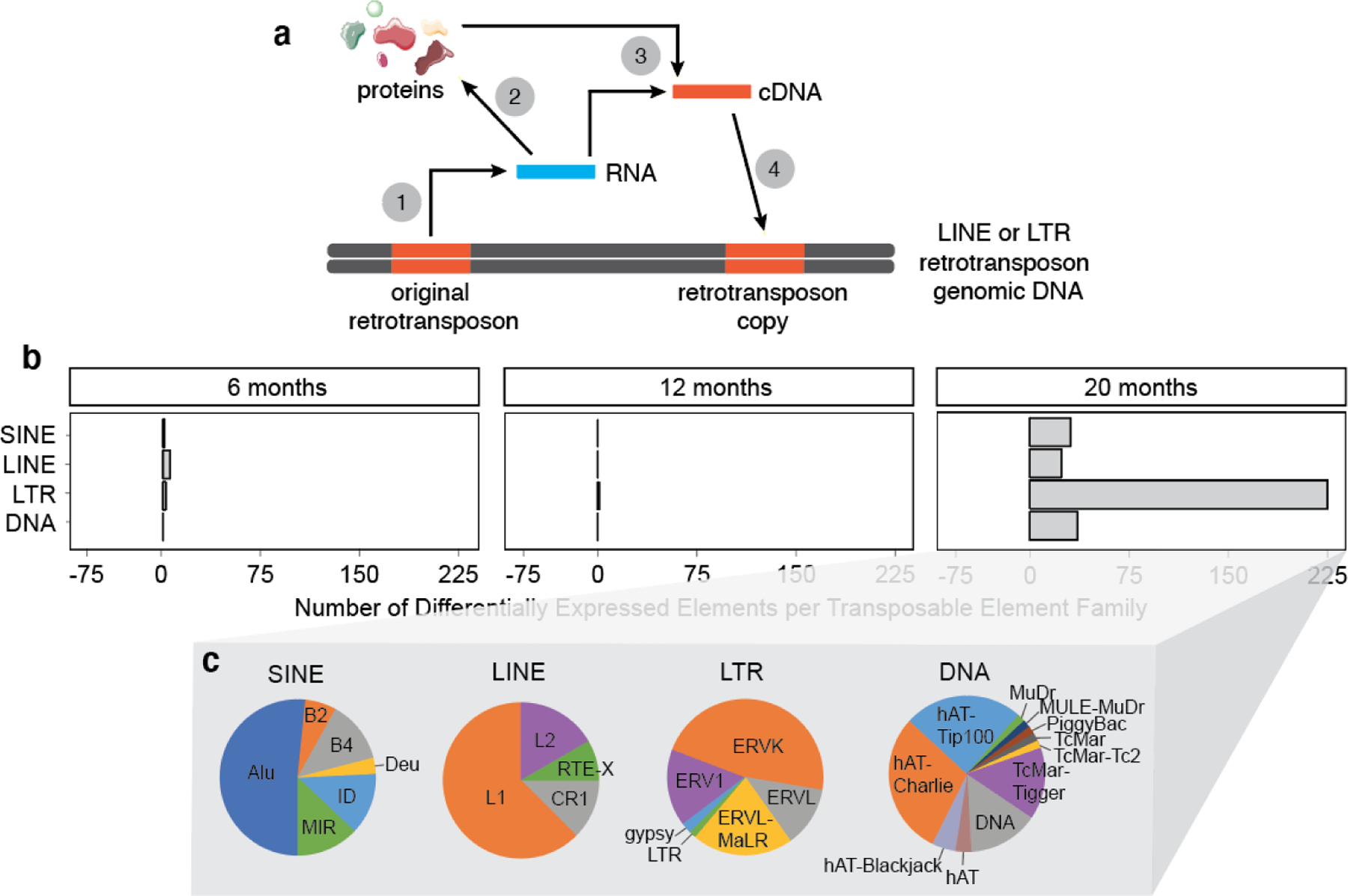
Figure 1 |
Figure 1 |. Age-dependent increase in transposable element RNA levels in the mouse forebrain.
a. Lifecycle of an intact, autonomous retrotransposon: Retrotransposon DNA is transcribed into RNA (1), which encodes proteins that are needed for reverse transcription and subsequent integration into genomic DNA (2). Using retrotransposonencoded proteins, RNA is reverse transcribed into cDNA that can either exist in an episomal state (3) or can be inserted into genomic DNA (4). b. The number of differentially expressed transposable elements in mouse forebrain from six to twenty months old based on RNA-seq. Differentially expressed transposable elements were grouped into families and represented on the graph. c. Pie charts representing the proportion of subfamily members within each retrotransposon (SINE, LINE, LTR) and DNA transposon (DNA) family. 6 months: n=1 male, 7 females; 12 months: n=4 males, 4 females; 20 months: n=6 males and 5 females. An adjusted P value of <0.05 was considered significant.
Figure 2 |
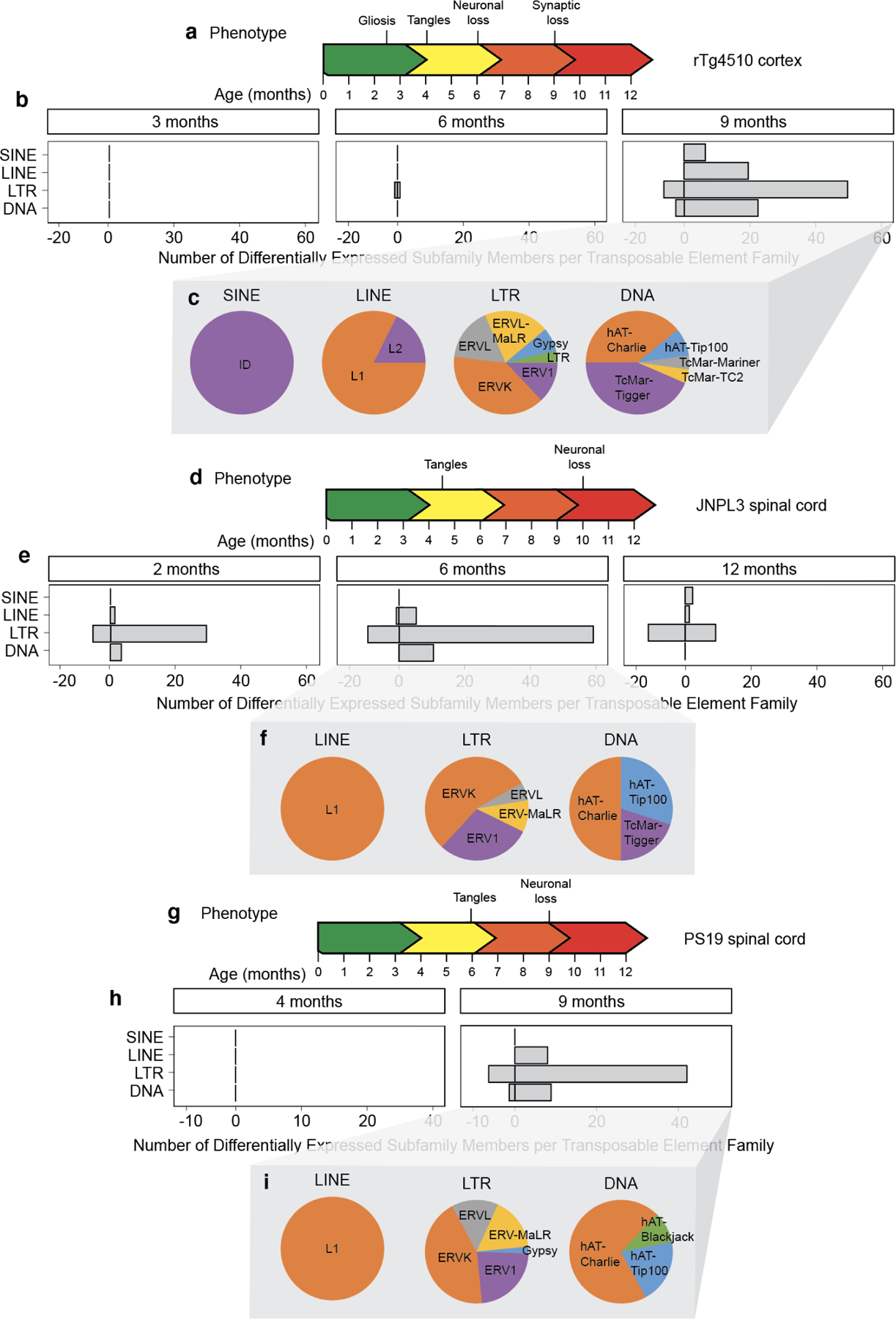
Figure 2 |. Age-dependent analysis of transposable element RNA levels in three different mouse models of tauopathy.
a. The rTg4510 mouse model of tauopathy. b. Differentially expressed transposable elements in the female rTg4510 mouse cortex from three to nine months based on RNA-seq. Differentially expressed transposable elements were grouped into families and represented on the graph. n=5–6 biological replicates per age. c. The proportion of different types of differentially expressed transposable element subfamilies within each transposable element family. d. The JNPL3 mouse model of tauopathy. e. Differentially expressed transposable elements in the female JNPL3 spinal cord from two to twelve months based on RNA-seq. n=3–6 biological replicates per age. f. The proportion of differentially expressed transposable element subfamilies within each transposable element family. g. The PS19 mouse model of tauopathy. h. Differentially expressed transposable elements in the male PS19 spinal cord at four and nine months based on RNA-seq. Differentially expressed transposable elements were grouped into families and represented on the graph. n=5–7 biological replicates per age. I. The proportion of differentially expressed transposable element subfamilies within each transposable element family. An adjusted P value of <0.05 was considered significant.
Figure 3 |
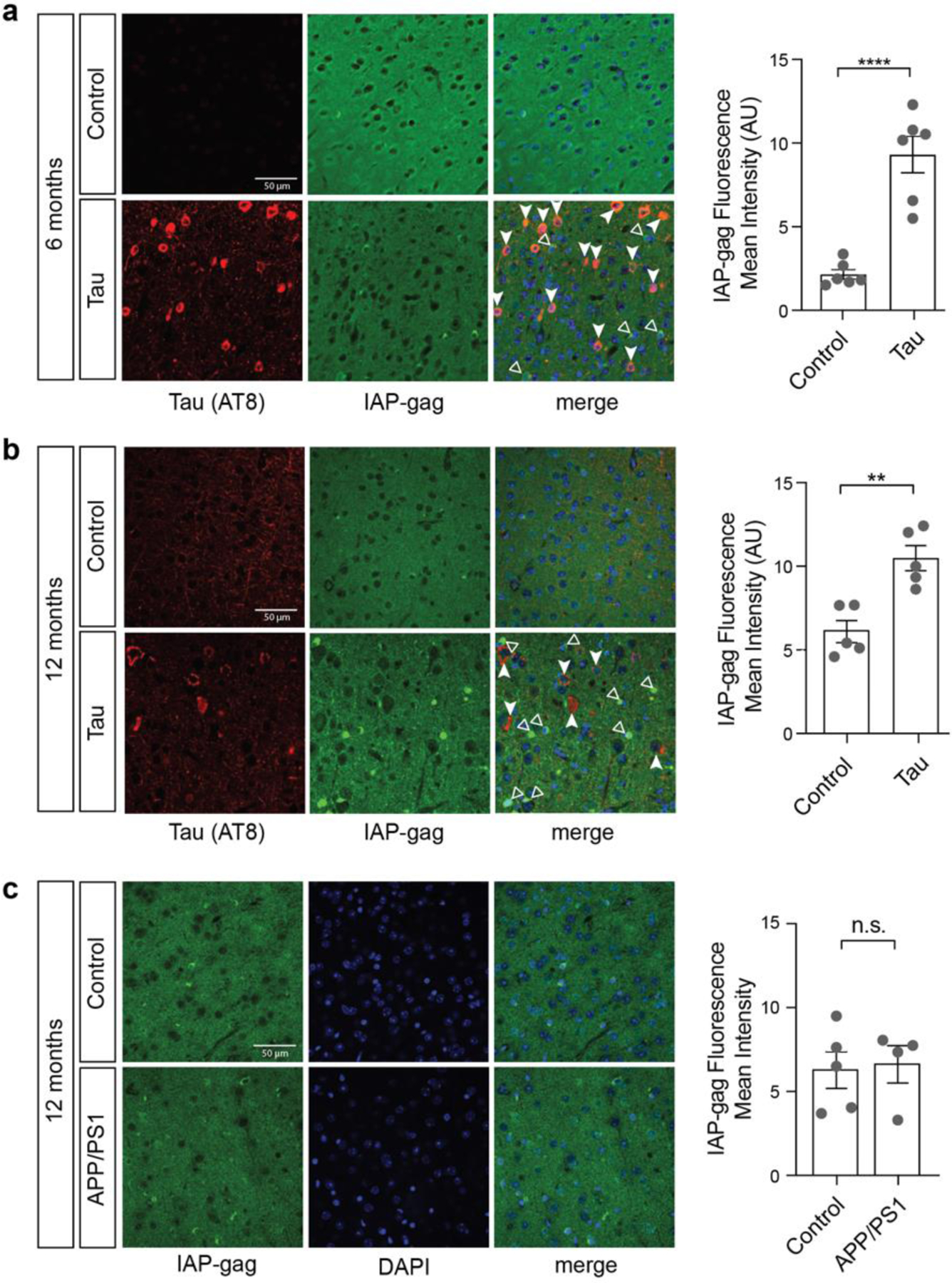
Figure 3 |. IAP-encoded gag protein in rTg4510 and APP/PS1 mouse models.
Frontal cortices of rTg4510 mice at six (a) and twelve (b) months were stained with antibodies recognizing IAP-encoded gag and tau AT8. c. Frontal cortices of APP/PS1 mice were stained with antibodies recognizing IAP-encoded gag. n=4–6 biological replicates per genotype, per age. Filled-in arrows indicate tau AT8-positive cells, while empty arrows indicate IAP-gag-positive cells. **p<0.01, ****p<0.0001, unpaired t-test. Error bars=SEM.
Figure 4 |
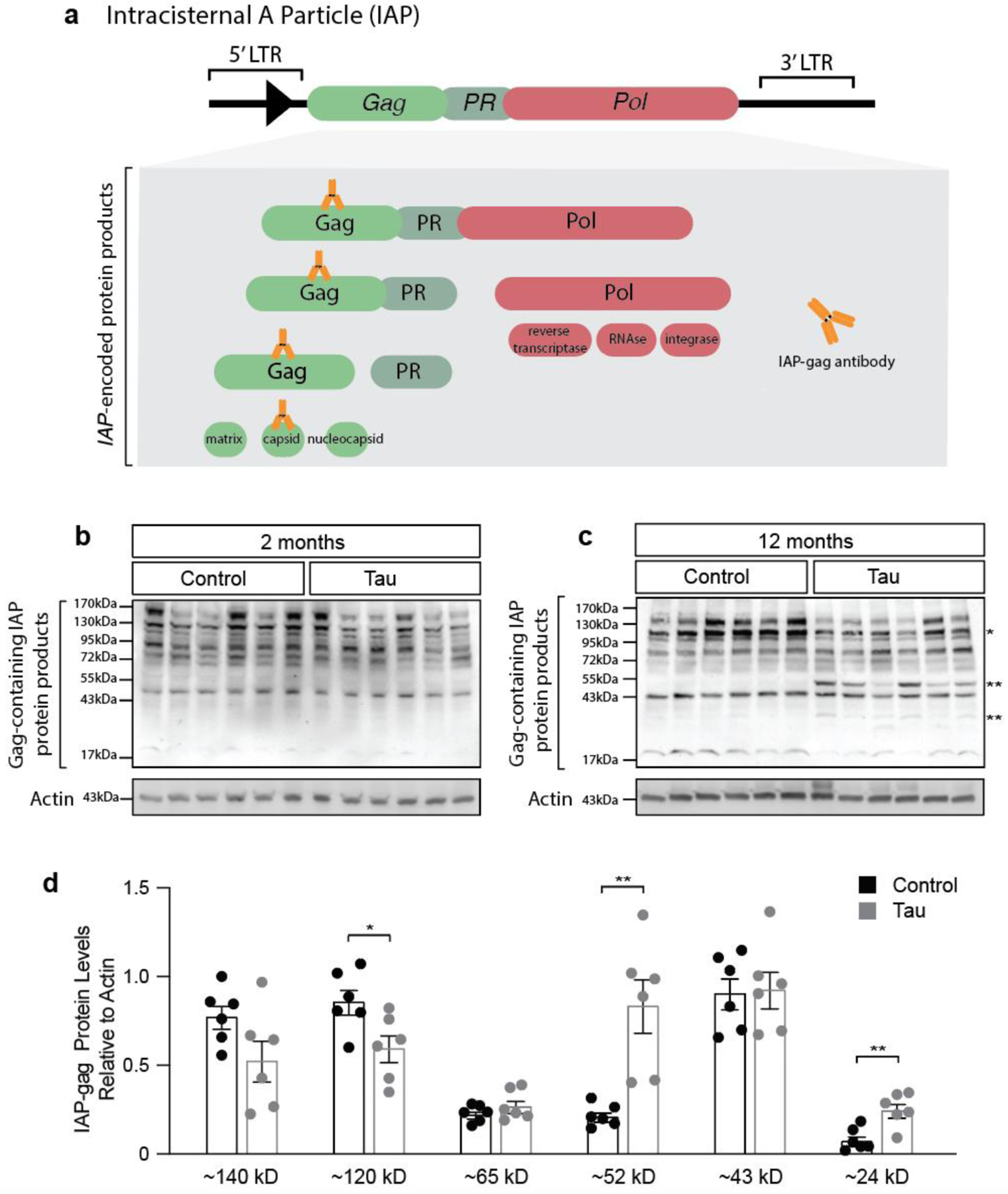
Figure 4 |. IAP polyprotein processing is increased in brains of rTg5410 mice at twelve months of age.
a. Intact copies of the IAP gene encode a gag-pro-pol precursor. The gag-pro-pol precursor is processed into multiple protein products. The antibody used for western blotting recognizes the capsid protein that is produced from gag. IAP polyprotein processing based on immunoblotting with an antibody recognizing the gag-encoded capsid protein in lysates from rTg4510 mouse brain compared to control at two (b) and twelve (c) months of age. d. At twelve months of age, rTg4510 mice have significantly decreased levels of a band corresponding to a ~120 kD gag-pro-pol precursor, and significantly increased levels of ~52 kD and ~24 kD gag-containing proteins. n=6 biological replicates, two-sided t-tests shown on the same graph for visual ease. *p<0.05, **p<0.01. Error bars=SEM.
Figure 5 |
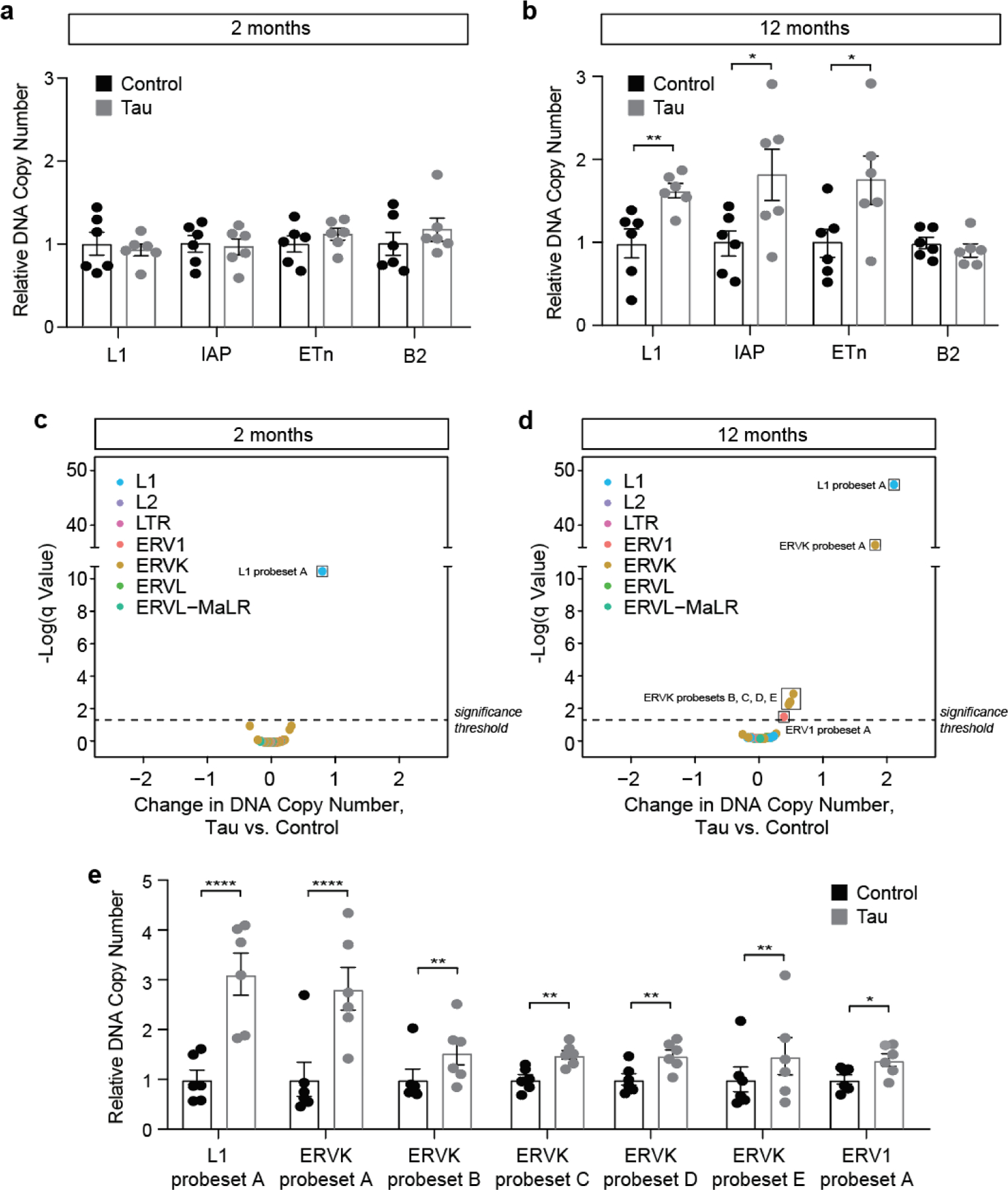
Figure 5 |. dPCR and NanoString-based transposable element DNA copy number analysis in the cortex of rTg4510 mice.
dPCR-based quantification of retrotransposon DNA copy number at two (a) and twelve (b) months of age in cortex of rTg4510 vs. control mouse brain. DNA copy number is normalized to the average of controls for each element. NanoString-based quantification of retrotransposon DNA copy number at two (c) and twelve (d) months of age in cortex of rTg4510 vs. control mouse brain. DNA copy number is normalized to the average of controls for each element. Elements that are significantly different between rTg4510 and control are boxed. False-discovery rate, q=1%. e. Individual data points for elements that are significantly increased in rTg4510 mouse brain at twelve months of age compared to control. n=6 females per genotype, per age. Error bars=SEM. Multiple t-tests, *q<0.05, **q<0.01, ****q<0.000001.

References

    1. Lander ES et al. Initial sequencing and analysis of the human genome. Nature 409, 860–921 (2001). - PubMed
    1. Platt RN, Vandewege MW & Ray DA Mammalian transposable elements and their impacts on genome evolution. Chromosome Research (2018) doi:10.1007/s10577-017-9570-z. - DOI - PMC - PubMed
    1. Martin SL et al. LINE-1 retrotransposition requires the nucleic acid chaperone activity of the ORF1 Protein. J. Mol. Biol (2005) doi:10.1016/j.jmb.2005.03.003. - DOI - PubMed
    1. Feng Q, Moran JV, Kazazian HH & Boeke JD Human L1 retrotransposon encodes a conserved endonuclease required for retrotransposition. Cell (1996) doi:10.1016/S0092-8674(00)81997-2. - DOI - PubMed
    1. Hughes JF & Coffin JM A novel endogenous retrovirus-related element in the human genome resembles a DNA transposon: Evidence for an evolutionary link? Genomics (2002) doi:10.1016/S0888-7543(02)96856-4. - DOI - PubMed

Publication types

Associated data