. 2021 Oct 20;11(1):20730.
doi: 10.1038/s41598-021-98281-5.

Tyrosinase-mediated synthesis of larvicidal active 1,5-diphenyl pent-4-en-1-one derivatives against Culex quinquefasciatus and investigation of their ichthyotoxicity

Affiliations

Tyrosinase-mediated synthesis of larvicidal active 1,5-diphenyl pent-4-en-1-one derivatives against Culex quinquefasciatus and investigation of their ichthyotoxicity

SathishKumar Chidambaram et al. Sci Rep. .

Abstract

1,5-diphenylpent-4-en-1-one derivatives were synthesised using the grindstone method with Cu(II)-tyrosinase used as a catalyst. This method showed a high yield under mild reaction conditions. The synthesised compounds were identified by FTIR, 1H NMR, 13C NMR, mass spectrometry, and elemental analysis. In this study, a total of 17 compounds (1a-1q) were synthesised, and their larvicidal and antifeedant activities were evaluated. Compound 1i (1-(5-oxo-1,5-diphenylpent-1-en-3-yl)-3-(3-phenylallylidene)thiourea) was notably more active (LD50: 28.5 µM) against Culex quinquefasciatus than permethrin(54.6 µM) and temephos(37.9 µM), whereas compound 1i at 100 µM caused 0% mortality in Oreochromis mossambicus within 24 h in an antifeedant screening, with ichthyotoxicity determined as the death ratio (%) at 24 h. Compounds 1a, 1e, 1f, 1j, and 1k were found to be highly toxic, whereas 1i was not toxic in antifeedant screening. Compound 1i was found to possess a high larvicidal activity against C. quinquefasciatus and was non-toxic to non-target aquatic species. Molecular docking studies also supported the finding that 1i is a potent larvicide with higher binding energy than the control (- 10.0 vs. - 7.6 kcal/mol) in the 3OGN protein. Lead molecules are important for their larvicidal properties and application as insecticides.


Conflict of interest statement

The authors declare no competing interests.

Figures
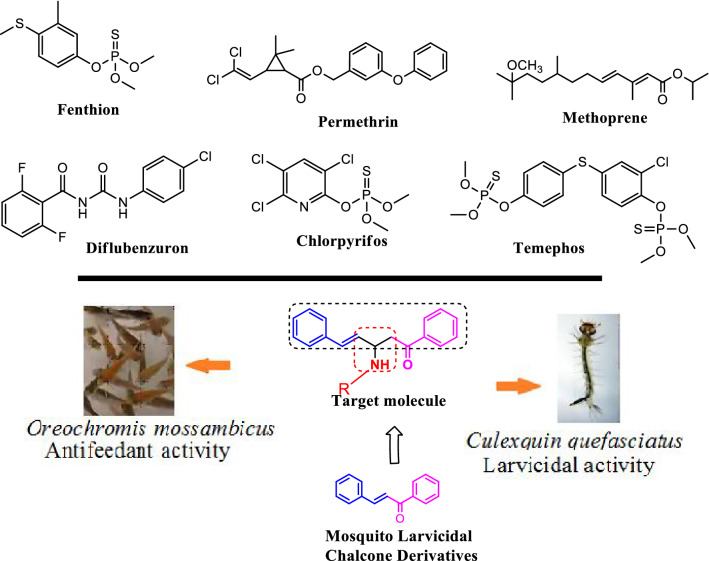
Figure 1
Figure 1
Synthetic marketable insecticides and our target molecule drawn by ChemDraw Ultra 12.0 Suite (PerkinElmer, USA).
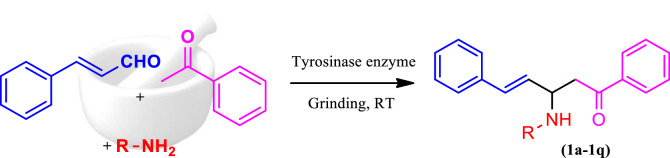
Scheme 1
Scheme 1
Synthetic route of Mannich base derivative.
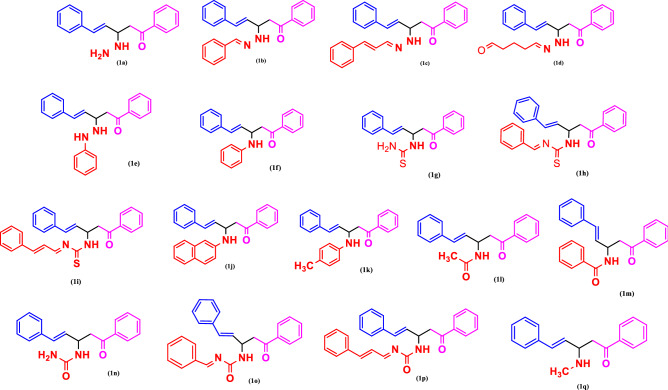
Figure 2
Figure 2
Structures of synthesized Mannich base derivatives (1a–1q) drawn by ChemDraw Ultra 12.0 Suite (PerkinElmer, USA).
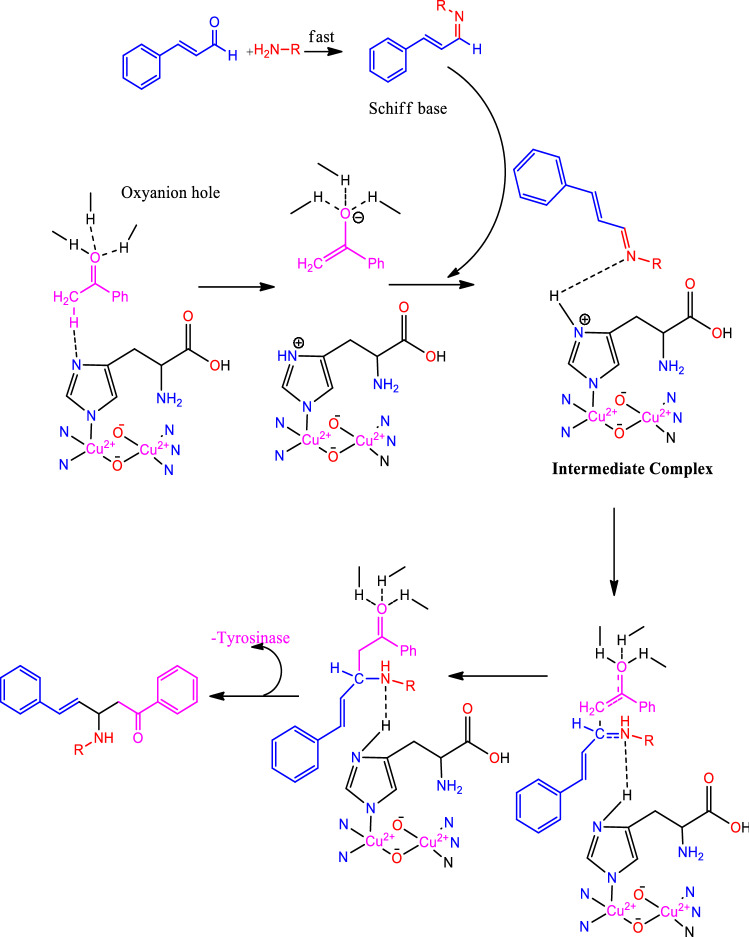
Scheme 2
Scheme 2
Proposed mechanism of Mannich base derivative formation.
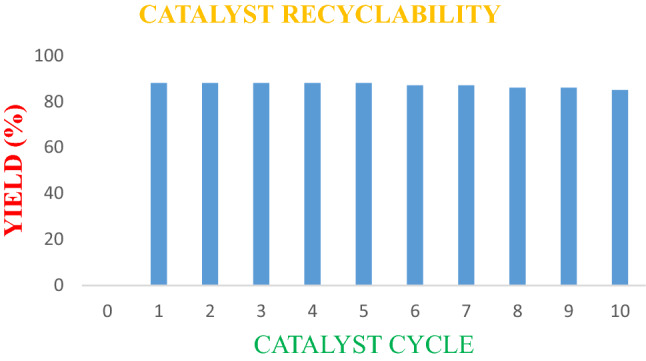
Figure 3
Figure 3
Catalyst recyclability avtivity of Cu(II)-tyrosinase enzyme drawn by Microfoft Office 2019 Suite.
Figure 4
Figure 4
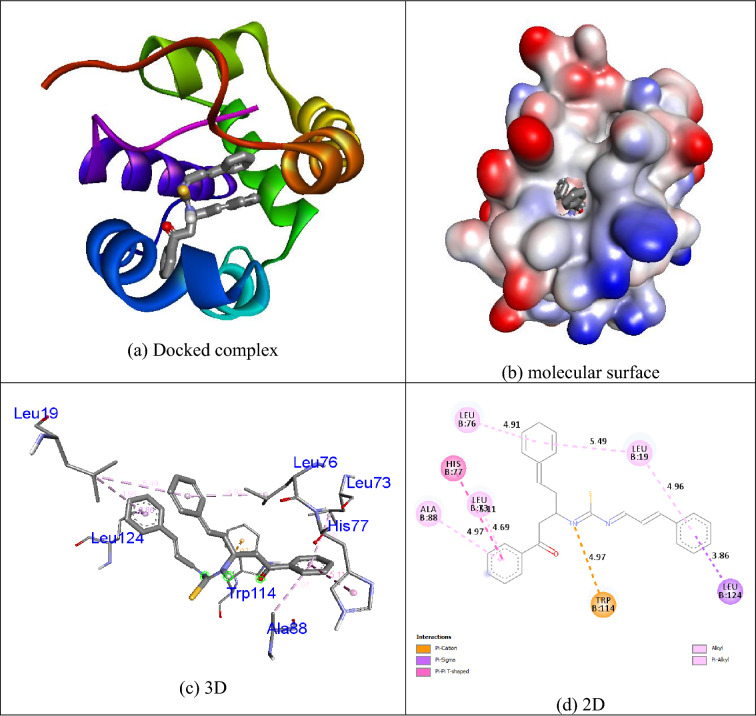
Molecular docking representation of ligand 1i within the active site of mosquito odorant binding protein (PDB ID: 3OGN). Chemical structures were drawn by ChemDraw Ultra 12.0 Suite (PerkinElmer, USA) and analyzed by the Discovery studio visualizer (BIOVIA Discovery studio 2019 Client).
Figure 5
Figure 5
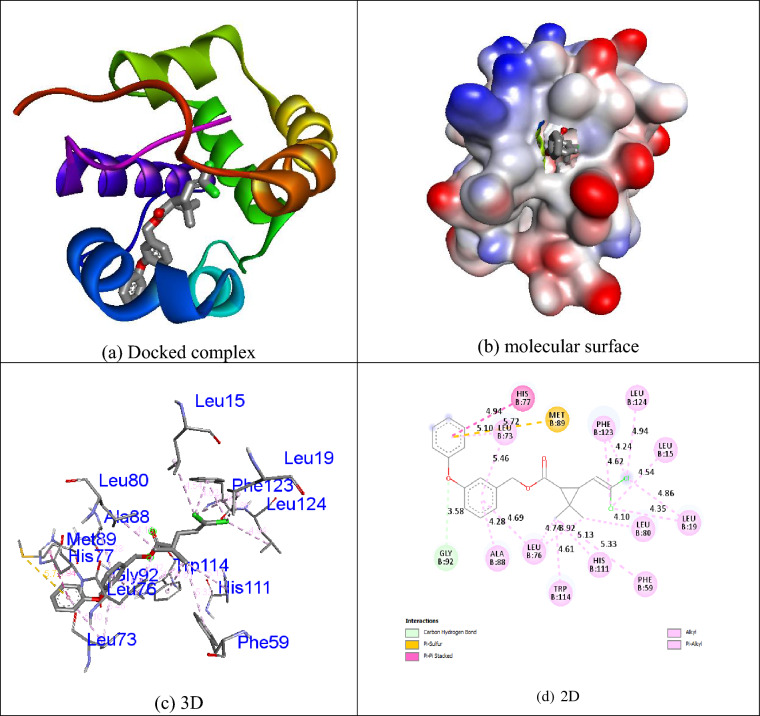
Molecular docking representation of ligand permethrin within the active site of mosquito odorant binding protein (PDB ID: 3OGN). Chemical structures were drawn by ChemDraw Ultra 12.0 Suite (PerkinElmer, USA) and analyzed by the Discovery studio visualizer (BIOVIA Discovery studio 2019 Client).
Figure 6
Figure 6
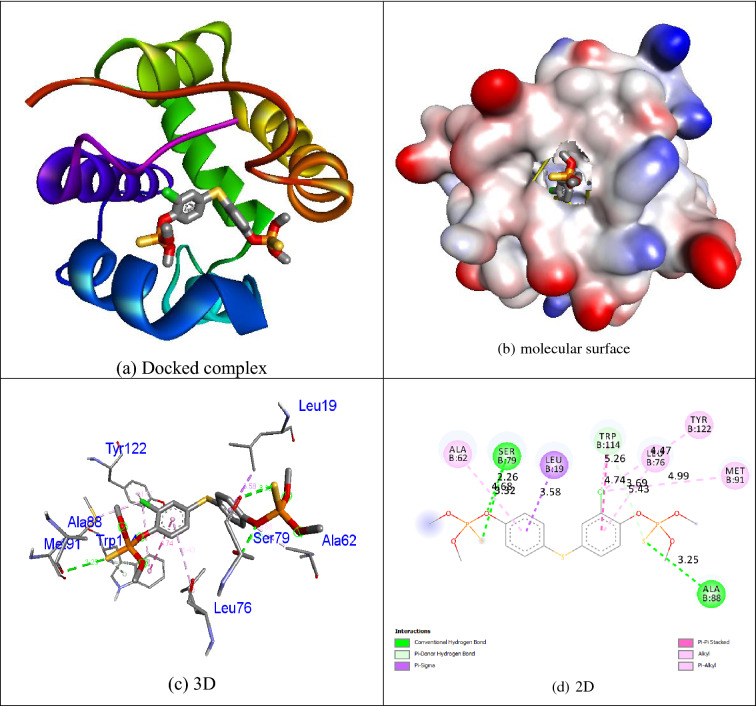
Molecular docking representation of ligand temephos within the active site of mosquito odorant binding protein (PDB ID: 3OGN). Chemical structures were drawn by ChemDraw Ultra 12.0 Suite (PerkinElmer, USA) and analyzed by the Discovery studio visualizer (BIOVIA Discovery studio 2019 Client).
Figure 7
Figure 7
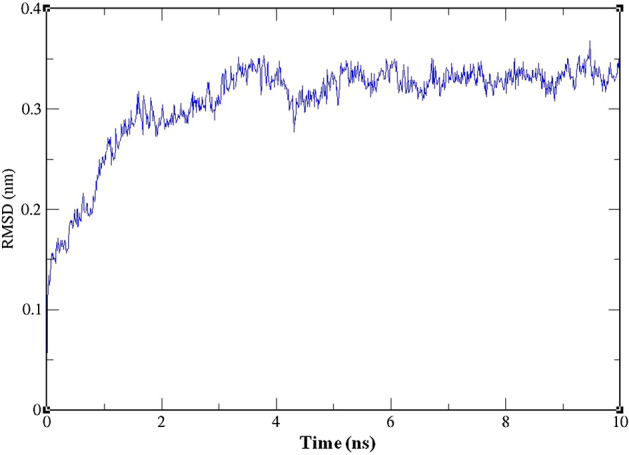
Graphical representation of Time vs. RMSD map for Protein after ligand fit to the protein during molecular dynamics simulation. XMgrace (Version 5.1. 19) tool was used to prepare the graphs (Turner, Land-Margin Research, & Technology, 2005).
Figure 8
Figure 8
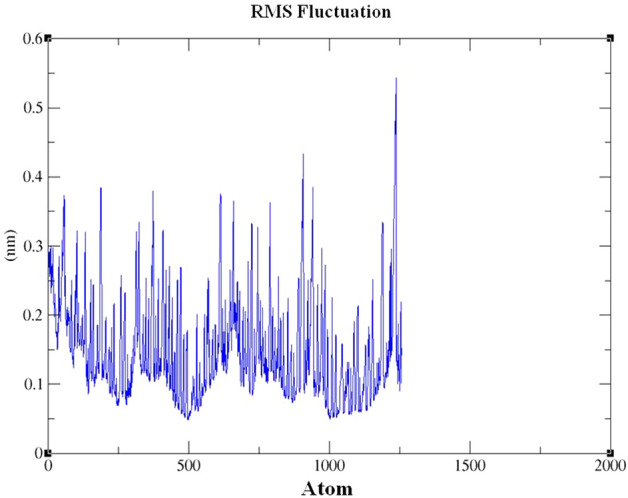
Graphical representation of RMS Fluctuation map during molecular dynamics simulation. XMgrace (Version 5.1. 19) tool was used to prepare the graphs (Turner, Land-Margin Research, & Technology, 2005).
Figure 9
Figure 9
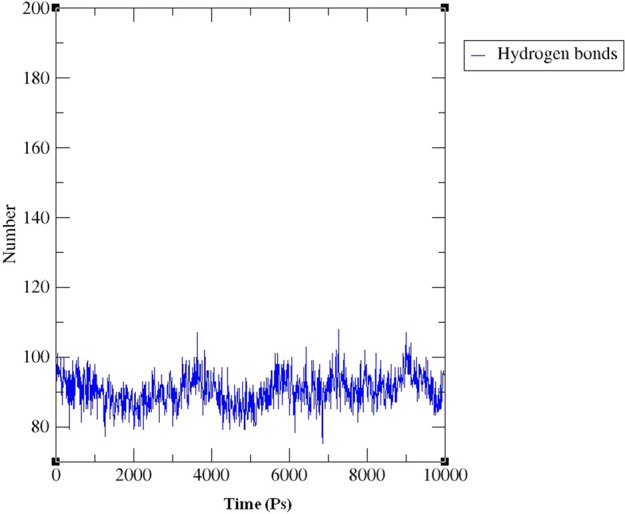
The hydrogen bond interaction between the protein 3OGN and compound 1i. XMgrace (Version 5.1. 19) tool was used to prepare the graphs (Turner, Land-Margin Research, & Technology, 2005).
Figure 10
Figure 10
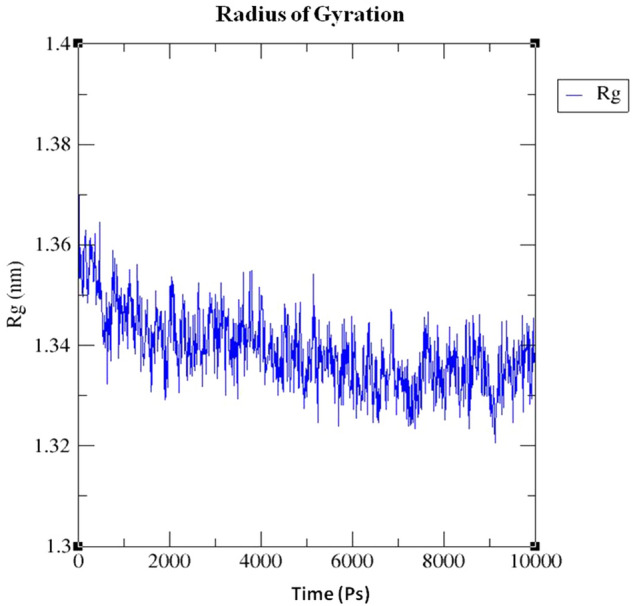
Radius of gyration value of complex structure of protein 3OGN bounded with the compound 1i. XMgrace (Version 5.1. 19) tool was used to prepare the graphs (Turner, Land-Margin Research, & Technology, 2005).

References

    1. Toda F, Tanaka K, Sekikawa A. Host–guest complex formation by a solid–solid reaction. J. Chem. Soc. Chem. Commun. 1987;4:279–280. doi: 10.1039/C39870000279. - DOI
    1. Mannich C. Eine synthese von β-ketonbasen. Arch. Pharm. 1917;255:261–276. doi: 10.1002/ardp.19172550217. - DOI
    1. Sanchez-Ferrer A, Rodriguez-Lopez J, Garcia-Canovas F, Garcia-Carmona F. Tyrosinase: A comprehensive review of its mechanism. Biochim. Biophys. Acta. 1995;1247:1–11. doi: 10.1016/0167-4838(94)00204-T. - DOI - PubMed
    1. Solomon EI, Sundaram UM, Machonkin TE. Multicopper oxidases and oxygenases. Chem. Rev. 1996;96:2563–2606. doi: 10.1021/cr950046o. - DOI - PubMed
    1. Solomon EI, Chen P, Metz M, Lee SK, Palmer A. Oxygen binding, activation, and reduction to water by copper proteins. Angew. Chem. Int. Ed. Engl. 2001;40:4570–4590. doi: 10.1002/1521-3773(20011217)40:24<4570. - DOI - PubMed

Publication types