


Use of Network Pharmacology and Molecular Docking Technology to Analyze the Mechanism of Action of Velvet Antler in the Treatment of Postmenopausal Osteoporosis
- PMID: 34671409
- PMCID: PMC8523247
- DOI: 10.1155/2021/7144529
Use of Network Pharmacology and Molecular Docking Technology to Analyze the Mechanism of Action of Velvet Antler in the Treatment of Postmenopausal Osteoporosis
Abstract
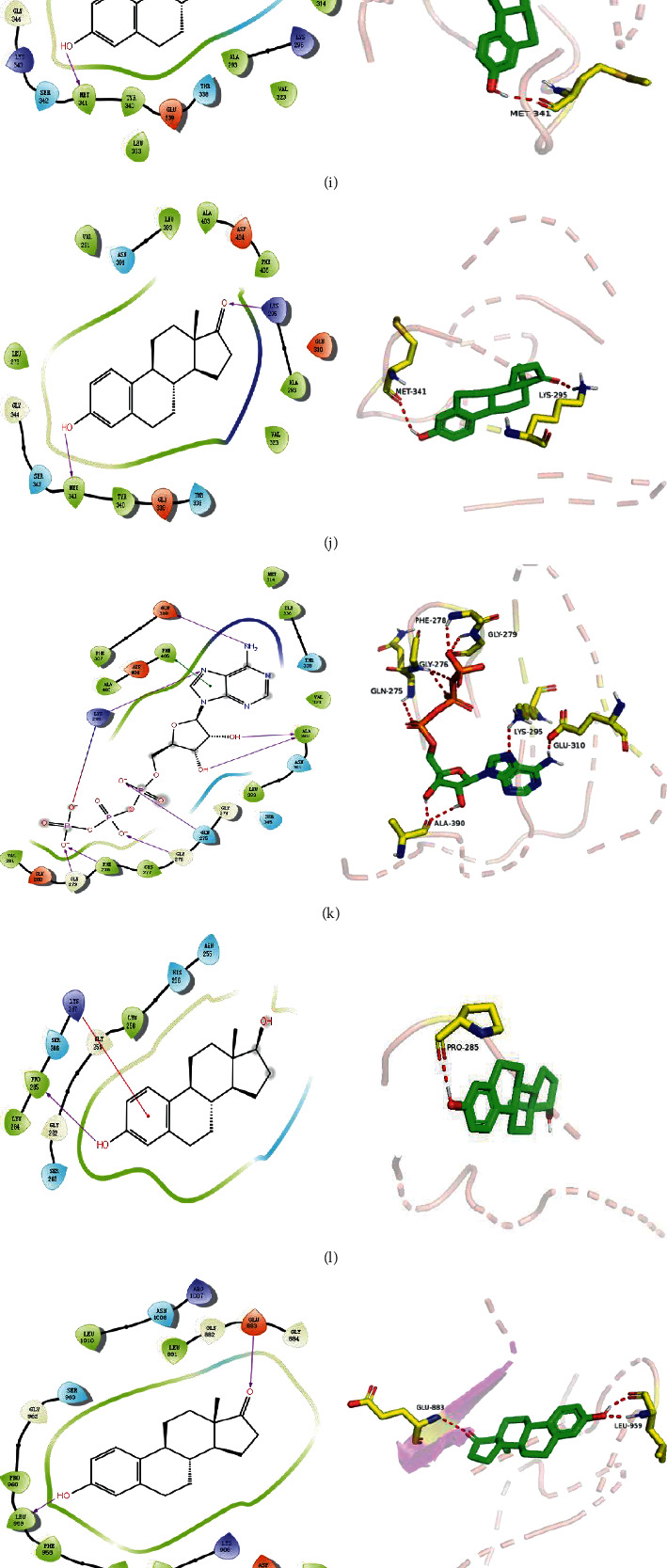
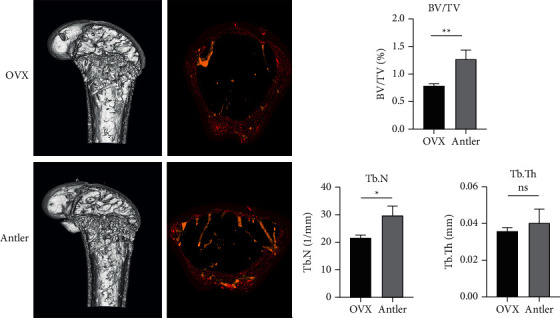
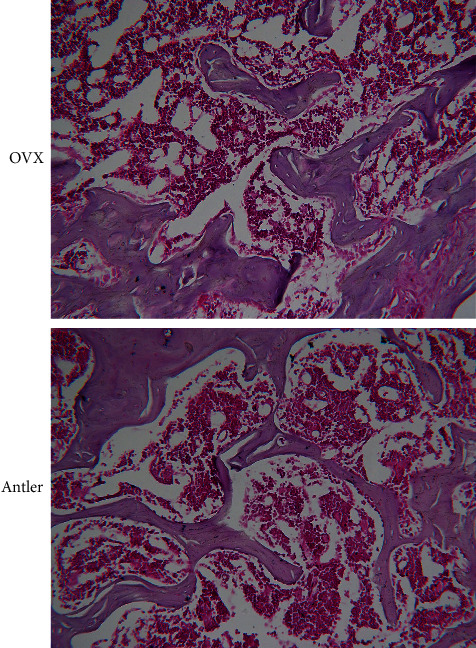
Deer velvet antlers are the young horns of male deer that are not ossified and densely overgrown. Velvet antler and its preparations have been widely used in the treatment of postmenopausal osteoporosis (PMOP) in recent years, although its mechanism of action in the human body remains unclear. To screen the effective ingredients and targets of velvet antler in the treatment of PMOP using network pharmacology and to explore the potential mechanisms of velvet antler action in such treatments, we screened the active ingredients and targets of velvet antler in the BATMAN-TCM database. We also screened the relevant targets of PMOP in the GeneCards and OMIM databases and then compared the targets at the intersection of both velvet antler and PMOP. We used Cytoscape 3.7.2 software to construct a network diagram of "disease-drug-components-targets" and a protein-protein interaction (PPI) network through the STRING database and screened out the core targets; the R language was then used to analyze the shared targets between antler and PMOP for GO-enrichment analysis and KEGG pathway-annotation analysis. Furthermore, we used the professional software Maestro 11.1 to verify the predictive analysis based on network pharmacology. Hematoxylin-eosin (H&E) staining and micro-CT were used to observe the changes in trabecular bone tissue, further confirming the results of network pharmacological analysis. The potentially effective components of velvet antler principally include 17β-E2, adenosine triphosphate, and oestrone. These components act on key target genes such as AKT1, IL6, MAPK3, TP53, EGFR, SRC, and TNF and regulate the PI3K/Akt-signaling and MAPK-signaling pathways. These molecules participate in a series of processes such as cellular differentiation, apoptosis, metabolism, and inflammation and can ultimately be used to treat PMOP; they reflect the overall regulation, network regulation, and protein interactions.
Copyright © 2021 Kuiting Guo et al.
Conflict of interest statement
The authors declare that they have no conflicts of interest.
Figures



References
-
- Li G., Li C., Li X., Liang W. The mechanism of estrogen regulating the imbalance of bone resorption-bone formation coupling in postmenopausal osteoporosis. Chinese medicine orthopedics . 2016;28(2):36–40.
-
- Somjen D., Katzburg S., Sharon O., Grafi-Cohen M., Knoll E., Stern N. The effects of estrogen receptors alpha- and beta-specific agonists and antagonists on cell proliferation and energy metabolism in human bone cell line. Journal of Cellular Biochemistry . 2011;112(2):625–632. doi: 10.1002/jcb.22959. - DOI - PubMed
-
- Silva I., Branco J. C. Denosumab: recent update in postmenopausal osteoporosis. Acta Reumatologica Portuguesa . 2012;37(4):302–313. - PubMed
-
- Asuman Dogan A., Nakipoglu-Yuzer G. F., Yldzgoren M. J., Ozgirgin N. Is age or the body mass index (BMI) more determinant of the bone mineral density (BMD)in geriatric women and men. Archives of Gerontology and Geriatrics . 2010;51(3):338–341. - PubMed
LinkOut - more resources
Full Text Sources
Research Materials
Miscellaneous
