


How Safe are Fluoroquinolones for Diabetic Patients? A Systematic Review of Dysglycemic and Neuropathic Effects of Fluoroquinolones
- PMID: 34675522
- PMCID: PMC8520959
- DOI: 10.2147/TCRM.S284171
How Safe are Fluoroquinolones for Diabetic Patients? A Systematic Review of Dysglycemic and Neuropathic Effects of Fluoroquinolones
Abstract
Introduction: The US Food and Drug Administration issued safety warnings about neuropathy in 2013 and dysglycemia in 2018 caused by fluoroquinolone use, mainly based on case reports and case series. We conducted this systematic review to evaluate the safety of fluoroquinolones in diabetic patients by investigating their dysglycemic and neuropathic effects.
Methods: PubMed, Scopus, and Google Scholar were searched for randomized controlled trials and observational studies published from inception till September 2019 evaluating the safety of fluoroquinolones. Efficacy studies of fluoroquinolones reporting these adverse effects were also included. Primary outcomes were hypoglycemia, hyperglycemia, and neuropathy among patients with or without diabetes and treated with fluoroquinolones compared with placebo or other antibiotics. The Cochrane Collaboration tool for randomized controlled trials and modified Newcastle-Ottawa quality-assessment scale were used for assessment of the included studies.
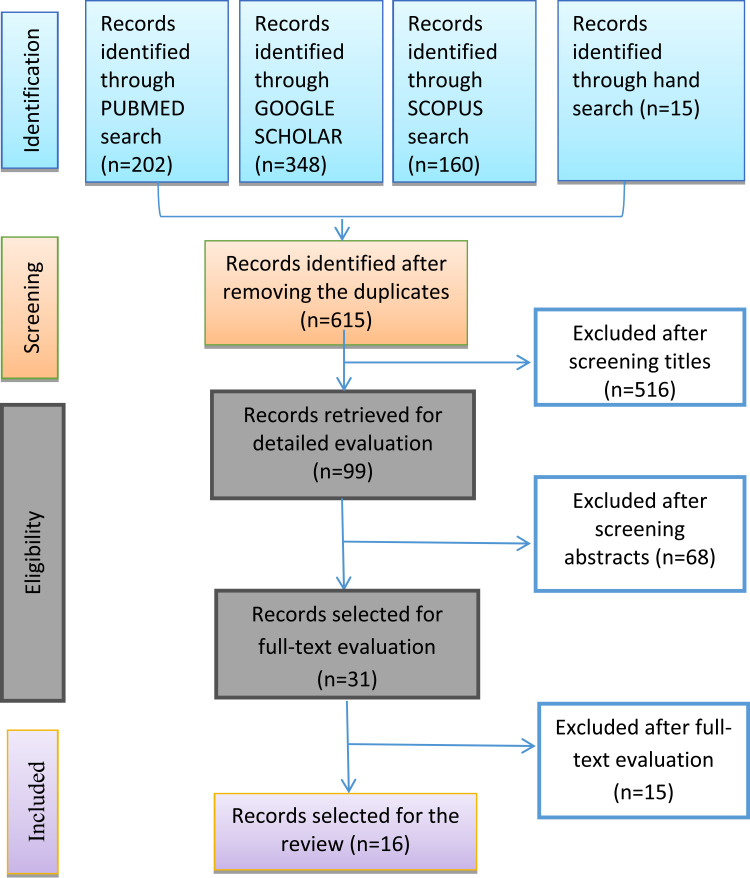
Results and discussion: A total of 725 studies were identified in the initial search. After screening of titles and abstracts and full-text review, 16 articles fulfilled the inclusion criteria. The sampled patients were aged 30-78 years. Hyperglycemia was reported in 1,588 patients that received fluoroquinolone among eight studies with 4,663 patients, and hypoglycemia was reported in 2,179 patients that received fluoroquinolones among eleven studies with 6,208 patients. Dysglycemia was not generally associated with diabetes mellitus per se. Nevertheless, patients with more comorbidities, especially those with chronic kidney disease, receiving antidiabetics and/or steroids had more glycemic events when treated with fluoroquinolones.
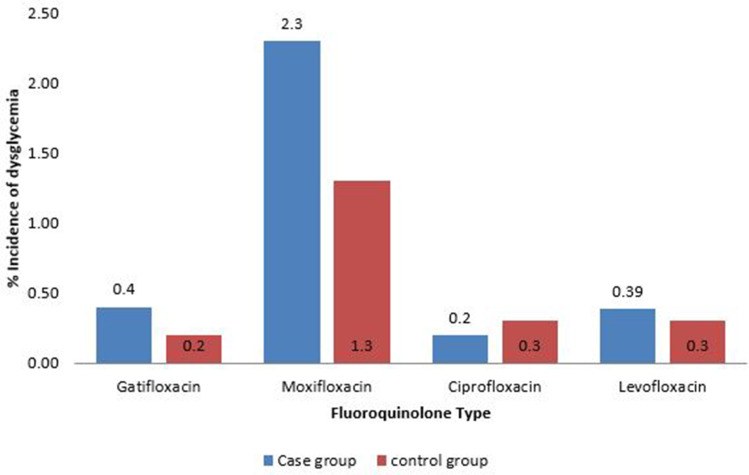
Conclusion: Moxifloxacin was found to be associated the most and ciprofloxacin the least with dysglycemia. fluoroquinolones must be used with great caution among diabetic patients who have comorbidities and are receiving antidiabetics and/or steroids. Further evidence is required from studies on neuropathy caused by fluoroquinolones.
Keywords: adverse drug reaction; ciprofloxacin; gatifloxacin; hyperglycemia; hypoglycemia; levofloxacin; moxifloxacin; safety.
© 2021 Althaqafi et al.
Conflict of interest statement
All authors declare that they have no conflicts of interest. The authors are responsible for the content and writing of the article.
Figures
References
Publication types
LinkOut - more resources
Full Text Sources
