


Pancreatic Neuroendocrine Tumors: Molecular Mechanisms and Therapeutic Targets
- PMID: 34680266
- PMCID: PMC8533967
- DOI: 10.3390/cancers13205117
Pancreatic Neuroendocrine Tumors: Molecular Mechanisms and Therapeutic Targets
Abstract
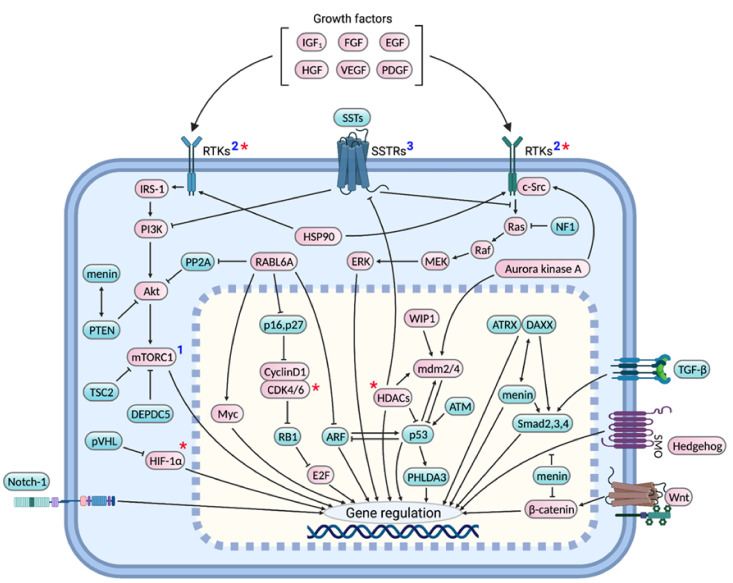
Pancreatic neuroendocrine tumors (pNETs) are unique, slow-growing malignancies whose molecular pathogenesis is incompletely understood. With rising incidence of pNETs over the last four decades, larger and more comprehensive 'omic' analyses of patient tumors have led to a clearer picture of the pNET genomic landscape and transcriptional profiles for both primary and metastatic lesions. In pNET patients with advanced disease, those insights have guided the use of targeted therapies that inhibit activated mTOR and receptor tyrosine kinase (RTK) pathways or stimulate somatostatin receptor signaling. Such treatments have significantly benefited patients, but intrinsic or acquired drug resistance in the tumors remains a major problem that leaves few to no effective treatment options for advanced cases. This demands a better understanding of essential molecular and biological events underlying pNET growth, metastasis, and drug resistance. This review examines the known molecular alterations associated with pNET pathogenesis, identifying which changes may be drivers of the disease and, as such, relevant therapeutic targets. We also highlight areas that warrant further investigation at the biological level and discuss available model systems for pNET research. The paucity of pNET models has hampered research efforts over the years, although recently developed cell line, animal, patient-derived xenograft, and patient-derived organoid models have significantly expanded the available platforms for pNET investigations. Advancements in pNET research and understanding are expected to guide improved patient treatments.
Keywords: molecular mechanisms; pNET models; pancreatic neuroendocrine tumors.
Conflict of interest statement
The authors declare no conflict of interest.
Figures
References
Publication types
Grants and funding
LinkOut - more resources
Full Text Sources
Miscellaneous
