. 2021 Sep 17;3(5):100322.
doi: 10.1016/j.jhepr.2021.100322. eCollection 2021 Oct.

Non-alcoholic fatty liver disease: A patient guideline

Affiliations

Non-alcoholic fatty liver disease: A patient guideline

Sven M Francque et al. JHEP Rep. .

Erratum in

Abstract

This patient guideline is intended for all patients at risk of or living with non-alcoholic fatty liver disease (NAFLD). NAFLD is the most frequent chronic liver disease worldwide and comes with a high disease burden. Yet, there is a lot of unawareness. Furthermore, many aspects of the disease are still to be unravelled, which has an important impact on the information that is given (or not) to patients. Its management requires a close interaction between patients and their many healthcare providers. It is important for patients to develop a full understanding of NAFLD in order to enable them to take an active role in their disease management. This guide summarises the current knowledge relevant to NAFLD and its management. It has been developed by patients, patient representatives, clinicians and scientists and is based on current scientific recommendations, intended to support patients in making informed decisions.

Keywords: ALD, alcohol-related or alcoholic liver disease; ASH, alcoholic steatohepatitis; BMI, body mass index; CAP, controlled attenuation parameter; CT, computed tomography; CVD, cardiovascular disease; EASD, European Association for the Study of Diabetes; EASL, European Association for the Study of the Liver; EASO, European Association for the Study of Obesity; FIB-4, fibrosis-4 index; FXR, farnesoid X receptor; GLP-1 RAs, glucagon-like receptor 1 agonists; GP, general practitioner; HCC, hepatocellular carcinoma; HDL, high-density lipoprotein; LDL, low-density lipoproteins; MRE, magnetic resonance elastography; MRI, magnetic resonance imaging; NAFL, non-alcoholic fatty liver; NAFLD, non-alcoholic fatty liver disease; NASH CRN, NASH Clinical Research Network; NASH, non-alcoholic steatohepatitis; NIT, non-invasive test; SMART, specific, measurable, achievable, relevant, timely; T1D, type 1 diabetes; T2D, type 2 diabetes.


Conflict of interest statement

SMF has a senior clinical research mandate from the Fund for Scientific Research (FWO) Flanders (1802154 N) and has acted as advisor and/or lecturer for Roche, Gilead, Abbvie, Bayer, BMS, MSD, Janssen, Actelion, Astellas, Genfit, Inventiva, Intercept, Genentech, Galmed, Promethera, Coherus, NGM Bio and Julius Clinical. GM served as Advisory Board member for Sanofi, Novartis, Astra-Zeneca, Intercept and Pfizer, and participated in clinical trials by Sanofi, Eli Lilly, Gilead, GENFIT and Intercept. AK has received project grants from Novartis and Intercept. MW has nothing to disclose in relation to this publication. RD has received project grants from Novartis and Intercept. JVL received research grants from Gilead Sciences and MSD, and speaker fees from Genfit, Gilead Sciences, MSD, Intercept Pharmaceuticals and Janssen, outside of this work. SZS has nothing to disclose in relation to this publication. KH has nothing to disclose in relation to this publication. LB serves as an Advisory Board member for Novo Nordisk. GF has nothing to disclose in relation to this publication. DD served as Advisory Board member and lecture for Novo Nordisk, Sanofi, BI, Astra-Zeneca, and participated in clinical trials by, Novo Nordisk, Eli Lilly, Sanofi and BI. EW has nothing to disclose in relation to this publication. MK has nothing to disclose in relation to this publication. JW has nothing to disclose in relation to this publication. GK has nothing to disclose in relation to this publication. SV has nothing to disclose in relation to this publication. MU has nothing to disclose in relation to this publication. JM has nothing to disclose in relation to this publication. CL has nothing to disclose in relation to this publication. Please refer to the accompanying ICMJE disclosure forms for further details.

Figures
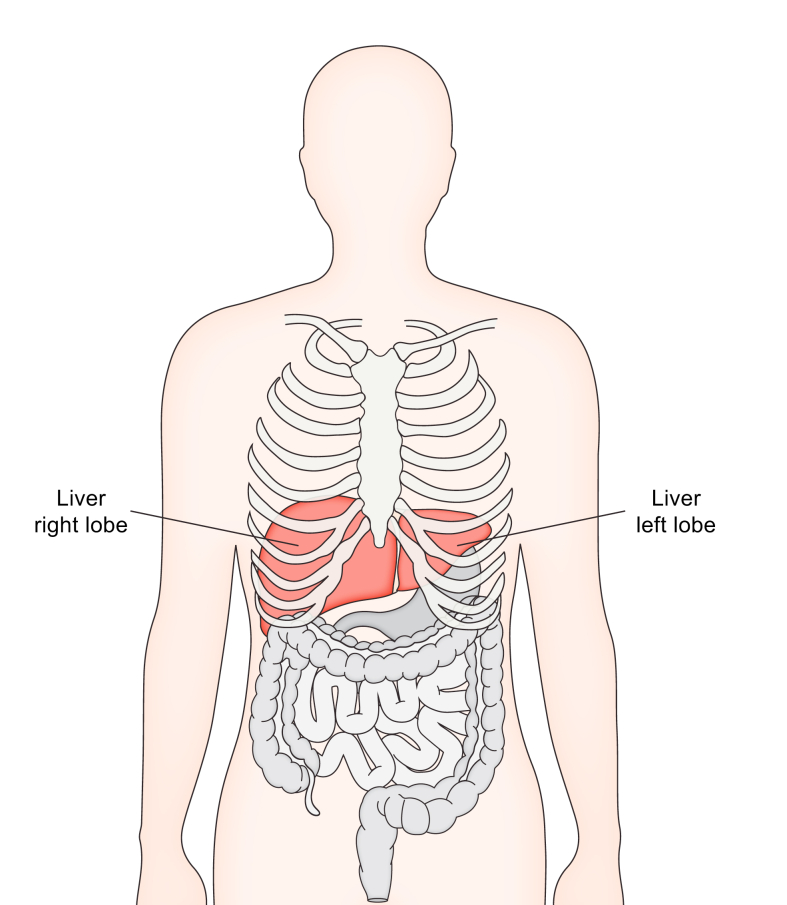
Fig. 1
Fig. 1
The liver is a large organ on the right-hand side of the body, located primarily in the upper right quadrant of the abdomen. The liver is mostly covered and protected by the lower part of your ribcage.
Fig. 2
Fig. 2
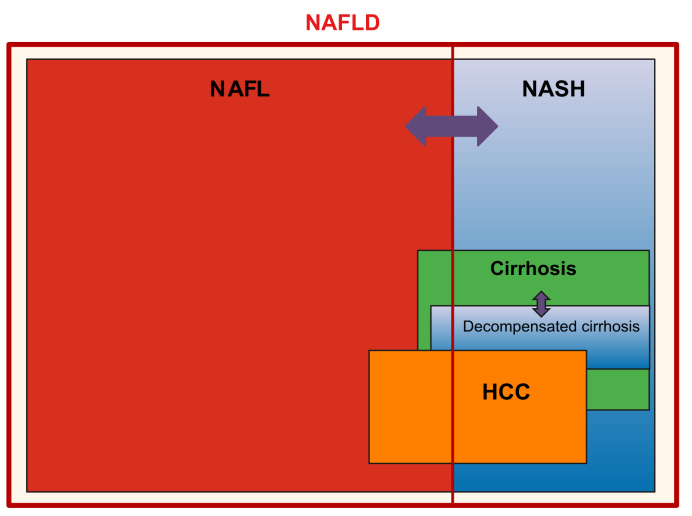
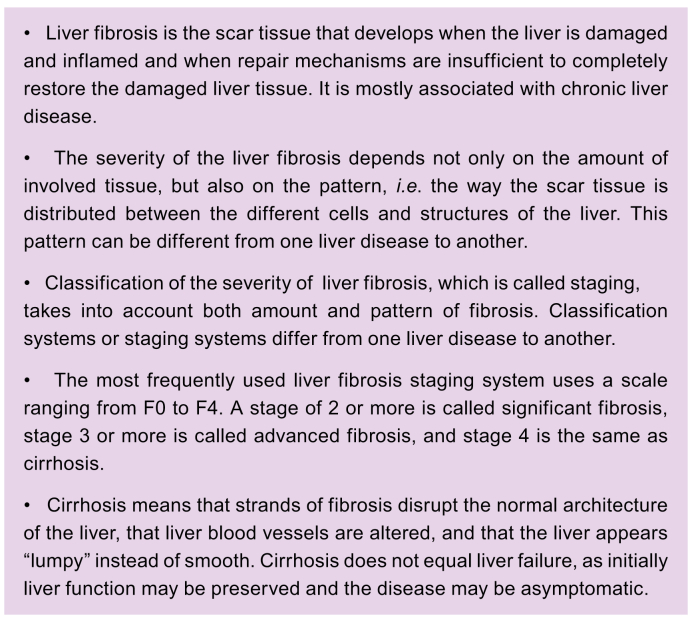
The different subtypes of NAFLD and their relationships with the severe consequences of the disease. NAFLD is the overarching term. If there is mainly only steatosis, we call it simple steatosis or isolated steatosis (NAFL). If there is also liver cell damage and inflammation, we call it steatohepatitis (NASH). The separation is not static, so you can have NAFL and evolve to NASH, and also the other way around. The active disease can evolve to more severe liver injury and ultimately cirrhosis. Cirrhosis means advanced scarring of the liver, but even in these conditions, the liver can continue to function (compensated cirrhosis). Some people with cirrhosis will, however, evolve to poor liver function, which is called decompensated cirrhosis. NAFLD is also associated with the risk of developing liver cancer (HCC). As you can see from the figure, cirrhosis and decompensated cirrhosis mostly occur in association with NASH, whereas patients with NAFL have a lower (but not zero) risk. For HCC, the risk is the highest if you have cirrhosis, but there is still a risk in patients without cirrhosis and even without NASH. The magnitude of the boxes does not give any indication of the magnitude of the risk (please refer to the text for risk estimates). HCC, hepatocellular carcinoma; NAFL, non-alcoholic fatty liver; NAFLD, non-alcoholic fatty liver disease; NASH, non-alcoholic steatohepatitis.
Fig. 3
Fig. 3
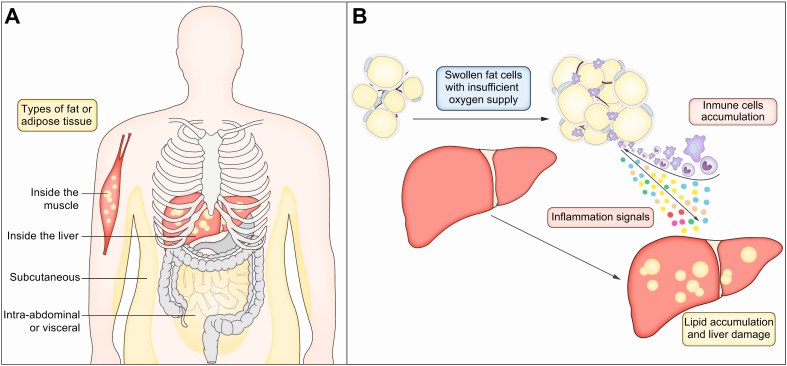
The body harbours different types of fat or adipose tissue. (A) The fat that is inside the abdominal cavity and in close contact with both the gut and the liver is called intra-abdominal or visceral fat. The fat just beneath the skin is called subcutaneous fat. Intra-abdominal fat is more active, in terms of metabolic processes that are going on inside the cells. The intra-abdominal fat tissue is also active in the production of signals that help the body regulate its energy metabolism. It is thus not just a storage space, but also an active regulator of your body’s energy handling. (B) When this fat tissue is overwhelmed and the fat cells become very swollen, the fat tissue will become inflamed because there is not enough blood supply to and hence not enough oxygen in these too swollen fat cells. This leads to damage and dysfunction of this fat tissue. This inflamed fat tissue will release harmful substances into the blood that can then damage the liver. Subcutaneous fat is less reactive. It stores your energy reserves, which is important to protect us from the destructive consequences of calorie excess. However, there is a limit to that storage capacity too. When your excess calories exceed this storage capacity, the fat will need to go somewhere else.
Fig. 4
Fig. 4
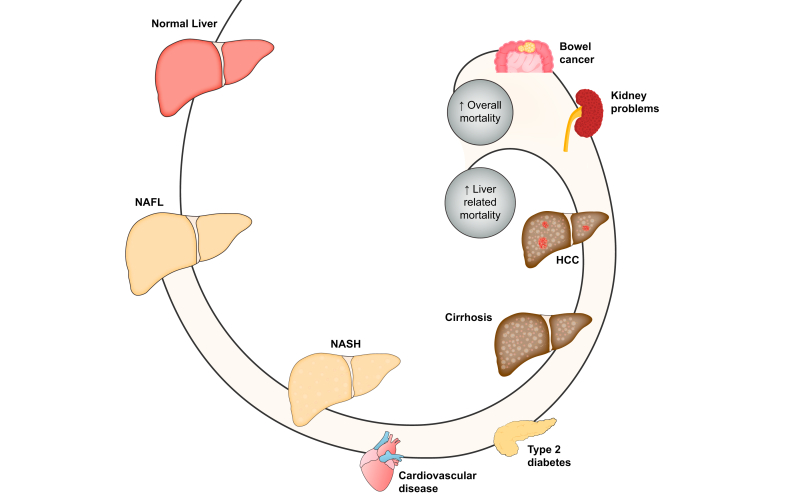
Non-alcoholic fatty liver disease can evolve from just a fatty liver to severe liver disease, over different stages of severity. Many factors determine if you will develop more severe liver disease and how quick the evolution is. Luckily, many patients will not evolve to severe liver disease and many steps in the evolution are reversible with adequate management. NAFL, non-alcoholic fatty liver; NASH, non-alcoholic steatohepatitis.
Fig. 5
Fig. 5
The current understanding of NAFLD is that most patients only have fatty liver, without liver cell damage and inflammation (NAFL). Some patients will evolve to NASH, wherein steatosis is accompanied by liver cell damage and inflammation. This can go along with the accumulation of scar tissue or fibrosis. In a subset of patients with NASH, more and more scar tissue will accumulate and ultimately result in cirrhosis. Patients with cirrhosis but with good liver function can evolve to a cirrhosis-related more severe liver problem (decompensated cirrhosis). A liver cancer (HCC) can develop at any stage, but the risk of HCC is higher when the NAFLD is more severe. Usually, the evolution of the disease is slow, but some patients can be rapid progressors. NAFLD increases the risk of developing diabetes. NAFLD also increases the risk of diseases of the heart and blood vessels (CVD). NAFLD may also increase the risk of several types of cancer (including bowel cancer) and the development of kidney problems. CVD, cardiovascular disease; HCC, hepatocellular carcinoma; NAFL, non-alcoholic fatty liver; NAFLD, non-alcoholic fatty liver disease; NASH, non-alcoholic steatohepatitis.
Fig. 6
Fig. 6
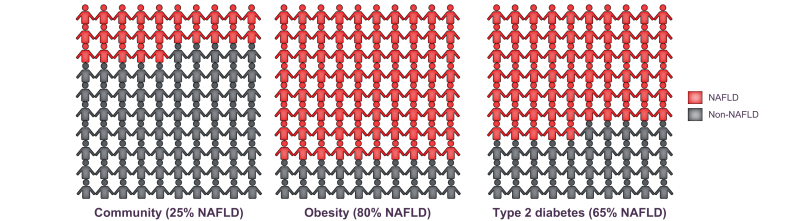
It is estimated that 25% of European adults have NAFLD. You are, however, more likely to have NAFLD if you have obesity and T2D, with NAFLD occurring in nearly 8 to 9 out of 10 (80 to 90%) people living with obesity and in 5-7 out of 10 (50-70%) people living with type 2 diabetes. The number of people with NAFLD increases progressively with age. NAFLD, non-alcoholic fatty liver disease; T2D, type 2 diabetes.
Fig. 7
Fig. 7
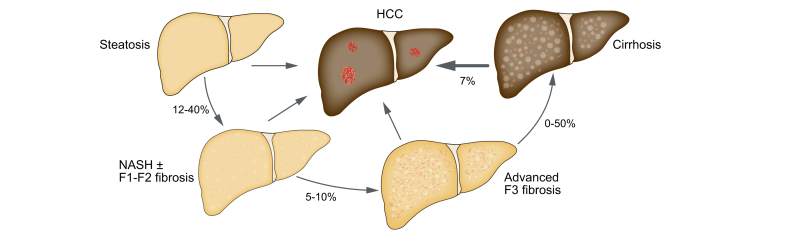
How does NAFLD evolve over time? Not everybody with NAFLD will develop cirrhosis. The estimated percentages of patients who will evolve stepwise to a more severe disease stage are depicted here. F1-2-3, stage of fibrosis 1-2-3; HCC, hepatocellular carcinoma; NAFLD, non-alcoholic fatty liver disease; NASH, non-alcoholic steatohepatitis.
Fig. 8
Fig. 8
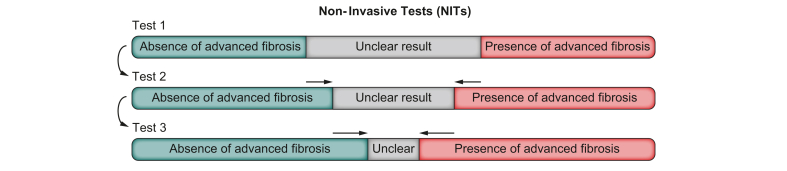
Screening for NAFLD can be done using different tests (non-invasive tests or NITs) and different strategies of testing. There is no international consensus on the optimal screening strategy. Tests can be combined at one instance. Another possibility is to use several different tests sequentially: the second test is only performed if the first one is positive or gives an unclear result. NAFLD, non-alcoholic fatty liver disease.
Fig. 9
Fig. 9
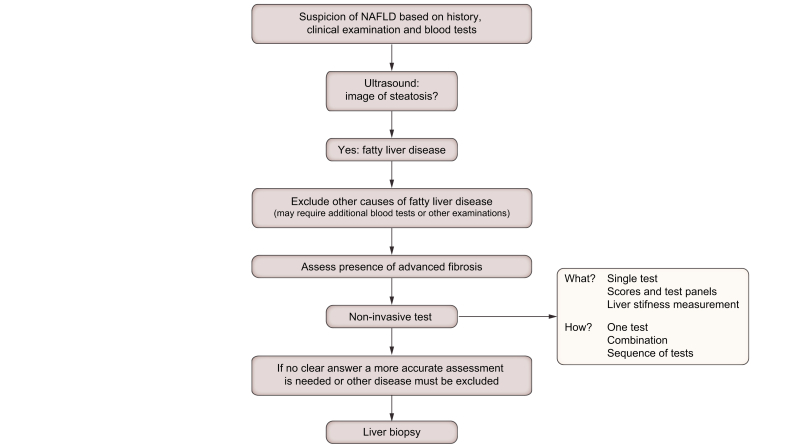
This flowchart represents a proposal of how to approach the challenge of diagnosing NAFLD if you have one or more risk factors for NAFLD. NAFLD, non-alcoholic fatty liver disease.
Fig. 10
Fig. 10
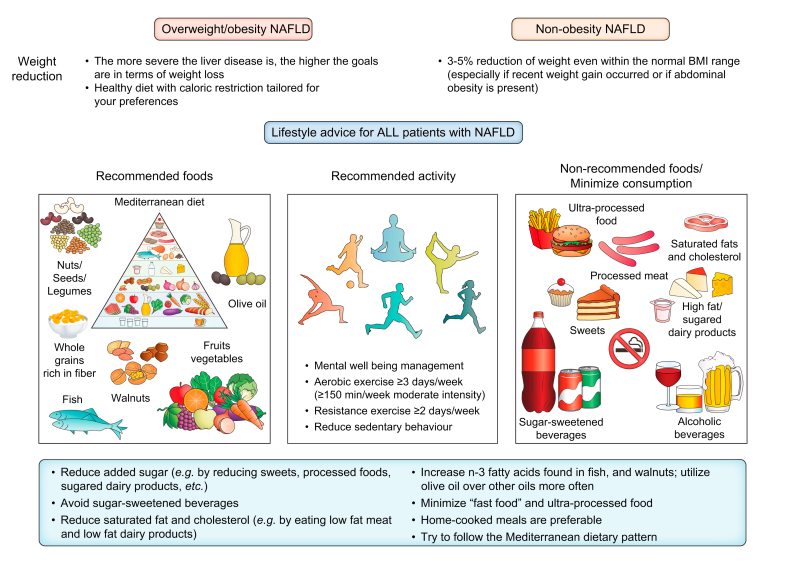
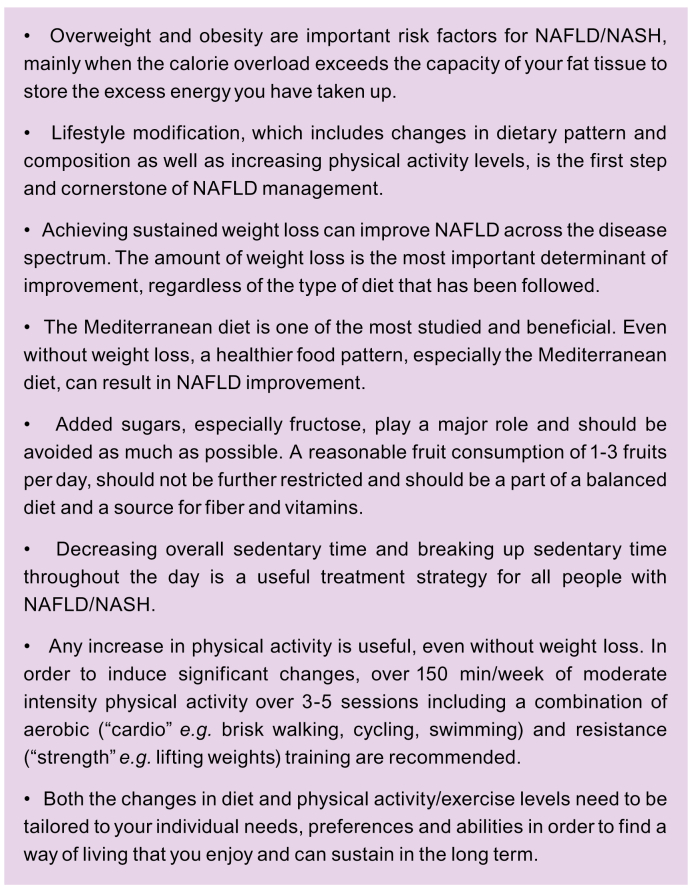
A summary of lifestyle recommendations for those living with NAFLD. NAFLD, non-alcoholic fatty liver disease.
Fig. 11
Fig. 11
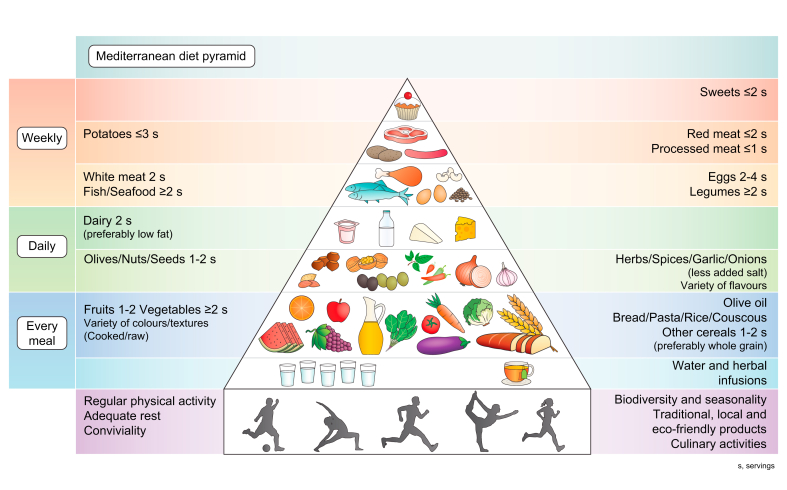
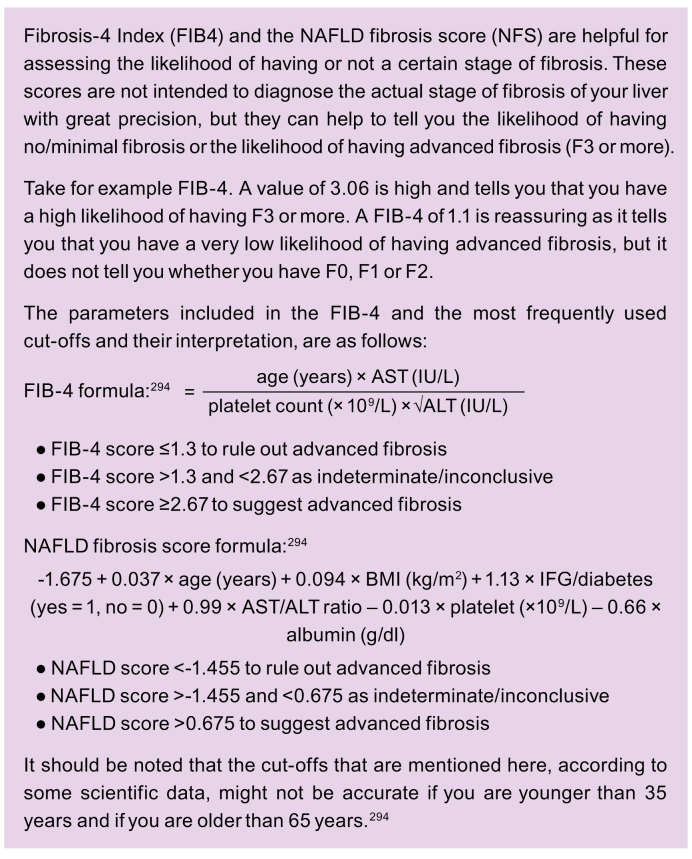
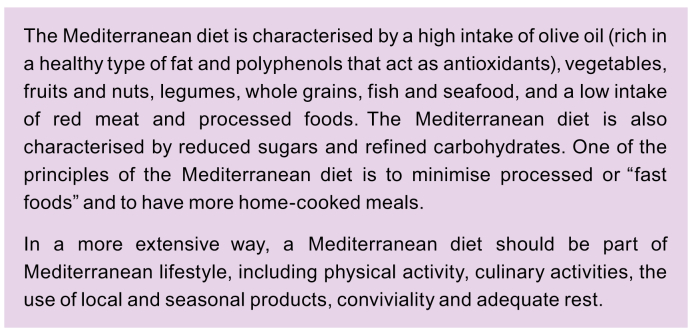
The Mediterranean diet. These are general recommendations for a healthy lifestyle. Specific person-tailored recommendations should be provided to you by a nutrition expert. s, serving.
Fig. 12
Fig. 12
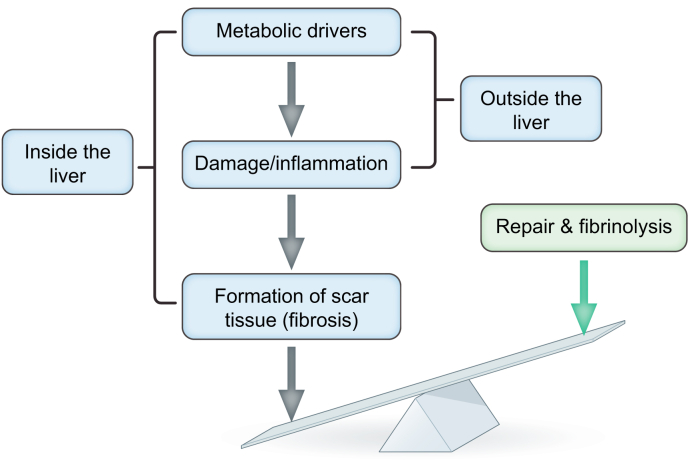
The liver lesions in NAFLD are the result of an imbalance between what is damaging the liver on the one hand and leading to the formation of scar tissue (fibrogenesis) on the one hand, and the repair mechanisms on the other hand. The imbalance is the result of upstream driving forces, pushing the progression of the disease. These driving forces are processes of cell damage and inflammation inside the liver (steatohepatitis) but also outside the liver (amongst others, the fat tissue inside the bowel cavity). These mechanisms are themselves driven by the upstream metabolic factors (excess calorie intake in combination with too little physical activity, leading to overweight and obesity, diabetes…). All these different factors can be the target of drugs that are being developed to treat NAFLD. NAFLD, non-alcoholic fatty liver disease
Fig. 13
Fig. 13
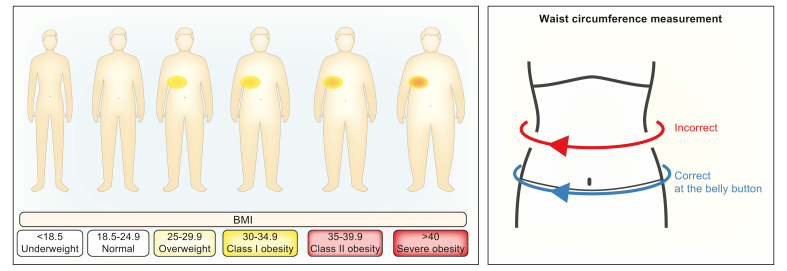
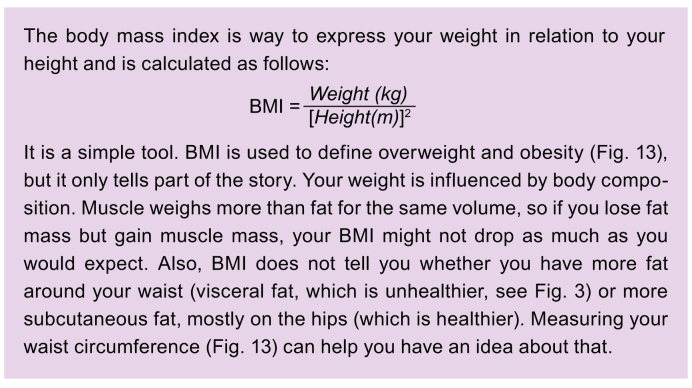
Illustrates how you can measure your waist circumference. It also shows you the weight classes based on BMI. You can easily calculate your BMI by dividing your weight (expressed in kg) by your height (expressed in cm) squared or you can use online calculators. BMI, body mass index.
None
None
None
None
None
None
None
None
None
None
None
None
None
None
None

References

    1. Yeh M.M., Brunt E.M. Pathological features of fatty liver disease. Gastroenterology. 2014;147:754–764. doi: 10.1053/j.gastro.2014.07.056. - DOI - PubMed
    1. Kwanten W.J. Role of autophagy in the pathophysiology of nonalcoholic fatty liver disease: a controversial issue. World J Gastroenterol. 2014;20:7325. doi: 10.3748/wjg.v20.i23.7325. - DOI - PMC - PubMed
    1. Gastaldelli A., Cusi K. From NASH to diabetes and from diabetes to NASH: mechanisms and treatment options. JHEP Reports : Innovation Hepatol. 2019;1:312–328. doi: 10.1016/j.jhepr.2019.07.002. - DOI - PMC - PubMed
    1. Kotronen A., Westerbacka J., Bergholm R., Pietiläinen K.H., Yki-Järvinen H. Liver fat in the metabolic syndrome. J Clin Endocrinol Metab. 2007;92:3490–3497. doi: 10.1210/jc.2007-0482. - DOI - PubMed
    1. Mazzotti A., Caletti M.T., Sasdelli A.S., Brodosi L., Marchesini G. Pathophysiology of nonalcoholic fatty liver disease: lifestyle-gut-gene interaction. Dig Dis (Basel, Switzerland) 2016;34(Suppl 1):3–10. doi: 10.1159/000447275. - DOI - PubMed