. 2022 Jan;44(1):177-188.
doi: 10.1002/hed.26906. Epub 2021 Oct 25.

High expression of NFX1-123 in HPV positive head and neck squamous cell carcinomas

Affiliations

High expression of NFX1-123 in HPV positive head and neck squamous cell carcinomas

Sreenivasulu Chintala et al. Head Neck. 2022 Jan.

Abstract

Background: High-risk human papillomaviruses (HR HPV) cause nearly all cervical cancers and, in the United States, the majority of head and neck cancers (HNSCCs). NFX1-123 is overexpressed in cervical cancers, and NFX1-123 partners with the HR HPV type 16 E6 oncoprotein to affect multiple growth, differentiation, and immune response genes. However, neither the expression of NFX1-123 nor the levels of these genes have been investigated in HPV positive (HPV+) or negative (HPV-) HNSCCs.

Methods: The Cancer Genome Atlas Splicing Variants Database and HNSCC cell lines were used to quantify expression of NFX1-123 and cellular genes increased in cervical cancers.

Results: NFX1-123 was increased in HPV+ HNSCCs compared to HPV- HNSCCs. LCE1B, KRT16, SPRR2G, and FBN2 were highly expressed in HNSCCs compared to normal tissues. Notch1 and CCNB1IP1 had greater expression in HPV+ HNSCCs compared to HPV- HNSCCs.

Conclusion: NFX1-123 and a subset of its known targets were increased in HPV+ HNSCCs.

Keywords: NFX1-123; Notch1; head and neck squamous cell carcinoma; human papillomavirus; oropharyngeal cancer.


Figures

Figure 1.
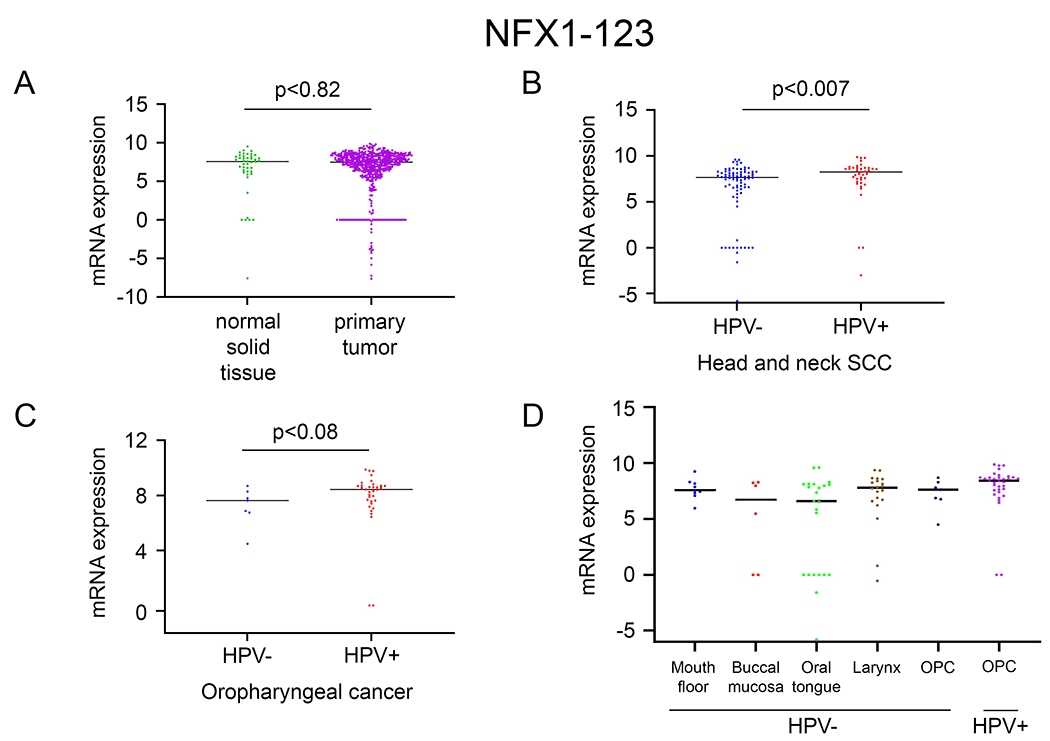
Figure 1.. NFX1-123 increased in HPV positive HNSCC.
Using the TSVdb, NFX1-123 expression was quantified in: A. primary tumors of HNSCC (n=520) compared to adjacent normal solid tissue (n=44); B. HPV positive HNSCC (n=39) compared to HPV negative HNSCC (n=80); C. HPV positive oropharyngeal cancer (OPC) (n=34) compared to HPV negative OPC (n=7). D. NFX1-123 mRNA expression in HPV positive OPCs compared to HPV negative OPCs and at different anatomical cancer sites (mouth floor, buccal mucosa, oral tongue, larynx).
Figure 2.
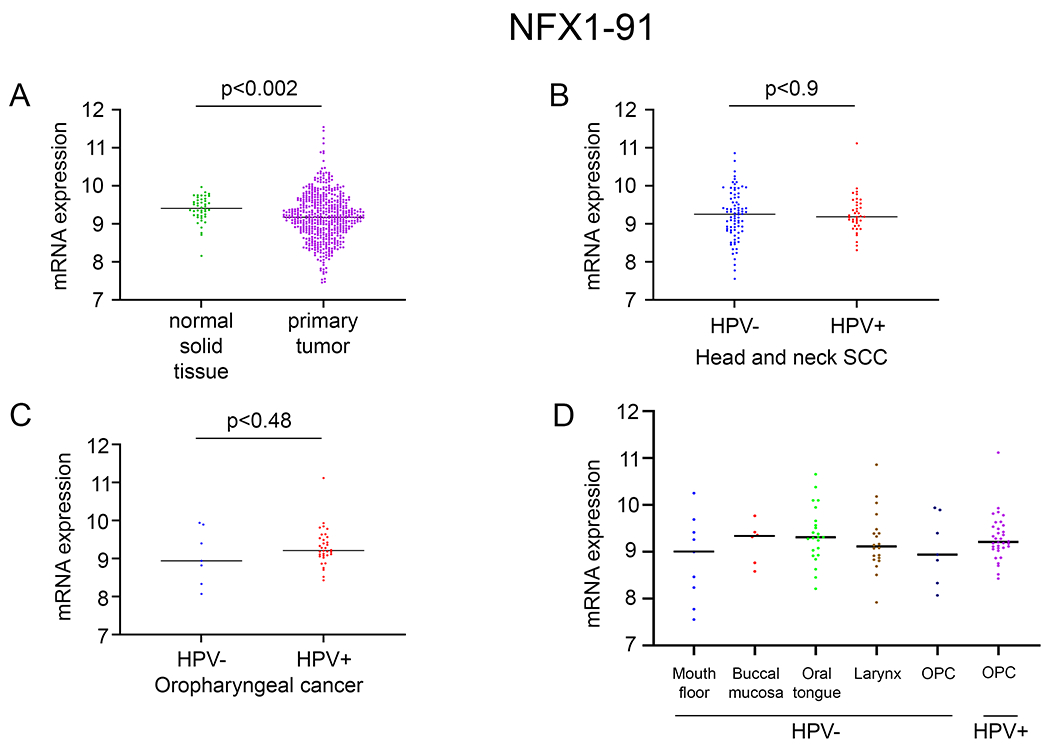
Figure 2.. NFX1-91 was not significantly increased in HNSCC or HPV positive HNSCC.
Using the TSVdb, NFX1-91 expression was quantified in: A. primary tumors of HNSCC (n=520) compared to adjacent normal solid tissue (n=44); B. HPV positive HNSCC (n=39) compared to HPV negative HNSCC (n=80); C. and HPV positive oropharyngeal cancer (OPC) (n=34) compared to HPV negative OPC (n=7). D. NFX1-91 mRNA expression in HPV positive OPCs compared to HPV negative OPCs and at different anatomical cancer sites (mouth floor, buccal mucosa, oral tongue, larynx).
Figure 3.
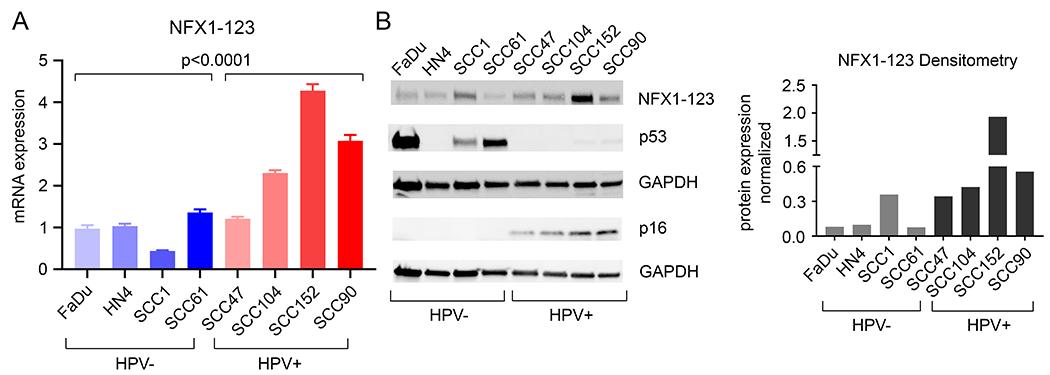
Figure 3.. High expression of NFX1-123 in HPV positive OPC HNSCC cell lines.
A. Quantitative PCR analysis of NFX1-123 was performed to determine the mRNA expression and was normalized to 36B4 as an internal control. Differential NFX1-123 expression between HPV negative and positive HNSCC cell lines was determined. B. Western blot analysis of NFX1-123 in HPV negative and positive HNSCC cell lines. HPV positivity was confirmed with p16 expression. p53, a protein degraded by HPV16 E6, was not detected in HPV positive cells. HN4 HPV negative cells do not express p53 due to a splice site mutation in these cells. GAPDH was used as a loading control. ImageJ analysis of NFX1-123 expression, normalized to GAPDH, is shown.
Figure 4.
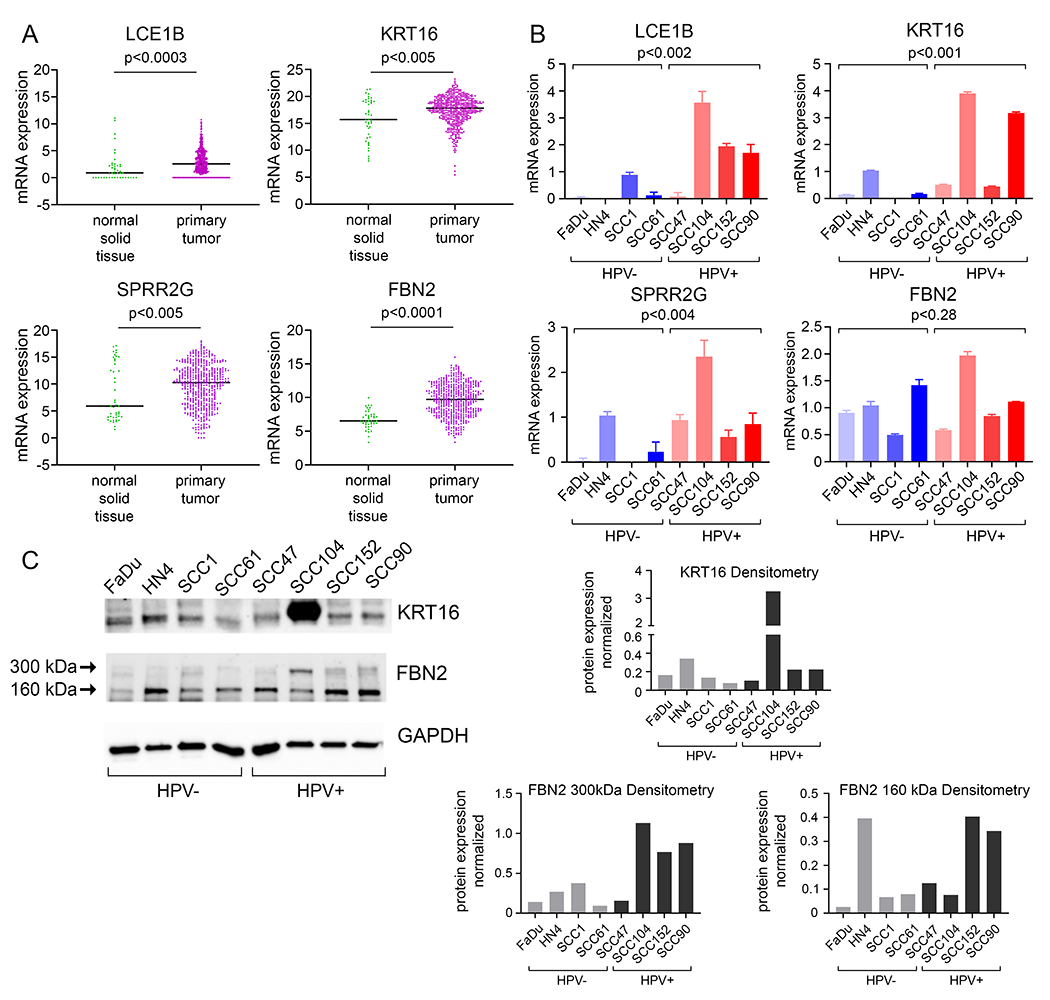
Figure 4.. Genes with greater expression in cervical cancers also increased in HNSCCs compared to adjacent normal solid tissues.
A. mRNA expression of LCE1B, KRT16, SPRR2G and FBN2 in primary tumors of HNSCC (n=520) compared to adjacent normal solid tissue (n=44). B. Quantitative PCR analysis of LCE1B, KRT16, SPRR2G and FBN2 in HPV negative and positive HNSCC cell lines. Differential gene expression between HPV negative and positive HNSCC cell lines were determined and was normalized to GAPDH (LCE1B, SPRR2G, FBN2) or 36B4 (KRT16) as an internal control. C. Western blot analysis of KRT16 and FBN2 in HPV negative and positive HNSCC cell lines. Two isoforms of FBN2 (300kDa and 160kDa) were detected. GAPDH was used as a loading control. ImageJ analysis, normalized to GAPDH, of KRT16 and the two isoforms of FBN2 is shown.
Figure 5.
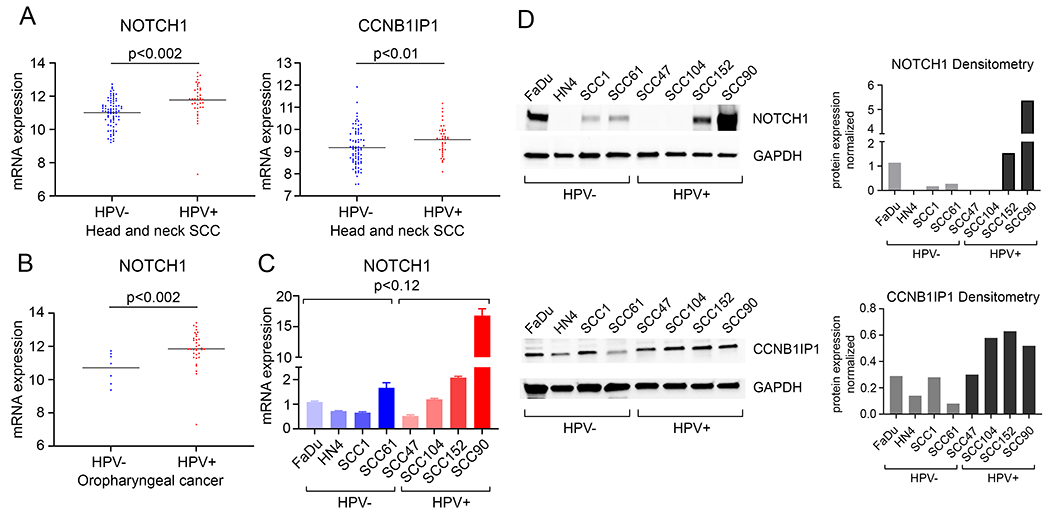
Figure 5.. Genes with greater expression in cervical cancers were also increased in HPV positive HNSCCs as well as HPV positive Oropharyngeal cancers (OPC).
A. mRNA expression of Notch1 and CCNB1IP1 in HPV positive HNSCC (n=39) compared to HPV negative HNSCC (n=80). B. mRNA expression of Notch1 in HPV positive oropharyngeal cancer (OPC) (n= 34) compared to HPV negative OPC (n=7). C. Quantitative PCR analysis of Notch1 in HPV negative and positive HNSCC cell lines was determined and normalized to 36B4 as an internal control. D. Western blot analysis of Notch1 (upper) and CCNB1IP1 (lower) in HPV negative and positive HNSCC cell lines. GAPDH was used as a loading control. ImageJ analysis, normalized to GAPDH, of Notch1 and CCNB1IP1 is shown.

References

    1. Bray F, Ferlay J, Soerjomataram I, Siegel RL, Torre LA, Jemal A. Global cancer statistics 2018: GLOBOCAN estimates of incidence and mortality worldwide for 36 cancers in 185 countries. CA Cancer J Clin. 2018;68(6):394–424. - PubMed
    1. de Martel C, Plummer M, Vignat J, Franceschi S. Worldwide burden of cancer attributable to HPV by site, country and HPV type. International journal of cancer. 2017;141(4):664–670. - PMC - PubMed
    1. Ndiaye C, Mena M, Alemany L, et al. HPV DNA, E6/E7 mRNA, and p16INK4a detection in head and neck cancers: a systematic review and meta-analysis. Lancet Oncol. 2014;15(12):1319–1331. - PubMed
    1. Chaturvedi AK, Anderson WF, Lortet-Tieulent J, et al. Worldwide trends in incidence rates for oral cavity and oropharyngeal cancers. J Clin Oncol. 2013;31(36):4550–4559. - PMC - PubMed
    1. Zhai L, Tumban E. Gardasil-9: A global survey of projected efficacy. Antiviral Res. 2016;130:101–109. - PubMed

Publication types

MeSH terms