Brain inflammation triggers macrophage invasion across the blood-brain barrier in Drosophila during pupal stages
- PMID: 34705495
- PMCID: PMC8550232
- DOI: 10.1126/sciadv.abh0050
Brain inflammation triggers macrophage invasion across the blood-brain barrier in Drosophila during pupal stages
Abstract
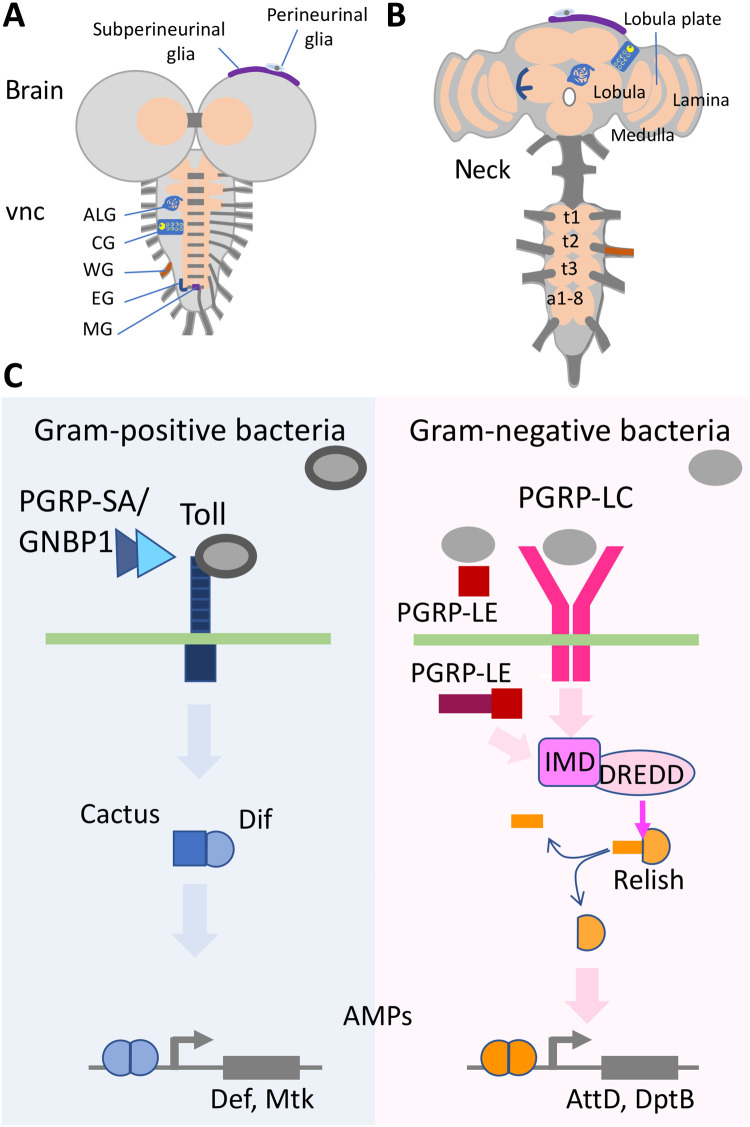
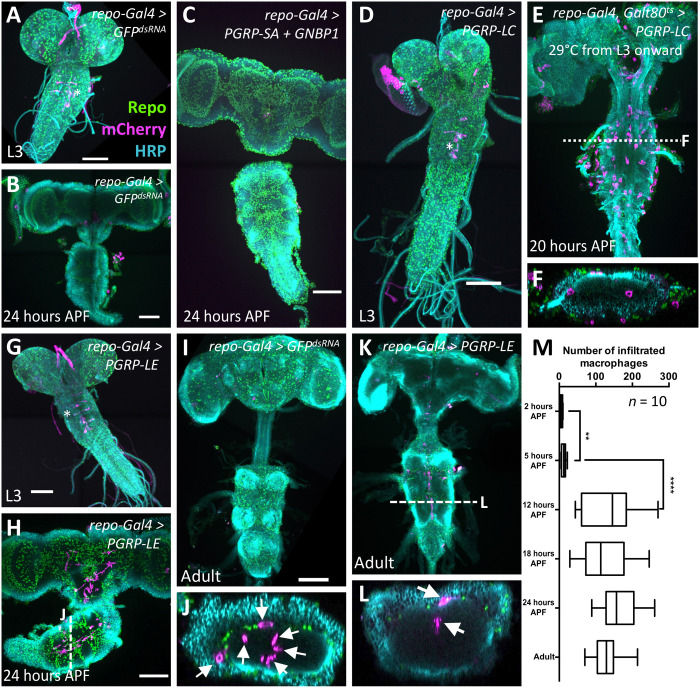
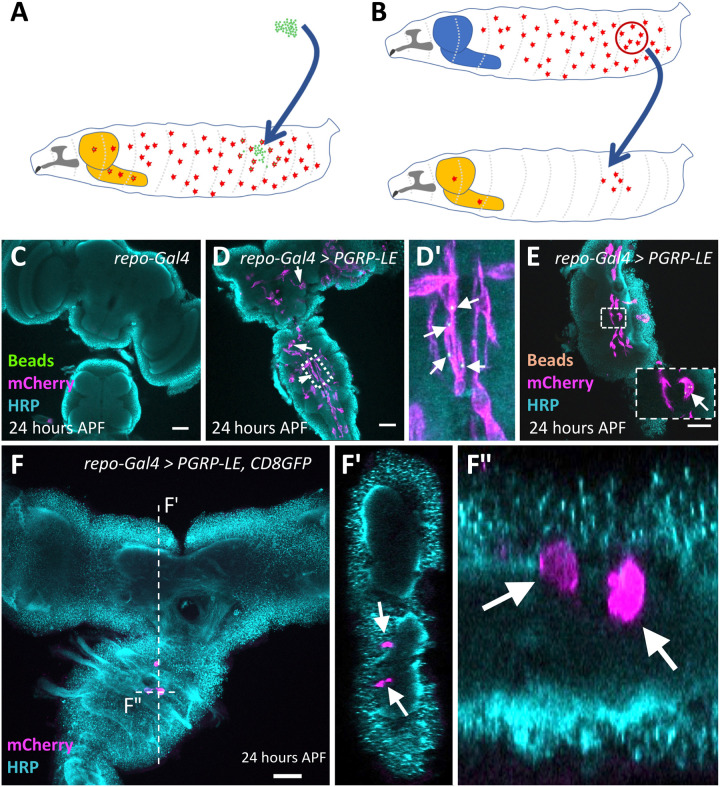
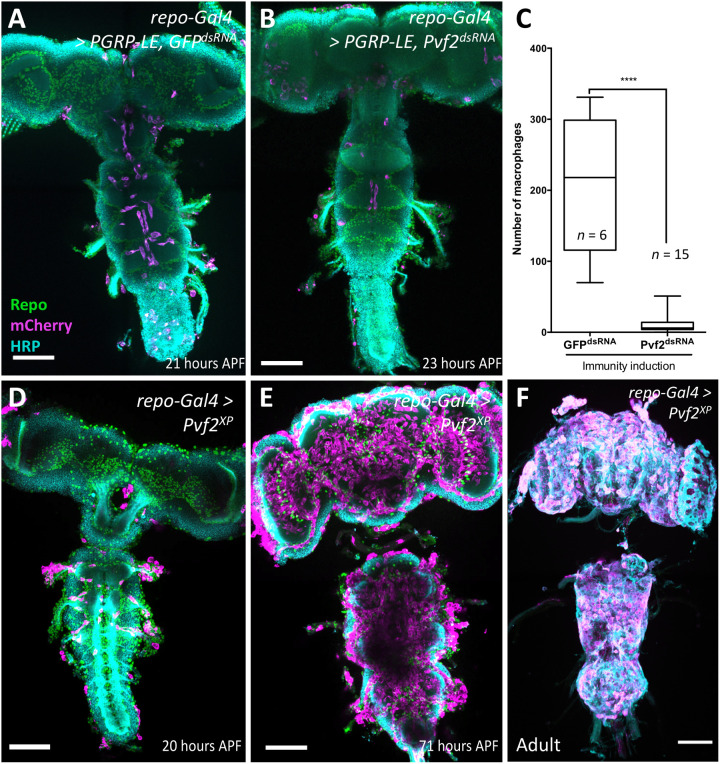
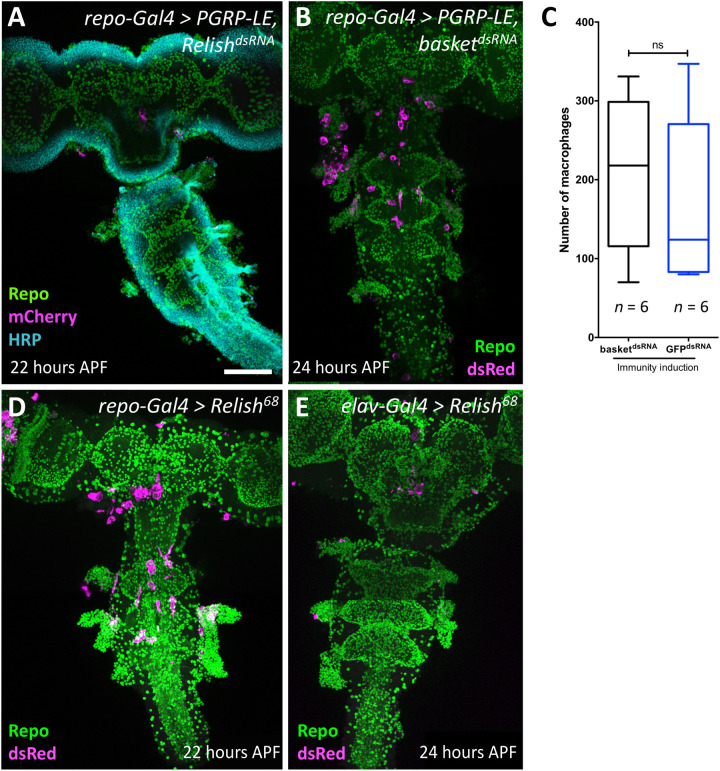
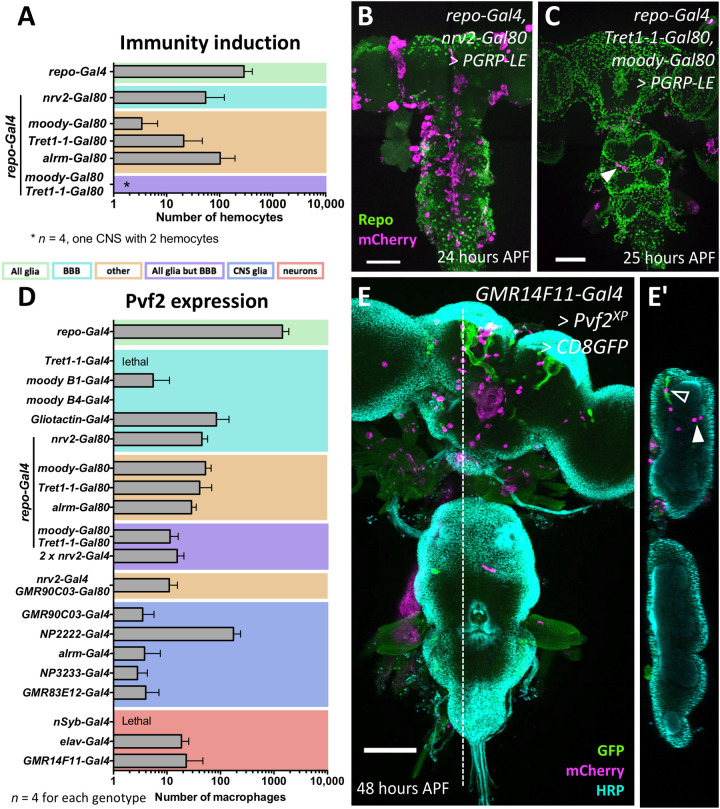
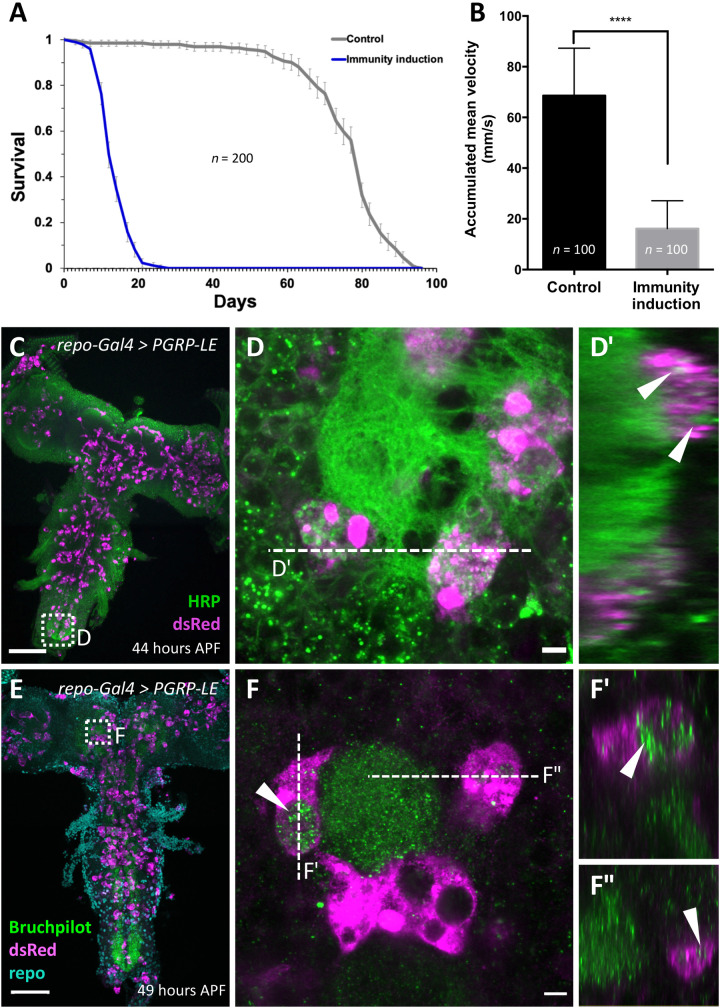
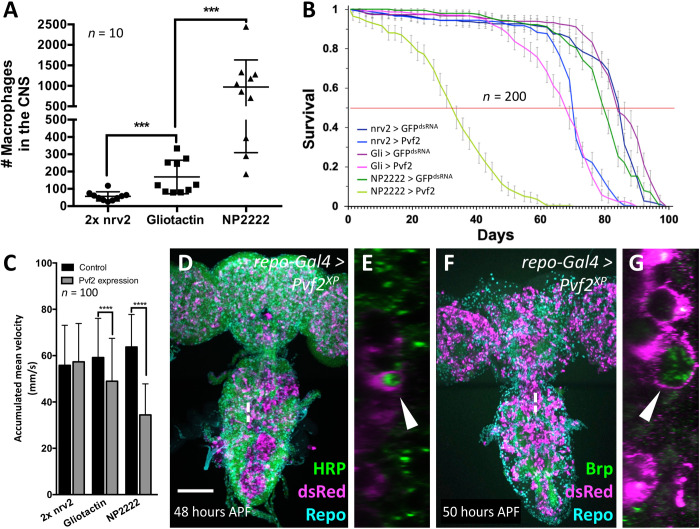
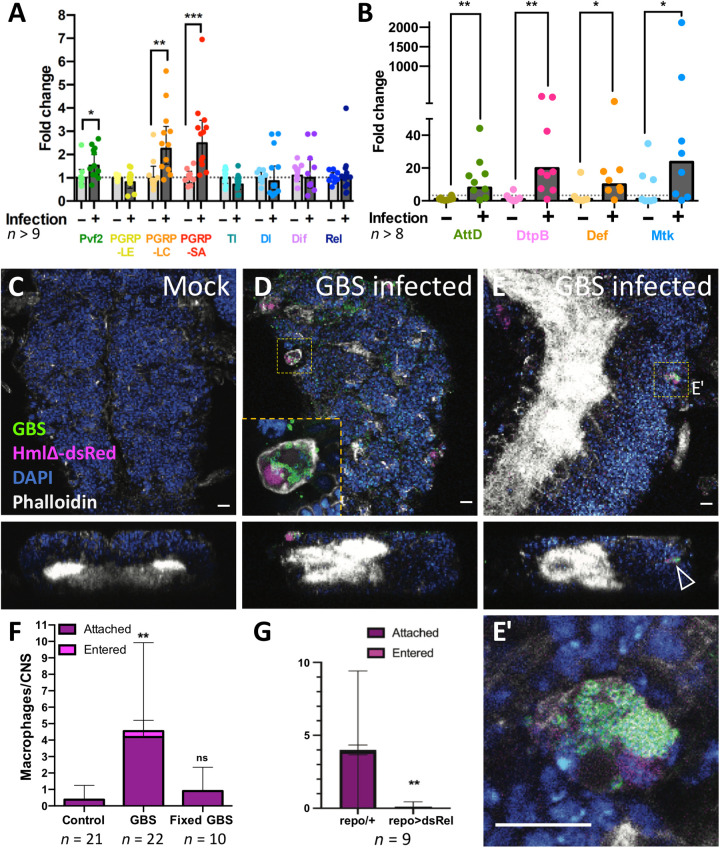
The nervous system is shielded from circulating immune cells by the blood-brain barrier (BBB). During infections and autoimmune diseases, macrophages can enter the brain where they participate in pathogen elimination but can also cause tissue damage. Here, we establish a Drosophila model to study macrophage invasion into the inflamed brain. We show that the immune deficiency (Imd) pathway, but not the Toll pathway, is responsible for attraction and invasion of hemolymph-borne macrophages across the BBB during pupal stages. Macrophage recruitment is mediated by glial, but not neuronal, induction of the Imd pathway through expression of Pvf2. Within the brain, macrophages can phagocytose synaptic material and reduce locomotor abilities and longevity. Similarly, we show that central nervous system infection by group B Streptococcus elicits macrophage recruitment in an Imd-dependent manner. This suggests that evolutionarily conserved inflammatory responses require a delicate balance between beneficial and detrimental activities.
Figures
References
-
- Niederkorn J. Y., See no evil, hear no evil, do no evil: The lessons of immune privilege. Nat. Immunol. 7, 354–359 (2006). - PubMed
-
- Saijo K., Glass C. K., Microglial cell origin and phenotypes in health and disease. Nat. Rev. Immunol. 11, 775–787 (2011). - PubMed
-
- Hilu-Dadia R., Kurant E., Glial phagocytosis in developing and mature Drosophila CNS: Tight regulation for a healthy brain. Curr. Opin. Immunol. 62, 62–68 (2020). - PubMed
LinkOut - more resources
Full Text Sources
Molecular Biology Databases