


Disulfiram use is associated with lower risk of COVID-19: A retrospective cohort study
- PMID: 34710137
- PMCID: PMC8553043
- DOI: 10.1371/journal.pone.0259061
Disulfiram use is associated with lower risk of COVID-19: A retrospective cohort study
Abstract
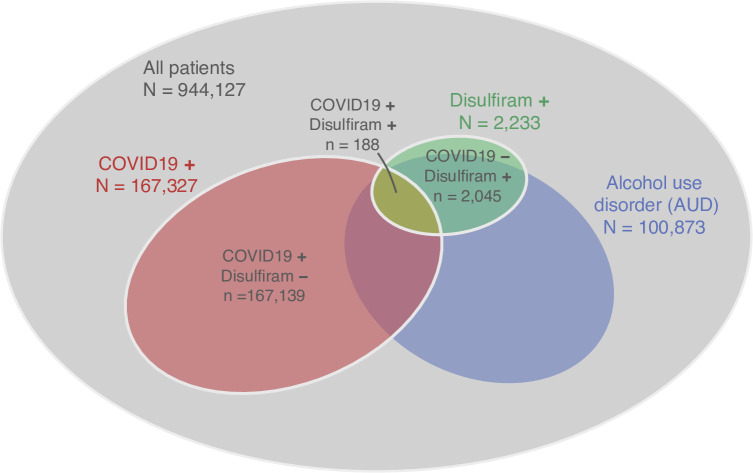
Effective, low-cost therapeutics are needed to prevent and treat COVID-19. Severe COVID-19 disease is linked to excessive inflammation. Disulfiram is an approved oral drug used to treat alcohol use disorder that is a potent anti-inflammatory agent and an inhibitor of the viral proteases. We investigated the potential effects of disulfiram on SARS-CoV-2 infection and disease severity in an observational study using a large database of clinical records from the national US Veterans Affairs healthcare system. A multivariable Cox regression adjusted for demographic information and diagnosis of alcohol use disorder revealed a reduced risk of SARS-CoV-2 infection with disulfiram use at a hazard ratio of 0.66 (34% lower risk, 95% confidence interval 24-43%). There were no COVID-19 related deaths among the 188 SARS-CoV-2 positive patients treated with disulfiram, in contrast to 5-6 statistically expected deaths based on the untreated population (P = 0.03). Our epidemiological results suggest that disulfiram may contribute to the reduced incidence and severity of COVID-19. These results support carefully planned clinical trials to assess the potential therapeutic effects of disulfiram in COVID-19.
Conflict of interest statement
The authors have declared that no competing interests exist.
Figures
References
Publication types
MeSH terms
Substances
Grants and funding
LinkOut - more resources
Full Text Sources
Other Literature Sources
Miscellaneous
